
Category: Reviews
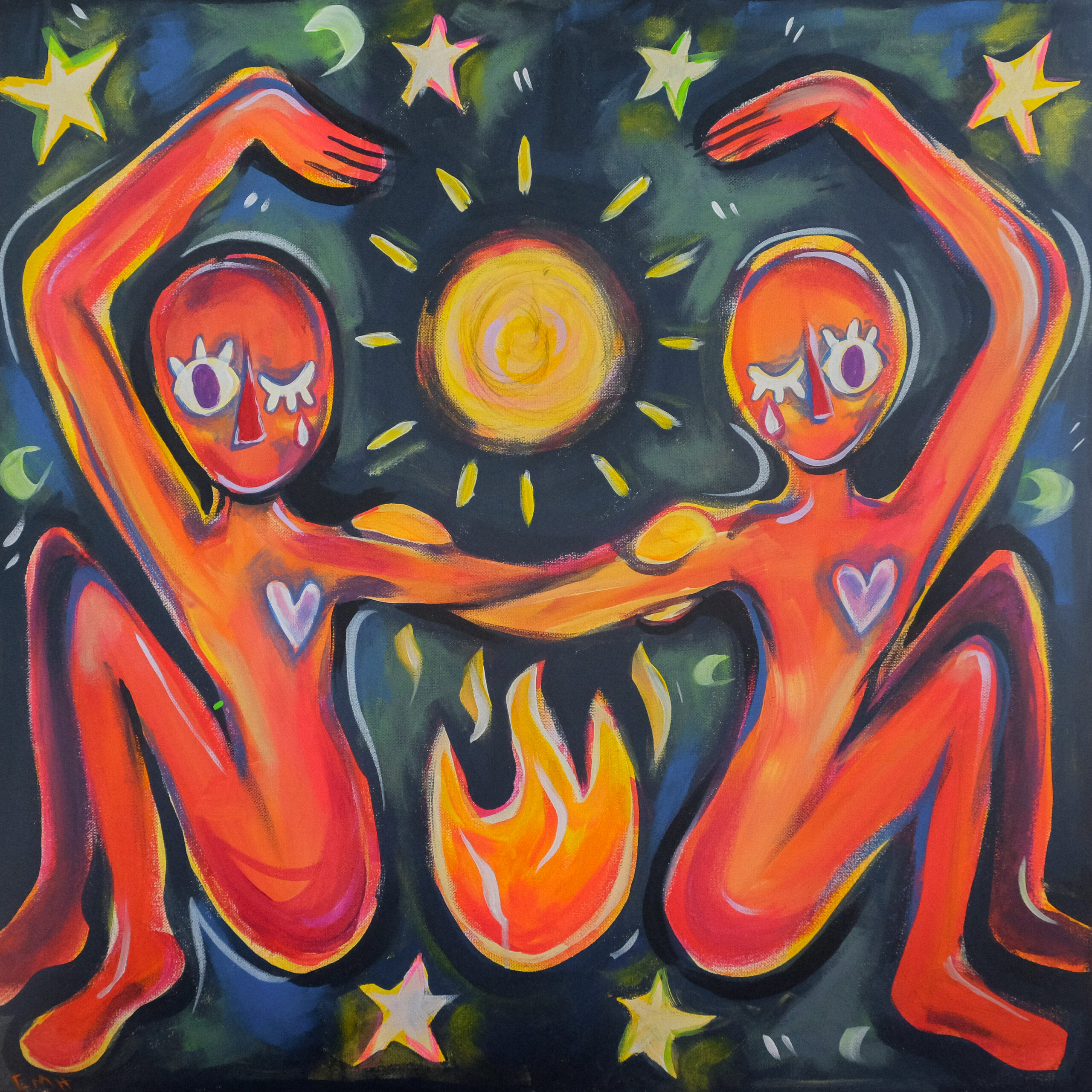
Review: CLOUDLAND: ‘Where We Meet’
As the clock strikes midnight, CLOUDLAND, based out of Athens, Georgia, celebrates the release their debut album, Where We Meet. The four-piece rock group is made up of members: vocalist Zach King, Karmen Smith on drums, guitarist Aidan Hill and Hogan Heim on bass.
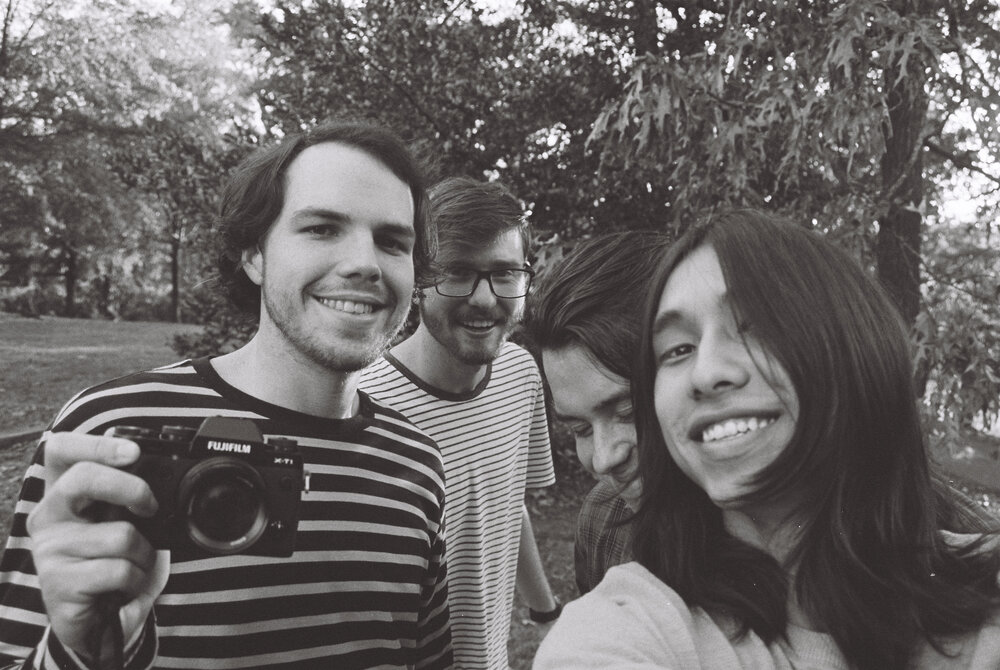
The ten-track album was written over the last year and a half, handing us the means to cope with the solitude we have all felt recently but also the relationships we have curated and reinforced, stronger than ever before.
“Sunday Afternoon” eases us into this significant milestone of CLOUDLAND’s —acoustic guitars extend their reach to greet us, vocal harmonies enticing us to stay. Truly depicting of a Sunday afternoon with a hint of what’s to come in the week. And just like a Monday, “Overthinking” wakes us up from our breezy, Sunday haze. “Thinking straight is something I can’t do… while my mind’s on you.” This track stuck out the most to me with a chorus that you just have to loudly sing along to in the car, and the sweet innocence of being absolutely enthralled by another is something that should be cherished. This came out to be one of my favorite tracks from the album; it offered enough in the instrumentals — the punchy guitars, the drums backing up the energy of the song, and the catchy vocals. Personally and a little surprisingly, I found the titular track, “Where We Meet”, to be one of the lesser hits off the freshman album. It reminded me a bit too much of my own youth group days, but that’s trauma to unpack another time.
Next up is the recently released single, “St. Elmo” — the band writes, “It’s about having someone by your side that can take all the confusion of self doubt away by just holding your hand.” Along with track two, “Overthinking,” this is an automatic add to any roadtrip playlist, from Chattanooga to St. Elmo to North Shore. “Lights” is next, a track that gives me hints of nostalgia for the nights I never lived, the memories I haven’t yet created, within in the coming-of-age film I never will star in. Midway, the album is struck by what seems like the tail end of an alien invasion dream, the piano keys of “Sunday Evening” waking you up from your feverish illusion. Continuing on, a track that hit a little too close to home is “Walking Away.” King asks, “Did a dream just die?” A question we might never get the answer if we quit pursuing. But, as a response, “Coming Back,” the moody guitars and instrumentals echo the lyrics, the two deep in conversation. Taking a different approach, “Restless” shows a much more emotionally vulnerable and softer side of the band featuring higher pitched vocals, an entrancing guitar progression, and soft drumming. “I am restless inside of myself. I’m always trying to be something else.” “Perfect Timing” brings it home with bursts of energy we almost forgot existed, closing the album out with a lulling trickle of shoegazy guitar and whispers of harmonies.
Where We Meet is available for listen on all streaming platforms, and Georgia fans, keep an eye out for CLOUDLAND’s show dates in Atlanta and Athens.
Recommended for fans of Moon Taxi, Bad Suns, and Hippo Campus.
Tracklist:
- Sunday Morning
- Overthinking
- Where We Meet
- St. Elmo
- Lights
- Sunday Evening
- Walking Away
- Coming Back
- Restless
- Perfect Timing

REVIEW: Kareem Ali – ‘Getting Through’
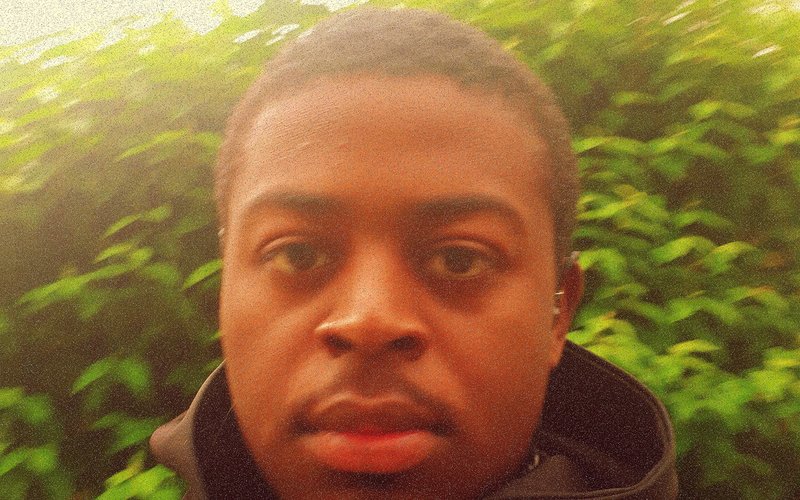
Upon doing research for this review, I noticed that Phoenix-based producer Kareem Ali’s Instagram bio reads “I create music for everything in the universe”. Marry this ethos with Ali’s one-of-a-kind Boiler Room mix, set in the sunset-soaked desert outskirts of Phoenix, and this mission statement tells listeners everything we need to know.
Throughout the past year, Ali has been garnering acclaim from artists and publications across music, with Resident Advisor claiming that Ali “might be the house artist on the pandemic era”. With 100+ tracks under his belt in the past year, this take couldn’t be overstated. After several years of working in the shadows, Ali has collected co-signs from some of the most current voices in the electronic music landscape, landing himself a spot on AceMo and MoMa Ready’s “HOA012” compilation along last year with the likes of Loraine James and the aforementioned NYC-based duo, AceMoMa. What stumps my brain about RA’s claim is the innate connection Ali’s music to the earth itself and the world that surrounds us. How can 2020, a time characterized by the time we spent indoors, be reflected on through somebody who’s vision lies outside?
Ali’s most recent EP, Getting Through, provides us with insight regarding how this could be possible. The project opens with “Como Me Siento Por Ti (Instrumental Version)”: a track primed to join Luomo on any Crying in the Club playlist. Ali starts the track off with repeating synth chords, held down by piano notes that lead these arpeggios, swelling until percussion kicks down the door. A faint vocal loop musters out “I feel so alone” as the track’s calculated pace chugs along. The vocal loop feels confessional; as if the person’s best friend pulled them off the dancefloor to ask, “What’s wrong?”
The next track, “Pushing Through”, puts Ali’s versatility front and center. Ali stews in feelings of isolation; turning 90 degrees away from house towards trip-hop. Muted vocals and drums reminiscent of Geoff Barrow’s work are not intent on pulling us out of the emotional slump quite yet. And before we know it, Illangelo-like percussions patterns kick off “Dreams of You”, building towards the spiritual confrontation of “Feelings Never Go”. Ali’s hypnagogic vocals repeat the phrase “Outside, inside flawed in love/The feelings always stay, they’ll never, ever go” as arpeggios sugarcoat kicks that fight against the rhythm. The result is remarkable as Ali keeps listeners in their bag while constantly bobbing heads.
Getting Through’s closer, “Euphoria”, proves to be the most uplifting track on the project. Ali channels a techier side of house while keeping the instrumentation distinctly fresh. Synths are the punchiest on the project and the speedy BPM treats those ready to be back in the club. Past the upbeat feeling of “Euphoria”, I find the answer to the question posed earlier. Understanding the connection between others, ourselves, and the earth we walk on lies at the heart of house music; Ali just digests this connection through a spiritual identity. After a year of the inside/outside dichotomy remaining forefront of many people’s minds it becomes obvious why such praise has been thrown Ali’s way.

REVIEW: DoFlame’s “Bat House”
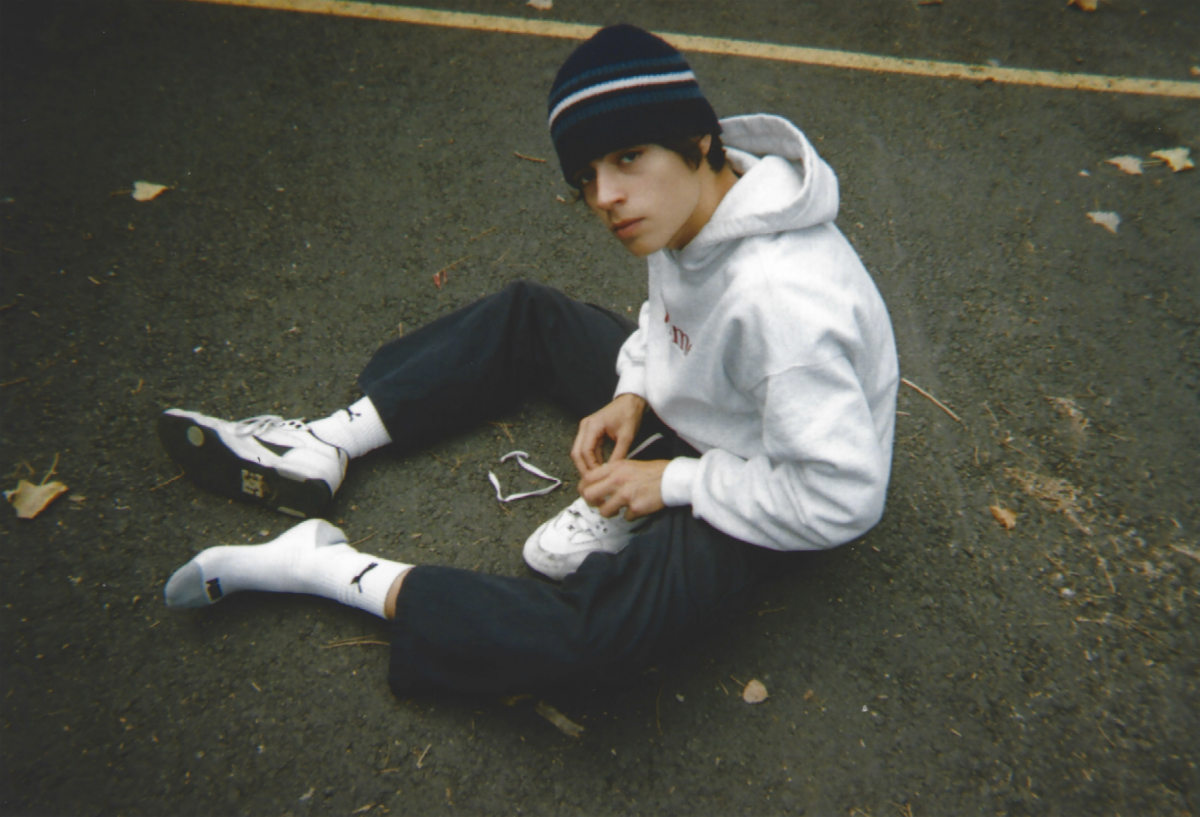
18-year-old DoFlame made his debut just a few weeks ago with single “Bat House.” If I could describe this track in a just one sentence, I’d say, “90s nu trash is back, baby.” But, we have the privilege of free speech, so let’s continue.
I can’t say I expected a 2003 baby to make his debut with such a clash with clangs of 90s alt nostalgia, electronic switches on high and etchings of modern rap weaved throughout. “Bat House” perfectly encompasses teenage rage in a way that is so digestible; loud, angry, demanding of your attention, and they want it now. With an equally chaotic music video, this single is out to break some necks.
Upon some primary research, DoFlame, or Mateo Naranjo, and peers are working on collective OFFLEASH Worldwide, site featuring the “Bat House” video with flaming handheld camcorders surrounding the now old-school video player. Still so new, this group’s progression is something to keep an eye on.
DoFlame’s “Bat House” is available to listen on Youtube and Spotify.

REVIEW: Cities Aviv – ‘The Crashing Sound of How It Goes’
I was stuck in a place/I couldn’t get up/what happens next?
How does one begin to grieve growth from one chapter of life to another? Loved ones lost, a regressive sociopolitical landscape, and the impending fears of aging all come crashing down on one to the point of mortal acceptance. Memphis-based writer/rapper/producer Gavin Mays, professionally known as Cities Aviv, opens The Crashing Sound of How It Goes with an answer to this question: “Let’s make the day intentional… Let’s make the day worth something”. Yet seldom do we find an answer to these plaguing thoughts at any point of our lives, let alone at the beginning. Regardless, this mantra of “Let’s make the day intentional” is a starting point.
For the last decade, Mays has been quietly evolving his voice, as fitting ways to express himself become apparent. Listeners are quick to draw comparisons between his output and whatever movement in rap is dictating the current zeitgeist (see any of Pitchfork’s reviews of Mays work or the RateYourMusic comment box for The Crashing Sound…) but fail to acknowledge what strength lies in the freedom Mays wields over creativity. But in part you can’t blame these critics’ shortsightedness; Mays’ sound is impossible to pin down. He constantly switches up his sound from project to project but keeps hip-hop, electronic production, and collage-like arrangement as grounding forces that allow his voice in rap to remain completely singular. The Crashing Sound… is no exception with Mays allowing soul, jazz, and pop loops to articulate where his head is at.
Mays finds himself asking the world to help him bear personal weight on his shoulders; allowing production to build a foundation for questions he struggles to answer. “Near You” features a sample that cries out “I just want to be near you” while Mays asks, “what’s the status of these barriers between you and me?” Fans of ambient and loop music are invited to join with “Face Pressed Against Glass”, where Mays dives headfirst into electronic soundscapes that radiate piercing hope through the other side of his apartment window. The effect is similar to the brazen confidence of “Imma Stay Here”, with Mays unapologetically shouting self-love proclamations from the rooftop. Now don’t get it twisted, these two tracks are diametrically opposed in energy, but reinforce the notion that Mays is the protagonist of this discombobulated narrative. Both tracks warrant smiles from the listener, with varying levels of teeth showing. The smiles are few and far between throughout the track list but keep listeners from tiring over the Mays’ immobility.
If a single word had to sum up what Mays is looking for throughout The Crashing Sound… it would have to be clarity. Recurring themes of peering through holes (keys, crevices, levees breaking) litter tracks as the quest for answers unfolds. Why don’t we talk anymore? What went wrong? Do you realize what I gave up for this? Why is the worth of my life deemed less? Why was he the one to pass? These questions bounce around Mays’ head for the duration of the project until the levee breaks with the realization on “Series of Goodbyes”. Mays lets out a drunken declaration that he will “sculpt a better way to break the mold and operate” while thanking everyone that stayed with him through the process. He finds the crushing volume that uncertainty rings at in our ears is no longer as loud as it once was.
The Crashing Sound of How It Goes is now streaming on Bandcamp and Spotify

REVIEW: Bobby Kid – “Blue/Dissonance”
Who am I, and who are you? Growth. Fear. Changes. The nostalgia of it all. Who are we if I am no longer who I used to be? We desperately cling on to our past in hopes of using it as a band-aid, a short term justification, to heal what we face now. And most of the time, that just isn’t enough.
Hailing out of sleepy Jacksonville, Florida, Bobby Kid has finally come back to wake up out of our 2020 depression slumber. Bobby Kid officially grouped in 2017, and in 2018, they dropped their debut album, Peach, perfectly encapsulating our feelings of childhood, the longing to reconnect with your roots after you’ve gone too far, and first heartbreak. “Blue/Dissonance,” a two-track EP, was released in late March 2021, now available on streaming platforms and for purchase on Bandcamp.
I don’t want to be funny.
I don’t want to be pretty.
I don’t want to be cool.
I just want to be you.
With a whisper, “Blue” subtly demands your attention. “Eat my words, see how they taste,” singer-songwriter Anna Lester pleads through her lyrics. She questions the perception of ourselves made by others, the impact that their supposed-innocuous presence has on our self worth. We can ask ourselves a thousand times on how to become the person that everyone expects us to be, and to stay, and never know the answer. And that’s okay. With a crash, the whisper breaks into a harmonious strew of instruments. I’m a lot… I’m a lot. To close, Lester backs away from her contemplating lyrics, accompanied with evocative instrumentals, to let out distressed wails, bringing the song to a close. The final calm after the storm.
But my insides are turning out towards the sun,
And I feel like I must be the only one.
And I’m crying, lord, I’m crying.
The next song on the long awaited EP is titled, “Dissonance.” Dissonance is defined as the clash of two unharmonious elements, often coupled with your mental state as “cognitive dissonance,” where your actions and your thoughts fail to align. This track immortalizes the feeling of floating through daily life yet failing to recognize the improvements we make in our lives. Recognizing we are worthy is the biggest accomplishment, and we consistently strive hard to achieve it. There’s a lot to love about this track: the soft harmonious vocals, the twinkly, sway-worthy drum work, and the rhythmic guitars. This is definitely one of those tracks where it makes you float around the solo cup-ridden kitchen one moment but have you crying in the house show’s bathroom the next.
Fans of Julien Baker, Phoebe Bridgers and Lunar Vacation can find comfort in Bobby Kid’s words and melodies as we navigate the confusing phenomena understanding who we truly are, imposter syndrome aside. Breaking your heart and mending it all at once is something Bobby Kid has always done right, and we are excited to see what comes of this quick impression of tasty tunes.
Fleet Foxes – ‘First Collection 2006-2009’
Nostalgia is a powerful feeling, providing respite from the present day. Music continues to find ways to replicate former fond feelings: a day at the beach, a sunset with friends after a long hike, or a cozy evening in the mountains. If there is a specific minutiae-filled time and place that one longs for, it’s likely able to be reached through music made in the past 10 years.
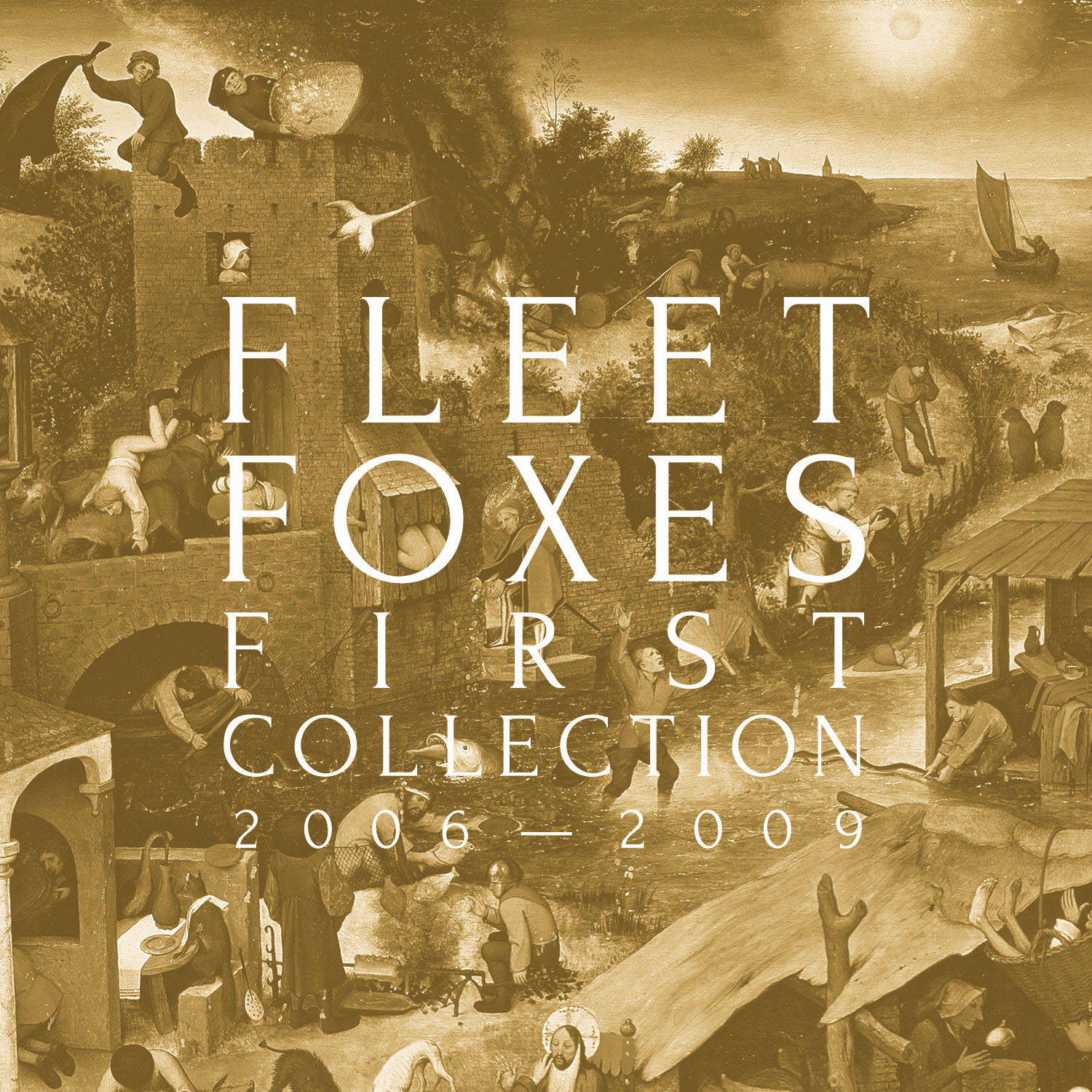
Fleet Foxes’ First Collection 2006-2009 chronicles a band that grasped that sense of nostalgic aesthetic and interweaved new sounds to push a solid vision forward. Chronologically, every release feels like hitting the bullseye of a high and clearly marked target, every record higher than the last. Nothing ever feels like a rehashing of yesteryear’s folk, but rather a creation of new space comprised of traditional balladry, sun-filled west coast pop, and country crooning.
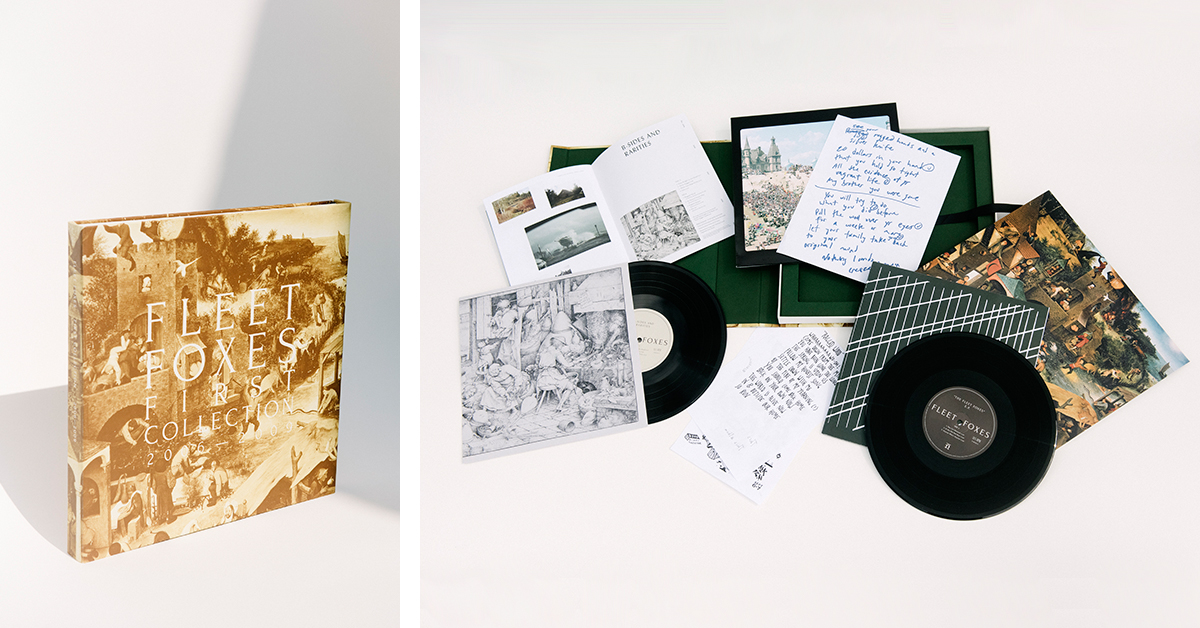
The collection is comprised of four releases: their self titled debut LP (2008), the critcally-acclaimed Sun Giant EP (2006), the self-released The Fleet Foxes EP (2006), and an unreleased B-Sides and Rarities, all of which are seeing vinyl pressing. Accompanying the albums is a 32-page booklet showcasing artwork, photos, tour posters and the like from the time period. Combined, they are a document of a group spanning the sounds of time with clear direction.
The Fleet Foxes EP is a golden-toned bill of AM country influenced tracks that billow and unfurl like the opening of a brass horn. The reliance on guitar chord work and choral breakdowns is as fast paced as the band has ever been, but it still takes its time. “In the Hot Hot Rays” flirts with early R&B in both vocals and guitar work. To those who haven’t heard this release, this is Robin Pecknold with an outward swagger and strut. The closer, “Icicle Tusk,” is the biggest indicator of where the band would head from this EP: a reserved confidence in filling a room with less.
The band made it clear that the Sun Giant EP was simply something to be sold at the merch table of the shows and to not see it as a true indicator of what the band wanted to achieve. If we take them at their word on that, we can instead view the release as a marker on the map up a high mountain. Suddenly, this grasp on nostalgic tones was being pushed into vast soundscapes that seemed to sprawl over terrain. In particular, “English House,” peppered with vocal harmonies to the instrumentation, rolls like a fast morning fog and settles like dew on the ground. Something so big, yet delicate when hitting the ears.
The self-titled LP met high hopes, showcasing the band’s versatility and awareness in executing several genres well. The songs seem to take up even more space than anything they had previously released, but with such a focused assurance. Tracks such as “Ragged Wood” and “He Doesn’t Know Why” seemed to melodically span generations. Perhaps their most famous track to date, “White Winter Hymnal,” plays with traditional folk song language and circular storytelling, creating a short, timeless masterpiece.
The B-Sides and Rarities album, when listened to after the rest, can be seen as a deconstruction of what built such solid focus. Pecknold’s take on the traditional ballad, “Silver Dagger” whisfully slides in, both assured and filling. The basement demos demonstrate that their song ideas were by long-term design, whether they resemble their recorded versions (“English House”) or bare little semblance at all (“He Doesn’t Know Why”). The photos in the accompanying booklet are nice, but the rarities collection is much more of a time capsule into this band’s history.
In the years following the time span that this collection records, their focus branched out even further, digging deeper into the roots of taking traditional songwriting sounds and pushing them into modern soundscapes, both in grandeur (2011’s Helplessness Blues) and mystery (2017’s Crack-Up), but these initial releases were a swell of prowess and thoughtful tellings of songs that spanned time. Fleet Foxes write songs that you can come back to, and no matter how the world changes around you, there’s always space to take; sometimes, that space can be as big as the horizon.
9.3/10.0
BRONCHO: ‘Bad Behavior’
When formulating ideas for new music, BRONCHO bandleader Ryan Lindsey could not help but focus on the bad things. While spending a lot of time watching CNN, he says, “…man, there’s a lot of bad behavior out there. Not to mention, there’s a company making money off of people watching their depiction of it all.” Shortly after this, the Tulsa-based five piece examined scandalous topics and how they relate to themselves, and perhaps how they affect the world around them.
Drugs, sex, overindulgence, and other vices: one could argue that this is the perfect framework for BRONCHO’s most broad and murky release to date. Instead, thanks in part to a recording process allowing them to work at their own pace, we are offered a well-constructed, uncomplicated record of pop tracks. Bad Behavior is BRONCHO at all of their bests, combining intelligent and swift songwriting with broad, yet thoughtful musings on a sinful society.
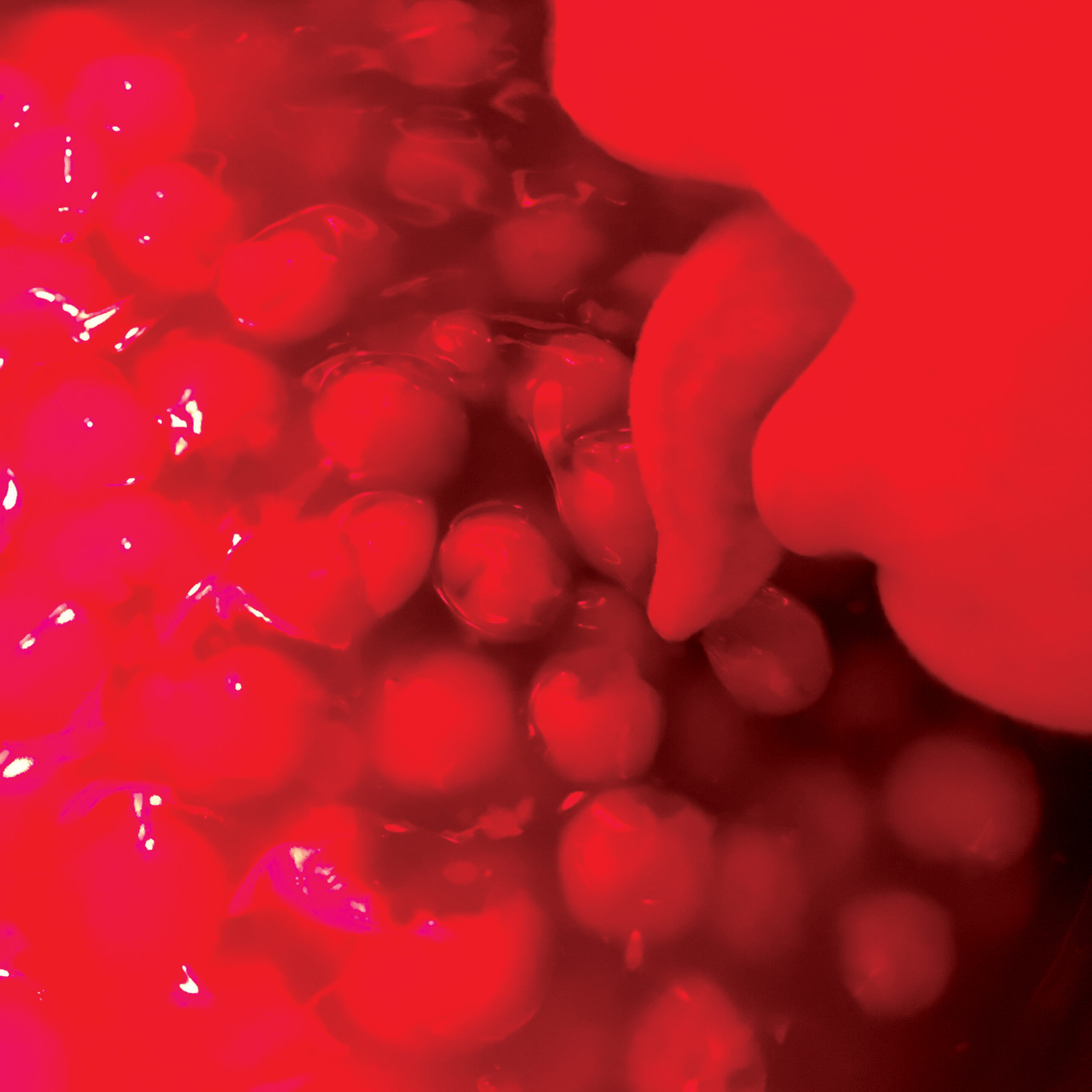
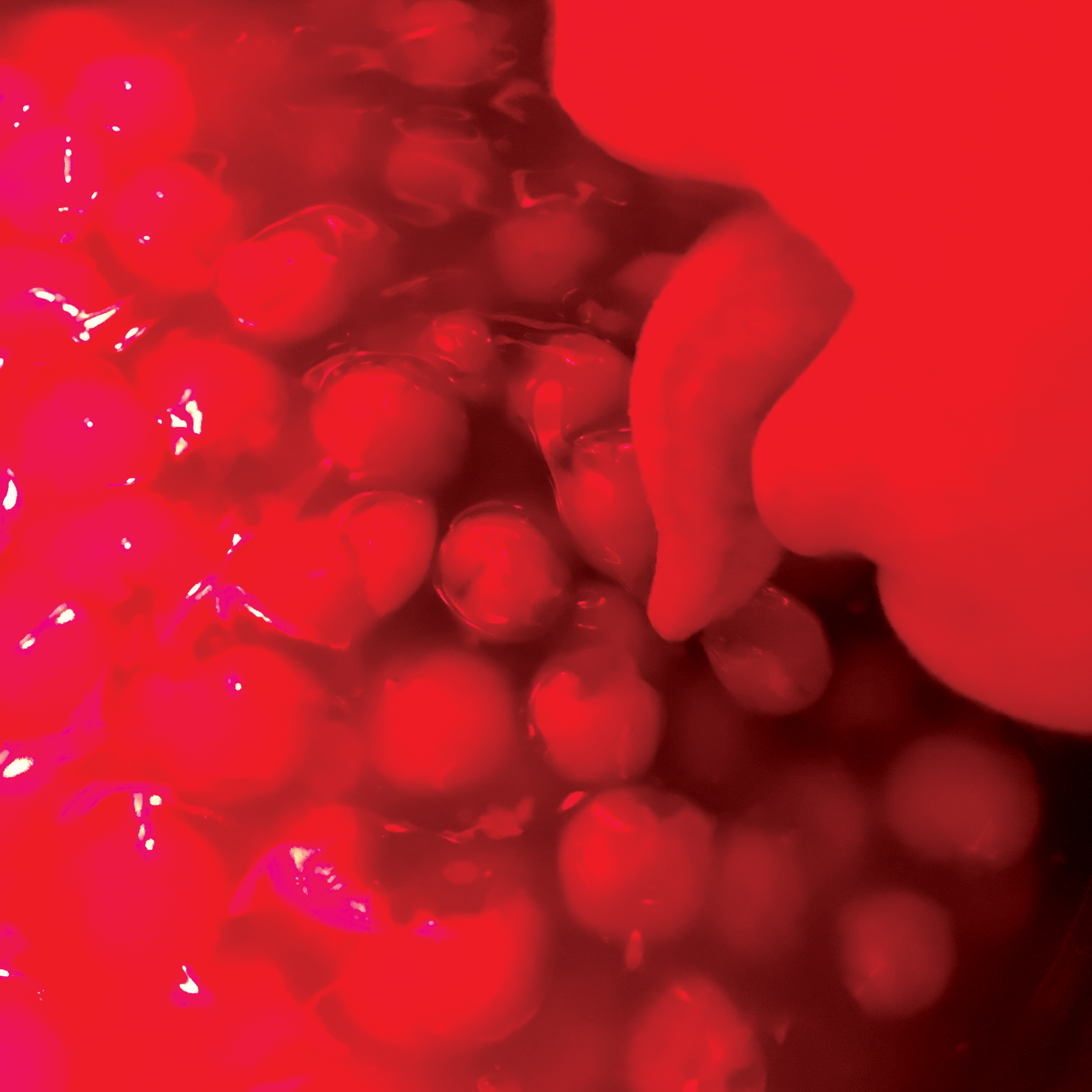
Bad Behavior has a musical center, but what makes the the album so impressive is their ability to loop out into other sounds before returning to ground. “All Choked Up,” the album’s opener, relies entirely on the beat in both its vocal and instrumental cadence. The result is a faded, libidinous march reminiscent of Tobacco. It’s the perfect track to match with the album’s not-subtle artwork of red cherries and extended tongues.
The tracks that follow keep this confrontational theme with pulled back instrumentation, leaving plenty of room to ponder in the space. This doesn’t break until “Keep It in Line,” the most single-worthy song, playing with the delayed, peppy beat iconic through much of the beach pop of the past decade. Lyrically, this is some of their most impressive work to date, where Lindsey addresses “bad behavior” in himself, expressing a disappointment in his own actions. The lines are the most memorable of the album and serves as a sugary bridge into the album’s second half.
“Keep It in Line” is even more impressive when coupled with its following track, “Sandman.” Scaling it back, BRONCHO returns with the same walking beat as the album’s beginning, but this time with much more of a confident swagger. Fleshing itself out with hard-plucked guitar, this is a track with a mission: a return to pleasure, even if it comes at the cost of a return to the uncouth. “Sandman” leans harder on past classical pop influences than much of the rest of the album, and the less-is-more approach pays off with a real earworm.
Things get more scandalous in the second half, especially the debaucherous confession of “Family Values.” The songwriting of the last tracks take on a power pop strut a la the Cars, while digging deeper into lyrics of embracing material vice and desire. The closer, “Easy Way Out,” reprises a swagger-filled strut and doesn’t stray too far from its rhythm. Lyrically, it serves as a reminder that even if these themes are tough to come to terms with, you can always take the safe route of embracing the coarseness of society.
For an album to address vice with such a broad stroke, Lindsey states that Bad Behavior is meant to be a tabula rasa of degeneracy, merely reporting back to listeners at the current state on the carnal. “We’re assuming that everyone is coming from a certain set of values, but ultimately that’s impossible.” Without assumption of a moral compass, BRONCHO are free to approach subject matter with honesty and blunt language.
What makes Bad Behavior so notable in the context of BRONCHO’s discography is the simplicity of the songwriting while letting go of the leash on the subject matter. Focusing on this theme would be quite an easy tableau to run off the rails. Instead, BRONCHO bring to light the wanton while also setting up a sound framework to start a conversation on the vice that surrounds our day to day.
7.8/10

REVIEW: Lala Lala – ‘The Lamb’

Lillie West has described her recent past as one of “general violence.” In the midst of writing her follow-up to 2016’s delicate Sleepyhead, West’s inner circle faced home invasions, assault, and death, leaving her running inward, dreading the world outside. Through fear and personal deconstruction, West’s latest album as Lala Lala makes big realizations around strong, unpredictable melodies that always return to the center. The Lamb—out today on Hardly Art Records—is a massive leap forward in songwriting from the Chicago-based artist: a multi-genre exploration of looking inward to project outward.
The Lamb opens with the lead-off single, “Destroyer” – a sitrep of distrust. The most garage-friendly offering of the album, we’re met with a walking beat fleshed out by aggressive strums. West offers up a fear of continued self-destruction alongside a realization that her mistakes were ones that she could have saved herself from.
“Destroyer” would be the perfect opener to a bedroom garage record; West decisively forgoes this in favor of focused exploration. “Spy,” a playful, crunchy ridicule of introspection, is a drum-machine skip teetering on the edge of pop-punk. “Water Over Sex,” a reflection over sobriety, is a true gem, combining choral yawns with surf-toned guitar. West examines the guilt that comes with fun and loss of control, and in the process creates one of her best tracks to date.
This pronounced, echoed motif continues near the album’s median with “Dove”, a reverberating song dealing with what West calls “very plainly about the death of someone I loved a lot and the guilt I had, and still have, afterwards.” The melody lies almost solely with the vocals, as if reaching you in a hallway from being bounced off the surface of the bathroom floor. A vulnerable realization, the song needs very little to take up a large amount of room. This space is given up at the track’s abrupt conclusion, as if the thought leaves one too vulnerable to continue entertaining.
West ventures further with her songwriting chops in the jangle-pop swing of “The Flu.” Bright melodies are the spoonful of sugar to a story of focused self-destruction to the point of hurting others. The contrast is a perfect balance of grime and sheen. This proves an exquisite set up to “Copycat,” a telling of West’s hyper-analyzation in her new sobriety: “Everyone talks this way, everyone looks the same / and maybe one day, I’ll be surprised / with my twin fists and my twin eyes.” There’s a frustration that comes along with expression in a crowd where everyone (including yourself) thinks and reacts the same, and West’s delivery is of pure boredom.
Falling into The Lamb’s second half is a series of impeccably-expressed feelings and new sound tableaus. The album’s shortest track, “Moth,” begins as an aggressive, percussion-less track of dissonance that gives way to dream pop melodies; it’s a treat that lasts just long enough. “When You Die” is a post-punk confessional stemming from the death of a number of close ones in a small amount of time. Much of The Lamb deals with futility, but this is one of the only times when it is met with defiance instead of resentment.
The album’s closer, “See You at Home,” builds off of earlier, airy tones and brings an assurance that cements all of the previous tracks by contrast. The lyrics read like a vulnerable letter left on a countertop by someone stepping out for the first time in a while. The combination of these words with a simple, saxophone-backed melody would have this song easily fit on any Dan Bejar record.
The Lamb is a merciless inspection of one’s values and motivations, and it undoubtedly has not come at a price for West, but this has inspired a record filled with adventurous turns in tone that gel into an authentic, confident snapshot of a woman growing in her dimensions. She has left the house she’s locked herself in without bothering to close the door, and The Lamb is a sonic road map of where she could go next; something entirely up to her.
8.4 / 10.0

Middle Kids are a Force to be Reckoned with on Debut Album “Lost Friends”
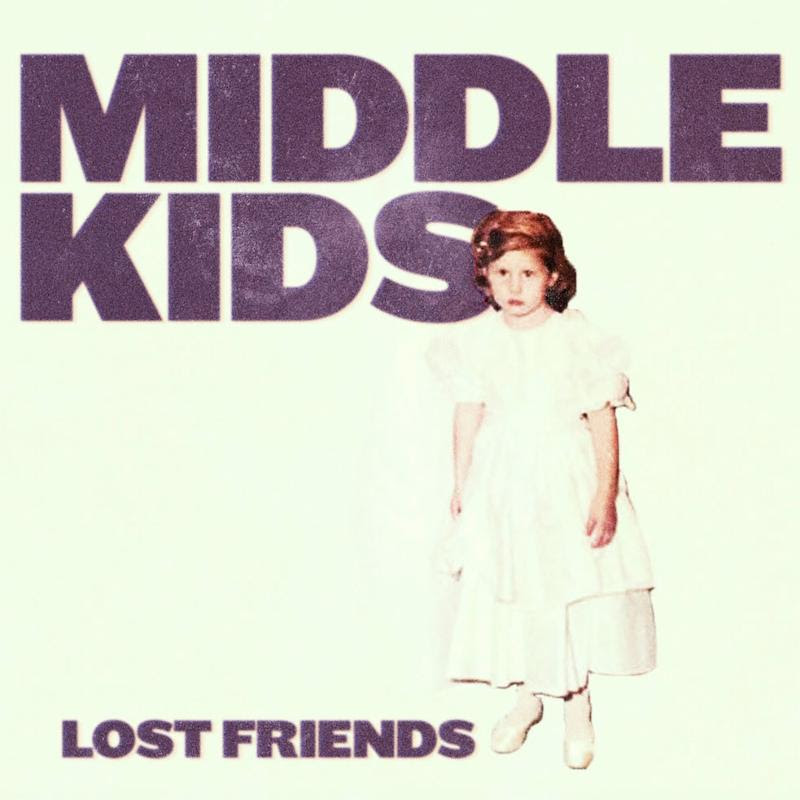
An eclectic combination of confidence, self-doubt, love, and lust ooze from “Lost Friends,” the debut album from Australian trio, Middle Kids. The vocals of singer/guitarist Hannah Joy radiate self-assurance, but the lyrics tell a story of uncertainty and woe. Combined with the powerful instrumentals of Tim Fitz and Harry Day, the fresh-faced band navigates rocky waters throughout 12 tracks, ultimately finding their footing and showing promise as a compelling force in indie rock.
The first two tracks radiate angst and frustration, with the opening track “Bought It” expressing immense, hopeless frustration. The words, “My friend, I need a little help / To fend the darkness at the end” serve as an introspective, foreshadowing nod to the tracks that follow. It marches on with an uptempo, catchy chorus reminiscent of an early aughts alt-pop sound. “Mistake” continues with a similar angst, exploding with sounds that somehow feel pleasantly nostalgic and strangely outdated all at the same time.The lyrics and composition seem like something that would have been written 10 years ago, yet Joy’s vocals thrust it into the contemporary. Despite the too-new-to-be-retro, too-old-to-be-cool feel it gives off upon first listen, it all still lands. The emboldened lyrics are refreshingly relatable, while the powerful, larger-than-life instrumentals are more than impressive coming from a band of three.
The fourth track, “Maryland,” serves as a refreshing break from the chaotic opening three tracks, and the band seems to be settling into their skin at this point in the album. As the tracks build, the album begins to find a new, more mature path that feels more self-assured than the upbeat, mystified jolts of energy found in the opening tracks. Lost Friends continues to build from here, with “On My Knees” expressing lost bewilderment that’s vague enough to be relatable, telling a heartfelt, compelling story of the ever-winding frictions of life and love.
Pieces of the album show great promise for the future of the band, although there are points where the trio’s maturity as a band falters. At parts, the lack of complex emotions exposes weaknesses in the lyrics. “Don’t Be Hiding” feels shallow and uniform in comparison to the labyrinth of emotions and sounds the band is so clearly capable of. But, while the listener is left wanting more off and on throughout the tracks, the complex scope of arrangements shows promise for the future of Middle Kids’ development.
The scatterbrained, diverse organization of the tracks in the album actually become a redeeming quality, conveying vulnerability, empathy, and accessibility. The title track is tear-jerking and exposing, showing a naked fearlessness that so many artists fall short of finding. Overall, the unwavering fortitude in the band’s musical tone, combined with the confessions of hopelessness and confusion found within the lyrics, establish Middle Kids as a force to be reckoned with for many albums to come.
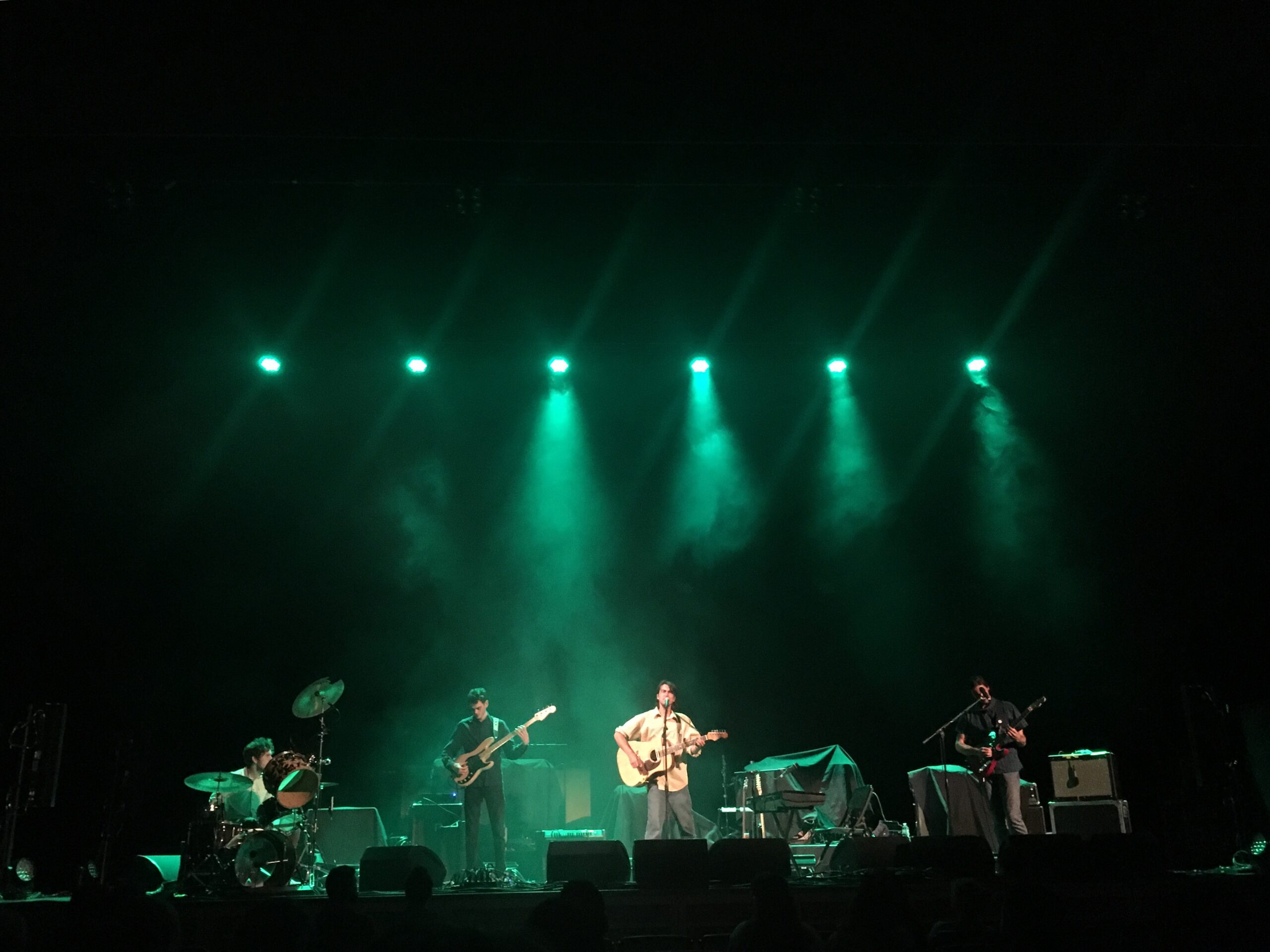
(Sandy) Alex G at Arlene Schnitzer Concert Hall (6/8)
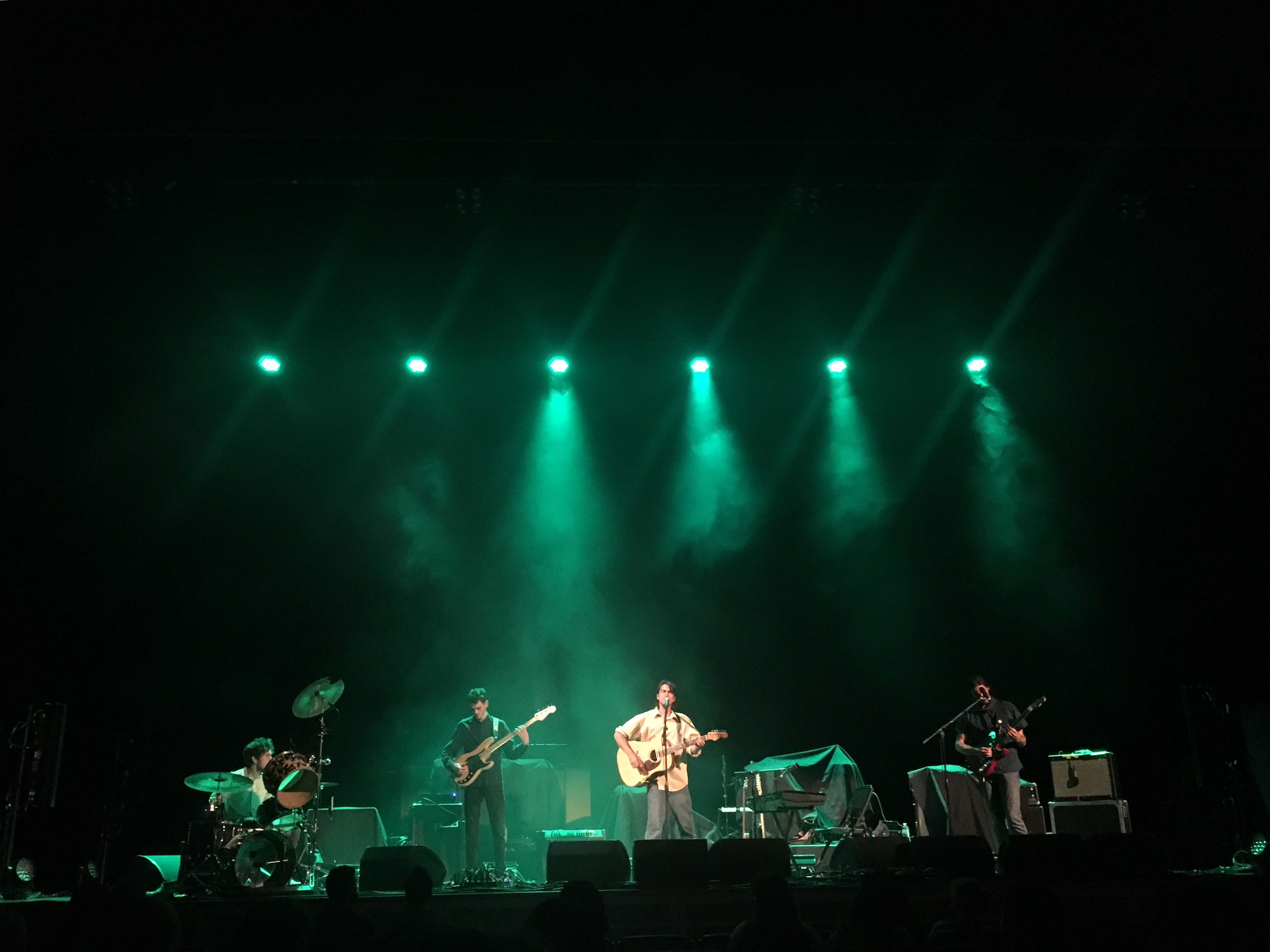
Quiet whispers evaporated into the echoing chambers of the Arlene Schnitzer Concert Hall as a couple hundred early attendees awaited an appearance from Philadelphia bedroom singer-songwriter, Alex Giannascoli (stage name (Sandy) Alex G). Initially gaining a core fan base from a sprawling DIY Bandcamp catalogue, Alex G’s official debut album DSU arrived in 2014 via Orchid Tapes. Following this release, Alex was signed by Domino Recording Company, who produced the fantastic 2015 follow-up Beach Music, as well as last year’s critical success, Rocket. Slated as tour opener for highly revered “touring band” Dr. Dog, Alex and his band were likely read as the underdog by a collective of bros and dads alike who were awaiting the inevitable arrival of Dr. Dog’s iconic Architecture in Helsinki cover.
This was a change of both scenery and scale for Giannascoli and co., whose last PDX appearance was at inner Eastside bar and venue, Holocene (326 Capacity), which is dwarfed in comparison to the Schnitz (2,776 cap.) In a comical and bewildering fashion, the band proudly marched their way onto stage to Tom Cochrane’s heartland rock ballad, “Life is a Highway.” “You guys like that song? I hate that song,” Alex teased while asserting the notion that they were there to pull the rug from underneath any stern or composed undertones of the formal concert hall.
Draped in deflated jeans and an assortment of half-buttoned patterned shirts, Giannascoli and his crew assembled themselves on stage in what resembled a triumphant talent show debut from a high school rock band (an image that doesn’t quite match with the complexity and maturity of his divergent sound). The band initiated the set with tranquil and reflective number “Remember,” the opening track of 2010 online contribution, Race. “Remember” unveils Alex’s longing for isolation, as he sang it live through gritted teeth with a stronger sense of urgency than is heard on the recording’s vocals. Without sparing a second between songs, the band jumped right into bouncy folk tune, “Proud,” followed by charming aural builder, “People.”
Thus far, the set seemed tailored to feature Alex’s more approachable material for show-goers who likely had not been exposed to his craft before this evening. Standing at the foot of the stage, Alex appeared routinely distracted by the traffic of patrons being led by staff to their appropriate section in the seated venue; frequently shifting his gaze to the far-too-bright flashlights illuminating all too frequently. Cruising at the same pace of previous tracks, the band rolled into a stripped rendition of laid-back surprise hit, “Bobby,” which was met with delight from the budding audience that had begun to permeate the concert hall. In a genuine and humbled gesture, Alex thanked the audience for cheering so much, still showing signs of wonder at the following he has accumulated. This tender moment was immediately followed with beautifully sarcastic one-liner: “alright, this next song is an original.” The boy knows balance.
Just as the audience had begun to feel settled by the comfortable folk-jams, the show abruptly pivoted, coming unhinged with distorted guitars and distant melodies; calling back to early inspirations from indie rock pioneers Built to Spill, Elliott Smith and Guided by Voices, respectfully. The band soared through heavy hitters “Serpent Is Lord,” “Bug,” and “Kicker;” each building atop the last in intensity. Dueling guitar bridges and bends were met with equally powerful percussion from a drum kit that appeared as if it had endured this sort of ritualistic beating on more than one occasion. Taking momentary solace, the band offered a taste of Alex’s masterful composition skills, utilizing the neglected keys on stage for Beach Music’s “Thorns,” where moody tonal shifts are met with upbeat scale climbs.
A prolonged absence in sound lingered as the band prepared for the next song. The uncomfortable silence was unexpectedly interrupted as Alex ferociously screamed, “Silence!” at full lung capacity, reminding us yet again to always remain on our toes in his presence. Offering no further context for the outburst, the band jumped into “Poison Root,” a complex track that had difficulty taking shape in a live setting, overcompensating for absent sounds in the wrong instruments, which ultimately drowned the song entirely. Bright burning stage lights illuminated the Schnitzer, revealing an almost packed house by this point in the show. The multi-instrumentalist then strutted to the keyboard as audible compliments of “sexiness” were shouted from the crowd, acknowledged by the singer who then went on to introduce his “sexy” band.
Latecomers and first-timers unfamiliar with the diverse soundscape of (Sandy) Alex G were subsequently exposed to radically experimental tracks “Brick” and “Horse” off of the 2017 album. The band didn’t hold back in the slightest in the building intensity—especially Alex, who cradled the keyboard and hovered over it, alternating from abrasive screams to menacing whines atop the chaotic swell of sound. In keeping with the tracklist of Rocket, the band smoothly transitioned into melodic pop number “Sportstar,” a successful antidote to the frantic environment they had previously worked so hard to build up. The band wrapped up their set with Rocket’s album closer “Guilty;” a peppy jazz ballad that allowed the band to spontaneously improvise, answering guitar licks with dancing keys, and vice versa.
The group seemingly appeared to have forgotten that the audience was even present as they laughed on stage with one another, while Alex nonsensically slapped at the keyboard, exemplifying that even amidst their rising fame, they’re still just a group of dorky jazz-band buds. Once the extended jam had concluded, Alex chugged the remainder of his drink and issued a simple “thanks” before exiting the stage to a deafening applause, ensuring that (Sandy) Alex G’s momentum is only just beginning.