
Category: All Interviews
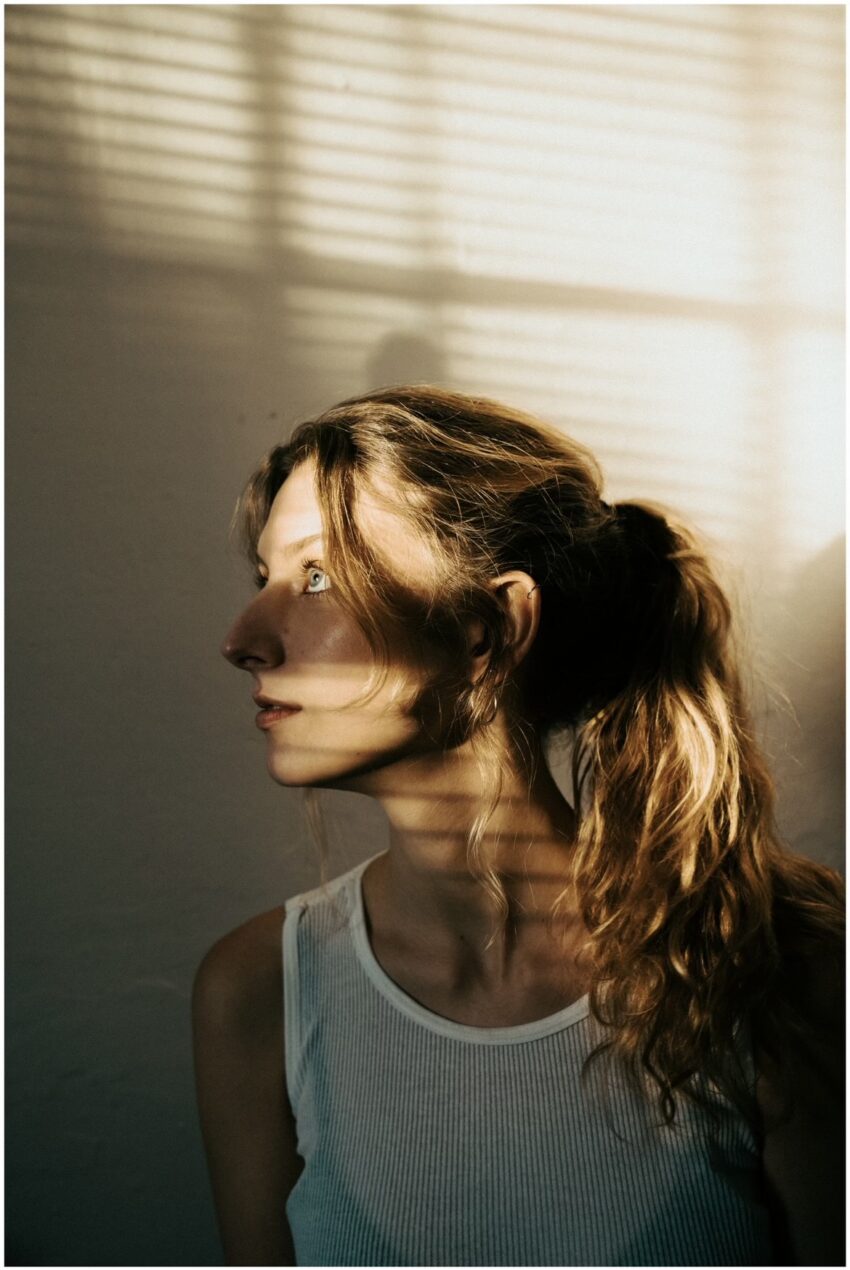
Meet Bea Porges: Athens’ Jazzy Indie-Pop It-Girl
Indie-pop music has been an Athens staple among its many local bands, but one artist in particular has created her own twist on the genre. Bea Porges has been slowly building a reputation around the city since her transfer from Belmont to the University of Georgia.
As women who dedicate themselves to a good tequila drink, we walked into a nearly empty Normal Bar and each ordered Chupacabra while chatting it up.
Porges exudes an effortless cool girl energy with resilience and passion. Not only is she a Capricorn with an affinity for crying to sad songs in her car, but she also has had quite the journey writing and playing her own songs.
“I’ve always just been really connected to music even when I was little,” said Porges. “Sad songs would play in the car on the radio and I would start crying.”
Her path in music can be traced all the way back to age seven or eight when she went to a friend’s house. This friend pulled out a guitar and proceeded to teach her four chords. It was these four chords that jump-started her career. As soon as she went home, she asked her mom if she could play that old guitar that had been collecting dust in the basement.
From that moment on, Porges dedicated herself to music, teaching herself everything she currently knows from YouTube videos and raw experimentation.
“I’ve been songwriting for over a decade now,” said Porges. “Little angsty love songs about my little sixth-grade boyfriend.”
After playing guitar, she tried her hand at drums when she joined the band in elementary school. This evolved into a love of musical theater in high school, a perfect mixture of all of her creative talents.
Porges decided to attend Belmont in Nashville, where she hoped to really make something out of her accumulated abilities. Here, she realized the Nashville scene was over-saturated with cliquey musicians who all pursued the same sound. This realization was paired with an end to a nasty relationship. The result took much of the joy out of writing and creating music.
Much like Uma Thurman in Kill Bill 2, Porges fled to the mysterious land of Montana during the grips of the COVID-19 pandemic to reflect and write. Getting back to her roots, she wrote her now first song on the EP, “Bliss”.
“I can’t remember anything I was particularly thinking at the time and then a few months down the line I looked back at my life and was like ‘Oh this really fits this situation in my life,’” said Porges.
The song explores the nature of her breakup and centering herself after what all creatives experience: an existential crisis. This was the beginning of her debut EP, Space & Time. One day, right as the vaccines for COVID-19 were being rolled out in May of 2021, an Atlanta-based band, Calico, asked Porges to open for them in her first public debut at one of their Atlanta shows. This was her push to really delve into her music career and find her sound.
Porges transferred to UGA where she began performing live shows. Before she knew it, Porges was in the studio recording her original songs with Calico at Racket Records. Her song, “All Day Long” came out as a single in March 2023 and the full EP came out later this year.
“It’s like songs kind of come to me wherever, whenever and however,” said Porges. “I never write a song the same way twice.”
What makes her songs so personable is the life experiences she has been through. Every experience is a lesson, whether it be negative or positive and that is what gives her music its soul. The resulting soft indie-pop and jazz-fueled sound have been inspired by Faye Webster, Madison Cunningham, and Phoebe Bridgers.
“I write songs that maybe aren’t as jazzy that lean more indie pop but I think my voice lends itself to being a more low-fi, jazzy feel,” said Porges. “Even if I’m not making this jazzy indie music, I don’t think that that quality will ever escape my music; I think it will always stick with me.”
Since she has cemented herself into the Athens music scene, Porges has surrounded herself with some of the few women who also have made names for themselves such as Hotel Fiction and Sam Smith of Recess Party. In a city filled with mostly male musicians, the talent of these women in music cannot be overstated or overlooked. Porges emphasized how important it has been for women to support each other in this realm, far from the cliques of Belmont.
As far as her up-and-coming career, Athens can only expect her unique, witty, and dare I say, charming sound to spread in the coming years and even months. One thing is for sure, there is no end in sight for Bea Porges.
“I haven’t gotten everything I could get out of [Athens],” said Porges. “There’s still more here for me I think.”
The Asymptomatics Celebrate New Single ‘Two Possibilities’ With A Live Performance at Flicker Theatre and Bar
Athens has been home to critically acclaimed bands throughout the decades, marking the Classic City as not only home to the University of Georgia and its students but also a booming hub for artists and musicians alike. One such band is the funky, weird but strangely groovy The Asymptomatics.
The Asymptomatics, or “the Asymps” as they are often called, is a band of nine members who have made “chaotic” the name of the game. Since its formation in 2019, the band has garnered a name for itself within the music community of Athens. After the release of three singles, they have now added one more to their list of original music. To celebrate the release of their brand new single, “Two Possibilities”, the Asymptomatics recruited a list of prominent local Athens bands to play at Flicker Theatre and Bar for a night of unforgiving energy and sound.
Walking into Flicker is always a surreal experience, particularly on the evening of a gig. From the outside, bypassers can hear the beat of the featured band while they smoke a cigarette and drink a beer. Walking through the red curtains that lead to the venue portion of the establishment, stationed in the room next to the bar, I could see a sea of people bobbing their heads to the band, Neat Freak, which was followed by Late Notice and finally, Bog Bod. The celebrated feature of the night, The Asymps, performed last. Between bands, members handed out flyers with the single’s cover art designed by Hollis Midriff and they discussed their excitement to play their cleanest-sounding single live for the first time.
The band’s set began as most of its sets do, with the lead singer Max Mahieu relentlessly jumping around the stage with the band, maintaining an aura of chaos that has defined the group’s career, particularly in the past year.
The single itself possesses an eccentric guitar-solo build-up in the outro. Though their MO is full-fledged passion, this song was a pleasant departure as it boasted a more meaningful and slower vibe. “Two Possibilities” explores that little gray area in life by rejecting the idea of black-and-white decisions and outcomes. A simple song to describe how intensely unsimple this life can be, especially when young, as the band members are.
“A lot of times it seems like there’s two possibilities but, you know, in reality, things are a lot deeper than that,” says Mahieu. “It’s not just decisions you make, it’s the decisions of the people around you and the ones you love that affect your life and affect their life.” Mahieu’s family is the inspiration behind the song, which was written by Mahieu and his mom, who is a musician herself.
It’s both happy and sad which is reflected by the musicians as they played with electricity and passion, making the audience feel the underlying irony of “Two Possibilities”. Mastered by Jason NeSmith at Chase Park Transduction, “Two Possibilities” incorporates a classic guitar solo from the lead guitar that amplifies the emotional aspect of the song.
“We wanted to have this big rock section at the end that instrumentally captures the emotion and the vibes of the song that the lyrics start at the beginning,” said Mahieu.
From there, the band immediately transitioned to play their classic, most-noteworthy hit “GTFO! (Gerald the Friendly Orangutan)” which was a lighthearted and silly conclusion to a great show.
Though the chaotic transformation of the Asymptomatics onstage is something that some would deem messy and unorganized, those with an ear for passion would comprehend that this gives the band its personality, hence its rising claim to fame within Athens. A funk outfit of shameless chaos and a force to behold.
“Two Possibilities” is out now on all platforms, with the Asymptomatic’s first full album slated for spring.
Artists to Watch: Wakai
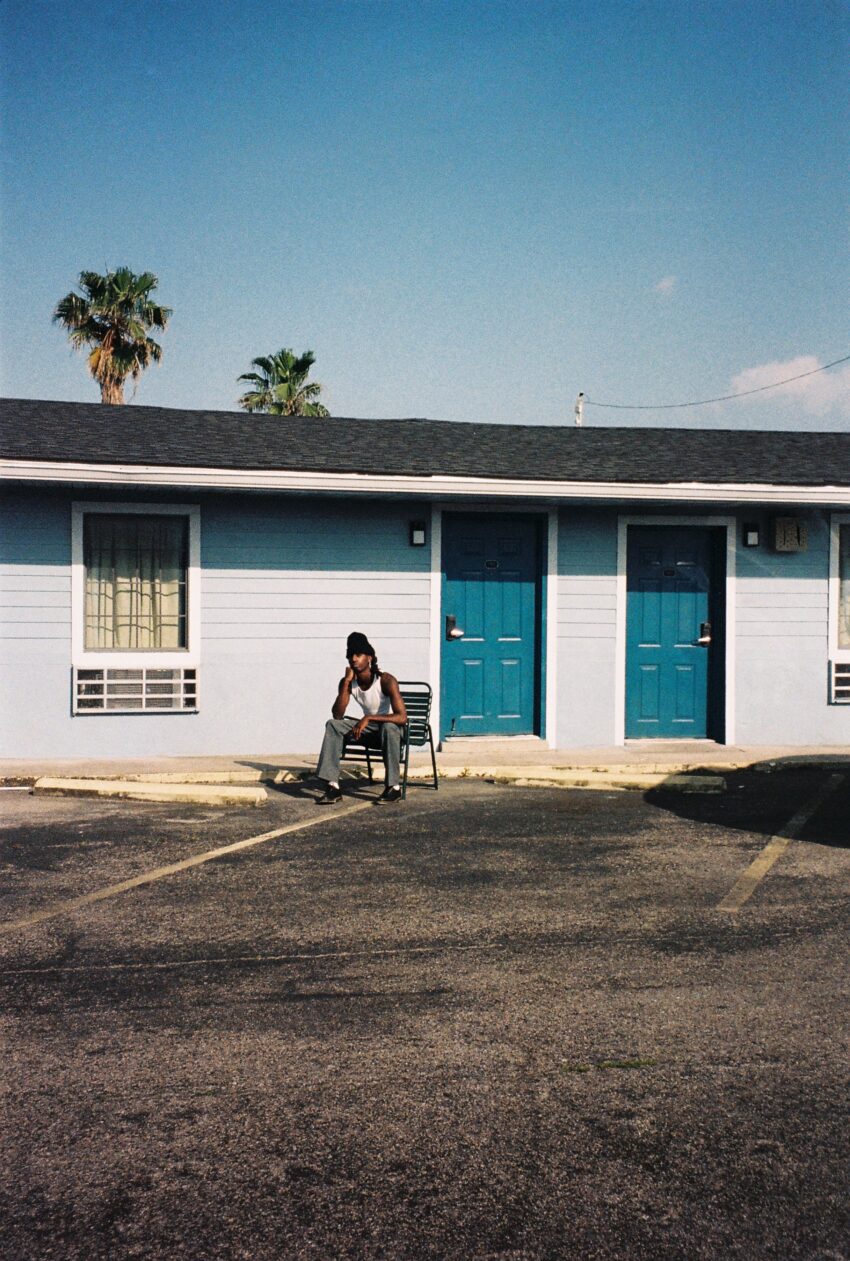
While scrolling on TikTok in the spring of 2022, I stumbled across the song “Silhouette” by Wakai (feat. MARCO PLUS), which I immediately saved. The witty lyricsism and dynamic flows over smooth, dreamy production inspired me to listen to his album, To a Dark Boy, in its entirety. Wakai’s music is vibrant yet subdued, and listening to him challenges me to look within. In pursuit of more insight on an artist I enjoy so much, Wakai and I had a conversation to discuss his journey and relationship with music.
VM: Can you tell us about yourself? How did you start playing and performing music? Why did you decide to pursue music?
W: I’m Wakai, a visual storyteller from Baton Rouge, Louisiana.
I received a drum set when I was three years old due to me always doing rhythmic things around the house to the point my parents had to supply me something to harness to my craft. My father introduced me to one of his close friends who happened to be a rapper around the time I was ten and he allowed me to do my first shows at a young age, as well as bringing me to the studio which I am forever grateful for. There’s probably footage of those shows somewhere.
I felt the need of pursuing music as a real calling from within. I noticed a lot of my classmates from highschool and even some I met while I was briefly in college found themselves at a crossroads at what their real purpose was. For me even if I had no notoriety or appeal I would make music for the essence of healing and the power it gives me when I channel the thoughts of my ancestors and the stories I’ve suppressed throughout my life, music allows me to cleanse.
Are there any artistic influences and/or contemporaries that you’d like to highlight? Any local acts from Baton Rouge/Louisiana?
Being from the south the first two people to really have a significant impact on me were my childhood years of hearing André 3000 from Outkast and me never forgetting the car ride freshman year when a friend played “Modest” by Isaiah Rashad. It forever changed my life. Of course I can recall where I was the first time I heard “Sherane [a.k.a. Master Splinter’s Daughter]” by Kendrick Lamar, but those two men specifically taught me how to embrace my cadence being from the south and adding the melodic element to it. Nothing is wrong making music that is conversational, and for them I am thankful. My creative hub in Baton Rouge blossomed the most from my collective Col-Der-Sac consisting of members: Ronday, Douno, JoshSimmons, V!lla, and OshaBlueye. Those guys formed a brotherhood within our friendship to lean on each other throughout our creative endeavors. No idea was too big and no thought was too small with those guys. All of them are extremely talented.
What does your creative process look like? Is writing songs something that grounds you?
I tend to love making music in solitude if i’m tracking vocals down at my house, but I really love having jam sessions with different musicians and finding a groove within that and creating a song from it. My new album is an extension of creations I always wanted to externalize but never knew how to get the sonic backdrop to fully encapsulate it. Music will forever ground you, especially when you have the opportunity of aligning with other souls who may be experiencing the same problems you run across but don’t know how to vocalize the fear or frustration of it.
You’ve said previously that you named your album “To A Dark Boy” because you are a light regardless of how others perceive you. Can you speak more to that?
When you look up Webster’s term for the word ‘Dark’ you see ‘a place or time with little or no light’. That definition struck me as a recurring theme in my life. Not only having a darker complexion but also the amount of rain that happens in my state leaves some seasons visually dark. The word is inescapable. But empowerment came from this to me, I learned the light within myself could carry me through any darkness around me. I personally find a layer of trauma and angst within Louisiana due to the covert and overt racism that bubbles in it. My great grandfathers would have to walk with their head down if someone of white complexion walked on the sidewalk. Hearing these stories sparked a pride in not only my blackness and the freedoms they weren’t able to have, but my eternal gratitude to be every dream they could not achieve, and every hope they once yearned for.
You were on the Texas leg of MAVI’s most recent tour, and his album “Let the Sun Talk” is thematically similar to yours. Do you find yourself being directly influenced by other artists when making music or do you see connections to others after you’re done making a song/project?
I find that my peers are more so friends to me creatively. And being that MAVI is from Charlotte I assume we grew up listening to the same artists our parents played. The connections are inseparable due to the collective consciousness people from the south tend to inherit from each other. I personally draw more inspiration from the artists my parents played when they were my age, than my peers. I do love the music that is coming out from my era though, especially now. I just feel my albums are more so visual storylines that began through my personal upbringing, and not the upbringing of my musical peers.
Do you have specific goals you’d like to reach before the end of the year, whether that be concerning song output, fanbase growth, performances, or something else?
All the above honestly, but at the center of my hopes I want to become a better man. Once I become that I can be the truest form of an artist I can be. I have some shows planned that I’m excited for, and also the planning of my first tour.
Can you tell us anything about upcoming EPs/albums/projects?
I have a new album coming up this summer. It’s my second album and one I’m the most amped about, it took 23 years to make this project and the music reflects that.
What’s your favorite thing about performing?
The look in peoples eyes when you say words that strike a nerve within them. There is no better feeling then being on the same frequency as someone and you become intertwined through the vocal projections.
What song(s) of yours would you recommend a new fan to start off with?
I would say the first 3 songs to hear from me are “Starter Jacket” , “Silhouette” and “Collect Calls”. I think they all show the depth of my style and also sonic components of my life and spiritual journey.
You’ve built an impressive list of collaborators already. Who are some artists, musicians, or producers that you’d like to work with in the near future?
I would love to create with Smino, Erykah Badu, Jordan Ward, and Jean Deaux. And as far as producers Knxwledge, Pharrell, Emil, and Timbaland.
What has been most successful in growing your fanbase? Performances? Social media? Collaborations?
Traveling by far. Nothing beats going across the country and having tangible connections with people that transcend a phone screen.
Check out Wakai‘s most recent single “Frustrated” on all streaming platforms.
Kenny Mason x Vinyl Mag
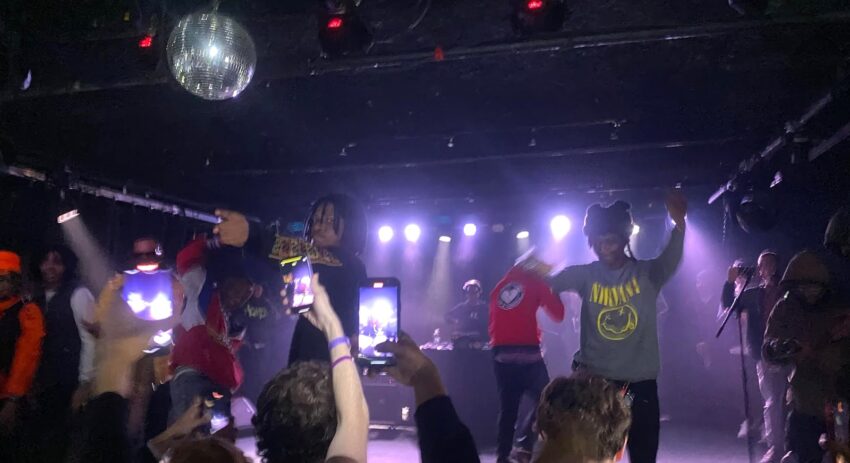
December 17, 2022 was an important day for upcoming Atlanta rapper Kenny Mason (@kennymason). He ended his first solo tour with his first sold-out show in Atlanta on his 28th birthday. These shows happen annually and he has dubbed the occasion “Pup Day,” which I was fortunate enough to witness at Atlanta’s the Loft.
I got in contact with the opener (and brother) of Kenny Mason, Sam Carlito (@carlitosameze), to discover a more meaningful purpose behind Pup Day. Carlito recounted the story of his son, Sameze, who died in a car crash at the age of three on December 17, 2017. Reflecting on the day, Carlito said, “Kenny don’t celebrate his pup day… [but] since that day we celebrate baby Carlito and his life.” On this day, five years ago, Mason lost his nephew, adding to the emotional significance and gravity of the event. Carlito explained to me the importance of familial connections to Mason and their family, stating that “[Mason’s] dad was there… [and] that was cool to see them connect, making [Carlito] wanna go harder.” Carlito attributed the success of his opening act tonight to inspiration from his family, who are always there, supporting him and pushing him to the next level.
Check out Sam Carlito’s new singles “Crazy” and “Hit-A-Rapper” on streaming services and look out for a feature on Kenny Mason’s upcoming ‘Ruffs 2’
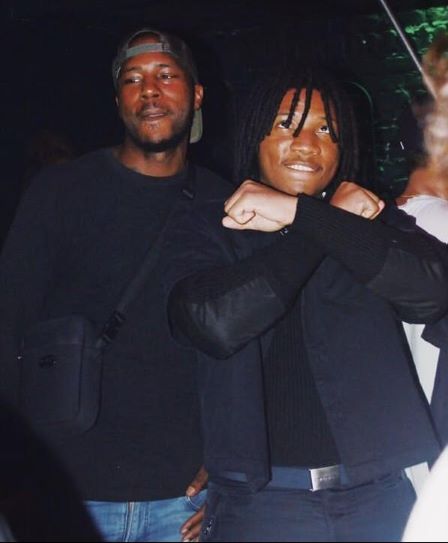
Their passion and cherished relationships were showcased throughout the night culminating in an incredible opening. His openers were an homage to Atlanta’s underground rap scene, almost all of whom had a close background with Mason. It began with an impressive, energetic performance from his brother Carlito, who did not fall short of getting the crowd excited for the special night. He was followed by Mason’s DJ and friend DvDx (@dvdx_) who had a high-spirited performance. He brought out more of Mason’s friends, Vonta Worldwide (@vontarender), the masked MuddyMya (@muddy.mya), and frequent Kenny Mason collaborator, Jelani Imani (@jelaniimani). They were followed by an amazing set from Tony Shhnow (@tonyshhnow), a fairly popular Atlanta rapper, and his manager and DJ, OG Bluetooth (@ogbluetooth). After bringing out associate Northside Mally, he played his hit song “Don’t Look at Numbers” followed by a remix of Steve Lacy’s popular “Bad Habit.” Shhnow had the crowd laughing and dancing with lines like “I wish I knew where to find some weed” and “I got my finger on the trigger it’s a bad habit.”
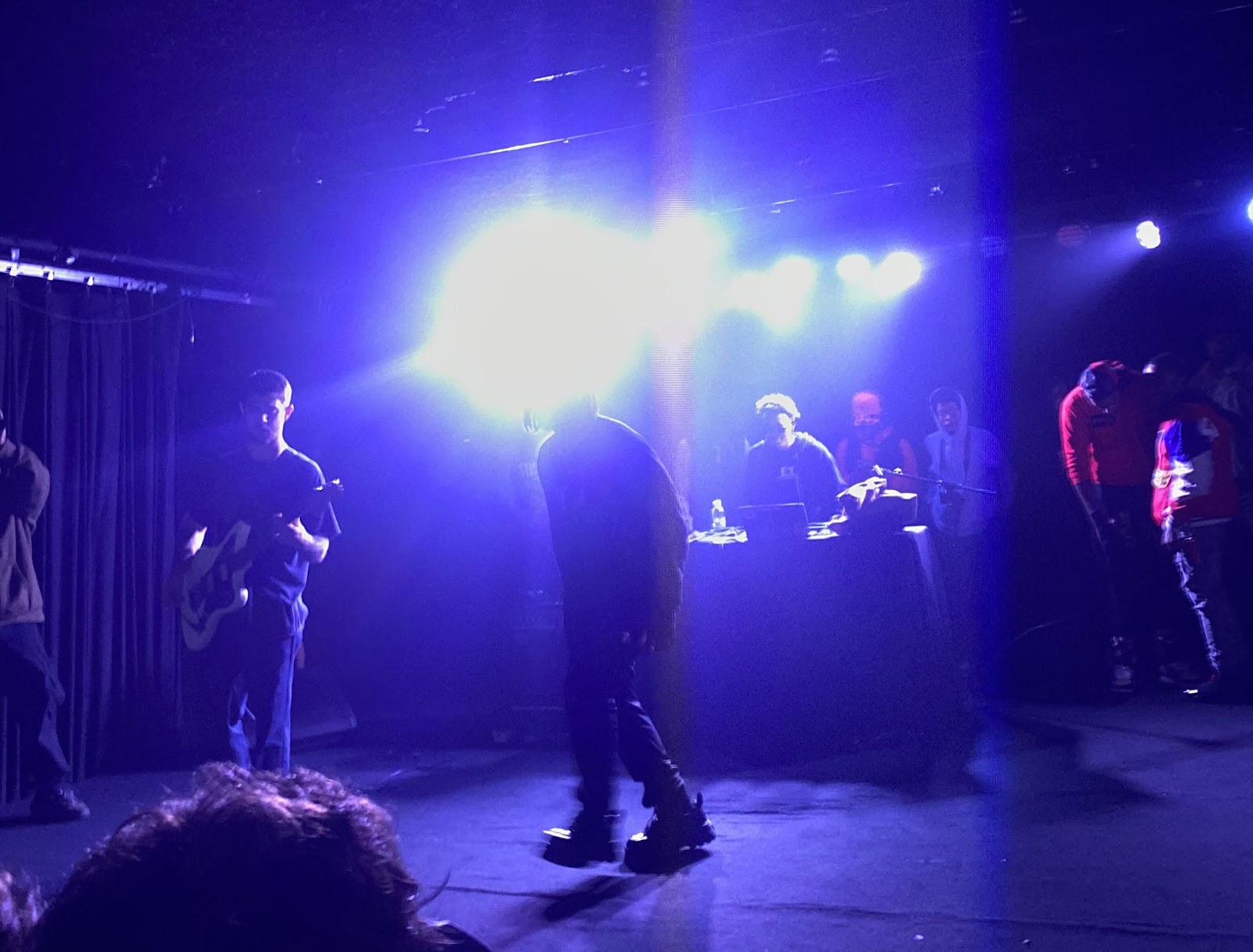
After a fantastic opening, Kenny Mason finally stepped out. He did it all, from rapping complex bars to singing beautifully after, all whilst rocking with the audience with absolute crowd control. Mason takes inspiration from grunge and punk rock music, as can be heard in many of his overdrive guitar laced melodies, which he capitalized on for his tour. Mason included a live guitarist during his tour, adding a more authentic element to the show. I am hopeful that as he continues to grow, Mason will play with a full live band, further emphasizing his rock influences and drawing in a wider audience.

After playing a few throwback hits from his Angelic Hoodrat series, Kenny Mason brought out frequent collaborator and friend DavidTheTragic (@davidthetragic). They performed one of the singles from his PUP PACK EP, the woozy “Dip!”, followed by a solo performance from DavidTheTragic of one of his hit songs, “DRUGZ.” DavidTheTragic and Mason have been working together for years, so seeing them perform together live was a phenomenal experience.
Mason returned after, playing the most popular songs from his newest mixtape, Ruffs, leading to some of the most energetic moments of the show. The rock influence, alongside Mason’s energy, encouraged wild mosh pits. And when a fan fell, needing to get out of the pit, Mason promptly stopped his performance, got them water, and cleared space for their leave before resuming. After the show, I spoke with attendee Mark Toth, who shared “I was blown away by the care Mason has for his fans. Not only did he emphasize everyone’s safety before the show, he actually stopped the show to make sure one fan was alright. Honestly, I don’t know how he isn’t more famous.” With all the outcry for concert safety over the last year, this move had a positive impact on fans, making them feel safe and comfortable.
The show ended with a brief encore, where Mason pledged “Hit”, one of his most popular songs, to the city of Atlanta and its artists. I discussed this with DJ DvDx, who Mason has been working with since high school. He shared “‘Hit,’ in particular, came out during an uprising in the underground Atlanta music scene. Lots of incredible artists, creatives, and tastemakers were starting to unify in a major way and I believe that song, and really everything Kenny did at that time, were key moments in bringing the city together.”
The song and Mason himself have had a major impact on the city, but also are a product of the environment of Atlanta. He has taken inspiration from his surroundings and, in turn, has been able to make an impact with his music.
Check out DvDx’s new singles “Candid” and “Maria” on streaming services as well as his new mixtape with producer Juberlee (@jupiterjube), “Sensory Overload”
Longtime friend, opener, and House 9 cofounder (a music collective they started), Vonta shared, “[Kenny Mason] represents a new wave of artists that Atlanta is birthing. The kinds of artists that look at the same environment Atlanta has always been but with a new perspective. One that looks at the things around him as well as himself as the art. I also think he represents the innovation of Atlanta’s sound musically.”
Check out Vonta’s latest single “Yola” on streaming services and look out for his upcoming EP
This artistic innovation in sound is what sets Mason apart. Industry greats like Denzel Curry, JID, and Freddie Gibbs have recognized this and have given him a platform to further share his art. This popularity allows Mason to uplift Atlanta and his fellow artists, which will eventually serve as a stepping stone for future artists.
It’s apparent, even with his peers, the shift that Mason has brought, pushing artists to think differently about their environment in Atlanta, their inspiration from the city, and their potential for impact on it. I appreciate his emphasis on music as art, which is something I have seen and appreciate a lot from many newer, more underground artists as well. Kenny Mason is truly an incredible artist, a great performer and a perfect encapsulation of the upcoming, talented underground rap scene in Atlanta.
Missed the show? Check the playlist below for all the highlights:
Shaky Knees 2021: Glove x Vinyl Mag
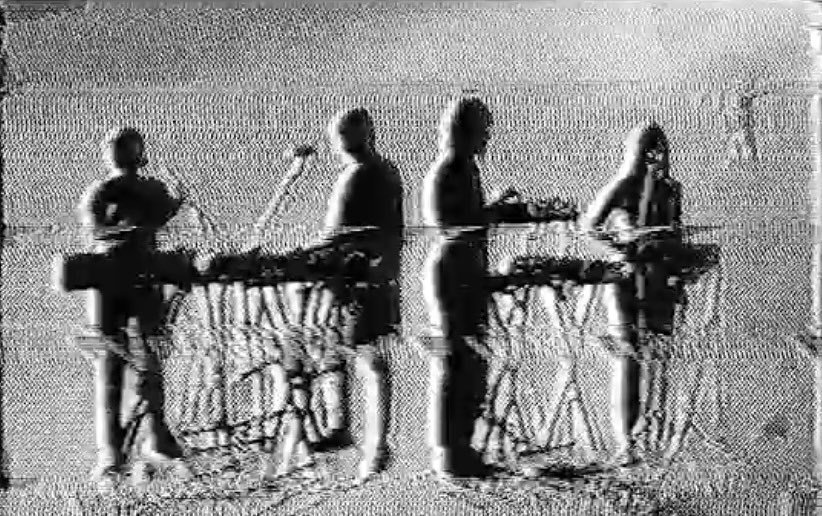
Tampa-based post punk band, Glove, opened up Shaky Knees weekend flaunting an eclectic range of style no one was quite ready for. Drawing artistic influence from a diverse realm of inspiration, the group represents a striking rendition of a fleeting musical era marked by iconic, inventive techniques. Their music and stylish persona naturally invite a feverishly danceable set, conjured by synth’d out melodies and cyclical, hooking drum movement. Glove dwell in a sphere of music where old is acquainted with new; where nostalgia embraces the present’s innovation. Above all this, they’re seriously one of the most exciting new bands I’ve experienced in a while.
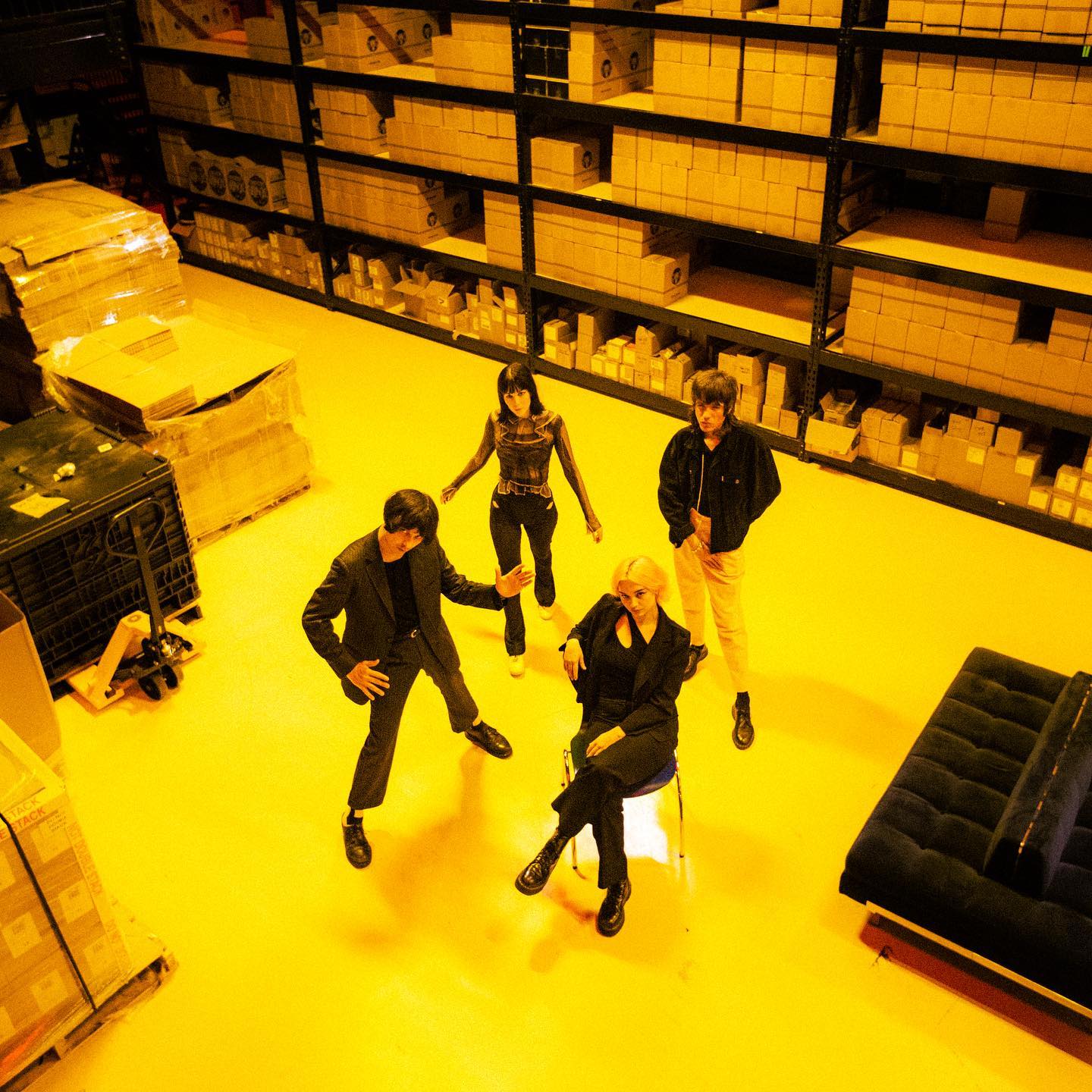
The group is comprised of Brie Deux (drums and vocals), Rod Wendt (guitar/bass and vocals), Michelle Primiani (synth keyboard/vocals), and Justin Burns (bass/vocals). Although specific musical roles are noted, they’re definitely not set in stone—switching up what they play depending on the song, or perhaps on how they’re feeling that particular day.
A few hours after they shook the Shaky stage, I grabbed a moment with the wonderful Brie and Michelle to talk the band’s formation, initial and growing artistic inspirations, creative processes, tour life, and much more.
VM: You guys are a relatively new band with several tours already under your belt. What’s that been like?
Glove: When we first started the group, we pretty much immediately went on tour. That was always the plan—it was the initial formulation of the band since it was what we all wanted to do. Rod and Brie were at first in another band, and I (Michelle) went on tour with them to do photography. When that band dissolved, we all got together to form Glove, and were like “Ok, what do we want to do?” And the answer was simple: “we want to tour.” So that’s what we did. At that time, Brie was already booking bands, so touring came together rather quickly.
VM: So would you say you kind of had established roles at the start of the band’s formation?
Glove: Yeah, for sure. At the beginning, Brie was kind of in charge of management and booking, I was doing a lot of the media and photography, and Rod and Justin were writing most of the songs. Now, it’s a lot more fluid creatively, since we have a team to help us out.
VM: How has the songwriting process developed since Glove got together?
Glove: So far, Rod and Justin have written a lot of it. They create a kind of basis for them, leaving a lot of creative input for Brie and I. They’ll bring a framework to the rest of the group, and we collectively make it our own.
VM: So far, you’ve played with some pretty prominent bands like White Reaper, Broncho, L.A. Witch, Wavves, the Growlers and more! How has scoring such influential opening spots affected your music and touring experience?
Glove: It’s really been a dream, and so much fun. I think for every show we’ve opened, we’ve learned something very distinct, and taken a new inspiration from each. We’re still kinda new, and a lot of these bands have been touring for a lot longer, so they really took us under their wing. From Broncho, we learned a lot from their lights show, and figured out how we wanted to do our lights. The Nude Party, too. We just feel really grateful, and happy to finally be back at it.
VM: You were playing a lot of shows before the pandemic, and readily slid back into tour life after. Have you noticed any differences in your approach to touring/playing shows now as compared to before?
Glove: Pre-pandemic, we were definitely on a really big, and constant, tour roll. We were grabbing any opportunity we could, which was super awesome, since saying yes to everything definitely got us out there. The pandemic actually gave us a chance to buckle down, reflect on what we’d accomplished so far, and figure out where we wanted to go next. It really put things into perspective—that’s when we got management and finished the album. Coming back into it post-pandemic, everything feels a lot more substantial—we take nothing for granted now.

VM: Glove started out completely DIY. Was it important for you guys to maintain a semi-DIY approach even as the band began to grow and develop a team?
Glove: Having a pretty strong creative purpose as a band, it’s really important that we remain in control even as we grow and acquire help along the way. Having people around us that are as stoked about our vision as we are has definitely been a huge help.
VM: You’ve been given various descriptors since emerging as a band with a rather distinguished, targeted style and sound. Across the board, I’ve gathered “proto rock” “synth rock”, “post-punk”, “new wave rock”, even “rock n roll.” How do you best define your sound?
Glove: Hmm. For now, maybe new-wave dance-rock? But it’s ever-evolving. I generally don’t think we fit into any one genre, since we all bring different influences and artistic visions to the table. Rod comes from a rock n’ roll base, I (Michelle) come from a more electronic style, Brie and Justin pretty much listen to everything.
VM: I’ve definitely picked up on that wide-range of influences, as it feels impossible to box Glove’s sound into one, fixed space. From how the music sounds on its own, to the videos and imagery, the band exudes a feeling that’s equal parts reminiscent and modern.
Glove: That’s exactly how we want it to be! We’ve taken from our individual influences that tend to range pretty far back, while adding futuristic elements to it. Something that’s really important for us too, is making all of the sounds ourselves. Not having computers on stage is a big thing—we’re playing everything; we’re learning everything. That’s something that tends to be happening less and less in modern electronic music—which is super cool, too, but the idea is to remain true to the rock band structure while adding these modern, electronic flares. In that way, we’re constantly adding new elements to change it up, like Rod just added a new synth on his side of the stage.
VM: On that same note, do you ever tire of music critics trying to rigidly define, or box in, these experimental styles constantly emerging from underground scenes?
Glove: We haven’t run into any problems with it, per say, but it is something I do think about. Like with the three singles we’ve put out, Justin sings the first one, “Glass,” Rod sings the second, “Behavior,” and Brie sings this third one “Modern Toy”—and we kind of did that purposefully. A lot of bands have one ‘lead singer,’ one person routinely on each instrument, and that’s definitely a mold we’re trying to break out of—by not having one “main person” in any sense. We all just want to feel comfortable doing whatever we want on stage, so it helps to not be strictly defined. So yeah, we’re constantly throwing curveballs to the critics that try to box in our sound.
VM: I found that Glove’s vision initially formed from a shared love for bands like B-52s, Wire, New Order, Joy Division… How has the vision for your music evolved since Glove emerged as a primarily 80s post-punk inspired band?
Glove: We did initially want to be a band that sounded from that era. Over time, we learned to adopt our favorite elements, and purely find inspiration from those styles so that we can evolve it into our own version.
VM Where do you draw inspiration for your creative expression outside of music?
Glove: (Brie): I take a lot of inspiration from fashion—pretty much all things avant-garde fashion. I’ll watch a bunch of old fashion shows from the 90s, and that’s where I’ll draw visual inspiration. I don’t want to always take directly from music, so I tend to implement a lot of creative elements from fashion into the band’s image.
VM: Do you think there are any social, cultural, or thematic indicators to explain a rather concentrated resurgence of post-punk in recent music?
Glove: Post-punk is definitely making a big revival recently, with all the really heavy lyrical content and strong delivery of distinct social messages. I think post-punk stems from wanting to evolve that (punk) anger into something more direct and curated. No matter what, the art always reflects the political climate, and we’re definitely going through that right now.
How does Glove fit into this new movement of politically or socially charged post-punk?
Glove: I wouldn’t say we fit into it too much, since we’re not a political band at all, and we don’t make much of an explicit statement. We do have our strong beliefs and messages, but we like to communicate them through our music in other ways, and not so directly stated in the lyrics as you’ll find with other modern post-punk bands (comparative examples being IDLES, NOV3L, Black Midi).
How do songs like “Behavior,” and “Modern Toy” speak on nonconformism?
Glove: That’s the underlying, subconscious message with those songs. It wasn’t so much “we want to write a song about this,” it was rather the way that our experiences got expressed in the end. But yeah, there’s definitely themes of nonconformism, and being watched, but it wasn’t intended to be a social or moral message, it just kinda came out that way. So far, I think anyone who listen to our music can relate the songs to anything, which we really like.
Vinyl: Any inspirations from the modern rock and post-punk scene?
Glove: There’s so many, and from so many different genres. IDLES, Nation of Language, NOV3L, Gustaf, Crack Cloud, to name a few.
Vinyl: Glove quickly caught the attention of Brad Shultz in the midst of touring, who went on to produce your forthcoming album. How did all that come about?
Glove: We actually met Brad through a friend during tour with Broncho. He came to our shows, we linked, him and Rod became best friends immediately… He asked if he could produce the record at one of his studios in Nashville, and it was a complete no-brainer. It was a really beautiful experience, and also our first time being in a studio. Brad really became equal parts Dad and cheerleader through the record-making process.
Vinyl Mag: Tell me more about what it was like crafting your record with him in the studio!
Glove: He was such a hype man; Brad being a true cheerleader throughout the whole thing was everything we could’ve asked for and more. He’s such a good and encouraging energy, and allowed us to try things that we normally would never have tried, making our creative eye a little bigger than it would’ve been. We actually did a show with him recently and it was life-changing.
Vinyl Mag: How was that show with Cage The Elephant?
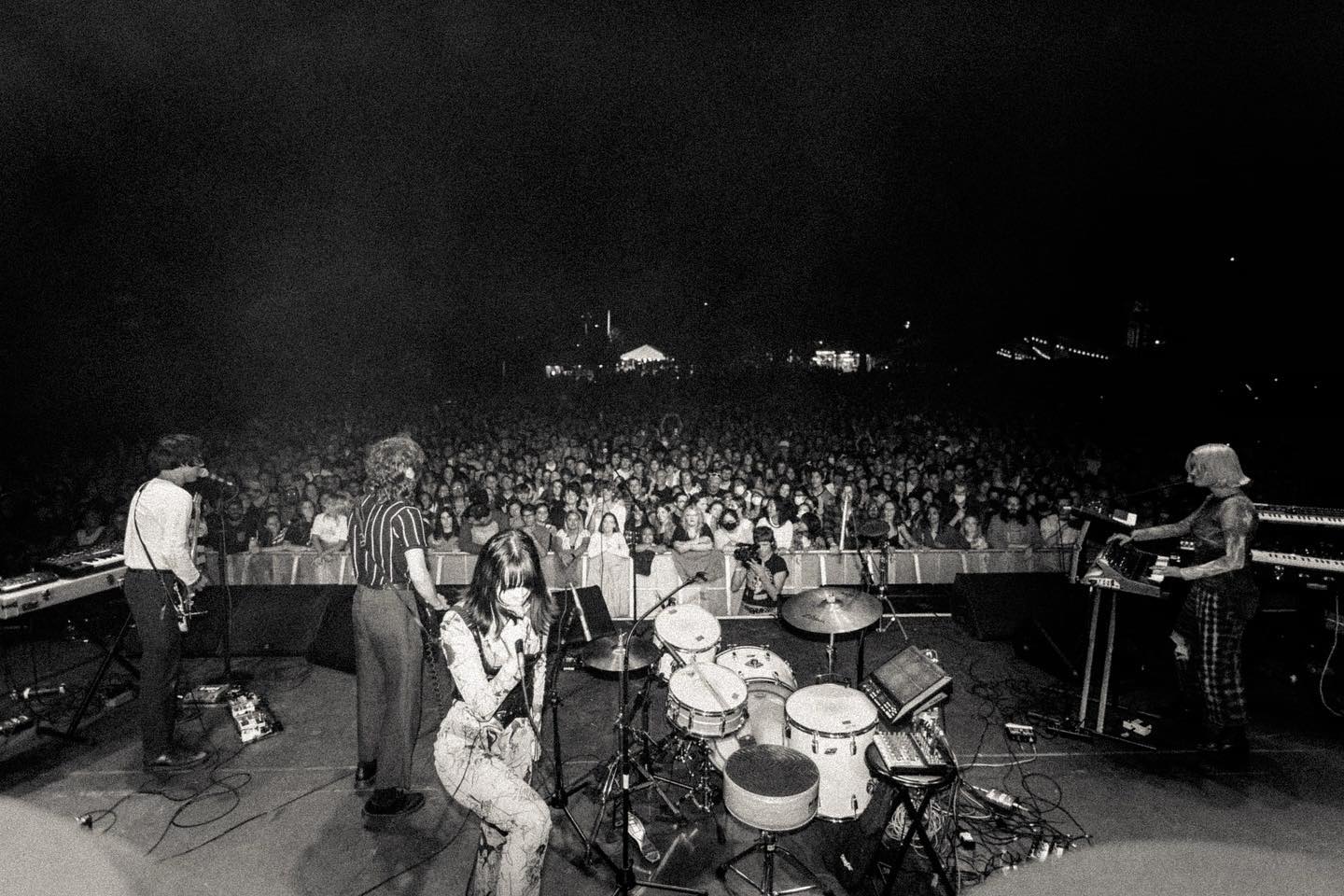
Glove: It was, for one, the biggest show we’ve ever played, 3,000+ people! Truly the most beautiful and transformative thing we’ve ever experienced. It was a huge sea of people that we felt we could really interact with—with all those people it’s easy to have the best time on stage. They have really amazing fans—we were so grateful and it still feels unreal. Cage The Elephant are the most inspiring, energetic, kind, and creative people. They don’t have to take these younger bands under their wing and help them out, but they deeply really care about the future of music, and it shows.
Vinyl: And how excited are you for this record to be out?
Glove: SO EXCITED!! We really can’t wait, it’s been two years coming! It’s also been really thrilling to play the few singles we already have released live, and watching the momentum for the music grow. Seeing the audience already singing along to the songs we do have out, has made us all the more anticipative and stoked.
Glove have instantly proven themselves to be an innovative and probing young band. With musicality that captivates and transposes any audience, they’re the ideal solution to an ever-fleeting era of the past. Toying between post-punk, dance rock, and synth pop, their potential will only become more explosive as they rise to prominence in music scenes local and abroad.
Catch the rising stars in a city near you this Spring! Glove are hitting the road with Nation of Language in March. Check out their released music on all streaming platforms, + stay in the loop via their socials in anticipation of their debut record, Boom Nights, set to be released early 2022. Upcoming tour dates below.

Track-By-Track: CLOUDLAND Talks Debut ‘Where We Meet’
Athens, GA-based CLOUDLAND has released their debut album Where We Meet, a multi-faceted exploration of the commonalities of the human experience. Written over the past year and a half, Where We Meet reassures listeners they are not alone.
The four-piece rock outfit composed of Zach King, Karmen Smith, Aidan Hill, and Hogan Heim has been releasing music steadily since 2017, but this album breaks the group’s typical record and release pattern. Where We Meet is the consequence of a year and a half of careful cultivation.
We asked CLOUDLAND to take us through each track on the album and give us further insight into the inspiration and writing process behind them.
Check out their track-by-track rundown below, and be sure to queue up the album to listen along.
Sunday Afternoon
As the album’s first track, “Sunday Afternoon” immediately offers longtime CLOUDLAND fans something different according to Heim. This track is truly autobiographical, telling the story of an actual Sunday afternoon call. “There was a two-week period in which my grandfather was diagnosed with cancer and my uncle sold both our family’s condominiums in Florida where my family had been going for 22 years. We spent most holidays here” says King. He recounts the difficulty the group had matching lyrics to the existing melody that would become “Sunday Afternoon”.
“I ended up just writing down everything that had happened: the line about the painting references an actual painting my uncle sent me that had hung in the condo for fifteen years. The phone call is the actual phone call in which I was told my grandfather was in pretty severe shape with colon cancer. It was this moment of balancing living in the present, but also acknowledging the importance of the past. You want to have those precious memories, but you can’t hold on to the past forever without losing the present. I don’t think the song has any resolution, I think it is more just a statement on life.” says King.
Overthinking
“We had the idea to write a song about overthinking a relationship for a while. The general concept was there and we all took a stab at it, yet the lyrics weren’t coming to us. Eventually, Zach was able to take the pieces that we had and performed some skilled mad libs to put it together,” says Heim. King remembers that “as a band, we were able to write the bones of the track. I went back and fiddled with the lyrics until we liked where it was at.”
“It’s a really straightforward song,” according to King. “There is no real personal experience behind it, rather it speaks to the universal experience of overthinking the complex nature of relationships.”
Where We Meet
The album’s eponymous track was written before the band had even decided to make an album according to Smith. “We wrote that at a church late at night and that was like the first official single. It was kind of a desperate night in terms of writing because we were just very frustrated with the ideas that had fallen flat. At the end of the night, we just decided to leave it to Zach’s vocals and Hogan’s guitar. In the past, all of our singles have just been really energetic and loud which is cool, but we wanted to do something different” says Smith.
“I struggle to open up unless it’s through my writing or I’m at rock-bottom. So this song was an opportunity for me to do that,” says King. “It was also about collectively realizing ‘okay you gotta fight for something.’ Just looking at love from a deeper standpoint than ‘oh I love this person’ or ‘you make me feel good.’ Because it’s not always like that, there’s some pain and some hardship involved. Commitment is worth fighting for and promising things even in the midst of hardship. The song was my way of telling my wife that I am committed to her and that I’ll fight for her.”
St. Elmo
“St. Elmo” is about bass player Aidan’s relationship with his significant other and him really opening up about what she means to him in this song,” says King on behalf of his missing band member. “They had just been on a trip to Chattanooga, and it is a really special place to them. We titled the track St. Elmo, a town just outside of Chattanooga, to honor the significance of that place in their relationship.”
“The funny thing is when we were trying to write one our first draft was just way too heavy. Karmen, Aiden, and I were just sitting there looking at it and we concluded that it was just way too much. We didn’t feel a listener could digest it despite the simplicity of the song. So we ended up scrapping it and wrote another song that night with completely different lyrics. Aiden just opened up about how he felt that she is the person who can hold him together. It is desperately saying that there are times when you are the only person in the world that can make me feel like I’m sane or loved and cared for.”
Lights
King recalls ‘Lights’ being a much lighter song than the latter. “When we finished that one we wanted it to be the kind of song people could just kind of sing along to. You don’t have to think about it nearly as much as say, digesting a personal struggle. In my mind, the song is meant to capture the feeling of driving with somebody by your side looking to have some fun.”
King also credits Heim for elevating the song musically: “I had this chord progression and then I brought it over to Hogan. He recommended doing the verses in 7/4 and the chorus in 4/4 to add this layer of complexity to it. Singing it is still hard. To this day I have a hard time singing the verses, which I like.”
King summarizes the song as one he “never gets tired of playing live. It’s an opportunity for anyone to sing along and embrace spending time with the people you love.”
Sunday Evening (Interlude)
Smith says “We went to our friend Tommy’s house and stayed up until 2 a.m. working on the interlude. We always go into a writing session with an idea, but somehow it always crumbles. The initial track was too much, and we simplified the whole thing because we didn’t want it to be too busy. Hogan and Tommy experimented with some weird guitar stuff and I played on their baby grand piano It ended up meshing together.”
Heim elaborates on the purpose of Sunday Evening believing it “set the tone for the rest of the album — particularly the following track, “Walking Away”. We wanted to use “Sunday Evening” to frame and seamlessly transition into “Walking Away”. We wrote it after the last four tracks were written, so we were able to compose with intention rather than trying to fit it back in.”
Walking Away
Heim had just gotten his second amp and a flanger pedal when he started writing “Walking Away”. With additional inspiration from The Police‘s records, Heim composed the beginning of the track before eagerly texting King to hear what he had.
King remembers Heim sending him a voice message with the chord progression and “just like that it was my favorite beginning to any song we’ve ever made. Just tonally, in the way it sounds.”
King clearly had fond memories of recording the track; recalling how things “just kind of fell into place. We really didn’t have to work for that one. The funny thing is we worked with artist Alec Stanley here in Athens. From a recording standpoint, it was the first time I’ve felt that experimentation pushed outside our comfort zone. The track has some tighter guitar and drum tones that really elevated what was possible… we really owe that to him.”
“The music thankfully steps in and says more than we could,” says Smith. We didn’t write a bridge because we felt we had said everything already.”
Coming Back
“We didn’t even have lyrics to the song when we started discussing track placement. We just felt the progression sounded similar to “Walking Away”, but not in a bad way. Because of this, we decided to call it “Coming Back” in answer to “Walking Away”. The lyrics don’t contain the words “coming back” and I never fully understood the track until it was put into the context of the album. With “Walking Away” preceding it, the track fit thematically within the rest of the album,” says Heim.
King remembers the Nashville recording sessions. “I would procrastinate writing until the day of recording but found that working under pressure breathed some freshness into the writing. Particularly because a lot of these song meanings change for me when I’m in the studio versus when we are rehearsing together. It’s funny because I wrote the song about my relationship with God. I was at a point where I was genuinely wondering what I was doing, who I am, why I even believe in a creator, and that he is supposed to love me. Like these really heavy things. Only a week prior I had been sitting on my couch at 3 am and felt like I knew all those answers. I had known that I was loved and valued, yet completely shrugged it off. For me, that’s what “Coming Back” is about. It’s a recommitment to who I am and what I believe. But for a lot of people, it is a song about relationships — whether with a significant other, a relative, or even a friend.”
“A lot of people thought it was about my wife and me when I realized I do that with her too. I shrug something off or I won’t open up. Listeners drawing their own meaning from the track makes it something truly special.”
Restless
“We actually wrote “Restless” around two years ago and came back to it last Summer. Hogan essentially wrote the whole song and then we added the bridge. Essentially, the song had no lyrics for almost two years.”
Heim agrees adding that “A cool thing about “Restless” to me is that musically it was only the second song we had tried to write shortly after Aidan had joined the band. At that time, the band was firing on all cylinders, with Aidan rounding the rest of the band out. He really refined track into a state where the point gets across to listeners.”
King speaks to the lyrics saying “we were stuck until Hogan mentioned how cool it would be to swap perspectives between the verses and the chorus. So I just kind of ran with that. The perspective of the verse is young me and the chorus is me now telling my younger self what to do. But for anyone, it can be a reminder to slow down when you’re in the midst of existential concern.”
“The restlessness in the song speaks to this overarching idea of not being content with where you are,” King surmises.
Perfect Timing
Smith recalls the recording of “Perfect Timing” as “one of the most fun times recording and writing we’ve ever had.” He says the band “went up to Nashville to record as a snowstorm was approaching. So there was this looming feeling that we might get stuck there, which added excitement to the air. We were working with these two guys Ethan Standard and Blake Tallent; Blake’s an old friend of ours but we had never recorded with him. The lyrics were pretty cool because Zach wrote them sitting on the couch while we were busy doing drum and guitar takes… it just felt very natural.”
Heim agrees, “It was a super fun one because it was the first time I got to really flesh out all my ideas on the guitar with Blake, and Karmen did a similar thing on the drums. We all decided to give it what we got individually and see how it goes together without as much hands-on editing.”
“This song really helped us recognize how much trust we had in one another and how comfortable we became with trying out new things. This was a really fun song because our parts were separate but able to come together in a really cool way,” added King.
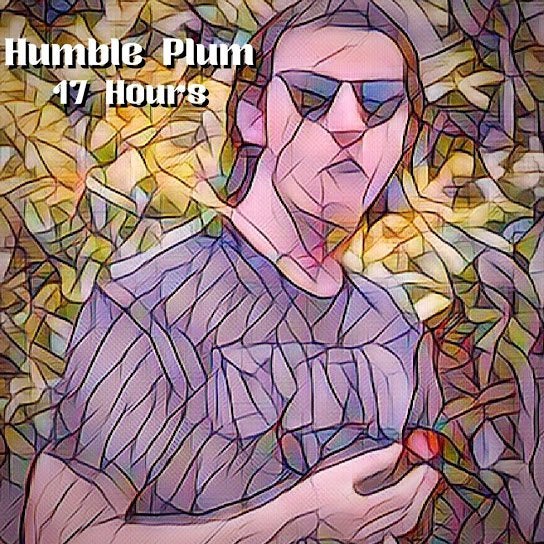
Track-By-Track: Humble Plum Talks Debut ‘Seventeen Hours’
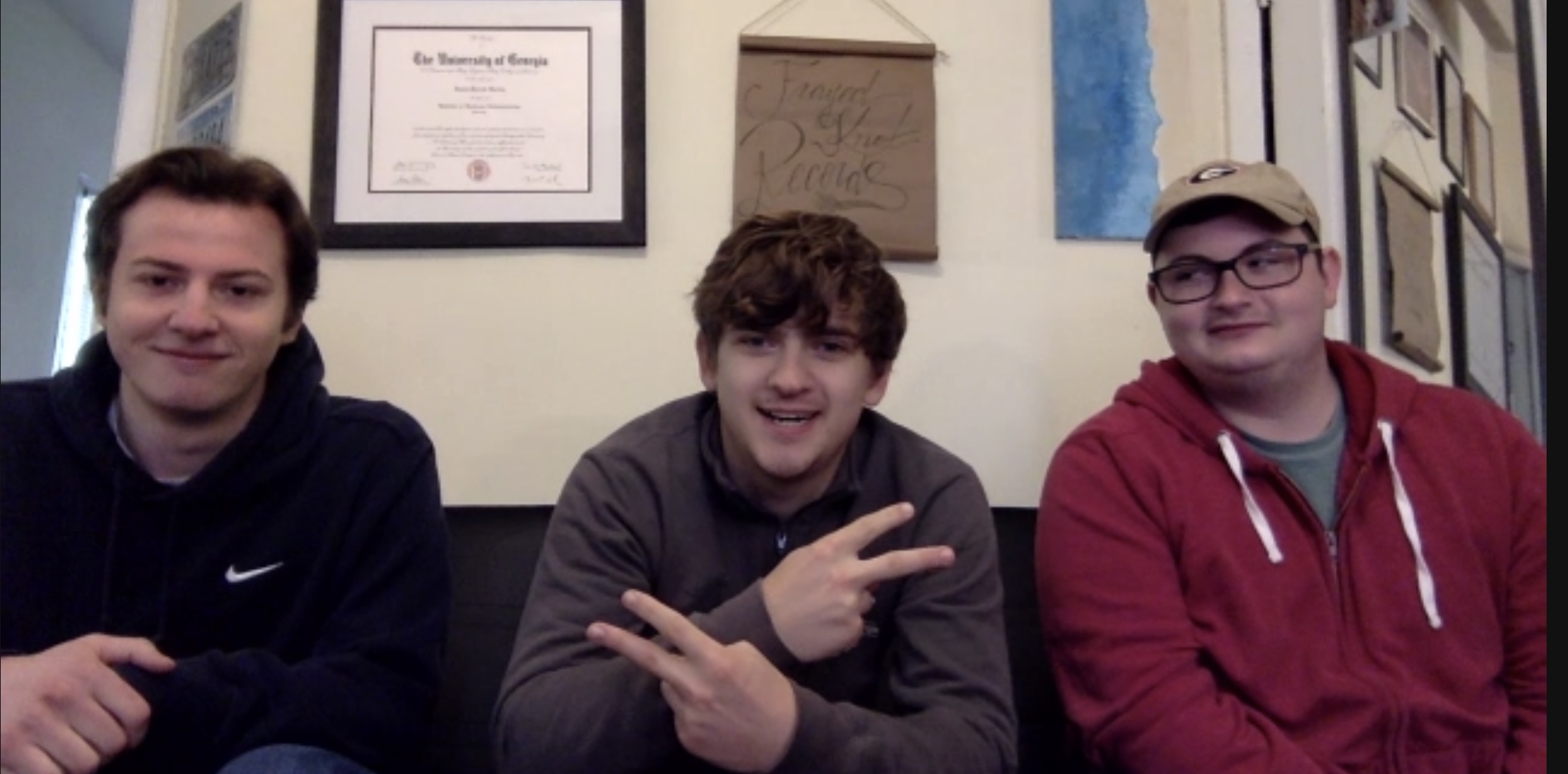
Athens, GA-based Humble Plum’s debut album, Seventeen Hours, out now. Humble Plum is composed of Daniel Hardin John Ilardi and Josh Johnston. Ilardi and Johnston are students in UGA’s music business program, affectionately monikered as MBUS, and Hardin graduated the program in 2020. Childhood friends Hardin and Ilardi reconnected at UGA and brought Johnston into their fold.
The album title, Seventeen hours, refers to the 17 hours in which the group wrote, recorded, mixed, and mastered the album. When Hardin first suggested the idea Johnston kindly told him to get some sleep. The next morning, still adamant, Hardin quickly got Johnston and Ilardi on board. “We just wanted to see if we could do it,” said Johnston.
The rules were simple: The album had to be completed in one day and absolutely no thought or planning could take place prior to the day the group had set aside to make this album. The group “didn’t think anyone would listen” to Seventeen Hours, they just made it for the fun of creating music together. The result is joyful chaos. The album feels raw and personal in a completely new way.
We asked Humble Plum to take us through each track on the album and give us further insight into the making of Seventeen Hours.
Check out their track-by-track rundown below, and be sure to queue up the album stream below.
Johnny
Starting with a guitar riff, Hardin penned some lyrics about his friend and bandmate John who “has a really nice car and is always down to jam.” The first song on the album, “Johnny” was written and recorded between 7 a.m and 9 a.m and then forgotten until putting the final album together.
Hey Jere!
Johnston really wanted to make a Jere Morehead diss track and a punk track. Both wishes were met with “Hey Jere!” The track gave current students Ilardi and Johnston an opportunity to air their grievances with the president of UGA on the university’s handling of COVID-19. Lyrics include gems like “I can’t go to the beach, but I can go to a game? Why don’t you learn to spell your own name?”
Is That A Bee?
In a jarring transition from “Hey Jere!”, “Is That A Bee” is a mellow reggae track that questions Jerry Seinfield on why he ended Seinfield and made the Bee Movie. The track’s composition started with an off-beat guitar and reggae drums inspired by Sting’s “Englishman In New York.” Hardin wrote the lyrics in 10 minutes “on pure instinct.”
Rest in P-Bass
A somber addition to the album, “Rest in P-Bass” was a collaborative effort about a bass guitar Johnston sold and missed dearly. The song utilizes a mandocello, which is a baritone mandolin that adds to the tracks depth. The humor in writing a song about a bass with the same level of sincerity as a break-up ballad is not lost on the trio. “There is definitely an element of funny in the sad,” said Johnston. “It’s overly dramatic for sure.”
Intermissionary Funk
“Intermissionary Funk” forgoes lyrics to let the track’s instrumentals shine. The first of two instrumental tracks on the album, “Intermissionary Funk” harkens back to the funk-rock backings popular in the early ’70s. While Hardin’s drums and Johnston’s bass ground the track, the guitar is what makes the track noteworthy. In a unique approach, Hardin, Johnston, and Ilardi took turns playing guitar adding the slightest variety to the tracks uniting riff.
Mother Russia
Johnston lived in Bulgaria for five years, which has become quite the joke among the friends and was the impetus for Johnston to write “Mother Russia.” The instrumentals for the song are “basically the Tetris song” according to Johnston. Interestingly, the theme to Nintendo’s 1989 video game actually started its life as a 19th century Russian folk song “Korobeiniki.” The song was recorded using a 1969 Soviet Union microphone. “It sounds like you’re yelling in a bread line,” says Hardin. Ilardi describes the mics effect as “aggressive” which is why they also used it on the track “Hey Jere!” The song was recorded in one take with Ilardi holding the mic up to Johnston, turning red with suppressed laughter. Hardin calls the track “a glorious tune.”
2nd Best Friend
“We all have that friend we like, but also find them annoying,” said Ilardi when asked about the concept of “2nd Best Friend.” It’s about your back-up friend. The song was inspired by Flight of The Conchords “Most Beautiful Girl in the Room” taking the song’s concept of calling someone “the most beautiful girl,” but qualifying it with “in the room. Humble Plum does something similar by qualifying “best friend” with “2nd” making the track kind of mean, but very relatable.
Thank You Caledonia
“It’s the sad one on the album,” said Hardin in reference to “Thank You Caledonia” Humble Plum’s ode to the iconic Athens music venue. Ironically enough, when the group decided to write about Caledonia, they thought they were going to make another funny song. It is when the group started actually writing the song and reflecting on what the loss of Caledonia meant to them that the song turned into the heart wrenching goodbye heard on the album.
Siri
The guitar for “Siri” was written at 7 a.m and put aside for about 12 hours when the band started building the rest of the song. Hardin developed the drums taking inspiration from Cloudland drummer Karmen Smith. “We wanted a song people could jump to,” said Ilardi, and “Siri” is just that. The track’s title comes from the lyrics which the group wrote using predictive type making the song completely incomprehensible.
The Mighty Oconee
The second instrumental track and final album track is “The Mighty Oconee” a joke because as Johnston explains “the Oconee is anything but mighty.” The track has an Americana vibe produced by the layering of various string instruments including banjo, mandolin, and mandocello.
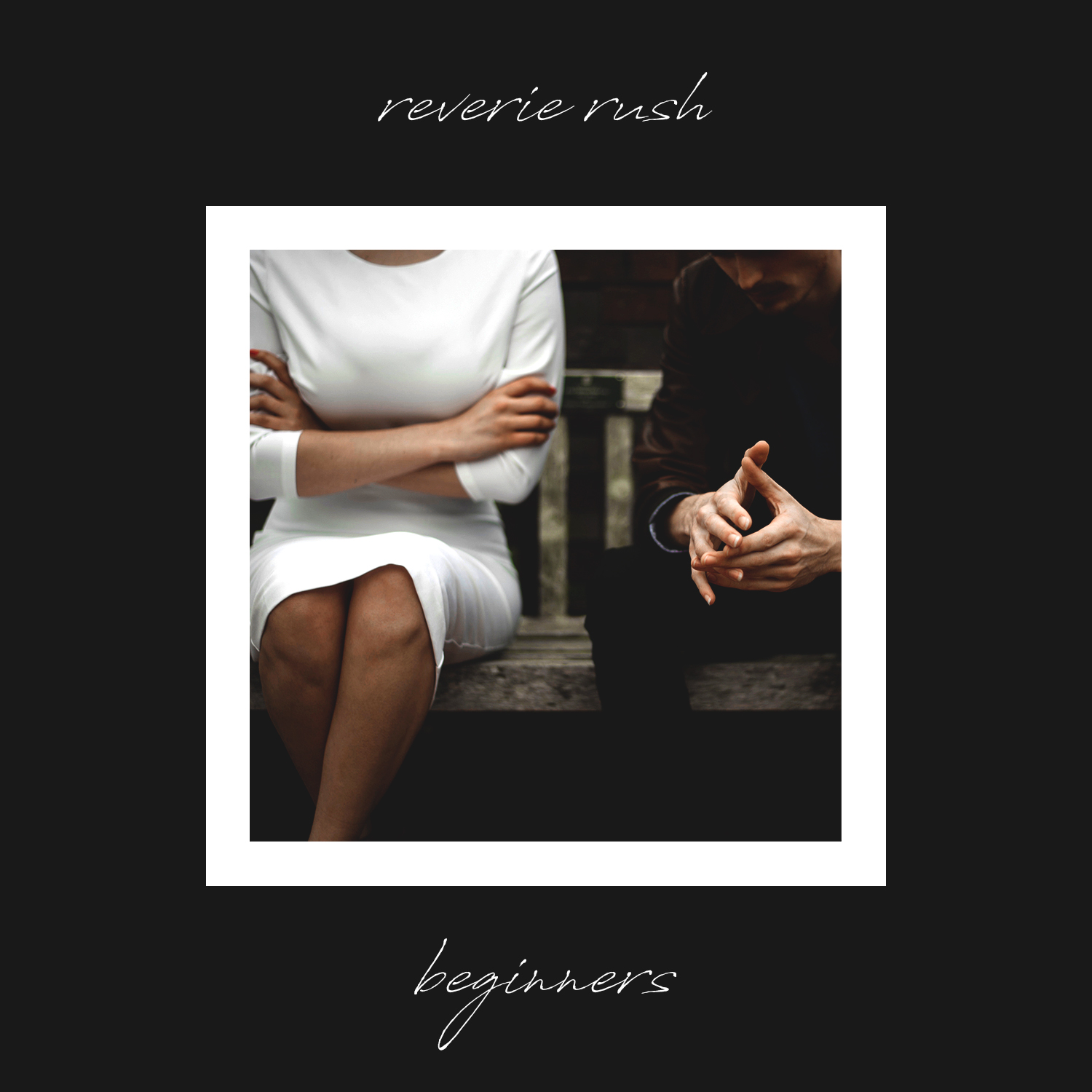
Premiere + Track-by-Track: Reverie Rush – ‘Beginners EP’

Reverie Rush is the heart-wrenching bedroom pop solo project of Athens, GA-based multi-instrumentalist, Andy Barton. Written after moving from Athens to Atlanta and back again in the span of a year, Barton’s debut release, the Beginners EP, drops today (as in, right here, right now).
“I lived in the city for about a year or so to try and give Fake Flowers, the band I was playing in at the time, a shot,” said Barton of the EP. “It was a pretty rough period, with a break-up, a dead end job and the eventual (first) dissolution of Fake Flowers…at first, coming up with these songs was just a means to help process a lot of the sudden life changes I’d experienced, but it became clear pretty quickly that I had to put together a cohesive document of that period of my life, like my very being required it.”
The five-track EP was written by Barton and recorded with former Fake Flowers bandmates, Jake Chisenhall (Delorean Gray) and Freeman Leverett. Check out the premiere below, and scroll down for Barton’s track-by-track breakdown below!
“Taking On Water”
“Taking On Water” was actually the last track composed for the EP. The chord progression had been floating around since the early days of the project, but it wasn’t until we went to record that it received a full arrangement and really came together. From the get-go I knew the EP needed an instrumental intro, though. I had envisioned this sad, shoegaze-y score playing over an image of someone lost at sea, their little ship taking on water. Jake and Freeman really helped execute that with their additions to the arrangement, which we just kind of jammed out in just a few takes.
“Coming up for Air”
“Coming up for Air” channels, by far, the darkest themes and elements of the EP. It’s all about grief and guilt and letting your loved ones down. I felt like I’d reached an all-time low, and getting all these feelings out in song served as a much-needed moment of catharsis. Writing this song presented a moment of clarity, where I was able to completely acknowledge that I’d made some pretty big mistakes that put me in a dark place, but I could also just as easily work towards bettering myself, and by extension, bettering others — that I could come up for air.
“What Have We Become?”
“What Have We Become?” kind of came about after playing around with a lot of dreamy, jazzy major 7th chords that reminded me of Fake Flowers songs. I wanted a guitar-driven song on the EP, something really urgent to express how I felt after moving back to Athens and trying to start anew. I was really pleased with how we were able to incorporate all the different guitar tones I really like: there’s jangle, there’s fuzz, there’s some post-punk influence, there are some shoegaze elements.
“Out of Sight”
“Out of Sight” was probably the second to last song I wrote for the EP, and as such it definitely reflects a more serene, level-headed perspective, bordering bittersweet. The ballad of the record, I wanted to give it a kind of loungey/crooner vibe, especially in the chorus. Jake and Freeman were listening to a good bit of bossa nova at the time, so I think that rubbed off on me, here. Freeman’s Thundercat bass line in the outro is easily one of my favorite recordings on the EP; it was completely improvised and pulled off in just a few takes. He finished tracking it, and I just started busting out laughing; it was so good.
“Run Its Course”
“Run Its Course” is the song that’s the most special to me, as it was the first one I wrote for the project, and the first song that I really ever wrote to completion. Once I’d gotten the verses finished, I was acutely aware of how much of a caricatured sad guy I probably sounded like, so I wanted the chorus to acknowledge that and poke fun at my own mope in a tongue-in-cheek way. I didn’t really know how to end the song initially, but Jake was really instrumental in solidifying the arrangement for the outro. Writing and recording that vocal section with him was one of the most personally gratifying musical experiences I think I’ve ever had.
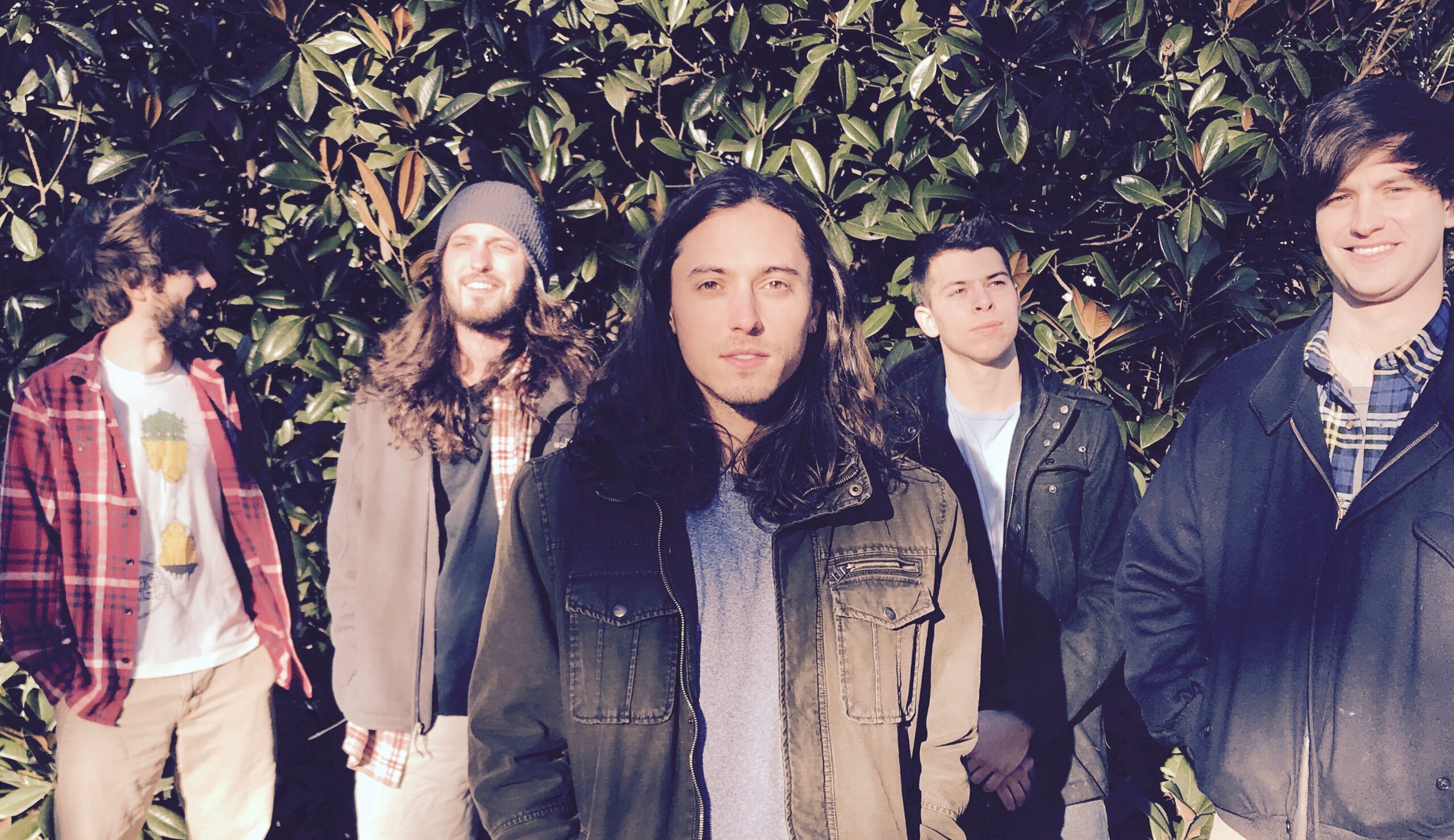
Artist to Watch: The Orange Constant
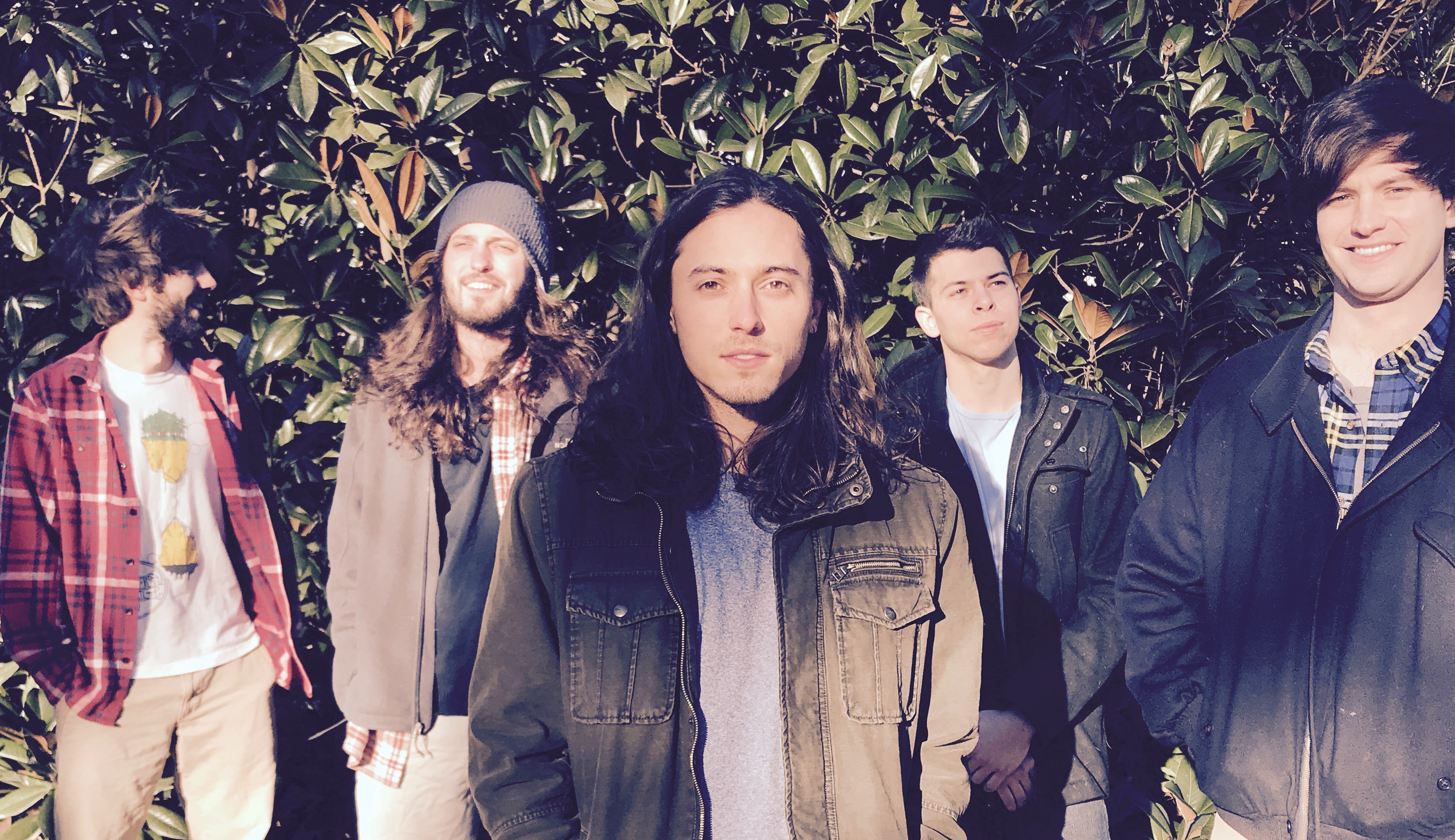
The Orange Constant has become somewhat of a hidden gem in Georgia since their start in Statesboro, GA in 2012. Now residing in Athens, GA, the Southern-rock-meets-jam-meets-funk quintet has worked hard to garner the attention of local fans. From headlining a packed show at the Georgia Theatre to playing at Atlanta’s Sweetwater 420 Fest, the Orange Constant is picking up speed and making a serious name for themselves. I had the chance to chat founding member and vocalist/guitarist, Andrew Brantley, and drummer Sam Groveman before their show at the 40 Watt Club in Athens to talk about their growth as a band and their approach to van life on the road.
VM: What initially caused you guys to move your band from Statesboro to Athens?
Andrew Brantley: Me and Nickalous [Benson]…he’s the other founder of the band…we just kind of wanted to leave Statesboro. We were kind of feeling like, you know, we had graduated. We were kind of done with that circuit and whatever. We wanted to be in Athens to be closer to Atlanta and closer to our families, and being in a bigger city. In a better music city. So, really three factors.
VM: Do you feel like The Orange Constant’s music is influenced by being in Georgia, and being in Statesboro and Athens?
AB: Georgia absolutely has influenced our styles. You know, my style is pretty influenced by like, Widespread Panic and Zac Brown. Nickalous…he grew up around the guys in Drivin’ n Cryin’. We definitely have a southern rock aspect to our music that’s just because, you know, we’re from the South.
Sam Groveman: It’s constantly changing too ‘cause we have five guys in the band now that all come from different musical tastes, and they bring new songs, and we’re always kind of adapting to their musical styles. Which also helps us as musicians, you know, to learn those new styles, and kind of developing that new sound with this new generation of musicians.
AB: Yeah, for sure. We’ve got that Southern influence, but we don’t adhere to it always.
VM: Do you guys feel like you’re going to be sticking around in Athens for awhile, or do you have any moves on the horizon?
AB: Well, I think for now we’re going to be an Athens band. You know, we like it here; we’ve had success here. We’ve grown in this city. We’ve thrown around the idea of going out west and trying to establish out there as well, but I think for the next, you know, three to five year plan we’re going to be here. And even so, I think we’ll always be a Georgia band. All of us are from Georgia so, you know, no matter how many times or places we might move, this or there, we’re a Georgia band.
VM: Your last album, Point of Reference, came out in 2017, so I know it’s been a little bit, but with five guys in your band, what’s the songwriting process like? Do you guys all collaborate?
AB: So that album was written predominantly by The Orange Constant, like the previous lineup. Which was a different drummer and a different bass player. But we did have our new bass player, Tyler [Walker], record on that album. And Chris [Freiberg], our keyboard player, he recorded on it too. But the material wasn’t necessarily written much by them. A lot of it was written by myself and Nickalous and Lee [Guentert] who was the other drummer, and Will who was the other drummer. Me and Nickalous are the predominant lyrical writers of what you can listen to on Spotify, but it’s still a mixed bag…everyone has their influence.
VM: Do you guys have any new albums coming up, or are you working on any new music? Has the songwriting process changed as the band lineup has changed?
AB: The songwriting process is still pretty similar in the sense that we don’t stick to any kind of formula, or formulated plan, it’s like, “we got a song, you wanna throw something in? You got an idea?” We really try to make it pretty democratic, like, everybody’s got some input. But yeah, we’re hoping to get in the studio October, November, December and release another album next year. But yeah, we have plenty of material.
SG: We’re trying to get with John Keane, who worked with Widespread Panic. We recorded our first album with him as the producer.
AB: Yeah, so hopefully we can get in the studio at the end of this year.
VM: And in the meantime, y’all have been touring a lot. Sam was telling me earlier that it’s been every weekend in a different place. You’ve been mostly in the southeast though, so do you have any plans to expand outward, or are you just kind of waiting to grow your fanbase here and then expand from there?
AB: We’re trying to expand the tour to the greater southeast, you know, trying to get more into Virginia, Kentucky, Texas, Louisiana, Mississippi, all those. Still, it’s a nice trek. It’s not necessarily South Carolina and Georgia.
SG: It’s nice actually honing in on the southeast, because a lot of bands that we know, they always go to Colorado, and if you only go back there once a year it’s really hard to build a fanbase. And you wear on your van, and you don’t make as much money to live off of, so really working on this market down here is really helping us.
AB: ‘Cause there’s so many big cities, you know? Like, you can sell 200 tickets in Atlanta and Athens, but if you just start going to these places that are really far away, you haven’t capitalized on Charleston, Columbia, Tallahassee and Birmingham. You know, that’s kind of what we’re focusing on now is to really make sure that our southeast market is as good as it can be. Because we’re just a few hours away from markets that don’t know who we are as well as Athens or Atlanta does.
VM: It makes sense. I feel like you guys have done a really solid job of developing a fanbase here. But when you’re touring and constantly in a van with five guys, does it get old? Are you guys sick of it, or are you planning on touring even more often now?
AB: I mean it’s gonna increase.
SG: That’s the goal.
VM: That’s a good thing, right?
AB: I mean, it’s work. It’s definitely hard. It takes a lot of work, but so does everything.
SG: Waking up next to Andrew and then going to sleep next to him for a couple of days in a row gets a little old, but you know, you realize when to let the man be by himself. You figure each other out after awhile.
AB: Yeah, you do. You kind of learn each other’s personalities. I mean, it’s just the way the game is played, I guess. It’s an adventure, you know. It’s fun if you can kind of take yourself out of it and be like, “man, this is a cool story,” no matter how crappy of a situation it might be. And luckily, we do have a nice, reliable van. It’s not like we’re in a little, tiny Volkswagen or something.
SB: A lot of times when you have a bad weekend, you just look back and laugh.
The future is bright for the guys of the Orange Constant. While working towards recording new music, they plan on amping up their already intense touring schedule, with a summer tour from June to July. They never repeat a set and always try to keep their shows interesting, feeding off of each others’ jams and improvising new sounds as they go. Athens fans can catch them at local grassroots festival, Sigh in July, on July 20.
Shaky Knees 2018: Frankie Rose x Vinyl Mag
It’s widely believed that keeping something wild in captivity will only cause it to wither. Frankie Rose might be the exception that rule.
A veteran songwriter who forged her rightful place in indie rock history with bands like Dum Dum Girls, Crystal Stilts and Vivian Girls, she now enjoys the artistic freedom that comes along with making music under her name alone. But despite having created no less than three full length albums on her own, Rose’s triumph over her own isolation is what’s fueling her most recent work.
After surviving personal difficulties that caused her to take a hiatus from music altogether, she was able to crawl her way back through the slow and deliberate reconstruction of her creativity. She set about creating something new from the closet of her cramped L.A. apartment, an endeavor she refers to as an “act of faith.” With careful reflection and a little help from the late paranormal radio host Art Bell, she was able to turn feelings of claustrophobia and insomnia into the inspiration for her latest record. Aptly named Cage Tropical, the album chronicles confinement in California to her journey home, both literally and artistically.
Rose is proudly back in her element these days, feeling inspired from touring and writing new music from her true home in Brooklyn. We caught up with her at Shaky Knees Music Festival to talk about homecomings, new beginning and breaking out of the cage.
Vinyl Mag: I know you’ve only just arrived to Shaky Knees, but is there anyone you’re excited to see?
Frankie Rose: I would love to have been here on Friday. Friday would have been the night for me because of Franz Ferdinand. I got to tour with them, and they’re my favorite people in the world. If I could have one job, it would be opening for Franz Ferdinand for the rest of my life.
VM: There are some constant themes in Cage Tropical about feeling trapped, running away and coming home. Was that your original concept for the album from the start?
FR: I started the album in LA, and I was feeling very trapped and claustrophobic there. When you start an album you can’t really see the end of the line; it’s just an act of faith. That’s how it started in my apartment in LA. I turned my closet into a vocal booth and was just acting on faith. I didn’t want to be in LA at all; I just wanted to be back in New York. I ended up finishing the album in New York, so it was kind of this journey back to my home. I feel like I had to go through a lot to realize what a home Brooklyn is for me.
VM:I think your story really resonates with most people. Sometimes you have to put dreams on pause because life happens. What advice would you give someone trying to step back into the music world after a hiatus?
FR: My mother says, “everyone gets a tumble in the dryer.” It can happen to anyone, I don’t care how rich you are or how poor you are. Life is hard and bad things happen sometimes. I really did have to step away from music for a while and I didn’t know if I was going to return it or not. Slowly, I tried to feed my creative side with other things like going to art museums or nature hikes. Just anything to sort of stimulate that part of yourself that encourages you want to make art. And I think as long as that’s your main motivation, it doesn’t matter what you’re doing. For me it’s music, and that’s what I’ve come to learn through that experience. I just want to make music regardless of what the outcome will be.
VM: How has the song writing process changed for you over the years from being in groups to going solo?
FR: I like it better, but I still collaborate. I can do it all myself, but I do love having someone to bounce ideas off of. It’s totally different from being in a band. When you’re in a band, you’re married and constantly making compromises. So the fact that I don’t have to do that is quite nice. It can also be bittersweet, because at the end of the day you are solely responsible for what you put out. It’s my name on that product. Actually, I think that’s my only regret, that I didn’t come up with some awesome pseudonym.
VM: We heard that science fiction was a big influence on this record?
FR: When I was making Cage Tropical, I became a bit of an insomniac, so I started listening to a lot of Art Bell at night to go to sleep. It just sort of subconsciously started to influence the album.
VM: What are your plans after tour?
FR: I’m writing a new album. Every record is like a time capsule for me. I just want to write a record where every song could be a single. I’m striving for perfection right now, and I feel inspired, which is great! Often times after tour that’s not the case, but it really is right now.