Vinyl Mag
Menu
  • About Us
  • News
  • Reviews
    • Music Reviews
    • Show Reviews
  • Interviews
    • All Interviews
    • Vinyl Video
  • Features
  • Vinyl Recommends
    • Playlists
    • Year-in-review
  • MBUS
Menu

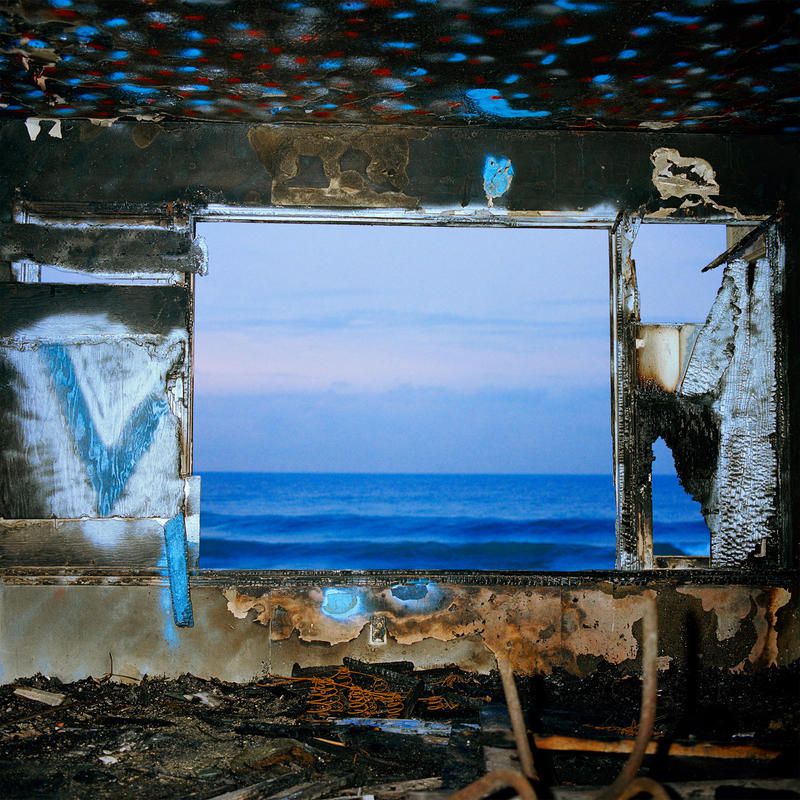
Deerhunter: Fading Frontier

Posted on October 20, 2015 by Nikki Smith

While Deerhunter usually takes an upbeat, noise rock approach in their earlier albums, Fading Frontier exhibits a softer side. Deerhunter stays true to their experimental rock distortions but incorporates a dreamy 80’s synth-laced sound. The indie rock group recently released two singles from Fading Frontier, “Snakeskin” and “Breaker,” two of the more energetic tracks on the album. Check out Vinyl Mag’s review of the music video for “Snakeskin.”

Deerhunter’s previous album, Monomania, relied heavily on raw vocal distortions. While Monomania adhered to Deerhunter’s experimental style, Fading Frontier trails off towards a style of airy dysphoria. While “Snakeskin” initially portrayed a vibrant atmosphere, it is only one of the few upbeat tracks on the album. “Breaker,” another upbeat single, exudes a west coast, surfer vibe. Tracks like “Living my Life” and “Take Care” use a romantic echo effect, overlaid with simple melodies. High-pitched string instruments and twinkling piano sounds create an eerie effect, as heard in “Leather and Wood,” but the album still maintains Deerhunter’s cohesive rock sound.

The album ends with “Ad Astra” and “Carrion,” two tracks that purposely coincide, but why? “Ad Astra” is Latin for “to the stars.” The track ends with a vintage sound clip of a man singing in a Harry McClintlock style, “I wish I were a mole in the ground.” “Carrion” picks up where “Ad Astra” ends as front man Bradford Cox sings in an upbeat tone, “I will become a mole in the ground…It’s much too deep. What’s wrong with me? I can not see.”

In an interview with Stereogum, Cox explains, “There’s no difference in you telling me what you think the song is about and me telling you what I think the song is about, because neither of us are right or wrong.” The album comes together in its unified style. The concept of Fading Frontier coincides with the spacey, dream-like melodies of the album. Perhaps the album isn’t meant to be deeply analyzed but rather listened to as a whole; that is when the true talent of Deerhunter reveals itself.

5/5

Review: Looking Back at Porches: ‘Slow Dance in the Cosmos’

Posted on October 20, 2015October 19, 2015 by Trey Moss

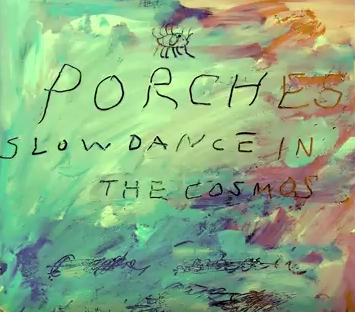
Sometimes I hear an album I genuinely enjoy, yet for some reason, it slips my mind until months later when I rediscover it with renewed enthusiasm. Porches’ Slow Dance in the Cosmos is one of these albums. I first heard of Porches back in February. I didn’t find the album particularly appealing at first. Aaron Maine, the front man for Porches, fence-sits when it comes to genre; some songs entertain a more indie rock feel while others are rooted in chiptune inspired eighties throwbacks.

Nonetheless, the genre ambiguity wasn’t what turned me off from Porches; it was Maine’s voice. I found it annoying and wavering, as though Maine was riddled with insecurities and self-doubt regarding his abilities as a musician and his qualities as a human being, but not in the eclectic, artfully disheveled manner of indie superstars like Conor Oberst or Stephen Morrissey. After a few listens on late-night Megabuses to Atlanta to see my ex-girlfriend, I set the album aside. I didn’t think it was worth listening to any further, and it didn’t seem to be growing on me. I meant to write up a review back in March, but the album was already two years old at that point so I didn’t think there was much of a point. I was very mistaken.

Six months later, I started listening to Slow Dance again after discovering that Aaron Maine’s girlfriend is none other than the fabulously adorable Frankie Cosmos, whose album 2014 album Zentropy found its way into the hearts of indie lovers and Kevin Kline aficionados everywhere. Cosmos, aka Greta Kline, is also the female lead vocals in Porches as well as the bass player. Likewise, Maine plays drums in Frankie Cosmos’ backing band under the alias of Ronnie Mystery, an homage to his persona Ronald Paris in Porches. My thoughts on Slow Dance underwent a complete shift. I found myself unable to stop listening to it. Maine’s voice, once thought to be grating, became oddly warm and honest.

Perhaps the circumstances under which I first heard Slow Dance left a bitter taste in my mouth, but now, months later, I find comfort in the forthright attitude Maine expresses in his songs. He’s honest, much more than the aforementioned Oberst and Morrissey. His songs aren’t full of false expressions of love or individuality or intellect. He sings how he feels and it’s incredibly refreshing, especially with Cosmos backing him up. You can hear the intimacy in the music they’ve created together.

Specifically, I cannot pick a favorite track. If I were ever to label an album as “complete,” I’d be hard-pressed to find a better candidate than Slow Dance in the Cosmos. From the opening track of “Headsgiving,” an odd sexual ode that deals with mental health, isolation, and love to the final track “The Cosmos,” the album never misses its mark. Stylistically, the songs are as various as they come. “Headsgiving” is clearly more of a progressive indie track, but its follow-up, “Jesus Universe,” is full of synthy cascades and gritty metaphors. But other tracks, like “Xanny Bar” and “After Glow” are significantly different than other tracks; the former being a slow, unplugged acoustic song about a sad sap drunk that runs across a girl in a bar that’s just as much of a sad sap as he is and Maine’s lyrics provide the dialogue between the two characters, Ronnie and Edith. “After Glow” captures the simultaneous beauty and sadness of isolation and loneliness, perhaps most emphasized through its juxtaposition against the cityscape setting described in the opening line. However, “Fog Dog” is perhaps the most complete track, with competing lines and harmonies between Maine and Cosmos. It’s almost balladic with its instrumental and vocal building, with Maine utterly dominating his place as the front man and solidifying his confidence as an artist, yet still holding on to some reservations as any artist in his mid-twenties would do.

As a whole, Slow Dance in the Cosmos is in a class of its own. It’s complete, but unlike any other albums I’ve heard that I regard as such. I love every facet of it. I honestly cannot get enough of it. Every time I listen to it, I find something new. Maine’s presence is prodigious and intimidating. Porches, in my opinion, falls in with the candid honesty of bands like Modest Mouse, Bright Eyes, The Smiths, and others without compromising its own identity. Porches does not emulate its sound, but creates it.

5/5

CMJ 2015: Good Morning x Vinyl Mag

Posted on October 20, 2015October 19, 2015 by Meredith Hirt

Upon first glance, you might think Good Morning hails from New York City, with Katz’s Delicatessen proudly displayed on Stefan Blair’s sweatshirt. But then they open their mouths, and their Australian heritage is obvious. Vinyl Mag spent a great afternoon bantering with Good Morning’s Stefan Blair and Liam Parsons, who met in high school but have only been collaborating as Good Morning for one year. It’s been a busy year for the band, with the release of their first EP, Shawcross, their first CMJ experience, and Liam’s first visit to NYC.

Awesome chill sesh with #GoodMorning ✌️✌interview coming soon to vinylmag.org!

A photo posted by Vinyl Mag (@vinylmag) on Oct 17, 2015 at 2:55pm PDT

Vinyl Mag: What are the coolest things you’ve done in NYC this week? What else do you want to do while you’re here?

Liam Parsons: The city is good overwhelming. There’s so much going on.

Stefan Blair: We were on an amazing rooftop last night.

LP: Amazing view of uptown and downtown.

SB: We went to Best Pizza in Brooklyn the other night, that was pretty sweet. Katz’s was also awesome. Those are two highlights.

LP: I’ve really been enjoying the bagels.

VM: How long have you been together as Good Morning, and how did you name the band?

SB: About a year.

LP: This is the first thing we’ve decided to put out, and give it a name.

SB: We just play at home recording this stuff, because it’s interesting and fun to do, a good waste of your time. And then one day we had some songs, so we got a couple more friends to come; they play bass and drums when we play live.

LP: The name was meant to be a non-event, that makes you think of nothing at all. Just a common phrase. So that kind of worked, because now I’ve completely forgotten how we thought of it.

SB: There’s no terrific story behind it.

VM: When did you each get into music?

LP: I’ve been playing since I was a kid. I had a few bands in high school here and there. We were in another band in high school. It was pretty terrible.

SB: It was shit. I started playing piano when I was four.

LP: Your first song ever written was pretty good.

SB: I recorded a song, “Logic,” when I was six or seven years old. I still have the burned CD in my room, and it’s just basically a rip-off of Linkin Park’s “In the End.” It’s just me playing with a mini keyboard.

LP: Pretty forward-thinking for a child. It’s quite experimental.

SB: It’s just always been something we’ve messed around with, music and stuff.

VM: So, Linkin Park. Who else inspires you?

LP: Just anything, early 2000s.

SB: Baby Bash. I wasn’t so into “Numb/Encore.” That is where I began to lose interest in Linkin Park.

LP: I don’t know, we have heaps of influences. I don’t really know what we’d say would be the influence for this. I think most of our influences we don’t sound anything like.

VM: How do you describe your sound?

LP: I just call it pop music. Call it like rock ‘n roll. Every time we have like a cab driver ask us what type of music we play—

SB: They sort of stare at you with a look of confusion when you say ‘pop music’ though like, how can you make pop music with those guitars? I just call it pop music as well, but it’s sort of a vague term I suppose. It’s our idea of pop music.

VM: What’s the writing process like? How often do you get together to rock out?

LP: There’s not really any one set way. Some of them are like little one-minute ideas that either Stefan or I have thought up and bring back to the other person to work on together. Or some of it’s on the spot, we make stuff up. We don’t write as much as we should I suppose.

SB: It depends on the time of the year really. I’ve been working full-time at university, so I haven’t really had a chance to get days at a time when we can sit and do it and it’s nice to have that time to sit down and do it if you want to write and record stuff.

LP: It’s nice to isolate yourself sometimes.

SB: The last time we did that we recorded an EP down at Liam’s beach house in June or Julyish. We spent a week down there and just spent every day doing 13 hours of recording, and then you go home and forget about it, and it’s all done.

LP: We play shows most weeks. And we just hang out, I suppose.

VM: What are you working on right now?

SB: We just finished that EP, and there’s nothing really being worked on at the moment. There’s always like demos and stuff floating around, and sort of a backlog of ideas, which I suppose the plan is to go back and record an album over summer, see what happens.

LP: Winter’s not as fun to record in.

VM: Is this your first CMJ experience?

LP: It’s our first anything like this experience.

SB: We weren’t even playing shows at this time last year.

VM: What do you want to be doing a year from now with the band?

LP: Making records that I like. Something I’m proud of I suppose.

SB: Maybe have some more recording gear.

LP: As long as we can keep playing shows it’s worthwhile. I mean, it’s worthwhile because it’s fun. By this time next year, I don’t want to just fade away.

SB: We’ll keep doing as we usually do in Melbourne, just play shows. Record some music.

VM: If you weren’t a musician, what would you be?

LP: I always wanted to be a homicide detective. I don’t like cops, but I’d like to be a homicide detective.

SB: I don’t think I’ve ever referred to myself as a musician. I don’t really think of myself as a musician; I call myself a university student right now. That would technically probably be my employment. Or sandwich master. One of the two. If I wasn’t one of those things, I’d probably be much happier, because I don’t want to be either of those things, but music’s not the way to make any money or whatever so you have to do real life things, sadly.

VM: What are the coolest or craziest things that you’ve experienced as a band?

SB: Probably coming to NYC is definitely the coolest thing we’ve experienced.

LP: Yeah. This. And the dude that plays deputy Andy on Twin Peaks started following us on Twitter. That was pretty crazy.

SB: We had an Uber driver yesterday come back to the venue and return our bag whilst we were playing. He’s like, ‘You guys forgot your bag in the car!’ So that was pretty crazy, because I wouldn’t have expected somebody to do that, which is pretty nice. Maybe it’s a shame that we find that crazy, that somebody would be that nice.

VM: Is there anything you want the Vinyl Mag audience to know?

LP: I feel like I thought of a good answer to this the other day.

SB: I feel like I’ve never had a good answer to this.

LP: Don’t be a dick.

SB: Be nice to people.

VM: What advice would you give to young musicians trying to make a name for themselves?

LP: Think less about trying to make a name for yourself.

SB: Just do it if you enjoy it. If you don’t enjoy it, fuck it.

LP: It’s weird to watch people try to get famous and stuff. It sort of corrupts people.

SB: It defeats the purpose of playing music.

LP: Don’t feel like you have to do shit that other people do just because other people do it.

VM: If there’s one more tourist thing you could do in the city, what would you pick?

LP: Probably go to the top of the Empire State. I’m just addicted to views at the moment. Anything that can get me a good skyline.

SB: I’d like to ride a bike over the Brooklyn Bridge. That would be exciting.

LP: I haven’t been to Central Park yet.

SB: Museum of Natural History as well.

LP: I want to go to MOMA.

CMJ 2015: Violent Mae x Vinyl Mag

Posted on October 19, 2015October 22, 2015 by Meredith Hirt

Screen Shot 2015-10-19 at 8.10.32 PM

Becky Kessler and Floyd Kellogg didn’t meet with the intention of becoming a band, but with their first album release in 2013 and another coming up next month, we’re glad Violent Mae found one another. The duo, who live five hours apart from one another—Floyd on an island off the coast of Massachusetts and Becky on an organic farm in Connecticut—met up with Vinyl Mag at Muchmore’s in Brooklyn during their one day in New York City for the CMJ festival to talk about their off the cuff creation and what’s coming up next for the band.

Yeah!! Thanks for hangin with us @ViolentMae gettin ready for this set #cmj #cmj2015 #vinylmagcmj @muchmoresny

A photo posted by Vinyl Mag (@vinylmag) on Oct 14, 2015 at 6:59pm PDT

Vinyl Mag: How did you two become a band, and where did the name “Violent Mae” come from?

Floyd Kellogg: Becky moved up from Outer Banks, and we met right away because of a mutual friend that I have a studio with. We met kinda casually through that.

Becky Kessler: I wanted to record tunes, because he has a recording studio, and I had no ambition for it to go anywhere—just wanted to record these tunes so I didn’t forget them but wanted to do it in a nice, good way. I actually didn’t expect it to be as cool as it was.  When we were in the studio recording, I was like if you’re inspired, drums, bass, whatever—he did that. When it came to release it, it was like well, we want to be a band now.

FK: We were thinking of having other members, but we just played duo off the cuff one night and thought, ‘Well that kind of works,’ and just kept working on it from there. The name came kind of from—we had a crazy year while we were recording that music—there were a lot of happy and darkish times, so it reflects the dichotomy of that feeling.

BK: It’s kind of inherent in the music itself, because it was some pretty moments and some kind of junky, punky moments, and I really like the contrast.

VM: When did you each individually get into music? Where do you get your inspiration for your collaborations?

FK: My uncle was a gear, techy person, and he had a bass he was fixing.  I was like 11 and used to just be drawn toward it. I thought it was a guitar, so I started playing it, and he was like, ‘No, it’s a bass!’ Then I started playing bass, and that was that. I picked up some other instruments along the way.

BK: My mom played guitar and sang, and my dad played piano. My dad actually wrote songs too, but neither one were learned, educated musicians. I started playing my dad’s piano when I was eight, but didn’t get very far with that. I started playing my mom’s guitar when I was 11 and just loved something about the guitar. We share a lot of influences, but we definitely have different ones. Both of us are really obsessed with Morphine; that’s a major influence of both of ours. I think we actually had different style stuff that just blended together really cool—or at least we like it.

FK: I think when you’re writing tunes, they were very intimate and quiet, and all my bands before were like jet-taking-off loud.

VM: How did you get involved with CMJ this year, and what other CMJ shows have you caught?

BK: We got on the CMJ charts with our last record.

FK: We were on the CMJ radio charts at 88 for a couple weeks, which was really nice, out of the blue. The record kind of stuck with them, so it seemed natural to come play the festival. We just caught a couple friends’ bands and a couple we don’t know.

BK: We caught Eternal Summers, and Terrible Roars, who are friends of ours. Then this other band that kind of blew us away, Toronto Weaves, and another band, Strange Kids.

VM: If you were in NYC for more time, what one thing would you want to do?

FK: I should be visiting friends. Hopefully I drag them out tonight; it would be nice to see them.

BK: I have one friend I haven’t seen in years coming tonight that I’m very excited about. I’m actually more nervous about that than playing the show. But I’d go see that new museum, The Whitney. I saw the building from the outside, and it looks really, really cool.

FK: I’ve never been to the Statue of Liberty. I’d really like to go.

VM: How do you handle the long-distance relationship?

BK: It’s tricky. This summer was hard, but we did alright. Every once in awhile it’s like, ‘We have to get massive amounts of stuff figured out and done in the next hour on the phone.’ And we do, usually.

FK: We have intense sessions of working on band music.

BK: When we’re not together, I’m always working on writing, like every day. When we get together, we work on making it better, tighter, with arrangements and how it’s going to go down performance-wise.

FK: Then we update social media.

VM: If you weren’t a musician, what would you do if you could be anything else?

FK: I would be a mountaineering guy or blast off avalanches. Something that has to do with being in the wilderness.

BK: I think I probably would actually be what I am some of the time—I work on an organic farm that my boyfriend and I have. I really get super attached to animals and love that part; I also love the growing part and learning more about it. It’s so hard, but I love watching the plants grow, and the animals are just amazing.

VM: What’s one of the most unexpected things that you’ve found in this process?

FK: Something that surprises me is when we’re recording or working really closely together on something, how much we don’t need to fully say to the other person, ‘That’s not working,’ and have a discussion about it. It seems like we’re in line with shit like that. We don’t do a load of talking.

BK: There’s not a lot of discussion. That’s right, that’s cool. And I was really stoked and surprised that Floyd wanted to make it a band and be in the band when he had a bunch of other stuff going on. That, and I’m also surprised how much more loud gear and guitar pedals I have. And I want a lot more. Floyd’s definitely been educating me on a lot of that stuff, and I’m really enjoying using it.

VM: Do you have a new album coming out this year? What is next for you guys and the band?

BK: It’s not technically released yet, but we have the actual physical thing. It releases November 20th. Right now you can hear “In the Sun.” We actually have a video coming out that this dude who lives here directed—it was such an awesome experience doing that. I think it’s really good, I really like it. We did a live video with the last record that is pretty cool.

FK: Big picture is playing more shows and making sure the album sees the light of day and people get to hear it. It’s fun to share music with people.

BK: I think both of us don’t think too much big picture too often. We just think what’s next, and things we want to do—like making more music videos is fun. And now it’s such a great way to share your music with people, because people have to be engaged in a million different ways. And playing more places; that’s what would be great if the music got known better it wouldn’t be so difficult finding shows in other places.

VM: Is there anything else you want the Vinyl Mag audience to know?

BK: We’re hoping to have vinyl of this album in 2016.

FK: We’re gonna be around for a minute. So stop by.

CMJ 2015: Acid Dad x Vinyl Mag

Posted on October 19, 2015October 19, 2015 by Jessica Troland

acid-dad-cmj

“We’re on the f*cking fast track.”

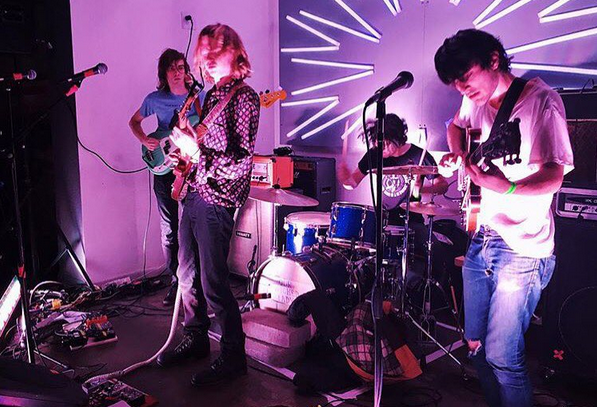
On Thursday, Oct. 15, Acid Dad shook the walls of Our Wicked Lady in Brooklyn, New York at their second CMJ performance. The Brooklyn local band has only been together about a year, but their sound has an effortlessly seasoned blend that only comes with the most organic of connections. Merging band members from all areas of the nation and globe, Acid Dad is a touch of Los Angeles meets Nashville, meets Columbia, meets Minneapolis, all booming from inside the walls of one intimate Bushwick bar.

Lights fade between shades of blue, green, and red as they bounce off the walls of Our Wicked Lady in unison with the beat of Acid Dad’s “Grim.” Their set list is one that transitions from fast-paced, harder beats to mellow, rhythmic tones as the night goes on, running through a complete set list of band and fan favorites including: “Shoot Ya Down,” “The Digger,” “Master Blaster,” “Brain Body,” “Grim,” “Cinnamon Sky,” and “Worm.”

The band’s name was created just as it sounds with one part acid and one part alliteration. To its four members, Acid Dad “just felt right” and it sounds even better.

The ensemble is made up of four members: Vaughn Hunt of Nashville on vocals and guitar, Dany Gomez of Colombia also on guitar and vocals, Kevin Walker of Los Angeles on drums and Sean Fahey of Minneapolis, the newest band member, on bass.

Described as psych-punk, a term and genre coined by the band themselves, there’s a vintage electric hew in the vocals that’s parallelled in the guitar and balanced on a quick but steady bass line. Matched with upbeat drum hits for the unmistakeable punk influence, the sounds mesh to create an energetic original sound that’s all their own.

The sound inspiration, much like the band, is a melting pot of musical tastes, experiences and icons.

“We try to be very dynamic,” said Gomez, “If anything it’s a combination of all we’ve soaked in, and we kind of try to put it out in our own way.”

“I’ve been around music forever since I was a little kid, and it’s one of those things that you just like do, and you just kind of lose yourself in it. Everything you listen to just kind of gets ingrained in the back of your head, and when you’re writing it just kind of comes out whether you do it on purpose or not,” added Hunt, “Sometimes we’ll be like, ‘Oh, okay.  Let’s write a fucking Black Sabbath breakdown here’ and sometimes it’s on purpose, but most of the time it’s pretty organic, pretty natural.”

And just as any new and thriving band does, Acid Dad is constantly evolving, and well aware of it.

“We have phases, too. We have writing phases. Like sometimes we write country, slower songs,” said Walker.

“Yeah, I’m in the country phase. We definitely like the country mood,” Hunt added, a statement which rang true through the sounds of his guitar only one hour ago as the set list slowed and the slightest hint of southern drawl weaved over the chords of “Brain Body.”

Three months after their official formation, the band saw its first big break in March of 2015, while opening for one of their friend and favorites Mystery Lights at Brooklyn’s Union Pool.

“That was a really good step forward for us, because that was when we started playing for people who weren’t just our friends, a little wider audience. Just because they’re big and they’re awesome. And we’ve played with them two or three times more since then,” said Walker.  “The whole thing happened really fast,” he added.

With no agents, producers or public relations set ups, Walker handles all of the band’s publicity, booking, and promoting shows and interviews as often as possible. The tactic is clearly working.

“Saturday, we’re opening for Shannon and the Clams, and literally all these bands we were listening to in high school we’re opening up for. That’s honestly our biggest break.  That hasn’t happened yet,” said Hunt. “We’re on the fucking fast track.”

By the end of this year, Acid Dad will have played 50 shows, according to Walker.

Big breaks aren’t the only thing Acid Dad can look forward to in the coming year. This winter, the band plans to release their first EP, I/II, which will be written, recorded, produced, and promoted entirely on their own with Hunt handling the EP’s production.

“I’m a producer, and I engineer and write lots of stuff and record all of it,” said Hunt.

“We’re really, like, autonomous, a well oiled machine,” Walker added.

To follow their run of CMJ showings, Acid Dad plans to retreat to their recording studio in Brewster, New York for a few days of writing for the new EP. Together, over the span of a few days, the band will run through their creative Rolodex, pulling from the likes of Neil Young, to the Brazilian psych rock band Os Mutantes. Big fans of 90s hip hop, there may even be some Biggie influence in there, too.

“We practice a lot. We practice at least twice a week, and I’m working on it every day. It is a lot of fuckin’ work, but it’s really fun,” said Hunt, “That’s what Eddie Van Halen talked about.  He said, ‘we’re all fucking nerds; we’re all nerds just chilling in my garage learning all this crazy shit.’  You just gotta be into it.”

“So,” said Hunt, “I guess my advice would be to know music history and know music theory.  Advice he and his band mates clearly follow as their banter is sprinkled with quotes and facts of legendary musicians, including the Van Halen and the Rolling Stones. They know their stuff.

For this young, up-and-coming band, sights are set on a sound and career they can carry with them long into the future. With role models and passions for a timeless, quality sound blazing the way, there’s no doubt Acid Dad will keep on the fast track for years to come, establishing themselves in ears and minds far and wide.

“Just to play music is the goal,” said Gomez, and play they will, because after all, they’re Acid Dad, and they’re here to stay.

The Casket Girls: ‘The Piano Album’

Posted on October 16, 2015January 1, 2016 by Maria Lewczyk

casket


On October 17, Savannah natives The Casket Girls are releasing their third album, called The Piano Album through Graveface Records.  The three piece group features sister vocalists Elsa and Phaedra Greene as well as Black Moth Super Rainbow’s Ryan Graveface.  Although the two previous albums were infused with experimental electronic sounds similar to those used by MGMT, The Piano Album takes a more low-fi approach.  With Graveface creating and playing the piano melodies and the Greenes stealing the stage with hauntingly beautiful vocal harmonies, The Piano Album is both unusual and familiar at the same time.

The album starts with the appropriately-titled track “Beginning”, one of three entirely instrumental tracks that mark up the album at the beginning, middle and end.  Advertised as the only instrument used on the entire album, the piano sets up The Casket Girls with a simplistic premonition for the rest of the tracks.  

“True Believers” follows suite with a gloomy, low-fi piano mixed with the hauntingly visceral double vocals of sisters Elsa and Phaedra.  Currently with 471 listens on Soundcloud, “True Believers” is either the most popular (so far) of the album or has gained the most exposure.  Either way, the track starts off sounding very similar to the beginning of “Flashlight”, that one song from Pitch Perfect 2 that ended the film on a happy note.  Thankfully, it progresses and sinks into dreamy territory with the repeated lyrics “we’re the true believers” melting into the piano melody seamlessly.

Tracks three and four, “24 Hours” and “Nightlife”, showcase the light nature of The Casket Girls.  With climbing arpeggios of harmonies that float away with the drowned out piano, the music is reminiscent of bedroom-pop group Fog Lake with lyrical comparisons to contemporary artist Lana Del Ray.  The lyrics seem fun due to simple phrases and lots of rhyming, but are actually acute criticisms on human nature.  With the Greenes slowly chanting “perspective is subjective, judge and jury” in “Nightlife”, it’s hard to see how something so catchy could possibly be that dark.

The Piano Album does have a lot of darker moments.  “Sixteen Forever” is a soft and gentle goth ballad that warns of maturing relationships and the new challenges they reveal.  Choruses of “You cannot please me, I cannot please you too” followed by “Only the dead stay sixteen forever” takes the light-hearted melody of the piano and turns it into something far more real.  Similarly, “Beyond a Shadow” touches once more on fallen romance and how “love never turns out the way you thought it would”.  The true and honest lyrics compare the loss of love to a loss of light in someone’s life, equating in a shadows.  Maybe that’s diving too deep into a lyrical analysis, but repeating “the source is gone” in a song titled “Beyond a Shadow” about romance could be used as evidence.

On a different note, “I Talked to God” and “Mermaid Cottage” offer surprisingly uplifting melodies and lyrics to an otherwise spookily direct album.  For a group that has the word “gothic” attached to it at all times, it makes the listener redefine their definition of gothic.  Bright and poppy female vocals juxtapose beautifully with words like “ouija board” that generally have sinister connotations, leaving a very interesting sound that The Casket Girls have fleshed out entirely as their own.

Overall, The Piano Album is a smooth listen.  The melodies created by Graveface are all very different but flow within the same vein as the rest of the album, making a musical harmony that compliments the airy voices of the Greene sisters to a tee.  The soft piano and soft vocals make it sound like two elegant women in floor-length velvet gowns with pearls and long ivory gloves are seductively serenading the listener, with overwhelming success.  Although the drowned out tone of the album may take getting used to for first-time listeners, The Piano Album will keep you coming back for more.


CMJ 2015: Malia Grace x Vinyl Mag

Posted on October 15, 2015October 15, 2015 by Emily McBride

Malia Grace -black and white

Soulful pop singer Malia Grace is heading to New York this week to perform at CMJ Music Marathon.  The Austin-based singer-songwriter has already made a name for herself in her hometown, between playing local weddings and being invited to perform at South by Southwest.  Now, Malia is set to drop her debut EP on October 29.  We grabbed a few minutes with Malia to talk about the release, having her song shared on Jimmy Fallon, and her week at CMJ.

Vinyl Mag: Your debut EP is dropping in a few weeks (October 29th) – can you tell us a little about that?

It is! I’ve been working on this EP for a year and a half and am very excited to finally get it out. The release is going to be at One2One Bar in Austin, TX and it will be a “Spook-tacular Release!” I figured since it was so close to Halloween, I might as well tell people to wear their costumes and celebrate that too. Who doesn’t love Halloween, right?!

VM: You did crowdfunding through Indiegogo for this album. What made you take that route, and how was the response? Was it surprising at all?

I took this route, because I’d seen my peers do it and be successful with it and I didn’t have the money to fund the album. I was concerned we wouldn’t reach the goal, which is why I made the funding “flexible.” I was very pleasantly and humbly surprised by the response. We hit the goal and even exceeded it!

VM: Your single “Mama Didn’t Raise No Fool” was just shared on Fallon (so cool!) – how did that feel?

Oh, my goodness! It was thrilling. I still get butterflies thinking about it. When I got the notification on my phone, my heart started racing. I had to go play a four-hour gig that night, and my hands wouldn’t stop shaking due to the excitement. It really made me feel like my music was worth it and all this time and effort wasn’t wasted. It validated my passion.

VM: You were a Music Business major, and I read in your bio that you turned down other opportunities on the business side of the industry to pursue your music full time. Can you tell us a little bit about that? What led you to decide to take that path?

I was actually interested in becoming an entertainment/copyright attorney. When I graduated college, I planned on taking a gap year, working in a law firm, and studying for the LSATs. My absolutely amazing, supportive parents talked me out of it and encouraged me to follow my passion. It was an interesting juxtaposition of roles. I decided to still work in a law firm as my day job to get to know the field while recording. Nowadays, my music is my day job, which is a blessing in itself. I still may follow the law path later in life, but I hope my music works out and I can continue on this route.

VM: Being a full-time musician is really hard in this day and age. Even huge musicians sometimes have to have a day job when they’re not on the road to pay the bills. How do you make that work?

I have a fabulous 3x/week four to five-hour gig at Truluck’s, an upscale restaurant in Austin, Tx as well as church gigs I play. Having a consistent paying gig helps me to sustain.

VM: Do you have a favorite song to play live?

It changes depending on the gig and my mood. I do always love to play, “Mama Didn’t Raise No Fool,” because it changes the energy in the room and people start to dance more. My favorite thing to do is sing my wedding song, “The One,” which is not on this EP, for bride/groom first dances. Watching two people dance while you play them your song to celebrate coming together in union is…well, there are no words.

VM: What can people expect from your live shows?

They can expect a good bit of fun and a little bit of song-therapy. I want my gigs to be cathartic for them. They can also expect to get a good dose of my personality and dry humor. I don’t really change on stage, so what you see up there is pretty much exactly what you’ll get if you talk to me in a grocery store.

VM: Who are you most excited to see at CMJ?

Honestly, I’m most excited to see a bunch of new bands I’ve never seen before. The great thing about CMJ is you can discover new artists you may have never heard of previously. The amount of talent is insane!

VM: Got any advice for attendees?

Sneakers, water, and protein bars. Keep yourself healthy, because a fest like this will take it out of you. Also important: Have fun! Go see some great bands, relax, and find some new music you dig.

VM: Where can we catch your shows this week?

I have an I Heart Radio session at the Z100 Dunkin Donuts on Friday, the 16th at 4pm, a show at Postcrypt Coffeehouse at Columbia University that same day at 9:30pm, and my official CMJ Showcase at the Big Picture Media Showcase Saturday, the 17th at 9:30pm. It’ll be a fun mix.

VM: What is next for Malia Grace?

Releasing the EP at the end of the month and getting my tour together! The Tonight Show activity generated a lot of new interest and we’re thinking through a range of fresh options. Between gigs and private events, the schedule is pretty hectic through the New Year, but I have a lot of energy and am looking for more. Other than that, only time will tell and I can’t wait to find out.

VM: Anything else you want readers to know?

I want to meet all of you!

CMJ 2015: Mitski x Vinyl Mag

Posted on October 15, 2015October 16, 2015 by Andrew Plaskowsky
mitski
Photo credit: Alex Broadwell

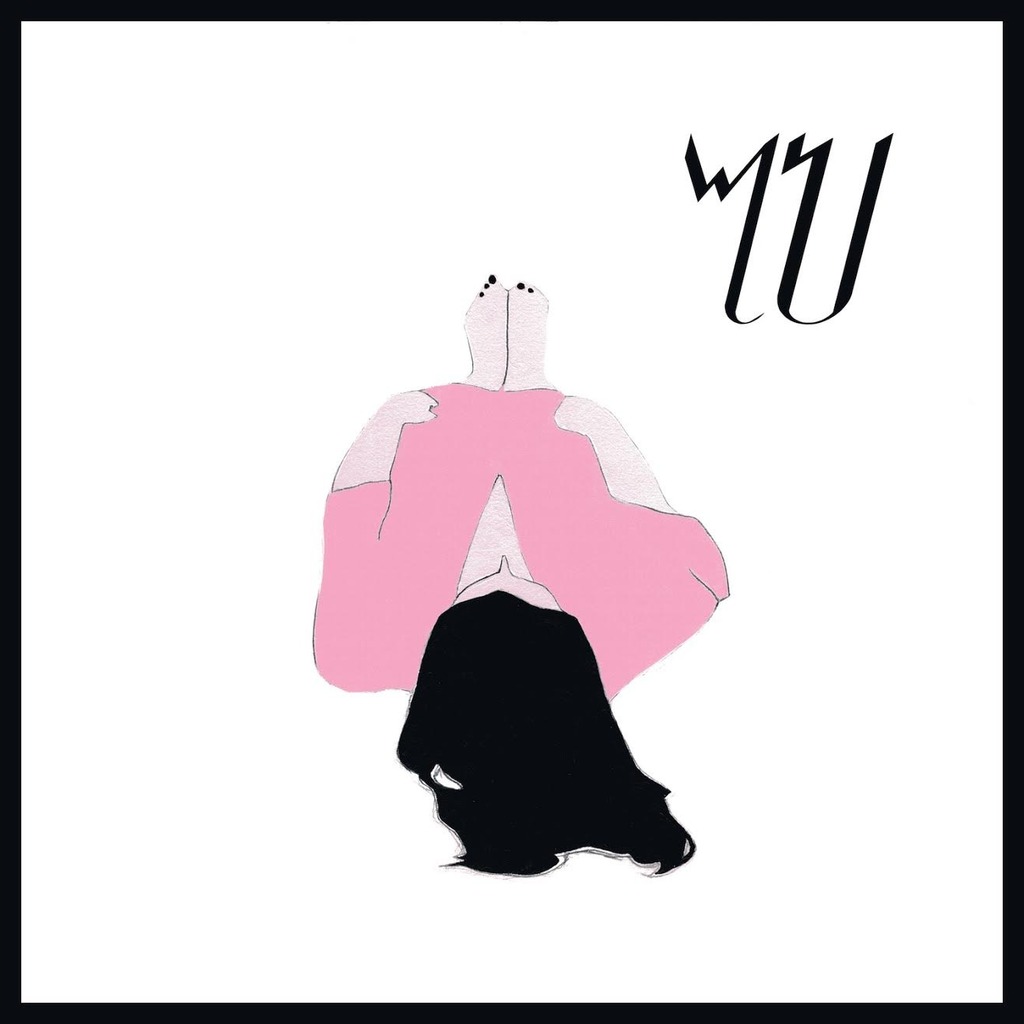
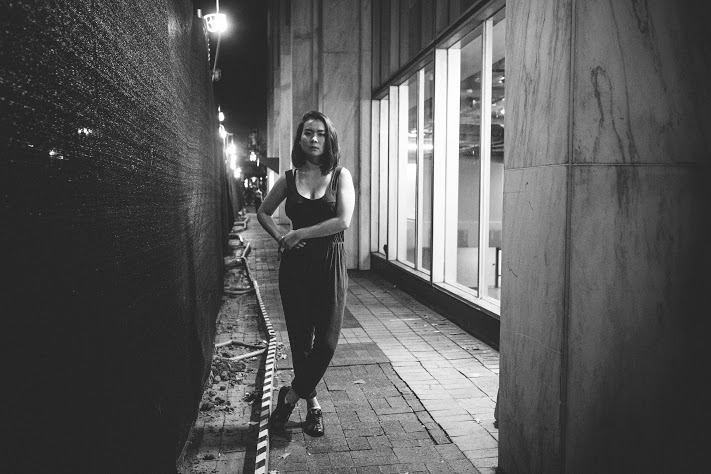
Mitski Miyawaki, known mononymously as Mitski, is a DIY singer-songwriter from Brooklyn, NY. She released her first record LUSH just three years ago, and her most recent LP bury me at makeout creek didn’t take long to capture the attention of music critics for its raw and unabashed approach to production and songwriting. The record – produced by Patrick Hyland — is a special fusion of post-punk with its squealing guitars, shredding synths and Miyawaki’s melodies. This week, she played several showcases at CMJ Music Marathon in New York and spoke with Vinyl about what exactly DIY is as a genre and the disappearing venues for other DIY musicians.

Vinyl Mag: The classification DIY is often associated in interviews with you, but there’s never a clear definition given. What does it personally mean to you?

Mitski: To some DIY is an aesthetic or musical genre, often associated with punk rock, or alternately soft and sparse folk-y music, but in either case with a “lo-fi” sound. To others DIY is who you hang out with, who you know, who knows you. To still others it’s about playing at or holding DIY spaces, whether they’re people’s houses or small venues that do their best not to directly associate with big businesses, or are non-profits, so that artists without representation or “draw” can still perform. These are all valid definitions, and are all reasons I’ve been associated with DIY in the past. They’re also all reasons I will likely stop being associated with DIY by publications over time, as I grow as an artist and my sound changes, or I start to play bigger venues that do care about “draw” etc. To some I was never DIY, because I see my music as my lifelong career – something that will buy my future house, feed my future children, take care of my parents when they’re older, and let me retire when I’m older – and by their definition music stops being DIY when it becomes a main source of personal income earned within the capitalist system. This is also completely valid.

My DIY has always been a fundamental ethos, that you build something for yourself out of nothing, something sturdy that you can rely on, with your own hands. Growing up, whenever I wanted something and asked my mother for it, or simply talked about how it would be nice if it existed, she’d tell me “Then go make it yourself.” I grew up in multiple countries, often where I don’t understand the language or rules, and with no one around who understood me. So my auto-response to my daily needs became “I don’t know where to find what I need and there’s no one around to give it to me, so I’ll use whatever’s immediately around me and make-shift it for myself.” That’s how my DIY mentality was born. That’s also why I think the most DIY music out there by how I define it is made by pockets of rap communities in the US. They build their own movements, hold their own parties and shows that draw thousands, put out mixtape after mixtape outside of the rules of the whole industry album cycle, and thrive completely by themselves, for themselves, self-sufficiently. I think Prince was DIY in the same way, hosting shows in warehouses and creating a whole musical world that people could inhabit, at times playing every single instrument in his records, and becoming a legend before ever signing with major labels. And even once he did, he always did what he knew was right for his music and fans, regardless of whether the music business itself understood it, or whether it would get him in trouble (remember his “Artist Formerly Known As” phase?). That’s why he’s such an iconic figure, and he’s still active and thriving to this day – because he had a vision, and he built it from the ground to the roof.

VM: Your most recent LP Bury Me at Makeout Creek captured a lot of attention from music publications, were you surprised that it took so long for national publications to find out about you, or did you not expect for this record to be the one that accomplished that?

Mitski: Bury Me was simply the first record for which I actually worked to promote. My first two records were my junior and senior projects in conservatory, and all I did was put them on bandcamp and post about them on facebook, while I slowly figured out how to “be” a musician. Bury Me was made once I was out of school, and I had to buckle down and make this my job. I sent it to publications, played shows relentlessly, eventually hired management, and I did the work to have it be heard. So it makes sense that it was the first album to reach people who I’m not facebook friends with, though I was also lucky that the work paid off to an extent, because sometimes (often times) it doesn’t in this business, how hard you try.

VM: Your social media is very honest, something that most artists would steer clear of; how do you think that it’s helped you establish a core fanbase?

Mitski: My core fanbase was established by my music, and my music is honest. What good would it do to make my Twitter dishonest?

VM: The record had tinges of punk in it, is that a direction that you see yourself going into or was that just sort of what you were into during the recording process?

Mitski: I may have been referencing punk sounds, but I don’t think punk as we know it exists anymore, or not in the way it did when it was born. As an ethos it will always exist, and as an ethos I hope I will always follow it, but what is punk in ethos today cannot sound like the punk of before. As a specific sound or genre, punk as we recognize it can now only exist as reference, which directly counters the mentality from which the sounds were born. As a sonic aesthetic it was born as a rebellion against the standards of music that existed at the time, in the 70’s and 80’s. There was nothing that sounded so rough, distorted, minimal, and confidently amateurish, and the very point was that it wasn’t referencing anything from the past (or it did its best not to), and that it sounded like the opposite of the majority of sound being consumed in that era. Its whole existence relied on being new and different. So when bands today follow the same musical formats, fashions, and aesthetics of punk from when it was a phenomenon, they will forever be punk cover bands, because the fact that they’re following formats that were made before, already puts them in opposition to why those sounds were made in the first place. Punk as an aesthetic today is continued out of nostalgia, which is not punk.

VM: You recently uploaded a cover of a One Direction song “Fireproof,” a lot of indie musicians would scoff at the idea of covering a boy band, but what was it about the song that really connected with you?

Mitski: I liked the lyrics, I liked the melody, and I felt like I could successfully put my own spin on it. It wasn’t really about who put out the song first. It was written by a host of writers, more than half of whom aren’t even in the band, so without 1D singing on it I was just covering a Payne/Tomlinson/Ryan/Scott/Bunetta song.

VM: Have you performed at CMJ before, and do you think events like these are important?

Mitski: Um, maybe I have? Or maybe I just played a show during CMJ that wasn’t officially part of CMJ? This festival is unique in that it’s in a city that has thousands of shows going on per day anyway, which is also why NY bands and audiences alike tend to stick to what they know and stay in their corner – there’s just so much. So I think the significance of CMJ lies more in its giving bands and audiences incentive or an occasion to go out and be part of something that’s outside their realm, or go out and see acts they wouldn’t normally see.

VM: What’s next for Mitski?

Mitski: A tour through November in the UK, Iceland, and U.S, and a new record next year.


CMJ Shows
10/15 – High Road Touring CMJ Showcase @ Mercury Lounge
10/16 – PORTALS CMJ Showcase @ Lutheran Church of the Messiah

Tour Dates
Mitski with Palehound + PWR BTTM
11/10 – Philadelphia, PA @ PhilaMOCA
11/11 – Washington, DC @ DC 9
11/12 – Charlottesville, NC @ Southern Cafe
11/13 – Durham, NC @ Pinhook
11/14 – Athens, GA @ Caledonia Lounge
11/16 – Nashville, TN f@ The High Watt
11/17 – Bloomington, IN @ Bishop Bar
11/18 – Madison, WI @ The Frequency
11/19 – Minneapolis, MN @ 7th Street Entry
11/20 – Chicago, IL @ Beat Kitchen
11/21 – Columbus, OH @ Rumba Cafe
11/23 – Toronto, ON @ Smiling Buddha
11/24 – Montreal, QC @ Casa Del Popolo
11/25 – Kingston, NY @ BSP Lounge

Smallpools at the 40 Watt

Posted on October 14, 2015October 19, 2015 by Camren Skelton

IMG_6817

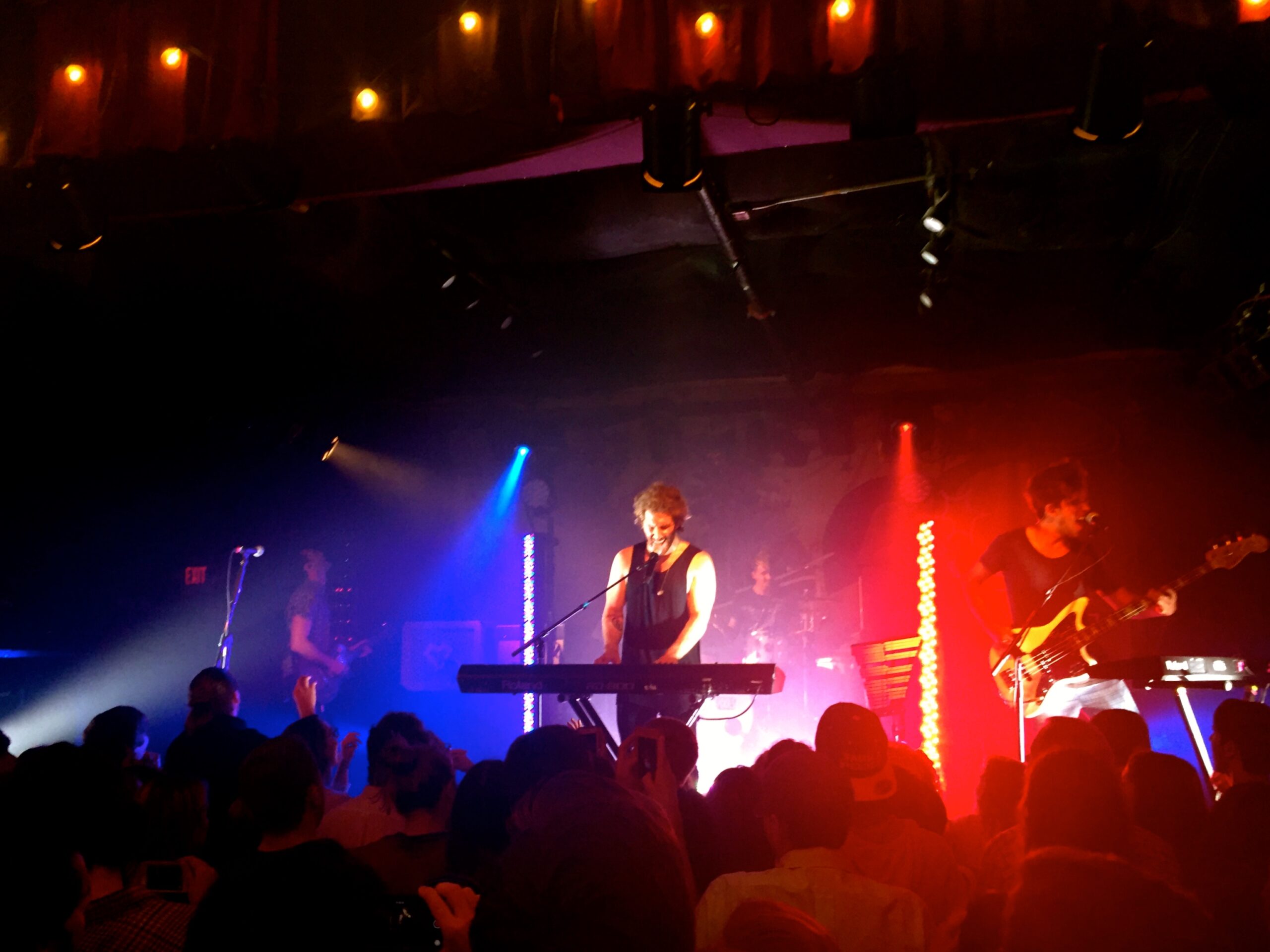
American indie pop band, Smallpools, brought a full house to the 40 Watt Tuesday night. Formed in 2013, the band is relatively young, but you would never know it from the presence they bring to the stage. With big hooks, power chords and undeniably catchy melodies, it’s impossible not to dance and sing along as they showcase their genuine talent on stage.

Opening for the band was songwriter turned solo artist Phoebe Ryan, whose lighthearted pop and memorable melodies brought lots of charisma to the stage and got the crowd adequately pumped for alternative pop band, Machineheart. Their shimmering, upbeat sound and endlessly endearing vocals of lead singer, Stevie Scott, had the crowd absorbed in the music. The band closed with their hit, “Circles”–a bouncy track that earned its’ way into Spotify’s viral 50 chart earlier this year.

Both openers set the stage for the pop-influenced sound of Smallpools. The minute the band took the stage and broke into the first chords of “Over and Over,” the crowd went crazy. The positivity and eagerness of fans was tangible in the room, and this remained steadfast as the chords drifted into “Dyin’ to Live.” An impressive drum solo by Beau Kuther closed out the opening set, leaving the audience on a whimsical high.

When the band took the stage again, they slowed things down a bit with “A Real Hero”–an emotional track that highlighted the pure vocals of lead singer, Sean Scanlon. This mellow mood didn’t last for long though. Soon, Scanlon told the story of a girl trying to escape the fishbowl life in the catchy hit,”Mason Jar,” a track off their debut LP, LOVETAP!. 

IMG_6822

This mood carried into the next track, “American Love,” as the band promoted their tour of the same name. Surprisingly enough, Smallpools was signed to a major label in 2013 before they even played a live show. Flash forward two years and here they are, on tour promoting their first full-length album. However, as displayed in their show Tuesday night, this “lack” of experience is no hindrance to the vibrant performance they bring to the stage.

Before diving into the next track, the band gave an anecdote about one of their greatest musical inspirations–The Killers. An endearing mashup of Smallpools’ hit, “Karaoke” and The Killers’ track, “Human,” followed, leaving the crowd eager for more. One of the most exciting moments of the night, however, was when Scanlon urged the audience to put away all technology, for just one song. As the track, “Street Fight” filled the room, Scanlon jumped into the crowd with a video camera, giving fans a genuine, personal and undeniably exciting moment with the lead vocalist.

When Scanlon jumped back on stage, the band broke into an acoustic mashup of Major Lazer’s “Lean On” and the traditional “Lean on Me.” The acoustic melody was even complete with a campfire (on the iPad of course).

In the encore performance, the band performed an exciting arrangement of “Killer Whales,” complete with inflatable whales to toss around the crowd, followed by “No Story Time”–another track off their 2013 EP. The infectious single that drove the band to the top of the charts closed the night–avid Smallpools fans and newcomers alike found delight in the hit track, “Dreaming,” and the night ended on a playful high.

After Tuesday’s performance, it’s evident that this band is becoming more than just a big fish in a small(pool)–they are on their way to a bigger and better ocean.

IMG_6842

Playlist: Unwind and Relax

Posted on October 13, 2015 by Camren Skelton

Ed Sheeran’s ‘Thinking Out Loud,” off of his 2014 album, x, has become the first song to hit the 500 million stream mark on Spotify. When it comes to the popular streaming service’s “Sleep” playlists, Sheeran dominates on the charts worldwide, followed by Sam Smith, Ellie Goulding and John Legend. It’s no secret that music is a key tool when it comes to relaxation. With that in mind, we’ve created the perfect playlist to help you unwind and take that much needed break from the stress of daily life.

  • Previous
  • 1
  • …
  • 35
  • 36
  • 37
  • 38
  • 39
  • 40
  • 41
  • …
  • 156
  • Next

The Latest

  • COACHELLA RECAP: the comeback of Coachella?
    by Alex Carrillo
  • UGA MBUS Student Ritika Sharma Forges Her Own Pathway
    by Libby Hobbs
  • Staff Picks to Satisfy Your Inner Choir and Band Nerd
    by Libby Hobbs
  • Staff Picks for Your Perfect Granola Playlist
    by Libby Hobbs
  • ‘It’s Only Life After All’: The Legacy of the Queer Folk Women Duo, Indigo Girls
    by Buket Urgen
  • Contact
  • Work With Us
© 2026 Vinyl Mag | Powered by Minimalist Blog WordPress Theme