Vinyl Mag
Menu
  • About Us
  • News
  • Reviews
    • Music Reviews
    • Show Reviews
  • Interviews
    • All Interviews
    • Vinyl Video
  • Features
  • Vinyl Recommends
    • Playlists
    • Year-in-review
  • MBUS
Menu

The Visual Album: Marketing Gimmick or Freeform Artistic Expression?

Posted on February 28, 2018February 28, 2018 by Erica Kastner

While it’s not exactly a new concept, the visual album has become more commonplace recently than ever before. French artist Serge Gainsbourg’s 1971 visual album Histoire de Melody Nelson has received some nods for arguably being the first visual album. Through the rest of the 20th century, bands such as The Beatles, Pink Floyd, and Prince released visual albums as well. However, this phenomenon didn’t die with the ushering in of the new millennium.


Along with grunge, Justin Timberlake, and all the fashion trends that many thought would die with the turn of a decade, the visual album has continued staying power in the music industry. In recent years, icons such as Beyoncé, G-Eazy, and Frank Ocean have released visual albums as well, which has begun to lay the groundwork for what could arguably become an industry standard in the future. Even relatively smaller artists like English alternative rock band Suede and Georgia based chillwave artist Washed Out have recently released visual albums, which shows that the trend isn’t seen solely in industry superstars.


As music videos continue to decrease in popularity, as seen through MTV’s move away from its original branding as a music video platform, artists are turning to different outlets to showcase their music. Some might wonder if these moves towards releasing visual albums are just a marketing gimmick.
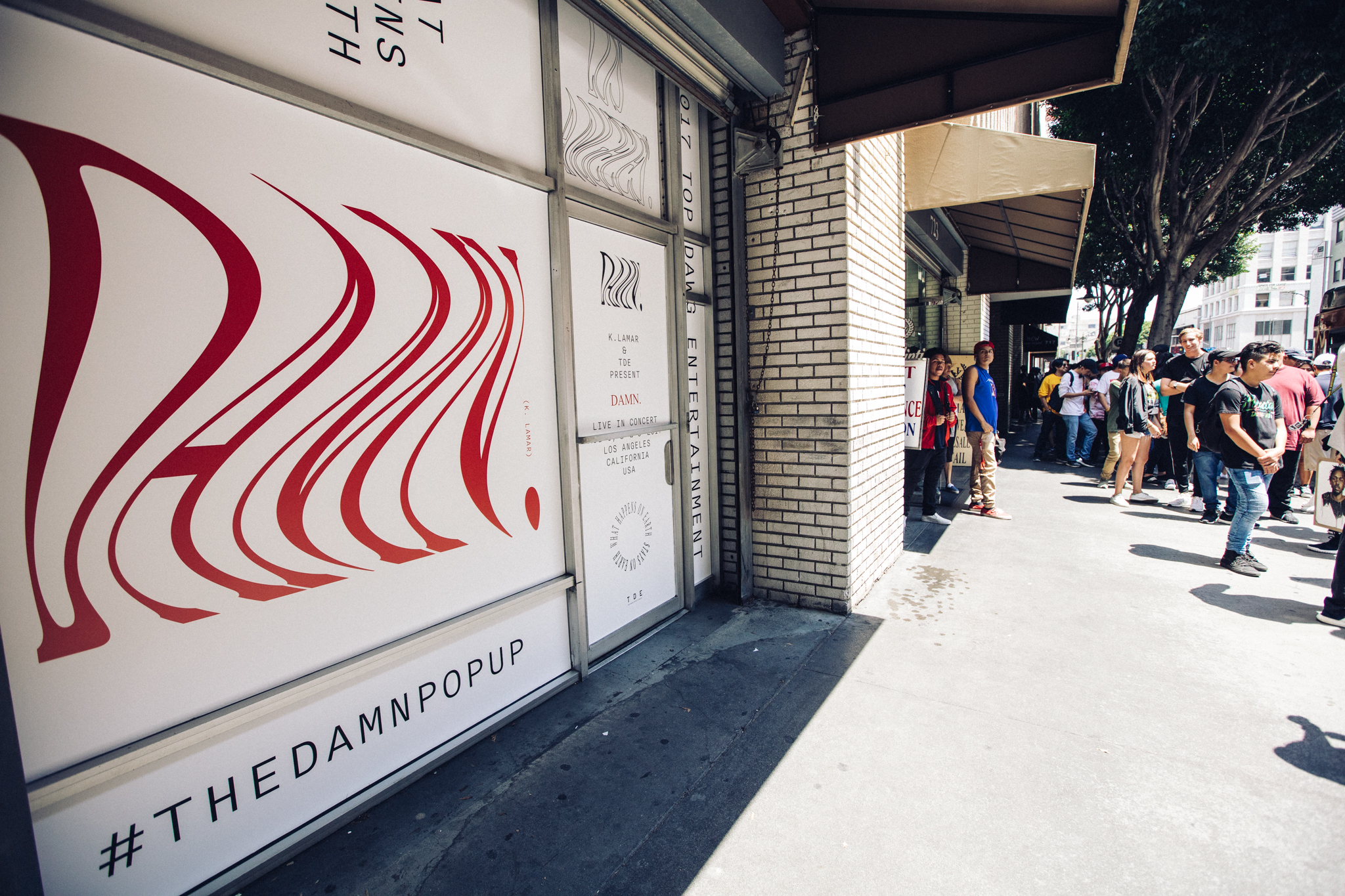
Photo: Rozette Rago
Photo: Rozette Rago


Millennials, the ever-popular targets of advertising, are drawn to brands that can give them an experience. Experiential marketing has been used in a variety of ways recently to reach millennials. For instance, artists such as Kendrick Lamar and Frank Ocean have started opening pop up shops to increase merchandise sales and build buzz around themselves.
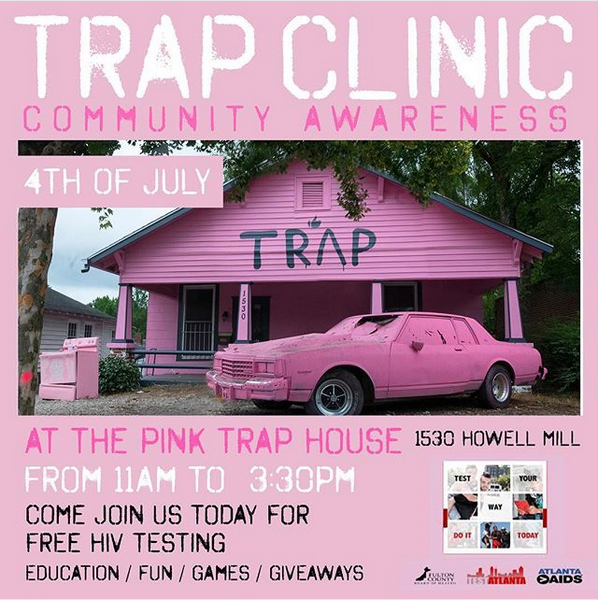
From 2 Chainz' insta
From 2 Chainz’ insta


2 Chainz opened a “Pink Trap House” in Atlanta in July 2017 as a way to promote his album Pretty Girls Like Trap Music. 2 Chainz also used the house to connect to his fanbase in the Atlanta community by opening a free HIV testing center inside the house and turning the home into a “trap church” to encourage locals to get involved with local organizations.

Millennials are swarmed daily by an increasing amount of advertising messages. Millennials wake up to ads on social media platforms like Facebook and Twitter. They drive to work and see billboards plastered along the roads. They visit websites and see sponsored advertisements along the sides and top of the page. To break through the advertising noise, artists are increasingly having to try louder tactics to reach their audiences. If artists have any hope of increasing their fanbase then they might think to turn to a visual album in the hopes of cutting through the noise.
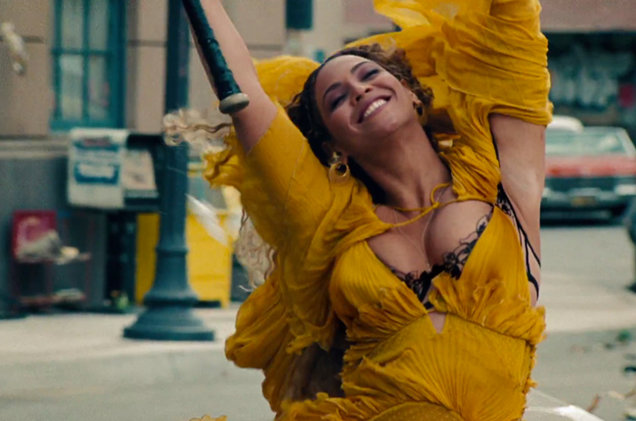
Still from "Lemonade"


Visual albums are seen by some as just another form of experiential marketing. Visual albums elevate ordinary albums to ones that take the viewer directly into the mind of the artist. Visual albums can serve as a great way to build buzz around an artist as viewers obsess and pour over every detail of the video to glean every insight and nuance from it. This can potentially translate to increases in listening streams and sales of merchandise and concert tickets.

On the other hand, some see visual albums as an increasingly popular way for artists to showcase their music as a form of creative expression. Proponents of the visual album say that they allow for the viewer to see exactly what the artist’s intended message in their songs is. They say that visual albums allow them to better understand, visualize, and internalize the album through the mind of the artist. On the other hand, opponents of the visual album say that they enjoy music because the meaning is completely open to the listeners’ interpretation, and so visual albums narrow the interpretation to solely the artists’ viewpoint.
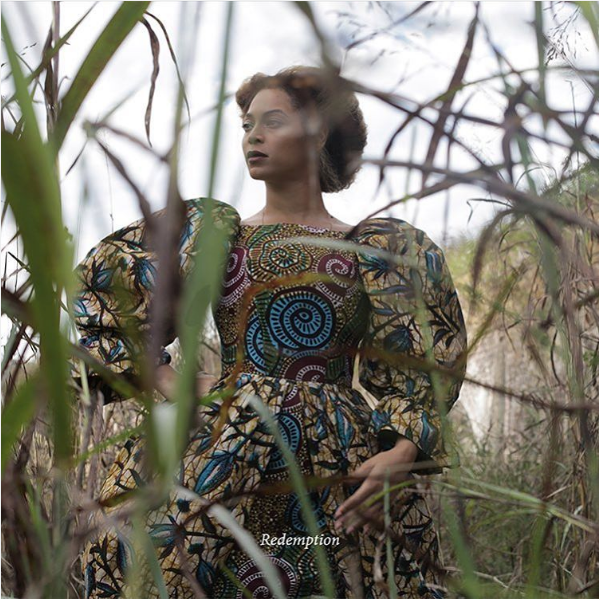
Still from "Lemonade"

I personally think that visual albums don’t constrict the amount of interpretations for the viewer because the cinematography creates more layers of hidden meanings waiting to be interpreted. For instance, in Beyoncé’s visual album Lemonade, the cinematography is so striking and unique that all the details, from the colors of her dress to the location and time period of the scene, leave room for the viewer to interpret their own meaning behind the music.

However, I digress. Fans can “experience” a normal album by listening to it but they’ll never truly see the album beyond the level that listening to it affords them. Visual albums add layers of rich meaning and substance to the album by letting the reader see the colors in the lyrics and the pain in the artist’s voice. Visual albums also allow for the insertion of metaphors and nuances visually instead of solely in the lyrics.


For instance, on Washed Out’s album Mister Mellow, the video for “Get Lost” collages a multitude of cutout photos of people from the 1960’s-80’s driving in cars. The cars help further the metaphor for getting lost and the old cutout photos of people dressed in vintage clothing help further the throwback vibes established by the keyboard and backbeat in the song.

In the world we live in, everyone seems to be disconnected from one another. We all talk to each other from behind screens and social media seems to be one of the only outlets for artists to connect with their fans. Visual albums can be another way for artists to reach through the screen and personally connect with their fans. The viewer can be taken inside the mind of the artist to connect with them on a deeper level.

So the question of whether visual albums are a marketing gimmick or a form of artistic expression remains. I personally think that it’s a little bit of both. One thing is certain, however: Visual albums aren’t going anywhere, and I predict that in the coming years they will increasingly become an industry staple. Let me know what you think in the comments below.
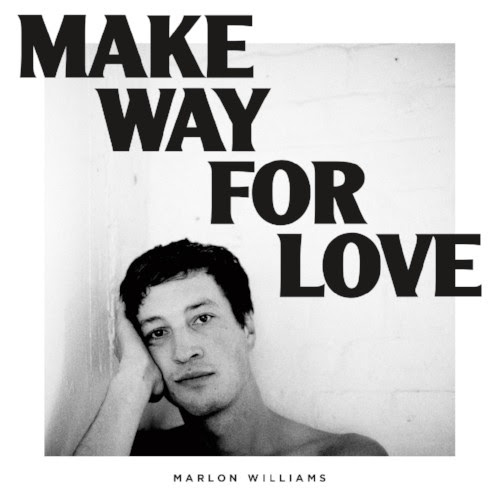
Marlon Williams: ‘Make Way for Love’

Posted on February 19, 2018February 19, 2018 by Harper Bridges

unnamed

Marlon Williams is only 27 years old, but unfailingly keeps proving that his musical maturity is a force to be reckoned with.

With a crooning voice that upon first listen may be mistaken for Elvis’s, Marlon lulls into captivation anyone who’s listening in his second solo album, Make Way for Love, combining the styles of early country with early rock n’ roll to shape a sound that the singer will make you believe has been disgracefully missing from modern music. From the first guitar strums of the title track “Come to Me,” Marlon establishes a lush, vulnerable atmosphere that he adamantly sustains until the final note.

But the native New Zealander is not a one-trick pony; he sprinkles elements of surf rock in “Party Boy” in a way so nuanced that you might not even notice yourself grooving. And smooth synth notes make an appearance in “Love is a Terrible Thing,” a shred of evidence that Marlon is not merely recreating tender music of old but breathing new life into it. Make no mistake: Make Way for Love will transport you into a long-gone era of soothing love ballads strummed into the ether by a handsome heartthrob, but Marlon taps into universal themes of love and all that accompanies it (heartbreak, jealousy, lust, bitterness) in a conceptual and robust exploration that lays enough on the table for anyone to find resonance.

The album floats along from an ode to the innocent joy of love in “Come to Me” to the warm pleas to his lover in “Beautiful Dress” (“let me wear you like a beautiful dress/let me love you”), the undertones of dripping melancholy cluing you into the retrospective nature of the album and preparing you for the descent into heart-wrenching territory. Marlon writes lyrics with the visceral anguish of Nick Cave and sings them with the gentle restraint of Roy Orbison; he sings, “people tell me/‘boy you dodged a bullet’/but if only it had hit me/then I’d know the peace it brings” in “Love is a Terrible Thing” and begins the similarly mournful “I Didn’t Make A Plan” with, “I didn’t make a plan to break your heart/but it was the sweetest thing I’ve ever done” before later belting out apocalyptic “hey-yo”s.

His melodrama is far from tawdry or unrelatable, at once making you feel both profoundly sorry for and profoundly in awe of him, and it all culminates in the penultimate track, “Nobody Gets What They Want Anymore.” Hearing Marlon trill “I cannot explain/emotions I can barely afford to contain” in a duet with the subject of the entire album, former girlfriend Aldous Harding (a musical force of her own), suddenly makes everything clearer–and hurt a lot more. No song has better encapsulated Marlon’s talent for baring his soul in a maturely tactful way, serving as a microcosm of the entirety of Make Way for Love. He is even kind enough to alleviate some of the burden of the first 10 tracks with his farewell, “Make Way for Love,” an angelic soft pop track we realized we desperately needed only after listening to it.

Make Way for Love is a rare example of an artistic work crafted so masterfully while feeling so natural and genuine that it is effortless to listen to, swelling with atmospheric emotion and directing all thought to the contemplation of Marlon’s poetic and arresting lyrics. With only his second solo album, Marlon has utilized his timeless voice in the creation of a timeless piece of art, which makes us hopeful that the best is yet to come.

10/10

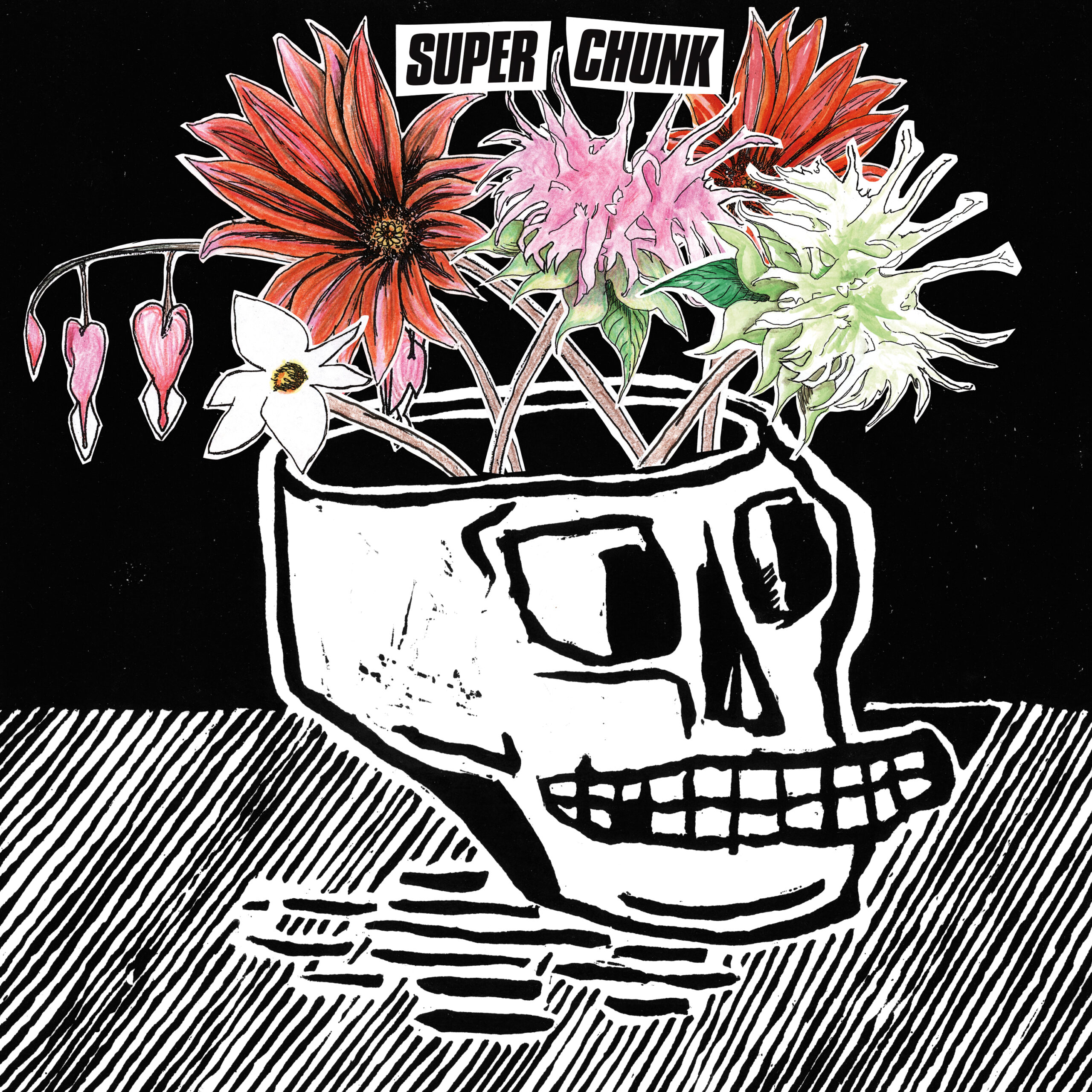
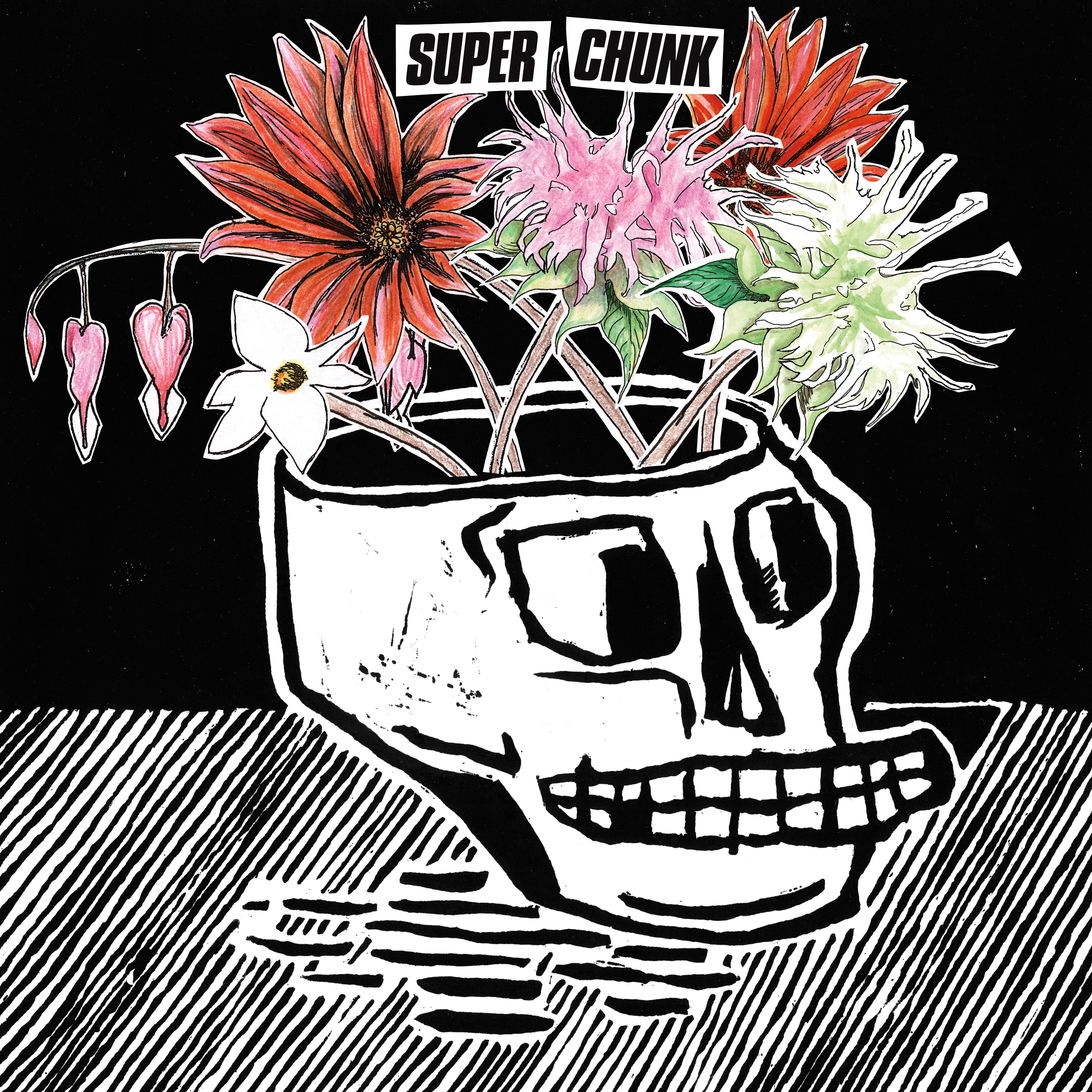
Superchunk Delivers Punk Rock Gem on ‘What a Time to be Alive’

Posted on February 19, 2018February 19, 2018 by Nate Bramel

Print

Superchunk turns anger into noise—and joyous noise at that—on the band’s newest album, What a Time to be Alive.  Twenty-eight years after their self-titled debut, the band’s fury and energy is as powerful as ever, as frontman Mac McCaughan’s vocals mesh with soaring guitars and the pulsing percussion of drummer Jon Wurster.  

The 2016 election has shaped much songwriting in the past two years, yet on What a Time to be Alive, the band strikes to the core of the political issues in a way that has seldom been used.  McCaughan’s vague lyrics yet pointed rage provide some of the best politically charged songs in recent memory. On an early highlight of the record in “Break the Glass,” McCaughan sings, “Break the glass, don’t use the door. This is what the hammer’s for,” reminding everyone to continue to speak out and fight back.

This record is a great piece of punk rock, reminiscent of the ’70s and ’80s. McCaughan gives recognition to the past on “Reagan Youth,” as he reflects on similar political fury from the Reagan administration behind the ripping guitar of Jim Wilbur. The band balances the pace of the record brilliantly, switching on a dime from the mid-tempo “Erasure” to the raucous “I Got Cut.” There is hardly a bad moment on the record. Although the short “Lost my Brain” lacks any real memorable moment, the album’s lightning pace immediately throws you into stand-out track “Break the Glass.”

From the opening riff of the title track, Superchunk shows they have their fists clenched and are ready for a fight. The album clocks in just slightly over half an hour, yet the band’s whirlwind of sound gives this record great impact over its short running time. Over its entire 73 seconds, “Cloud of Hate” gives increased ferocity to the record and highlights the band’s ability to do more with less.

The album’s best moment comes final moments on the terrific “Black Thread.” The band ends the record on a powerful yet controlled note, keeping its political tone, yet showing tremendous melody as McCaughan’s vocals intertwine seamlessly with winding guitars before urging listeners to “Cut the Black Thread.”

Throughout all 32 minutes of roaring guitar solos and cries to action, What a Time to be Alive proves to be a fantastic record. Listening to the album, it is near impossible to imagine a band 28 years into its career simply adding another LP to its discography. Rather, you imagine a band near its prime, creating music with great ferocity and even greater heart.

8/10

Car Seat Headrest Reimagines Bandcamp Opus ‘Twin Fantasy’

Posted on February 19, 2018February 19, 2018 by Nate Bramel

csh

Throughout the 71 minutes of Car Seat Headrest’s superb new (half new) album Twin Fantasy, frontman Will Toledo sings about being human. Or rather, about the struggle to be human when it feels like he simply does not relate to anyone around him. On this new version of his 2011 Bandcamp album of the same name, Toledo shines with an unashamedly honest whirlwind of a record.

This album puts Toledo’s growth as both a lyricist and a songwriter on full display, as the record is much more fleshed out and polished. Look no further than lead single “Nervous Young Inhumans,” originally a so-so middle tier song which Toledo revamped into a glam-rock opus backed by siren-like guitars. Throughout the record, Toledo doesn’t just rerecord Twin Fantasy with better equipment, but he reimagines it with years of growth as a songwriter.

That growth is most easily seen on the revamped and lengthened “Famous Prophets (Stars),” one of the album’s standouts. Toledo hones in guitar driven rage, a piano ballad and even spoken word over the span of the song’s 16 minute runtime. This song is six minutes longer than the 2011 version and is packed with ambition, including an entirely new piano driven riff that steers the song in an entirely new and fresh direction. Rarely, if ever, do these steps of ambition fall short on the record.

One of Car Seat Headrest’s strongest suits is the band’s longer songs, which have been a staple of Toledo’s throughout his career (two songs on this album clock in at over 13 minutes). Will Toledo’s ability to craft songs that continuously change and evolve is what truly sets him apart from many of his indie-rock peers. Although the length of the tracks may appear daunting at first, the evolution that takes place over each song makes the album more rewarding after each listen as seen on the romping “Beach Life-After-Death.”

The album’s main fault lies in overproduction on some tracks that benefited from the DIY sheen of the 2011 Twin Fantasy. “Bodys” is a prime example, as the lack of reverb isolates the warmness of the song and creates a far less compelling version that the original. The warmth of heavy reverb littered throughout the first record is mostly gone in the cleaned up 2018 edition. However, this problem is sparsely seen, as a great majority of this record benefits from a clearer sound.

On “Cute Thing,” Toledo begs God, “Give me Frank Ocean’s voice and James Brown’s stage presence,”( as if Toledo’s musical gifts aren’t enough to succeed). Yet, what he lacks in raw talent he makes up in songwriting and sheer ability to convey his emotion. That very same song is one of the best on the record, as Toledo’s lyrics perfectly convey the frustration, anger and hope of youth powered behind crunching guitars.

One of the joys of Twin Fantasy is how the album works on numerous levels at the same time. It captivates and succeeds as a stand- alone album and one of the best records released so far in 2018. But it also works as a re-imagination of the 2011 record and a testament to Toledo’s growth as an artist, allowing the listener to compare the two versions. Toledo has not just developed into a fantastic songwriter, but one of the best in his entire generation.

8.5/10

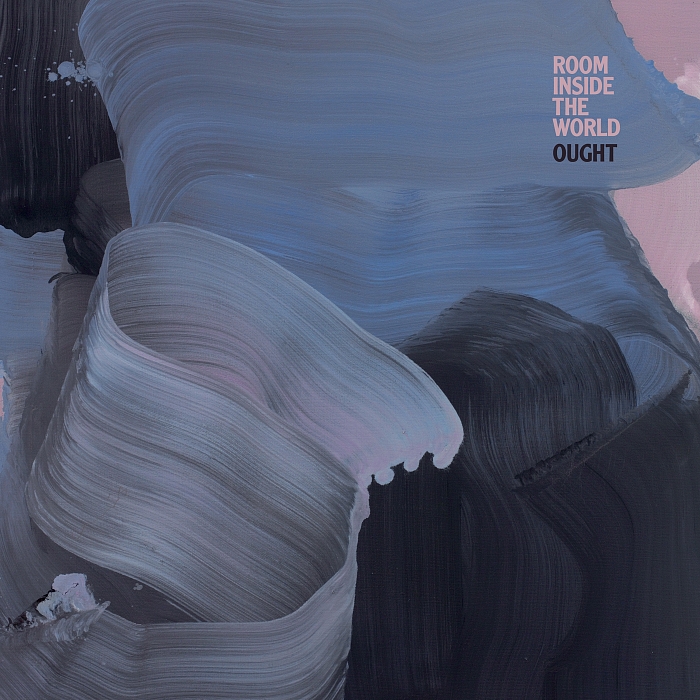
Ought: ‘Room Inside the World’

Posted on February 17, 2018February 19, 2018 by Sam Veal

ought

For a band that has excelled at portraying the several variations of panic, Ought have always kept great focus on being human in the center of an expansive map. The boldest step the band could make after 2015’s Sun Coming Down was perhaps toward the only place bigger than the planet: the subconscious. Room Inside the World is a dialing-down of the volume, but a true flexing of the band’s understanding of internal dynamics. This album is their biggest change in form and will go down as their most accomplished release yet.

Tim Darcy’s first croon into Room Inside the World, “Into the Sea,” is a Roy Orbison-like slide into the introspective: “I can’t be here in my way again.” Darcy’s lyrics have always pertained to a call-to-arms of taking on the mundane; even running errands was a declaration to the world. On this release, the hushed richness of his delivery is just as pronounced as any shout that we’ve heard on “More Than Any Other Day.” The entire band has grown in confidence, from the jangle-pop of “Disaffectation” to the shifts of “Take Everything.”  Their foray into the love song, “Desire,” is a slowed-down, intimate track met with John Mellencamp-like storytelling of fleeting, but vivid romance. The track concludes with a choral response, and even in the falling apart that ensues in the closing minute, we’re met with an aftermath of assurance. Ought’s confidence in their songwriting ability makes these songs seem like their next path as opposed to a grand departure.

The crown jewel of the album, “Disgraced in America” is an exercise in that confidence. In the past, the band’s reliance on repetition has been where they flourish, but a change in style and rhythm show us that saying something out loud doesn’t make for self-reflection. The tightly-wound drums and light vocal work show a reflection that we haven’t heard from this band prior. “Disgraced” is three minutes shorter than a lot of their other punctuated tracks of the past, but it is their most nuanced track to date.

When looking deeply in ourselves, we may not always like what we find. “These 3 Things” is a dealing with material and physical guilt: how can we expect to be of service when we have instincts that will forever tie us to selfishness and gluttony? Can we really be against something that we subconsciously desire? These questions are anxiety-provoking, and Ought have learned to backdrop them with sound textures as opposed to just volume.

It’s easy to call this album more subdued and introspective than previous releases, but this album holds just as much chaos as anything Ought have released. It’s one thing to use nervous energy to proclaim your presence to an unforgiving world, but another to use that same energy in an act of meticulous self-care. What we are left with in the end is an acknowledgement and ablution of self-doubt. Room Inside the World doesn’t play like a how-to as much as a story of survival–a story that we all know and tell as we try to make ourselves better people.

8.1/10

Born Ruffians: ‘Uncle, Duke & The Chief’

Posted on February 16, 2018February 16, 2018 by Harper Bridges

bornruffians

In their latest release, Uncle, Duke & the Chief, Born Ruffians continue to do exactly what is expected of them: yodel out jangly, catchy indie rock tunes. Whether or not you’re fatigued by the lack of substantial evolution from the band who released their first full-length album almost 10 years ago is for you to decide. In 2008, the three-piece outfit felt aligned with their indie contemporaries in a genre that was making waves, but unlike many other bands, stuck to their guns and their signature sound regardless of indie rock’s peak and plunge from the spotlight. Miraculously, however, their steam-engine mentality has landed them back in an era that once again appreciates safe, feel-good indie rock, and that brings us to Uncle, Duke, & the Chief.

Title track “Forget Me” kicks off the album with stripped-down rhythmic guitar strums supporting Luke Lalonde’s twangy vocals that often enter into The Black Lips’s Jared Swilley territory in their visceral screechiness. Lalonde’s distinct voice is the puzzle piece that elevates Born Ruffian’s fifth LP into more interesting territory.  Listening to the second track, “Miss You,” might lead one to the conclusion that Lalonde is a robot who has been studying human behavior for years and has boastfully published his thesis which reads, “I really miss you / I miss you so much baby / I miss you now / but do you miss me the way I miss you baby?” But the disconnect between the lyrics, the upbeat, heavy instrumentals, and Lalonde’s emotional yet lighthearted singing somehow works in the context of the album.  Born Ruffians are masters of melody and composition, assuaging their listeners with an almost-indistinguishable warbling synth note here and there, nostalgic whistles, and euphonic cascading guitar riffs as on “Side Tracked,” crafting a lulled atmosphere that makes the blasé lyrics fade into the background. In other words, Born Ruffians sufficiently compensate for their weaknesses.

Uncle, Duke & the Chief maintains variety in its 9 songs clocking in at about the 30-minute mark.  The soft rock rhythm section underscores the soulful pop vocals on “Side Tracked,” which is followed by a driving reverbed drum beat on “Fade to Black,” which is immediately followed by the nostalgic ballad “Love Too Soon” containing Mac Demarco-esque hazy guitar effects. Born Ruffians understands that the middle of the album is where listeners tend to get lost and deplete their arsenal of creative tactics on tracks 3-5. Unfortunately, past track 5 they weaken with four stale (and almost awkward in the case of “Tricky”, which seems like a desperate attempt to jar listeners into paying attention with its harsh marching-band drum beat and mechanical guitar screeching) indie rock tunes that don’t have much to offer save for Lalonde’s enduringly pleasing vocals.

Overall, Uncle, Duke, & the Chief reinforces the fact that Born Ruffians knows who they are and will never change, for better or worse. Listeners who are craving more catchy, melodic tracks from the indie group will without a doubt enjoy the album, which is lush and well-crafted with a few missteps. As long as no one is desperately craving some deeper emotional vulnerability from the band, whose generic lyrics continue to frustrate (mentioning masturbation on “Love Too Soon” is about as gritty as it gets), there’s enough to like about this album to give it a listen.

7/10

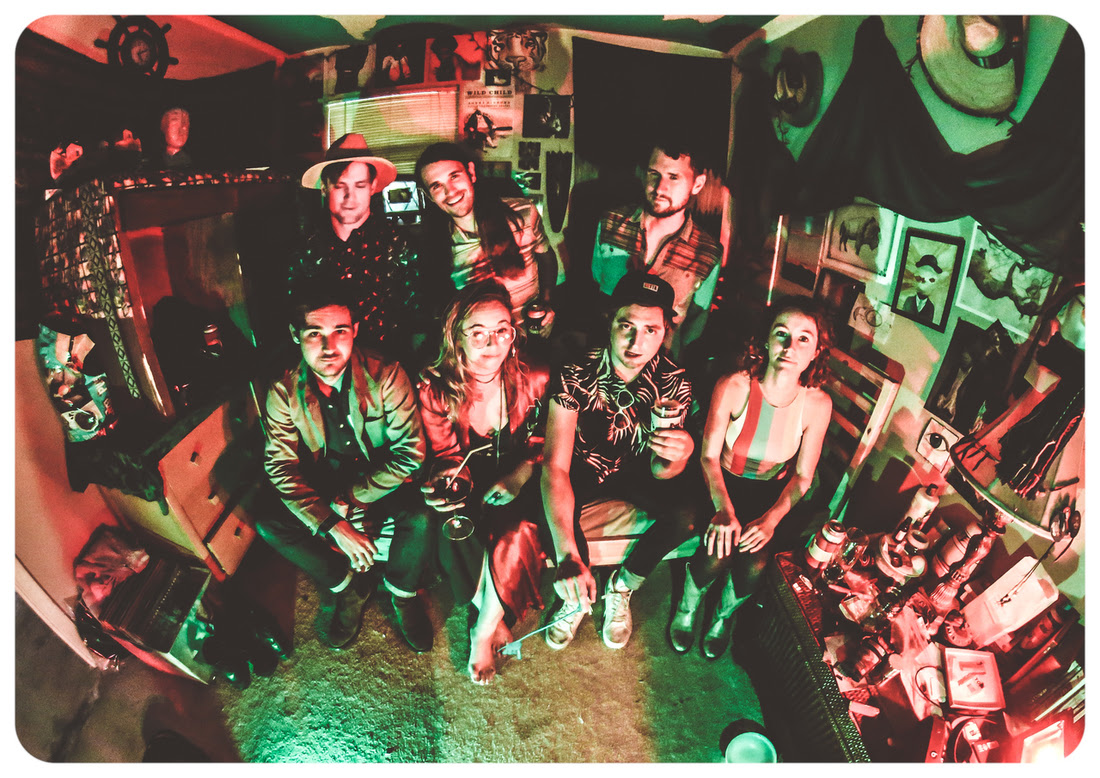
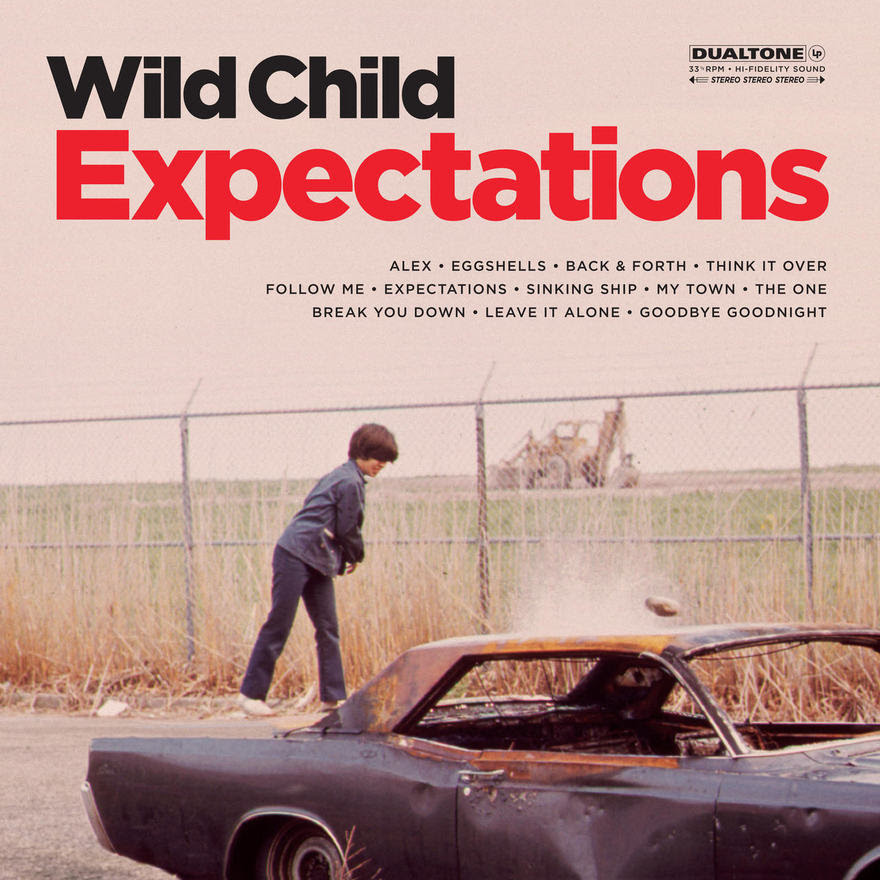
Wild Child: ‘Expectations’

Posted on February 9, 2018February 19, 2018 by Anna Lee

unnamed (2)

There are love songs, there are breakup songs and then there are the songs on indie-pop band Wild Child’s newest album, Expectations. They describe relationships in limbo, which is an all-to-relatable status nowadays. The members of Wild Child have successfully managed to mature sonically while still remaining true to their fundamentals. While the band has certainly grown in numbers over the years, the tracks on their newest album succeed in paying homage to their earlier, simpler days.

Expectations is by far the Austin-based band’s most passionate album. The lyrics are introspective and especially impactful alongside Kelsey Wilson’s powerful vocals.

While the first track, “Alex,” is my personal least favorite of the album, I have to respect the choice to kick off the somewhat serious album with a more lighthearted sound. Now don’t get me wrong; the track still has the same push-and-pull relationship drama storyline that much of Expectations deals with.  Title track “Expectations” builds momentum until around 3:20, where you can really hear Wilson’s emotions pour out through the vocals. At one point, her voice actually reaches a scream, which would almost seem out of place for Wild Child, but context justifies the move, and the experiment is magnificently successful.

The title track, along with other up-tempo tracks including “Back & Forth” and “Think It Over,” demonstrate not only Wilson’s vocal chops and passion, but also the growth and development of the rest of the band. This many-layered album is a particularly good example of the wide range of talent Wild Child contains. Whether it’s a trumpet, violin, cello or ukulele, the band seems to always find a way to build upon their sound.

The slower tracks on Expectations are no exception. “Follow Me” is arguably the band’s most sensual song to date. And I can’t ignore the fact that the combination of “Sinking Ship,” “My Town” and “The One” legitimately made me cry.  You know you’ve got a powerful album when one fourth of it brings out actual tears.

There were times in Wild Child’s 2015 album, Fools where I felt they were getting dangerously close to losing their signature, stripped down and simple sound. Where Fools lost that, Expectations has found it again with ease. “The One,” released as a single and as a music video, reminds me that it’s the harmonies of Kelsey Wilson and Alex Beggins that first made me fall for this band. While the rich texture found in their more upbeat tracks relays more passion at times, there’s nothing like Beggins’ ukulele.

Overall, Expectations pulls at your heartstrings. I hate to fan girl even more, but here’s to hoping we won’t see the last of Wild Child anytime soon.

7.5/10

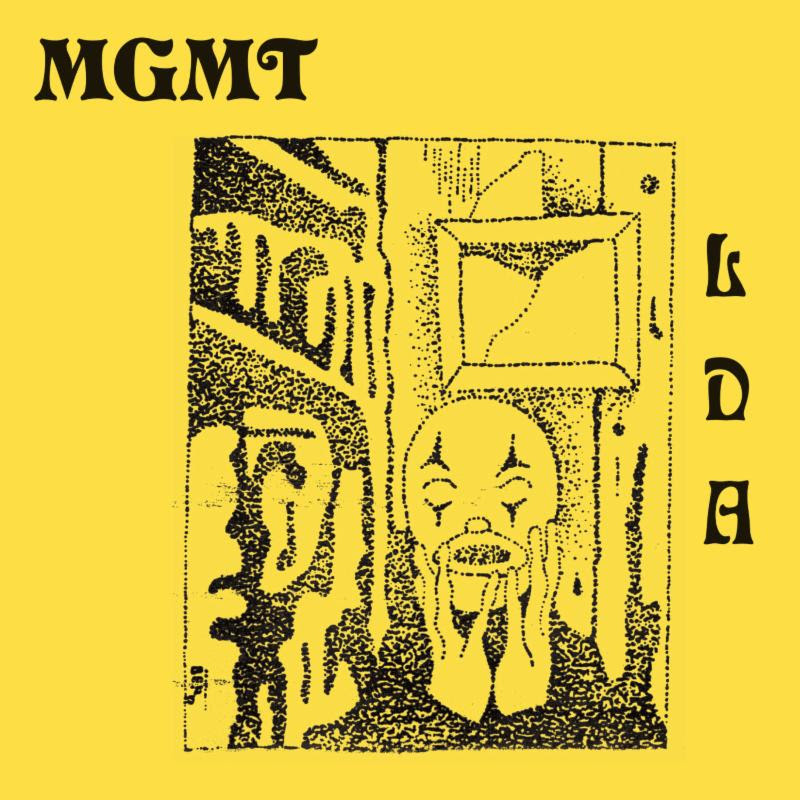
MGMT: ‘Little Dark Age’

Posted on February 9, 2018February 19, 2018 by Anna Lee

unnamed


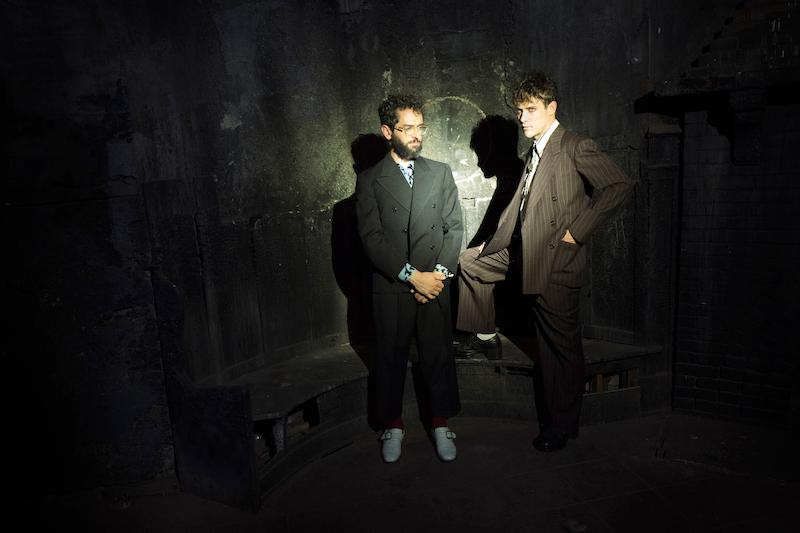
No matter what you think of MGMT, you’ve got to give them props for refusing to become stale. The band has evolved from their original bohemian rocker aesthetic, refusing to be defined solely by Oracular Spectacular, the hit album that boosted them into the spotlight over a decade ago. That being said, their newest album, Little Dark Age, tells me that they’re still not quite sure who they want to be.

Their first two singles, “Little Dark Age” and “When You Die,” which were both accompanied by music videos, made many think that they had begun to find an image. The “Little Dark Age” video shows a transition to a new, goth-pop territory; while “When You Die” makes it clear that they’re still not done using trippy, out of this world visuals.

In many ways, Little Dark Age does succeed in balancing the fine line between experimentation and clutter, in ways that their 2013 self-titled album failed to achieve.

The return of catchy hooks and seemingly effortless lyrics found in their first two singles, along with many others on the album, give the impression that the band is finally willing to lean into the commercial success of Oracular Spectacular and the upbeat rhythms, synths, and special effects that come along with it, without abandoning their obvious desire to develop more maturity in their sound.

In many tracks, including “One Thing Left to Try,” “Me and Michael” and the title track, “Little Dark Age,” MGMT demonstrates an evolution of sorts as they embrace the darker sounds of ‘80s synth pop, which works for them. After the “Little Dark Age” video was released, many comparisons were drawn between MGMT and The Cure, with a confident Andrew VanWyngarden boasting long, dark hair and eye makeup as he sang the gothic lyrics of the track.

However, “She Works Out Too Much,” and “TSLAMP” find the band back to grasping at straws when it comes to their sound. “She Works Out Too Much” is an overexertion of energy (no pun intended), sounding more like parody than originality. MGMT has succeeded in the past, and even on this album, in making powerful, societal remarks throughout their songs, but “TSLAMP” is too on-the-nose and obvious to be impactful. “TSLAMP”–standing for “Time Spent Looking At My Phone”–speaks of the trivial obsession with the cell phone, honing in on a message that’s far from revolutionary, bringing nothing new to the conversation but a cringeworthy attempt at a call-out.

Overall, Little Dark Age shows some serious growth for MGMT but still falls short at points. Slower tracks like “When You’re Smaller” and “Hand It Over” are reminiscent of Congratulations, (in a very welcome way), while “James,” which was recorded while the entire band and the producer were tripping, exemplifies MGMT’s tendency to try too hard to be unique and far out.

This album is difficult to decipher, albeit an important next step in MGMT’s journey to self-identification. The band is still teetering somewhere in between not caring what people think and caring too much, but their ability to converge organic sounds, steady beats and melodies is ever undeniable.

7/10

Looking Ahead…Imagine 2018

Posted on November 24, 2017 by Jacklyn Citero
[tps_header]

imagine4 copy

It’s never too early to start looking ahead. While we just closed out the 2017 festival season, we’re already starting to plan for 2018. And trust us, it will be here sooner than we know it.

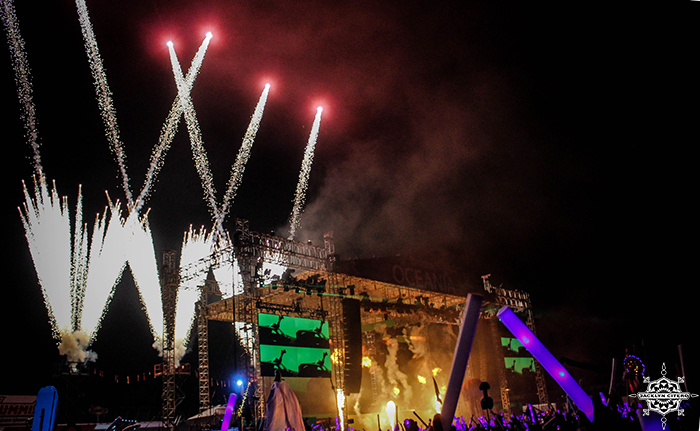
One festival that’s already on our radar for next year is Imagine. 2017 marked the fourth edition of the immersive aquatic fairytale and the second year the festival called Atlanta Motor Speedway home. For three days this past September, Imagine transformed the Speedway’s pavement into an all-encompassing, 360-degree sensory experience that blended some of the best electronic sets we had seen all summer, circus troupes, performers, dancers, and art.

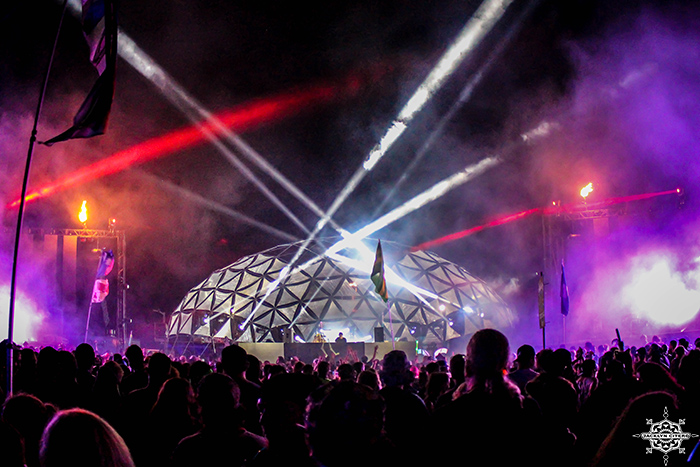
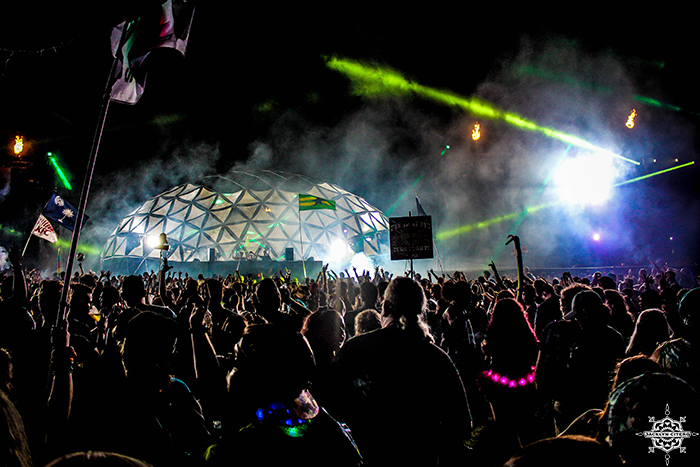
Upon entering the venue, you were first met by the Disco Inferno Stage. Created by Incendia, the geodesic massive structure featured a spellbinding fire and flame effect that coincided with the music. This stage and the environment it produced not only was our favorite stage of the entire weekend, but many other attendees’ favorite as well.

imagine2 copy

The two largest stages, Oceania and Amazonia, were each housed on opposing end of the Speedway. At Oceania we indulged under Tiesto’s fireworks, got down to some Liquid Stranger, and basked in Sunday’s sunset during Illenium. It was at Amazonia where we celebrated some of the best festival sets we had seen all summer. From a throwback and hard hitting Pretty Lights set, to a funkin good time with The Floozies, to a Sunday Funday with STS9, Amazonia enthralled us all weekend.

imagine6 copy2

This year proved that not only is Imagine (rightfully) the region’s largest independent EDM camping festival, but it just might be one of the best. While there may be a few more months until we get the 2018 lineup, you may want to jump on the special customer appreciation tickets while they’re still available – less than 12 hours remain on these prices. It is with certainty that Imagine will keep attracting some of the industry’s biggest talent, and with 2018 being the festival’s fifth anniversary you won’t want to miss out on what is to come.

[/tps_header]

imagine3 copy

Pages: 1 2 3 4

Track-By-Track: Wanderwild Talks Debut ‘In Due Time’

Posted on November 20, 2017November 20, 2017 by Vinyl Mag

Wanderwild2byChelseaKornse

Athens, GA-based Wanderwild have released their debut full-length, In Due Time, out now.  Wanderwild, originally the brainchild of singer, songwriter, multi-instrumentalist, and producer Matt Martin, has since its inception evolved from a solo project into a full-fledged band with Martin at the helm.

“The album title, In Due Time, refers to the theme of patience — relationally, creatively,” said Martin of the album.  “That was challenging me while making the album. I’m constantly having to remind myself to find a balance between hard work and faith in the process.”

We asked Martin to take us through each track on the album and give us further insight into his inspiration and writing process.

Check out his track-by-track rundown below, and be sure to queue up the album stream below.

“Control”

“Control” has always had an X factor for us. It’s in an asymmetrical time signature (7/4), uses jazz inspired chord voicings, and was originally intended to be played with a drum machine. We had a lot of fun with textures and layers in the production process—field recordings of rain, reverbed synth sounds, etc. It wasn’t always going to start the album, but became irreplaceable once we entertained the idea. It’s a song about being frustrated with shallow romance and the “illusions of control.”

“In Due Time”

The spark for “In Due Time” came during an afternoon jam session with Wes [Gregory], our drummer. We somehow started riffing off of “Everybody Wants To Rule The World,” and ended up with an iPhone voice memo that sketched out what would become the verse and chorus sections. I like to work under a little bit of pressure, so I actually booked studio time before the song was even finished. We hammered out the arrangement as a band the day before we recorded it. It’s a satisfyingly dynamic song for us, and the build in the bridge is one of our favorite moments on the album. Strangely enough, I named the song after the album title (which had already been decided), instead of the other way around.

“Coalesce”

“Coalesce” happened in a day. One morning I woke up with a drum beat and synth loop in my head, and spent the next 14 hours pursuing it. It’s mostly sample based, and represents a totally different workflow (computer based) than I usually employ. The process was exciting and liberating. The melodies and instrumental track all happened in that same day, but I didn’t record the vocal until a year later. Thankfully the song stood the test of time, because almost nothing was changed. It showcases my most honest attempt at a shameless pop chorus.

“Plans”

“Plans” is one of the most honest songs I’ve ever written. It was born out of sadness and heartache, in part because I was tragically unsurprised. I’m thankful I wrote it in such an emotional state, because I’m not sure hindsight would have allowed me to write it with such transparency. We kept the band arrangement incredibly simple to help highlight the fragility and vulnerability that the song contains. It translates live better than any of us expected, and is really fun (albeit depressing) for me to sing.

“Seasons”

You know when you have a roof over your head and food on your plate, but still have a sadness that you can’t justify or pinpoint or explain? That’s what “Seasons” is about. I’m trying to talk myself into seeing the value in the darker moments, despite how challenging they can be, because they truly are essential. I was particularly inspired by The National’s rhythm section on this one. That’s nothing new, but this song really highlights that influence from both a production and arrangement standpoint.

“Taxi Cab”

“Taxi Cab” is similar to “Plans” in its vulnerability and subject matter, but channels frustration more than sadness. I’m not a very angry person, but this song flirts with that emotion heavily. It’s dynamic in a similar way to “Control”, and starts side B of the record with the same intention. The ending is unhinged and chaotic, which is reflective of the lyrical content, and a whole lot of fun for us to play live.

“Dreams”

“Dreams” is a song about me trying to convince myself to keep pursuing music. It was written in a time of self-doubt and uncertainty, in the early days of Wanderwild’s existence. I wasn’t on the verge of quitting music necessarily, but I was struggling to find meaning and purpose behind songwriting and creativity. I was tired of placing stock in other people’s validation, and needed to find new joy and conviction in my work. Currents by Tame Impala had just come out when I wrote “Dreams,” so that record definitely influenced my production approach. Specifically the filter in the intro and third verse, and the punchy, real-but-sampled-feeling drum sounds.

“Numbers & Exchanges”

Admittedly, I sometimes feel like acoustic tracks are filler, but “Numbers & Exchanges” really wanted to be on this album. It’s a song about human value, and battling the feeling of being reduced to commerce and commodity. The piano outro was a last minute addition that I stumbled upon while we were sequencing the album. It’s a sketch that I recorded on my dad’s piano in Cleveland a few years ago that I’d totally forgotten about it. Amazingly, it paired perfectly with the song, and offered a new contemplative space within the album.

“Day 31”

“Day 31” was the last song to be written for the album, so it’s a fitting way for the album to end. It’s called “Day 31” because I wrote it on the 31st day of 2017. I wanted to write a song that avoided flowery language and metaphor and spoke directly to where I was at in life. I had just graduated from college, and was trying to figure out which moments were and weren’t sacred in my life. Possibly all of them, possibly none of them — I wasn’t sure, and certainly knew I never could be, but found solace in the people and spaces around me. The seemingly mundane moments in life can sometimes be the most meaningful. I wanted the album to end with an exclamation mark, and the outro of “Day 31” allows it to do just that.

  • Previous
  • 1
  • …
  • 14
  • 15
  • 16
  • 17
  • 18
  • 19
  • 20
  • …
  • 156
  • Next

The Latest

  • COACHELLA RECAP: the comeback of Coachella?
    by Alex Carrillo
  • UGA MBUS Student Ritika Sharma Forges Her Own Pathway
    by Libby Hobbs
  • Staff Picks to Satisfy Your Inner Choir and Band Nerd
    by Libby Hobbs
  • Staff Picks for Your Perfect Granola Playlist
    by Libby Hobbs
  • ‘It’s Only Life After All’: The Legacy of the Queer Folk Women Duo, Indigo Girls
    by Buket Urgen
  • Contact
  • Work With Us
© 2026 Vinyl Mag | Powered by Minimalist Blog WordPress Theme