

Vinyl Mag
Menu
  • About Us
  • News
  • Reviews
    • Music Reviews
    • Show Reviews
  • Interviews
    • All Interviews
    • Vinyl Video
  • Features
  • Vinyl Recommends
    • Playlists
    • Year-in-review
  • MBUS
Menu

Nate Bramel

Rainbow Kitten Surprise: ‘How to: Friend, Love, Freefall’

Posted on April 9, 2018 by Nate Bramel

rks album

On paper, Rainbow Kitten Surprise should be a complete disaster: A North-Carolina five-piece playing moody folk-rock music with spurts of rapping, paired an ultimately ridiculous name. Yet somehow, the band has beat the odds and gained quite a reputation for incredible shows and a distinct sound. On RKS’ third studio effort How to: Friend, Love, Freefall, the band is at its most confident and consistent in its career, with its best album to date.

The success of Rainbow Kitten Surprise stems from its brilliant frontman Sam Melo. The singer’s gorgeous voice and ability to change from soft to loud in a blink makes his voice a powerful instrument. The singer’s growth is fully evident immediately on lead single “Fever Pitch,” as the song begins with Melo’s beautiful falsetto (which thankfully is all over the album) before moving into a rapid-fire rap-like fury. Melo is not necessarily always rapping, but he certainly isn’t simply singing either, which serves as an ultimate strength to the album as the band refuses to fit under one genre.

The band’s vocal skills are on full display early on the record as harmonies between Melo and guitarist Derrick Keller are truly gorgeous. On an early highlight of the record “It’s Called: Freefall,” melodies and slow-building acoustic guitar help carry the song throughout its two brilliant minute runtime. The band’s softer side comes out on the album’s later half on the gorgous “Painkillers.”

That isn’t to say that every song is a wild success. “When It Lands” for instance is the album’s low point as the song tirelessly goes from slow to fast and features Melo’s most careless lyrics about good vibes and hanging out. That being said, there is much more good than bad on this record, including the aforementioned “Painkillers” which immediately follows and brings the album back into focus.

The record is at its best when it sounds more raw and experimental, especially on the delightfully grooving “Hide” . Melo used the release of this song to openly come out, as he sings to his Mom about a new partner. The song moves at a leisurely pace before a guitar solo that screams homage to Modest Mouse catapults the song into a remarkable uptempo filled with huge energy. That Modest Mouse sound is especially evident on the ripping guitar riff of “Matchbox” which is particularly reminiscent of “Dashboard.”

Friend, Love, Freefall is the first Rainbow Kitten Surprise album that works as a full piece of work, which is a refreshing aspect of this record. The songs work towards a greater tone of the record, not just to stand out on their own. The album sets the tone with a 30 second acapela opener “Pacific Love” and closes with one of the band’s most moving tracks to date in the keyboard led “Polite Company.” The band’s attention to detail and focus on creating a distinct sound shows great growth from the band’s subpar 2015 album “RKS.”

The album’s final highlights come with the remarkable closing sequence which begins with “Possum Queen.” The increased role of keyboards on this record greatly help Rainbow Kitten Surprise grow sonically without sounding overwhelmed with new sounds. Melo experiments with his voice as he wanders throughout the song curiously backed with a pounding drum beat that pushes the song in an exhilarating and unexpected way. The song transitions into “Polite Company,” that ends the record on an introspective note. The attention devotion to perspective rather than thrills greatly benefit the second half of the album as it helps change tone from the largely upbeat first half.

As a whole, How to: Friend, Love, Freefall shows Rainbow Kitten Surprise maturing by leaps and bounds as they not only continue to grow their sound but also grow in scope and focus. Backed by Melo’s compelling vocal performance and the band’s many risks, the album stands out as a truly great listen from start to end and is the band’s best work to date.

7.8/10


Sunflower Bean: ‘Twentytwo in Blue’

Posted on March 23, 2018March 24, 2018 by Nate Bramel

sunflow

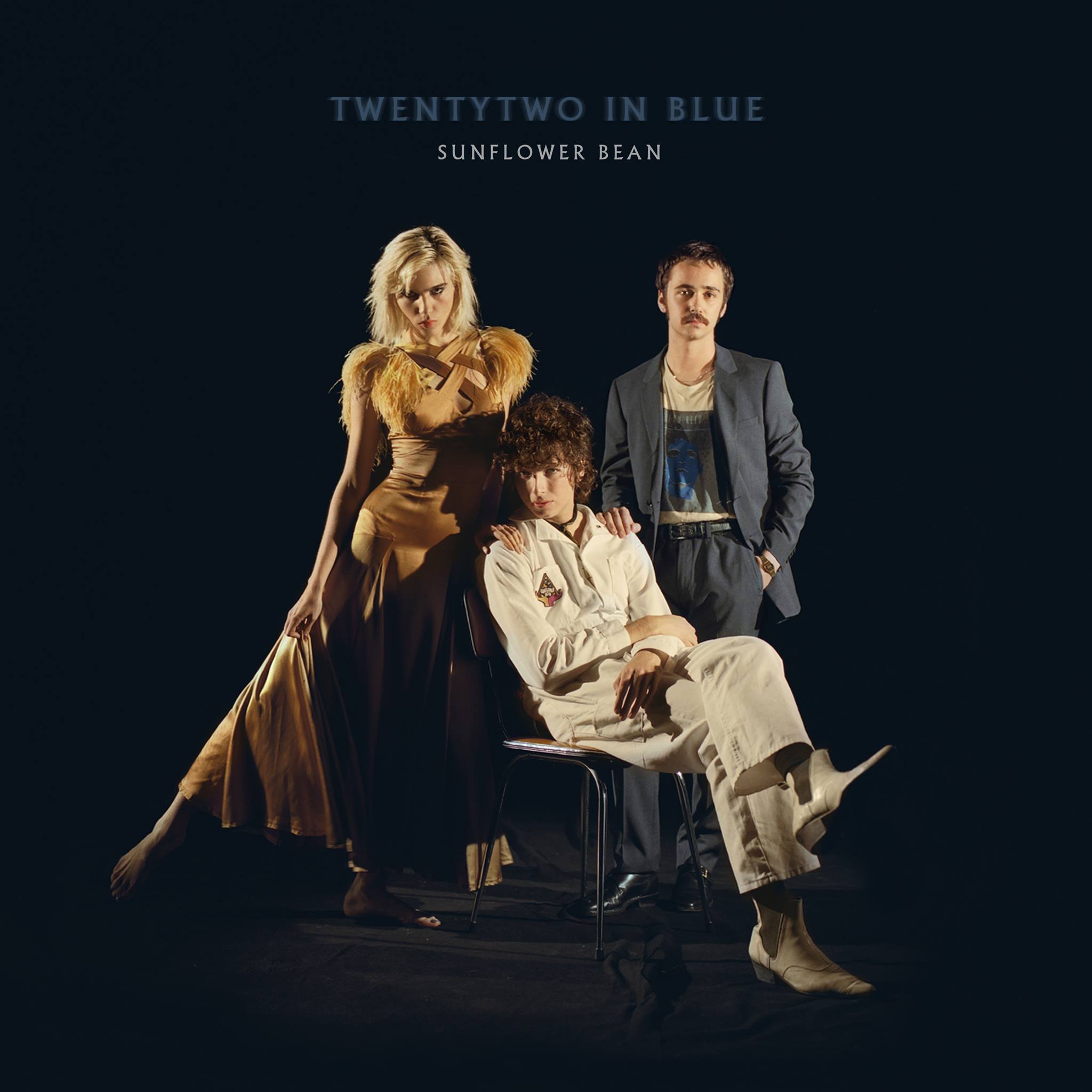
To understand just how much that the Brooklyn trio has grown in the past two years, look no further than the cover of the band’s terrific new album, Twentytwo In Blue. The three members of the band are spotlighted in the middle of the picture; a cover that is more confident and much less cluttered than the band’s 2016 debut Human Ceremony. On this record, the band takes tremendous strides towards a truly memorable and distinct sound.

An immediate highlight of the record is lead singer Julia Cumming’s newfound confidence and enhanced role, which puts her commanding yet soothing vocals to the forefront. The delivery of her voice allows the band’s classic rock sound to come off more sincere as seen on the stomping “Puppet Strings” as Cumming elevates the song’s impact.

Unknown Mortal Orchestra’s Jacob Portrait’s crystal clear production gives the band more clarity and greater punch on each track. From the initial moments of album opener “Burn It,” there is a more grandiose and powerful sound. At times on Human Ceremony, Sunflower Bean seemed lost in their own haze and volume. There is great confidence and poise on this new album that sees the band fully aware and in control of how they want to sound.

The album’s change in tone and breezy 40 minute runtime offers a genuine classic folk-rock offering while still feeling fresh. At times, the band’s youth and search for a sound is still evident as seen on the cringe-worthy backing vocals on “Crisis Fest.” In these moments, the band comes off more as imitators rather than the real deal. However, as a whole the band’s shows tremendous promise and leaps towards a refined sound on this record.

Throughout Twentytwo In Blue, Julia Cummings remains fully in control, sounding much wiser than her meager 22 years of life lets on, especially on the title track “Twentytwo.”  Cumming’s strong vocals intertwine perfectly with jangling guitars reminiscent of 70’s folk rock, but with a newfound confidence and assurance. Her gorgeous lyrics are also put on display on the sunny “Memoria” as she sings “You are the mother who turns in her sleep.” This shows great attention to detail.

The album closes on a wonderful note with the gorgeous “Oh No, Bye Bye” as Nick Kivlen’s deadpan singing fuses tremendously with Cumming’s sunny vocals. As is seen in the rest of the album as well, this song shows the band’s grand development sonically as the song is bursting with intriguing layers of melody. Although at times Sunflower Bean’s youth is apparent, on Twentytwo in Blue, the band’s development within just one album is both astonishing and triumphant.

 8/10

Superchunk Delivers Punk Rock Gem on ‘What a Time to be Alive’

Posted on February 19, 2018February 19, 2018 by Nate Bramel

Print

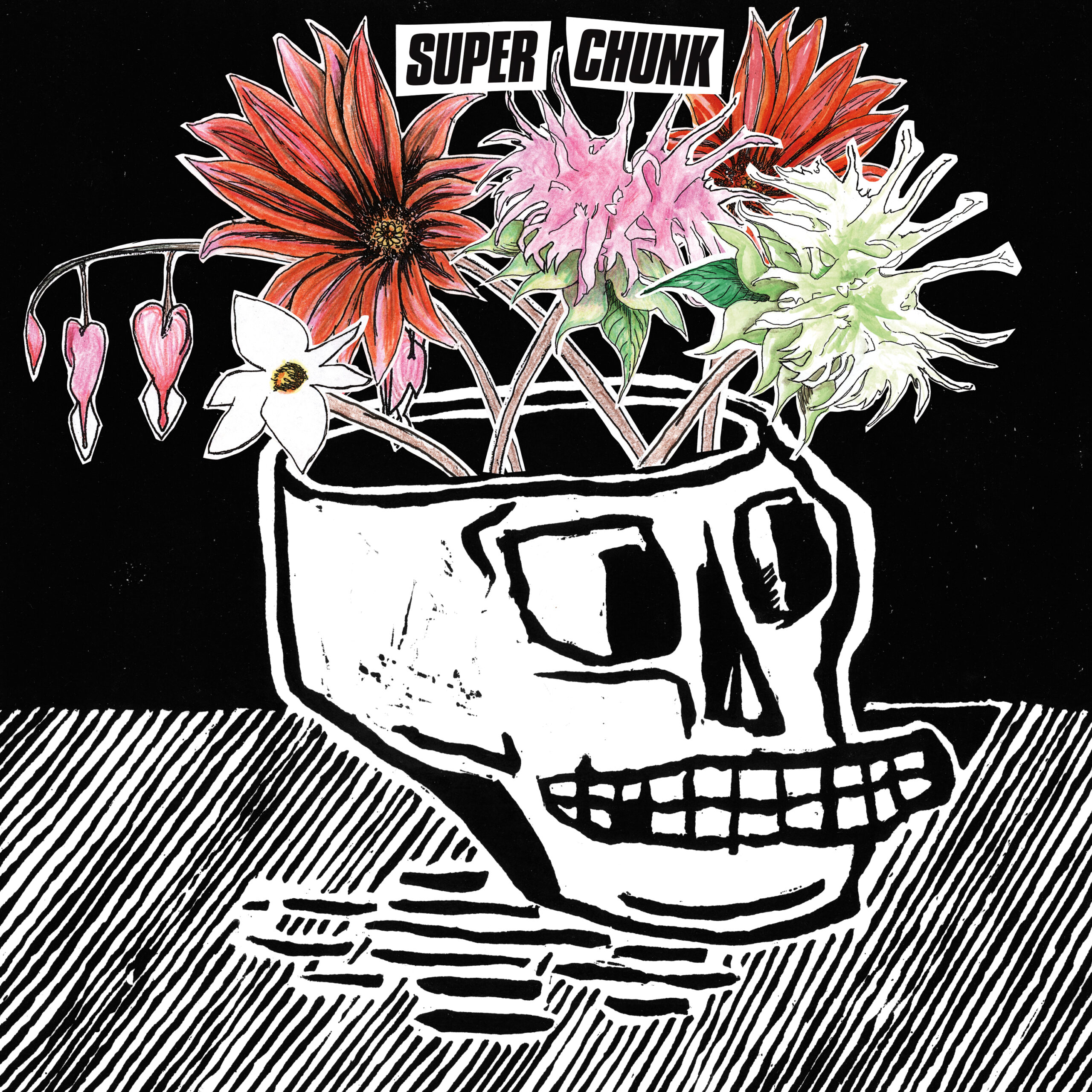
Superchunk turns anger into noise—and joyous noise at that—on the band’s newest album, What a Time to be Alive.  Twenty-eight years after their self-titled debut, the band’s fury and energy is as powerful as ever, as frontman Mac McCaughan’s vocals mesh with soaring guitars and the pulsing percussion of drummer Jon Wurster.  

The 2016 election has shaped much songwriting in the past two years, yet on What a Time to be Alive, the band strikes to the core of the political issues in a way that has seldom been used.  McCaughan’s vague lyrics yet pointed rage provide some of the best politically charged songs in recent memory. On an early highlight of the record in “Break the Glass,” McCaughan sings, “Break the glass, don’t use the door. This is what the hammer’s for,” reminding everyone to continue to speak out and fight back.

This record is a great piece of punk rock, reminiscent of the ’70s and ’80s. McCaughan gives recognition to the past on “Reagan Youth,” as he reflects on similar political fury from the Reagan administration behind the ripping guitar of Jim Wilbur. The band balances the pace of the record brilliantly, switching on a dime from the mid-tempo “Erasure” to the raucous “I Got Cut.” There is hardly a bad moment on the record. Although the short “Lost my Brain” lacks any real memorable moment, the album’s lightning pace immediately throws you into stand-out track “Break the Glass.”

From the opening riff of the title track, Superchunk shows they have their fists clenched and are ready for a fight. The album clocks in just slightly over half an hour, yet the band’s whirlwind of sound gives this record great impact over its short running time. Over its entire 73 seconds, “Cloud of Hate” gives increased ferocity to the record and highlights the band’s ability to do more with less.

The album’s best moment comes final moments on the terrific “Black Thread.” The band ends the record on a powerful yet controlled note, keeping its political tone, yet showing tremendous melody as McCaughan’s vocals intertwine seamlessly with winding guitars before urging listeners to “Cut the Black Thread.”

Throughout all 32 minutes of roaring guitar solos and cries to action, What a Time to be Alive proves to be a fantastic record. Listening to the album, it is near impossible to imagine a band 28 years into its career simply adding another LP to its discography. Rather, you imagine a band near its prime, creating music with great ferocity and even greater heart.

8/10

Car Seat Headrest Reimagines Bandcamp Opus ‘Twin Fantasy’

Posted on February 19, 2018February 19, 2018 by Nate Bramel

csh

Throughout the 71 minutes of Car Seat Headrest’s superb new (half new) album Twin Fantasy, frontman Will Toledo sings about being human. Or rather, about the struggle to be human when it feels like he simply does not relate to anyone around him. On this new version of his 2011 Bandcamp album of the same name, Toledo shines with an unashamedly honest whirlwind of a record.

This album puts Toledo’s growth as both a lyricist and a songwriter on full display, as the record is much more fleshed out and polished. Look no further than lead single “Nervous Young Inhumans,” originally a so-so middle tier song which Toledo revamped into a glam-rock opus backed by siren-like guitars. Throughout the record, Toledo doesn’t just rerecord Twin Fantasy with better equipment, but he reimagines it with years of growth as a songwriter.

That growth is most easily seen on the revamped and lengthened “Famous Prophets (Stars),” one of the album’s standouts. Toledo hones in guitar driven rage, a piano ballad and even spoken word over the span of the song’s 16 minute runtime. This song is six minutes longer than the 2011 version and is packed with ambition, including an entirely new piano driven riff that steers the song in an entirely new and fresh direction. Rarely, if ever, do these steps of ambition fall short on the record.

One of Car Seat Headrest’s strongest suits is the band’s longer songs, which have been a staple of Toledo’s throughout his career (two songs on this album clock in at over 13 minutes). Will Toledo’s ability to craft songs that continuously change and evolve is what truly sets him apart from many of his indie-rock peers. Although the length of the tracks may appear daunting at first, the evolution that takes place over each song makes the album more rewarding after each listen as seen on the romping “Beach Life-After-Death.”

The album’s main fault lies in overproduction on some tracks that benefited from the DIY sheen of the 2011 Twin Fantasy. “Bodys” is a prime example, as the lack of reverb isolates the warmness of the song and creates a far less compelling version that the original. The warmth of heavy reverb littered throughout the first record is mostly gone in the cleaned up 2018 edition. However, this problem is sparsely seen, as a great majority of this record benefits from a clearer sound.

On “Cute Thing,” Toledo begs God, “Give me Frank Ocean’s voice and James Brown’s stage presence,”( as if Toledo’s musical gifts aren’t enough to succeed). Yet, what he lacks in raw talent he makes up in songwriting and sheer ability to convey his emotion. That very same song is one of the best on the record, as Toledo’s lyrics perfectly convey the frustration, anger and hope of youth powered behind crunching guitars.

One of the joys of Twin Fantasy is how the album works on numerous levels at the same time. It captivates and succeeds as a stand- alone album and one of the best records released so far in 2018. But it also works as a re-imagination of the 2011 record and a testament to Toledo’s growth as an artist, allowing the listener to compare the two versions. Toledo has not just developed into a fantastic songwriter, but one of the best in his entire generation.

8.5/10

The Latest

  • COACHELLA RECAP: the comeback of Coachella?
    by Nate Bramel
  • UGA MBUS Student Ritika Sharma Forges Her Own Pathway
    by Nate Bramel
  • Staff Picks to Satisfy Your Inner Choir and Band Nerd
    by Nate Bramel
  • Staff Picks for Your Perfect Granola Playlist
    by Nate Bramel
  • ‘It’s Only Life After All’: The Legacy of the Queer Folk Women Duo, Indigo Girls
    by Nate Bramel
  • Contact
  • Work With Us
© 2026 Vinyl Mag | Powered by Minimalist Blog WordPress Theme