Vinyl Mag
Menu
  • About Us
  • News
  • Reviews
    • Music Reviews
    • Show Reviews
  • Interviews
    • All Interviews
    • Vinyl Video
  • Features
  • Vinyl Recommends
    • Playlists
    • Year-in-review
  • MBUS
Menu

Erica Kastner

5 Upcoming Smaller Music Festivals You Need to Know About

Posted on April 27, 2018April 29, 2018 by Erica Kastner

While many might know about mega-festivals like Coachella and Bonnaroo, there’s a whole other subsection of festival culture that frequently gets overlooked: smaller, local festivals. While mega-festivals have the pull of huge superstars and ~cool~ locations, smaller festivals have the pull of helping one discover fantastic new music while not having to fight crowds of thousands to experience it. Below is a list I’ve compiled of some of the best overlooked festivals around the US.

1. AthFest: Athens, GA on June 22-24, 2018

While I might be a bit biased because I attend the University of Georgia in Athens, I can’t help but plug this festival because of my love for all things Athens. This festival has everything you could possibly want in a smaller festival. Athens is historically known for its diverse and vibrant music scene, and this festival pays homage to that. Athfest has a plethora of the best local indie artists playing all over downtown, from outdoor stages to indoor shows at bars and concert halls. During the day there are food vendors, fun activities, and arts and crafts booths spread across downtown. At night you get to experience shows in bars and concert halls while in a town with a vibrant nightlife scene, seeing as Athens has 80 bars in one square mile. Along with all this, you get to experience this festival while knowing that you’re supporting a charity called Athfest Educates, which helps provide funding for music and arts education for youth.

2. Underground Music Showcase: Denver, Colorado on July 26-29

The Underground Music Showcase, also known as UMS, started small and has expanded into a four-day SXSW-style festival over its 17-year history. This indie rock/folk festival has previously included national headliners like Nataniel Rateliff and the Night Sweats and the Lumineers while still paying tribute to smaller local artists, which gives festival-goers the best of both worlds. Another bonus to attending UMS is that you’re in Colorado, home of many beautiful outdoors sights and adventures. If you plan on attending the festival you should plan on coming early or staying late so you can experience one of the many outdoor adventures that the Denver area has to offer, from rafting at Clear Creek in Idaho Springs to hiking in the Rocky Mountain Arsenal National Wildlife Refuge.

3. Trans-Pecos Festival of Music + Love: Marfa, Texas in September 2018

Many people know about Austin City Limits but not nearly as many know about another gem of a Texas music festival. The Trans-Pecos Festival of Music + Love offers festival-goers a unique camping-style experience that is different from other camping-style festivals like Burning Man and Bonnaroo. This festival, held on the El Cosmico campgrounds, focuses on building a strong sense of community in festival-goers by promoting the hippie/nomad style. As El Cosmico’s website says, “El Cosmico takes its inspiration from a long American history of hippies, nomads, bohemians and those living a life of self-determination. We believe in tuning in, dropping out and being here now.” Festival attendees are also afforded the opportunity to participate in a wide variety of unique activities, from attending classes on pinch pot ceramics and the methods of shibori hand dying to seeing a baseball game at the local baseball field. The festival also boasts a solid lineup. Last year, artists like Wilco and Ron Gallo performed along with Latin artists like Sergio Mendoza Y La Orkestra and Camilo Lara & Jay De La Cueva (of the Mexican Institute Of Sound).

4. Chinook Fest: Naches, Washington on September 7-9, 2018

Chinook Fest is a 3-day festival dedicated to roots-rock, Americana, country, and funk music. The festival, set in Jim Sprick Community Park, features beautiful rustic views right on the banks of the Naches River, tucked away in the Cascade Mountains. The festival offers attendees the ability to see great live music while being just steps away from scenic hiking trails. Morning yoga classes on the banks of the Naches River allow attendees to center themselves before beginning the day’s activities, which might include lawn golf or cornhole. Previous lineups have included artists such as Tyler Bryant and the Shakedown, Colter Wall, and Hillstomp. The festival offers a general admission weekend ticket starting at $95, which makes it way more affordable than many other festivals, whose tickets can typically range from $150+.

5. Bristol Rhythm and Roots Reunion: Bristol, Tennessee, on September 21-23, 2018

The Bristol Rhythm and Roots Reunion pays homage its town’s legacy as “the birthplace of country music” by hosting over 130 bands on 20 stages in downtown Bristol. The festival is part of a non-profit organization called The Birthplace of Country Music, which seeks to promote Bristol’s rich musical heritage and create recognition and economic benefit for the area through the Bristol Rhythm and Roots Reunion festival, a Birthplace of Country Music Museum, and Radio Bristol. This festival offers prices as low as those of Chinook Fest, which can make it cheaper for one to plan a fun fall weekend getaway. The festival has already attracted the attention of the Rolling Stone magazine, who dubbed the festival one of 2016’s hottest country tours and festivals. While the 2018 lineup isn’t out yet, past lineups have included artists like John Anderson, Josh Ritter, and Rusted Root.
 

A Shout-Out to the Types of Dancers at Concerts

Posted on April 20, 2018April 18, 2018 by Erica Kastner

Oh those who dance at concerts, no matter what way you move and groove at a live show, this one’s for you.

There’s so many different kinds of dancers that deserve praise but today I’ll just be shouting out a few.


Here’s to you, Head-Bobber.

Your ability to retain the same dance move no matter the mood or feel of a song is uncanny. Sure, there’s other people in the crowd who express their love for a song with shouts, jumps, and full-on head banging but you don’t feel the need to do that. Your level of chill in the crowd beats that of a “Chill Vibes” playlist on Spotify. It even beats that of a Jimmy Buffet concert on the beach in the summer. The lead singer could be performing two inches from your face and you would still maintain the same steady rhythm. Your lack of crazy dance moves and passionate expressions doesn’t mean that you aren’t enjoying the music but rather that you simply don’t feel the need to express your love for the music very publicly. Keep on bobbin’.


200

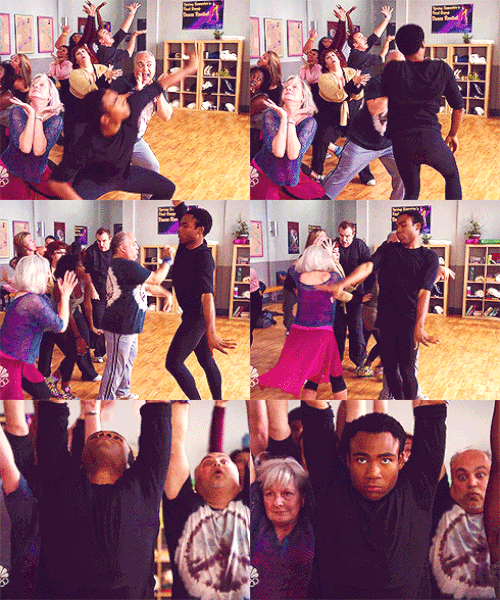
Here’s to you, Interpretive Dancer.

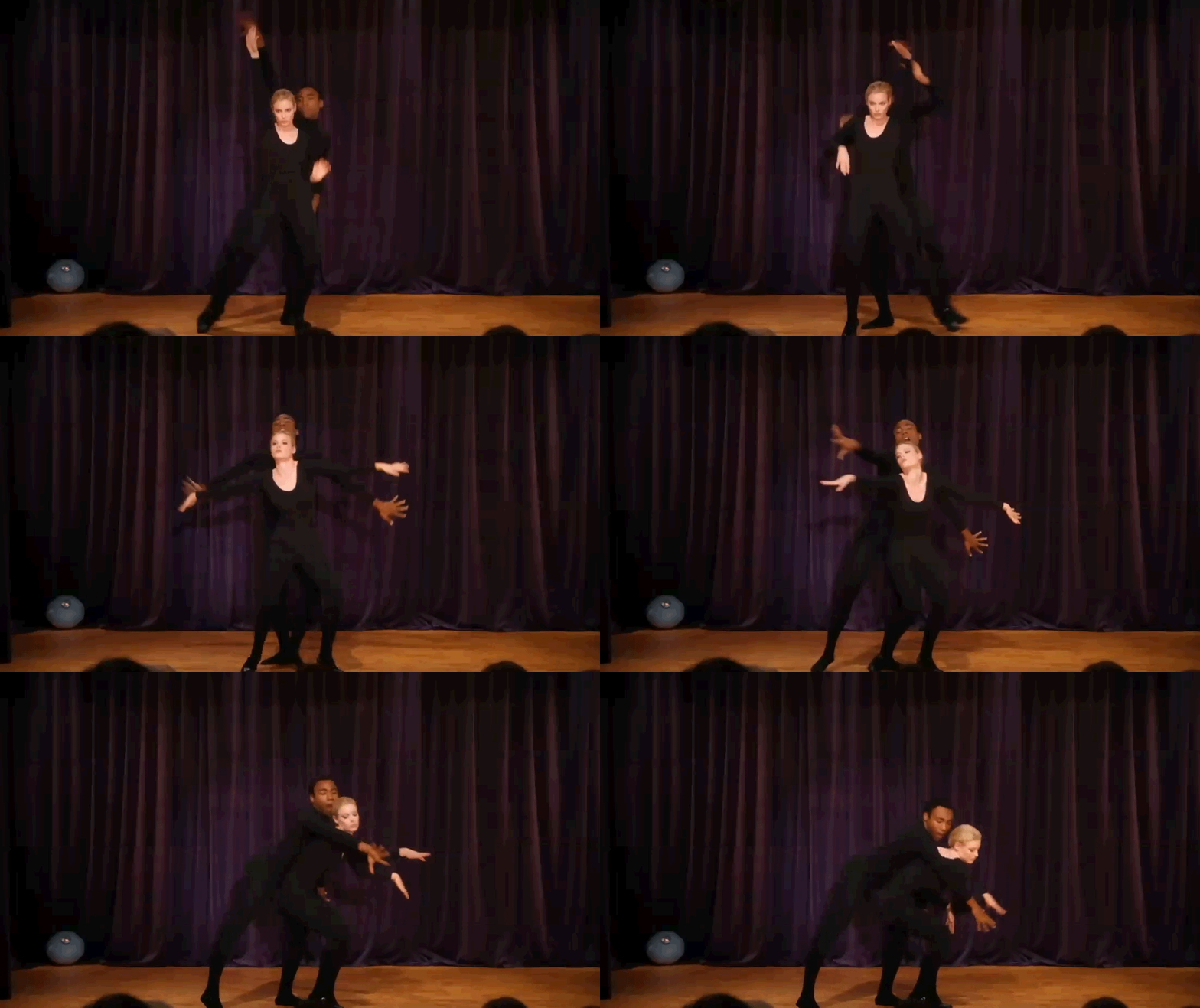
When you’re at a concert, the music drifts you off into another universe altogether, into one that transcends this Earth and causes you to move your body freely without a care in the world. You sway and at times even seem to act out the lyrics. You have an unrivaled ability to feel the full spectrum of emotions in the songs and convey that through your body language. The space in the room is the canvas and your body the paintbrush, painting the air with the emotions behind the music. The space is caressed with a gentle sway as the band croons about the meeting of a new lover in the springtime. The space is slashed and cut as the band roars about seeking revenge on a friend who did them wrong. The space becomes steamy and thick as you swing your hips and slide your body around with a sultry confidence. Some people might write off your dancing as weird or bizarre but I think your confidence to dance freely without a care about being judged as well as your ability to publicly show how deeply your feel the music in your soul is admirable.


Here’s to you, Mosher.

Drinks might be spilled in the wake of your wave of energy but that doesn’t stop you. As soon as there’s a build-up in the intensity of the song or the lead guitarist launches into a heavy solo, you can be counted on first to transform into a flurry of jumps, yells, head-banging, and fist pumps. You live for adrenaline rushes and build-ups in songs are where you thrive. You could probably be convinced to crowd-surf. You don’t even need to workout for a few days after a concert because you burned so many calories dancing while you were there. You believe that those who sit up in the balconies at concerts and everyone else who isn’t in the pit are missing out on the fun.


Finally, here’s to you, Hype Man.

You arguably have more energy in you than the rest of the room combined. This is because you have to have enough energy to dance crazily while also hyping up everyone in the crowd around you to dance. When you’re in the crowd and your favorite songs come on, you’ve been known to hold your hand like a microphone and lean in to others around you to get them to sing lyrics with you. You’re the Richard Simmons of concerts, motivating everyone around you with your endless energy. It doesn’t matter if there’s an 80-year-old woman or a young teenager next to you- your friendly personality enables you to make friends with anyone in the crowd and persuade them to shake off any self-consciousness about dancing in order to have a good time. You rival Chik-Fil-A customer service with your friendliness. You could go to a concert alone and walk out at the end of the night having made ten new friends. You’ll be walking out in comfortable shoes though, because you know you go hard in the crowd and don’t have time to worry about blisters.

It doesn’t matter if you’re the Head-Bobber, the Interpretative Dancer, the Mosher, the Hype Man, or some other kind of dancer- keep doing your thing and don’t worry about what anyone else thinks. Concerts should be a judgment-free place where we can all collectively bond over our shared love of the artist performing on stage.

Show Review: Rainbow Kitten Surprise at the Georgia Theatre

Posted on April 4, 2018April 4, 2018 by Erica Kastner

180403_erk_RKSLive_0005

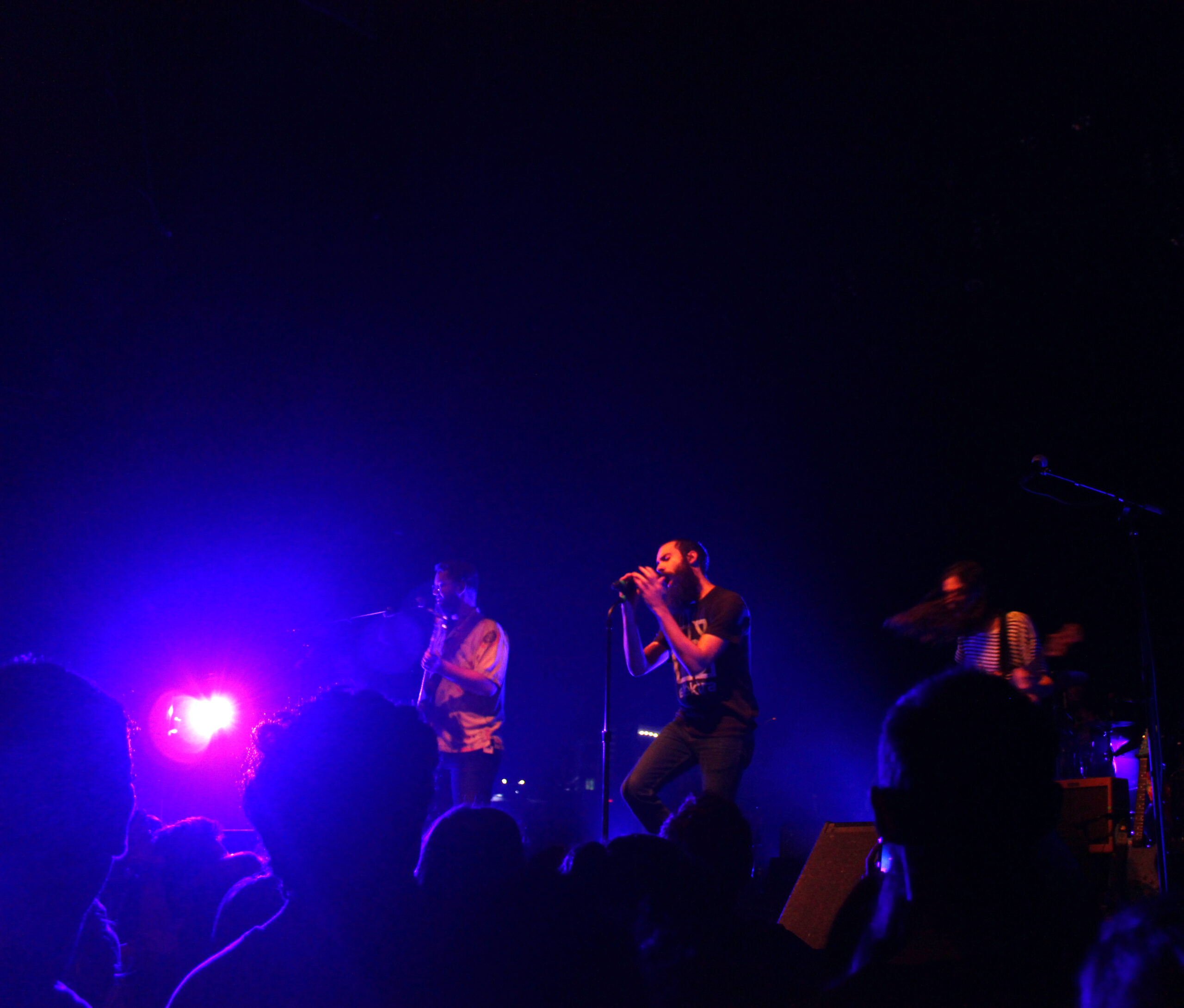
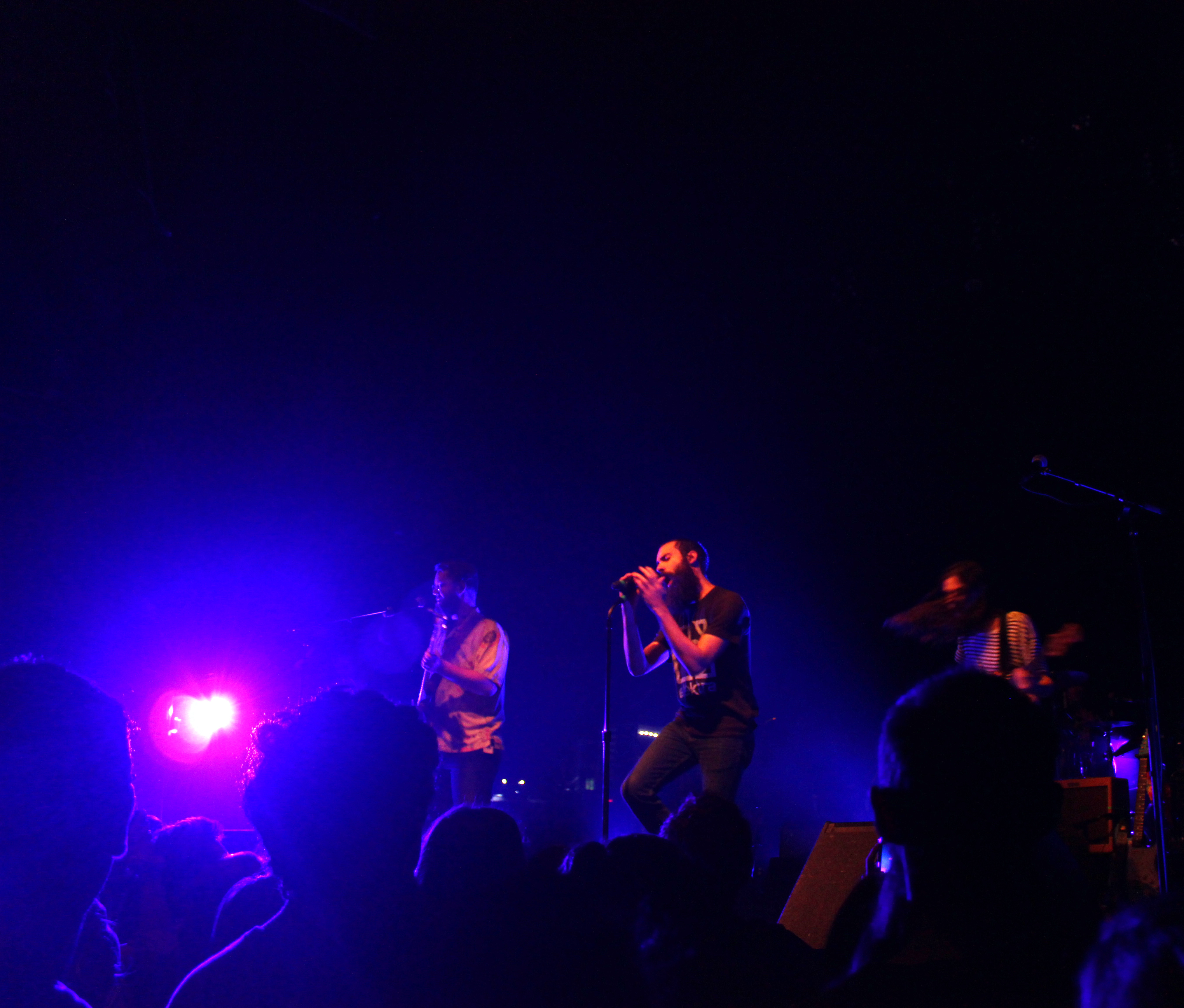
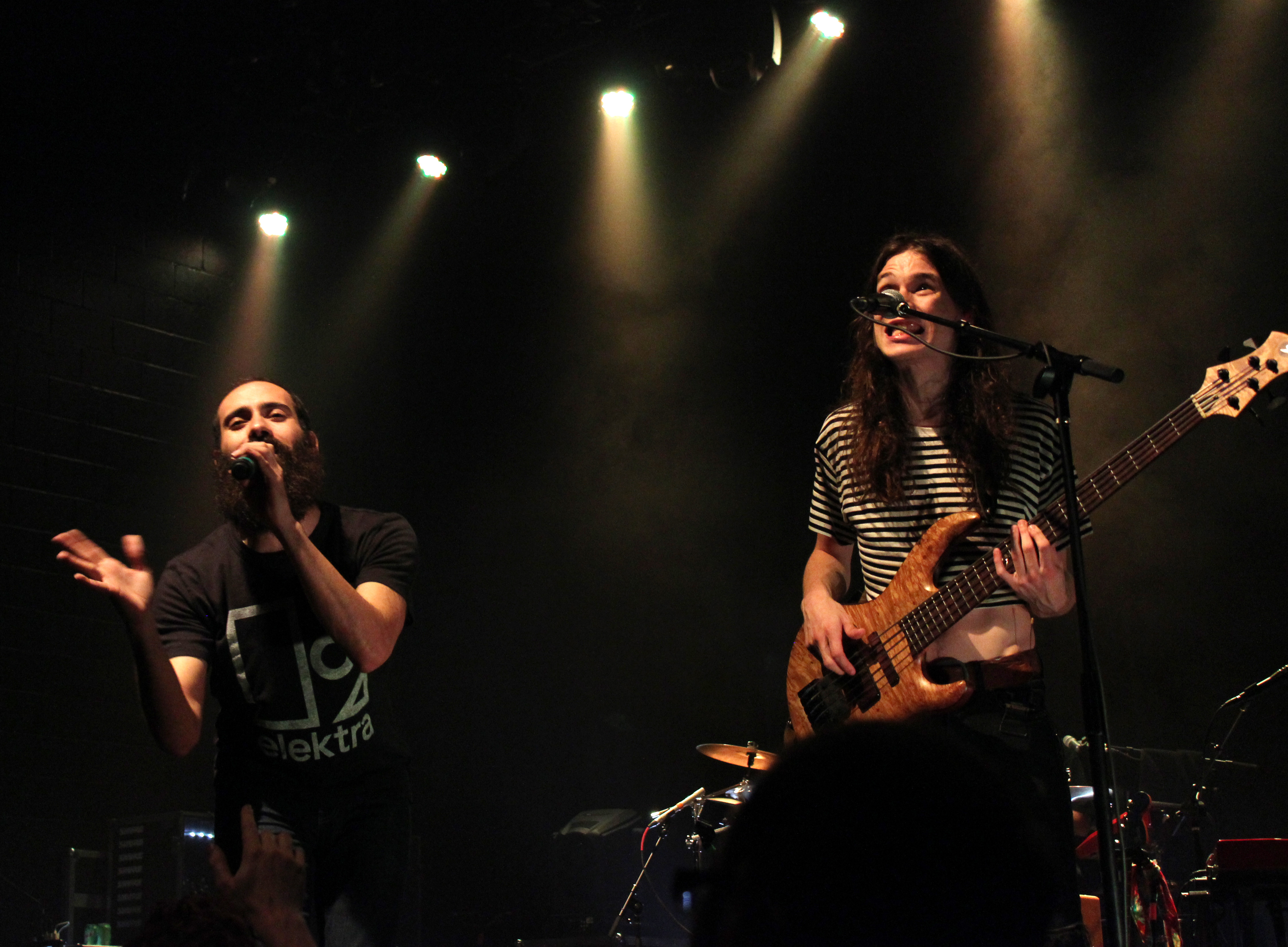
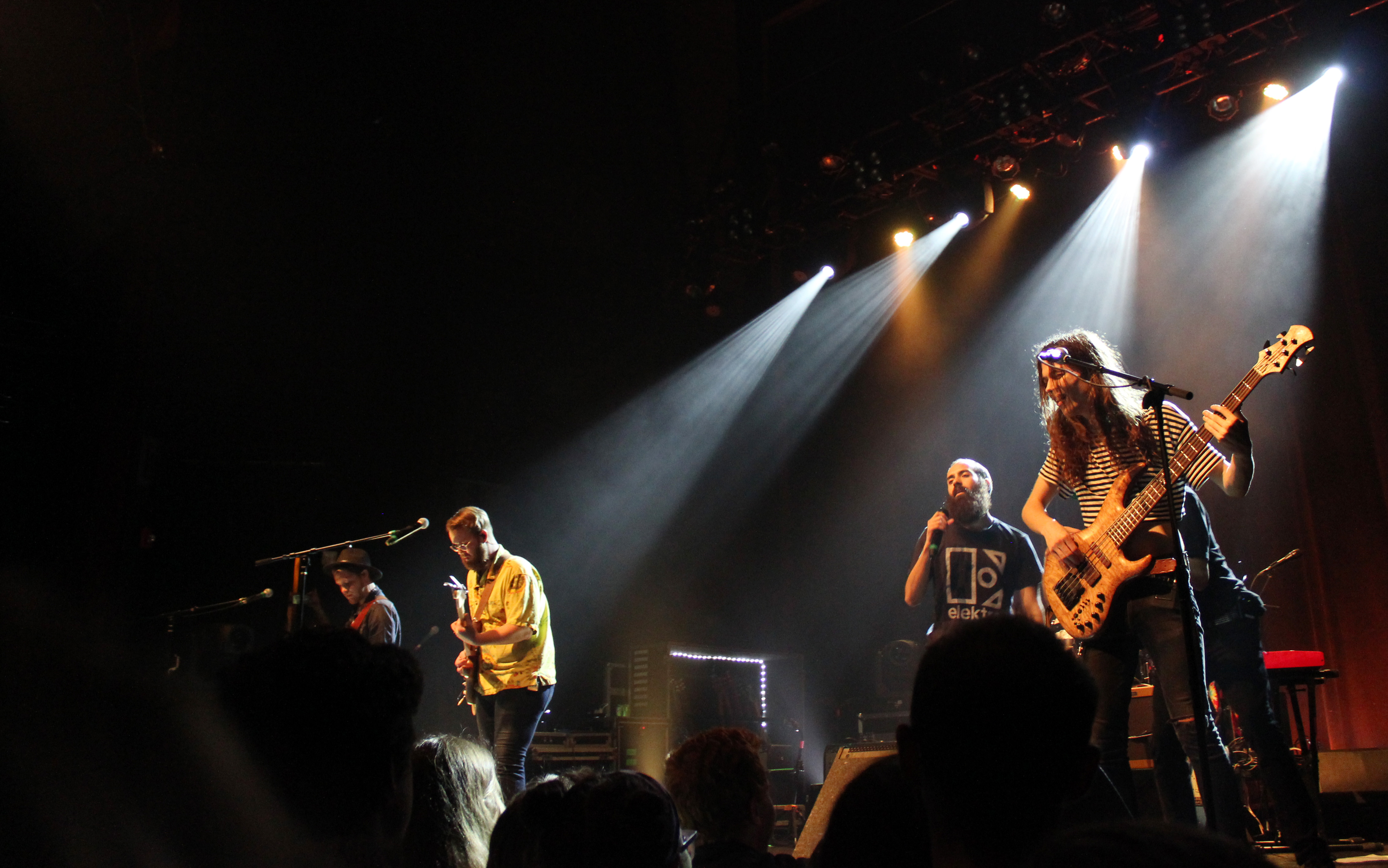
Last time Rainbow Kitten Surprise played in Athens, Georgia, they played a single show at one of Athens’ mid-sized venues: the 40 Watt. Two years later, on Tuesday, April 3, they returned to Athens with Ohio-based folk band CAAMP for a show at one of the largest and most iconic venues in Athens: the Georgia Theatre. This explosion in popularity for the band in the Athens scene shows just how rapidly the band’s fanbase is growing worldwide. Rainbow Kitten Surprise, an alternative/indie group from Boone, North Carolina, fits right into the Athens music scene, and this showed during the concert by the sheer number of times the crowd knew all the lyrics to a song. Despite their rapid growth in popularity, the band hasn’t forgotten their history with Athens. After performing a song, lead singer Sam Melo asked the crowd who attended their previous show at the 40 Watt two years ago. Melo even remembered the name of the bar that he hung out with fans at after the show.

180403_erk_RKSLive_0006

Rainbow Kitten Surprise made their entrance by walking out to a song reminiscent of “I Wanna Be Like You” from the Jungle Book soundtrack. The lighthearted song set the scene for the band’s stage presence throughout the show. The closeness between the band members could be seen in how they all interacted and joked with each other on stage as well as in how they fed off each other’s energy during songs. This made the show feel more relaxed as the audience got a peek at the comradery between the bandmates.

180403_erk_RKSLive_0007

The band’s newest album, How to: Friend, Love, Freefall, is due for release this Friday, April 6, so it should be no surprise that the setlist for the show contained a healthy amount of songs from the new album mixed in with classic hits from older albums. The band started off with a hit from their soon-to-be-released album called “Fever Pitch”. As the show progressed, the band performed classics like “Cocaine Jesus” and “Devil Like Me”, which the audience ate up. The band lit up when the audience would unanimously sing back all the lyrics to these classics. Sprinkled into the set were a few more unreleased songs from their upcoming album. Some of the songs included powerful spoken word verses, similar to parts in older songs like “That’s My Shit”.

180403_erk_RKSLive_0009

A variety of themes were explored in Rainbow Kitten Surprise’s new songs as well. Before starting one of the new songs, bassist Charlie Holt called out the devastating effects of the opioid epidemic across the United States before the band launched into a song exploring the suicidal and lethal effects that drug addiction can have on someone. One of the opening lyrics of the song stuck with me: “Try not to kill myself today”. The band isn’t afraid to be blunt with lyrics, and this heightens the emotional intensity in their music.

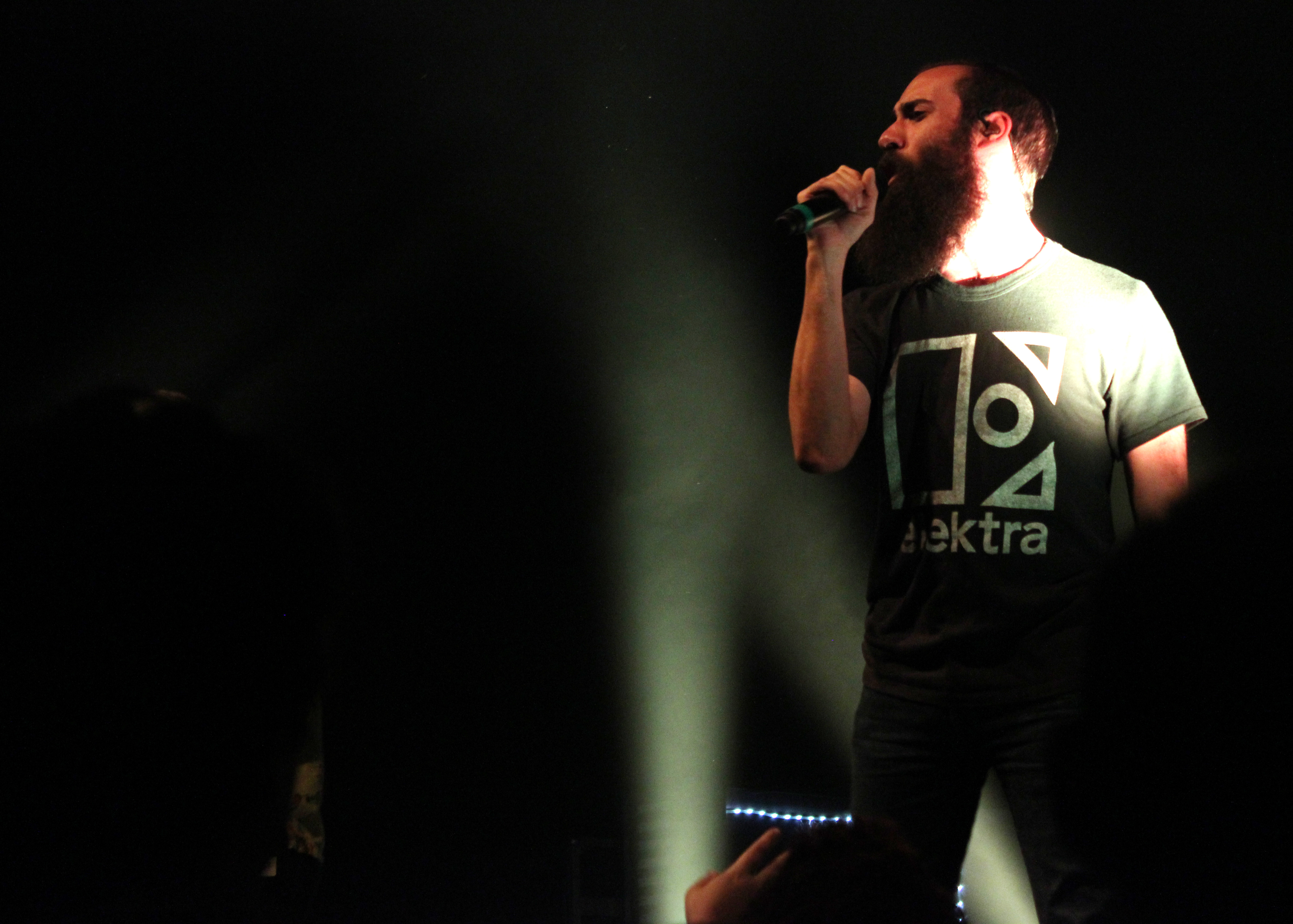
The emotional intensity didn’t come solely from the lyrics though. Lead singer Sam Melo performed the lyrics with a variety of expressions. On more upbeat songs, he would kick and twirl around on the stage in an odd way, but this only added to the energy present on stage. While he sang, Melo’s face would contort in various expressions and he would use animated hand gestures, almost as if he was acting out the lyrics or performing a free expression dance. Melo seemed to be telling tales through the lyrics as well as through his expressions and gestures, and this drew the audience further into the show.

The band exited the stage and promptly returned for not one but two encore performances. At one point during the second encore, Melo took off his shirt during “Run” and even entered the crowd at one point during “That’s My Shit”. The band left the crowd feeling electrified, exuberant, and content with the fact that there was no better way to spend a beautiful Tuesday night in Athens.

All photos by Emma Korstanje

Artist to Watch: Loma

Posted on March 13, 2018March 9, 2018 by Erica Kastner

unnamed

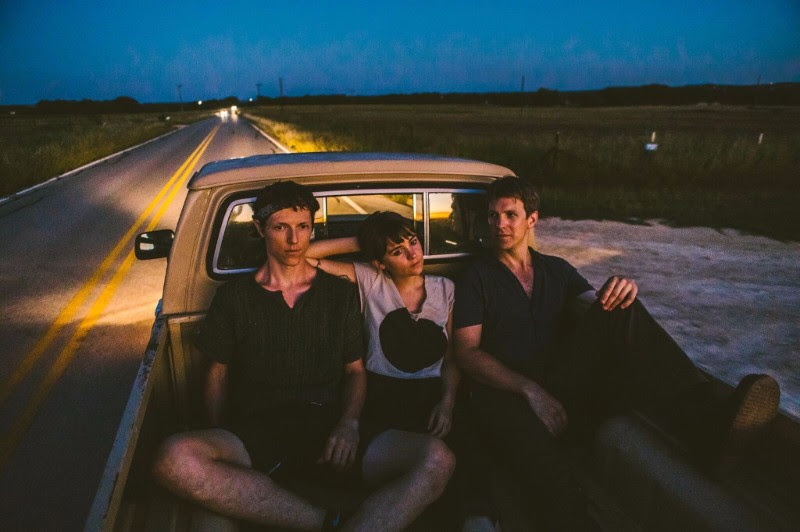
I had the distinct pleasure of interviewing Emily Cross, a member of the relatively new band Loma. Loma consists of Emily Cross, Jonathan Meiburg and Dan Duszynski. Loma’s origins and shaping have come in a whirlwind of events over the past few years. The band is a recent joint venture to explore new musical territory, seeing as Meiburg is originally from the band Shearwater and Cross and Duszynski are originally from the band Cross Record. They met through Ben Goldberg of Badabing! records, who sent Meiburg Cross Record’s 2015 album Wabi-Sabi, which led to the two bands traveling together across America and Europe throughout Shearwater’s 2016 tour for Jet Plane and Oxbow. The band reconvened in a house outside Austin for two weeks at a time over the course of a few months to piece together their debut album. Then the band’s next milestone came in the form of a record deal with Sub Pop Records.

As for Loma’s sound, they don’t really fit into any particular musical genre. This could be due to the varied backgrounds and career paths of the band’s members, but this rejection of single-genre conformity could arguably be one of the band’s greatest assets. Their music is experimental, with this album in particular being influenced by the sounds of nature. Loma is searching, it’s evocative, and it takes the listener to another place entirely. To unravel the enigmatic mystery that is Loma, I sought to get to know Emily and to ask her about the band’s upcoming debut album, Loma.

What are your personal musical influences? What inspires you besides music?

Personally, I don’t listen to much music. I like older music like from the ’60s and ’70s. I’m a big fan of colorful women singers like Gloria Estefan. I like newer experimental stuff. As far as the band goes, we’re kind of all over the map. We’re into ambient stuff. Field recordings, nature, and natural sounds are muses for the band. Mortality and death inspire me because I work in the field of death and dying. I’ve been interested in it since I was a little kid. The fleeting nature of life itself brings poignancy to the ordinary things of life. On this album, there’s a longing to it [the fleeting nature of life itself.] There’s a reflection of what life is or what it could be. Any time we have themes around time passage or looking back on life it has to do with mortality and the human experience.

How did your deal with Sub Pop Records come about?

Jonathan, one of our band members, was already signed with them through his band Shearwater, and so we got the hookup through him.

What’s the inspiration behind the album’s cover art?

That’s my friend Lisa Cline’s work. I own the original piece and it was also hanging in the studio while we were recording so we thought it would look good on the cover. I like the piece because the two figures are beautiful and mysterious. All of her work has a serious, meaningful, spiritual quality to it that I like.

I see that the song “Joy” was the first song you all wrote and recorded together. How did it come together?

I can’t really remember. We worked in kind of a frenzy. It was hard and challenging for me to sing because it was different than how I was used to singing. It was more dramatic, showy, and theatrical.

Let’s talk about the house that your band describes as its muse for the album. What was so special about it and how did it influence the ideation process behind the album?

The house is on 18 acres. It’s a nice, free, open place to be. Natural sounds made their way into the record without much effort. We didn’t take precautions to prevent them from making their way in as you would with a normal recording. We sometimes even highlighted those occurrences and went out of our way to bring them to the forefront at times. Nature is the inspiration for, I would argue, most art because it’s the original inspiration source. It’s just so beautiful, abundant, amazing, and it’s a go-to pleasure source. Focusing on that was an escape from some interpersonal problems and tribulations that we were all going through at the time.

Your band talks about how you all captured sounds inside and outside the house on the album, from “the cicadas and frogs of ‘Relay Runner’ to the whooshes of wind and leaves on ‘White Glass.’” How did you capture the sounds of cicadas, frogs, and other nature sounds in the recording process?

We sometimes tried to specifically record certain sounds and sometimes we would just go sit outside and record and see what happens.

Going off of that, why did you choose to put nature sounds on the album and how do you think that adding nature sounds into the album influenced its tone?

It puts people into the space more directly by not just talking about nature but inserting sounds. It’s easy to be transported to a more natural, outdoor space. It sets a tone, especially when you have more loaded sounds like thunderstorms or the wind.

When you were recording, were you trying to take people specifically to the house where you recorded, a specific destination, or were you trying to bring the listener inside their own mind to a favorite place of theirs to visit?

We were trying to bring them into our space where we recorded but we didn’t consciously try to make them feel like they were here. It wasn’t a labored decision.

While recording the album, I read about how your vocals were accidentally recorded at the wrong speed but this was a happy accident and the voice ended up staying for the rest of the album. Were there any other happy accidents like this while recording this album or in any songwriting brainstorming sessions that you guys have had?

There were a couple times when we would record a random piano or guitar part and we would track vocals over it and it would seem perfect. The biggest happy accident was when we recorded my voice at the wrong speed on this record though.

What’s your guys’ process for jamming and brainstorming song lyrics? Do you have any un-traditional methods?

We don’t really do anything out of the ordinary. I think that as long as there’s chemistry in the space then brainstorming is easy.We all work really well together. We don’t have any tricks or anything like that for brainstorming. It all happens organically, like we’ll work out a guitar part, or sometimes we’ll let the tapes roll and just see what happens when we start playing.

What’s a lyric or song on the album that you particularly resonate with and why?

I wrote the first song on the record called “Who is Speaking.” I wouldn’t say it’s my favorite song on the record by any means, but I wrote it myself. I worked on it in Germany while I was doing an artist residency there. I had nothing to do one day and I had my guitar and recording stuff with me so I thought I should work on some music. I wrote the entire song myself but we all added other stuff to the song later.

What’s in store for the future for you guys? Do you guys have any plans for where you want to tour next or any goals for the future?

We’re just rolling with it. We don’t know what’s gonna happen in the future and we don’t even know how the tour is gonna go but we hope people like it. We have a full tour for April, May, June, and maybe August that’s in the US and Europe.

Where’s somewhere that you haven’t toured yet but would like to?

I would go to Australia or Japan. They’re both so far away. I want to go to Japan because I’ve never been to Asia and it seems fun and different. Australia is so beautiful and the people seem nice.

Let’s wrap this up with a fun question: If you could get the chance to perform with any musician who would it be and why?

Rihanna. I love her even though she wears fur. Fur is fucked up but she’s cool and I love her music.

Check out the band’s debut album Loma on all streaming platforms, or buy the album here.

The Visual Album: Marketing Gimmick or Freeform Artistic Expression?

Posted on February 28, 2018February 28, 2018 by Erica Kastner

While it’s not exactly a new concept, the visual album has become more commonplace recently than ever before. French artist Serge Gainsbourg’s 1971 visual album Histoire de Melody Nelson has received some nods for arguably being the first visual album. Through the rest of the 20th century, bands such as The Beatles, Pink Floyd, and Prince released visual albums as well. However, this phenomenon didn’t die with the ushering in of the new millennium.


Along with grunge, Justin Timberlake, and all the fashion trends that many thought would die with the turn of a decade, the visual album has continued staying power in the music industry. In recent years, icons such as Beyoncé, G-Eazy, and Frank Ocean have released visual albums as well, which has begun to lay the groundwork for what could arguably become an industry standard in the future. Even relatively smaller artists like English alternative rock band Suede and Georgia based chillwave artist Washed Out have recently released visual albums, which shows that the trend isn’t seen solely in industry superstars.


As music videos continue to decrease in popularity, as seen through MTV’s move away from its original branding as a music video platform, artists are turning to different outlets to showcase their music. Some might wonder if these moves towards releasing visual albums are just a marketing gimmick.

Photo: Rozette Rago
Photo: Rozette Rago


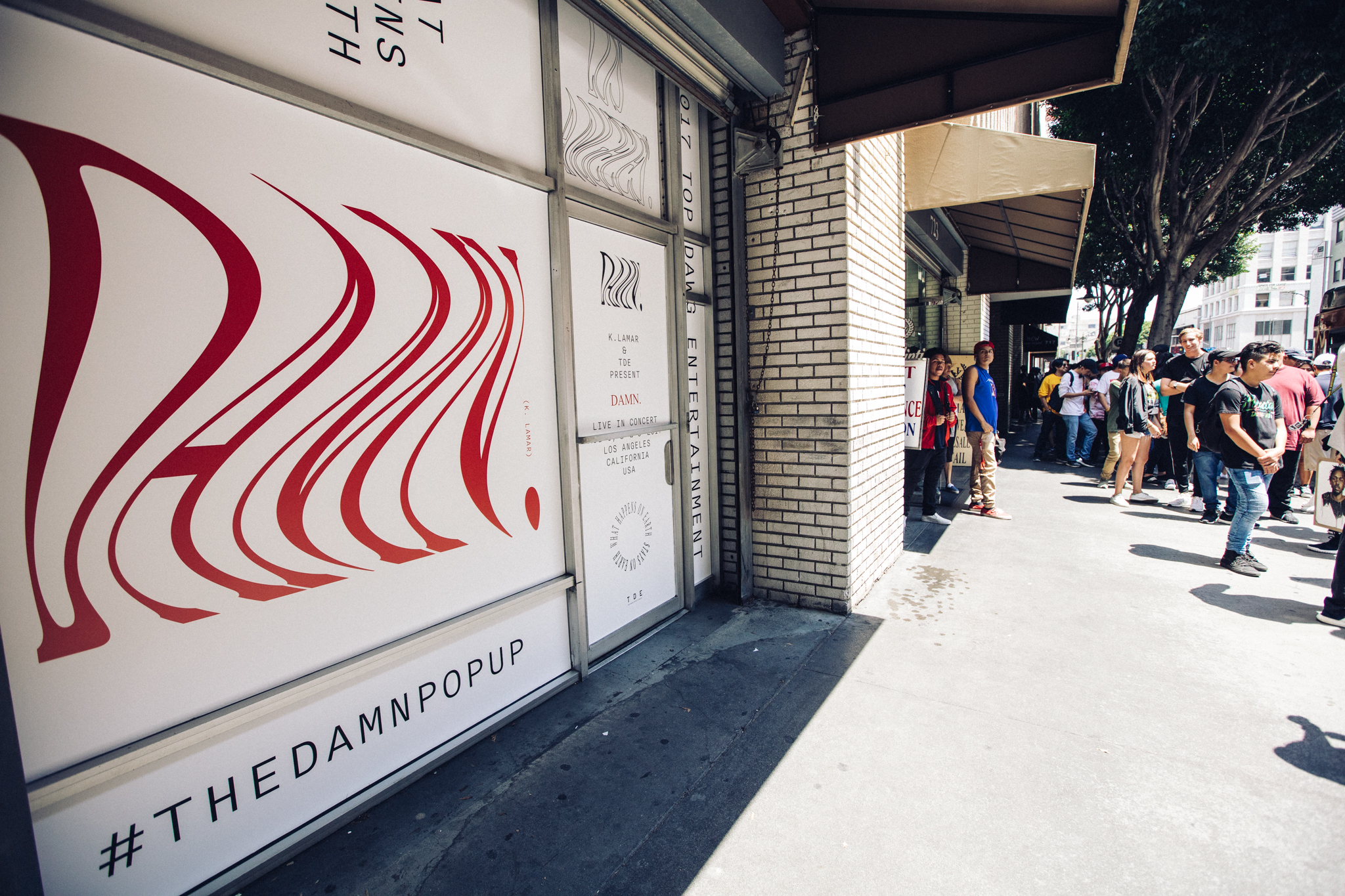
Millennials, the ever-popular targets of advertising, are drawn to brands that can give them an experience. Experiential marketing has been used in a variety of ways recently to reach millennials. For instance, artists such as Kendrick Lamar and Frank Ocean have started opening pop up shops to increase merchandise sales and build buzz around themselves.

From 2 Chainz' insta
From 2 Chainz’ insta


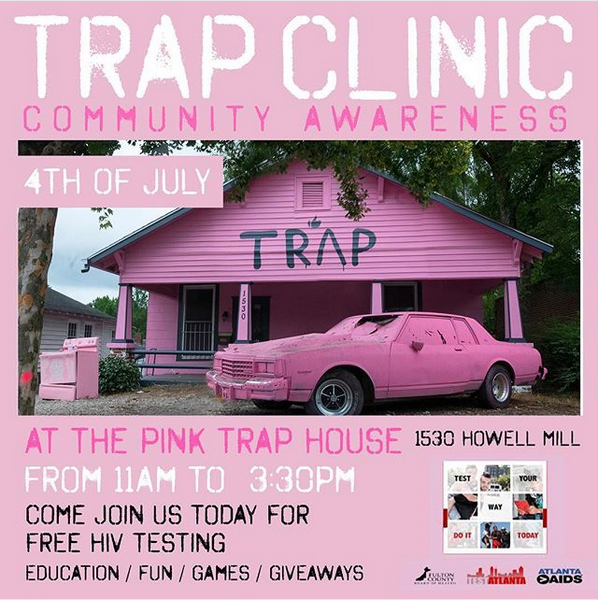
2 Chainz opened a “Pink Trap House” in Atlanta in July 2017 as a way to promote his album Pretty Girls Like Trap Music. 2 Chainz also used the house to connect to his fanbase in the Atlanta community by opening a free HIV testing center inside the house and turning the home into a “trap church” to encourage locals to get involved with local organizations.

Millennials are swarmed daily by an increasing amount of advertising messages. Millennials wake up to ads on social media platforms like Facebook and Twitter. They drive to work and see billboards plastered along the roads. They visit websites and see sponsored advertisements along the sides and top of the page. To break through the advertising noise, artists are increasingly having to try louder tactics to reach their audiences. If artists have any hope of increasing their fanbase then they might think to turn to a visual album in the hopes of cutting through the noise.

Still from "Lemonade"


Visual albums are seen by some as just another form of experiential marketing. Visual albums elevate ordinary albums to ones that take the viewer directly into the mind of the artist. Visual albums can serve as a great way to build buzz around an artist as viewers obsess and pour over every detail of the video to glean every insight and nuance from it. This can potentially translate to increases in listening streams and sales of merchandise and concert tickets.

On the other hand, some see visual albums as an increasingly popular way for artists to showcase their music as a form of creative expression. Proponents of the visual album say that they allow for the viewer to see exactly what the artist’s intended message in their songs is. They say that visual albums allow them to better understand, visualize, and internalize the album through the mind of the artist. On the other hand, opponents of the visual album say that they enjoy music because the meaning is completely open to the listeners’ interpretation, and so visual albums narrow the interpretation to solely the artists’ viewpoint.

Still from "Lemonade"

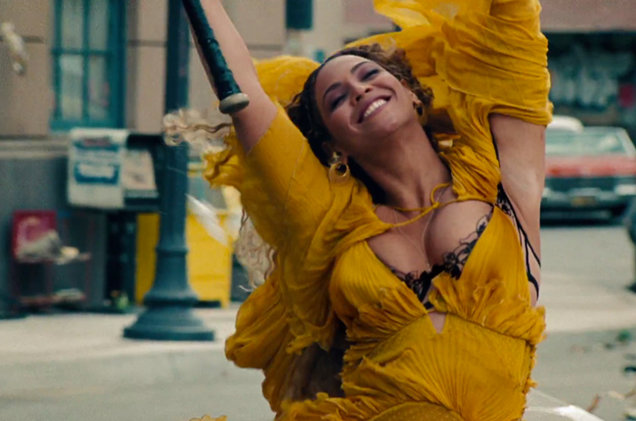
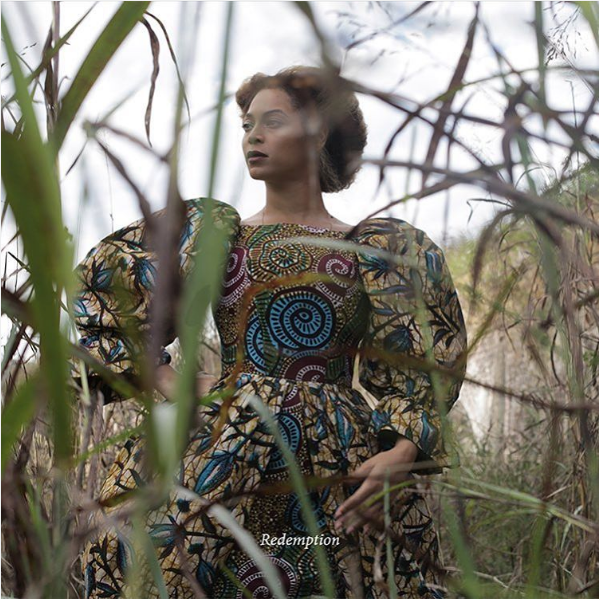
I personally think that visual albums don’t constrict the amount of interpretations for the viewer because the cinematography creates more layers of hidden meanings waiting to be interpreted. For instance, in Beyoncé’s visual album Lemonade, the cinematography is so striking and unique that all the details, from the colors of her dress to the location and time period of the scene, leave room for the viewer to interpret their own meaning behind the music.

However, I digress. Fans can “experience” a normal album by listening to it but they’ll never truly see the album beyond the level that listening to it affords them. Visual albums add layers of rich meaning and substance to the album by letting the reader see the colors in the lyrics and the pain in the artist’s voice. Visual albums also allow for the insertion of metaphors and nuances visually instead of solely in the lyrics.


For instance, on Washed Out’s album Mister Mellow, the video for “Get Lost” collages a multitude of cutout photos of people from the 1960’s-80’s driving in cars. The cars help further the metaphor for getting lost and the old cutout photos of people dressed in vintage clothing help further the throwback vibes established by the keyboard and backbeat in the song.

In the world we live in, everyone seems to be disconnected from one another. We all talk to each other from behind screens and social media seems to be one of the only outlets for artists to connect with their fans. Visual albums can be another way for artists to reach through the screen and personally connect with their fans. The viewer can be taken inside the mind of the artist to connect with them on a deeper level.

So the question of whether visual albums are a marketing gimmick or a form of artistic expression remains. I personally think that it’s a little bit of both. One thing is certain, however: Visual albums aren’t going anywhere, and I predict that in the coming years they will increasingly become an industry staple. Let me know what you think in the comments below.

The Latest

  • COACHELLA RECAP: the comeback of Coachella?
    by Erica Kastner
  • UGA MBUS Student Ritika Sharma Forges Her Own Pathway
    by Erica Kastner
  • Staff Picks to Satisfy Your Inner Choir and Band Nerd
    by Erica Kastner
  • Staff Picks for Your Perfect Granola Playlist
    by Erica Kastner
  • ‘It’s Only Life After All’: The Legacy of the Queer Folk Women Duo, Indigo Girls
    by Erica Kastner
  • Contact
  • Work With Us
© 2026 Vinyl Mag | Powered by Minimalist Blog WordPress Theme