
Tag: track by track
Warning: Attempt to read property "post_id" on null in /dom375187/wp-content/plugins/enhanced-category-pages/classes/ecp/Enhanced_Category.php on line 143
Warning: Undefined array key 0 in /dom375187/wp-content/plugins/enhanced-category-pages/classes/ecp/Enhanced_Category.php on line 232
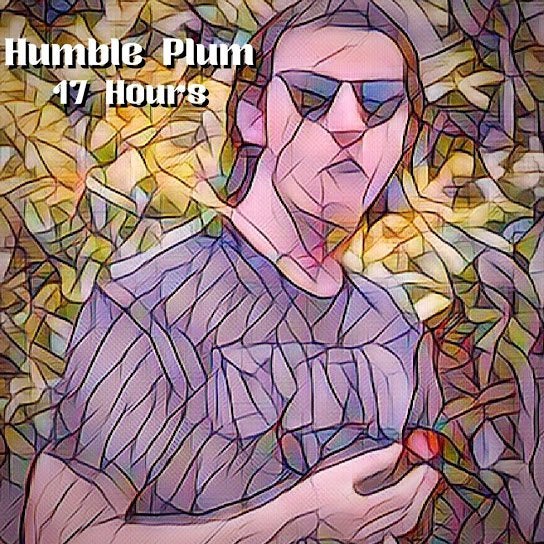
Track-By-Track: Humble Plum Talks Debut ‘Seventeen Hours’
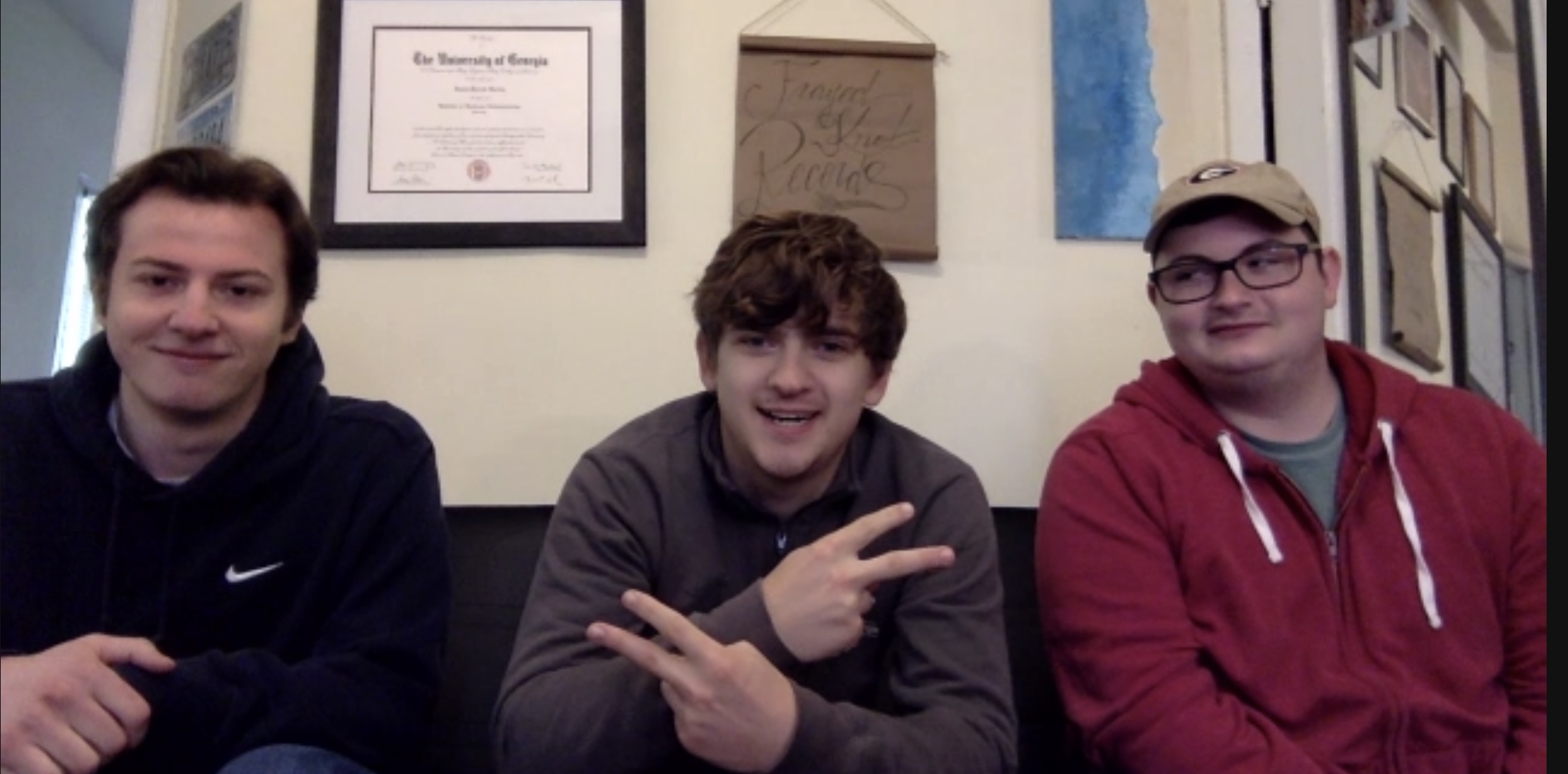
Athens, GA-based Humble Plum’s debut album, Seventeen Hours, out now. Humble Plum is composed of Daniel Hardin John Ilardi and Josh Johnston. Ilardi and Johnston are students in UGA’s music business program, affectionately monikered as MBUS, and Hardin graduated the program in 2020. Childhood friends Hardin and Ilardi reconnected at UGA and brought Johnston into their fold.
The album title, Seventeen hours, refers to the 17 hours in which the group wrote, recorded, mixed, and mastered the album. When Hardin first suggested the idea Johnston kindly told him to get some sleep. The next morning, still adamant, Hardin quickly got Johnston and Ilardi on board. “We just wanted to see if we could do it,” said Johnston.
The rules were simple: The album had to be completed in one day and absolutely no thought or planning could take place prior to the day the group had set aside to make this album. The group “didn’t think anyone would listen” to Seventeen Hours, they just made it for the fun of creating music together. The result is joyful chaos. The album feels raw and personal in a completely new way.
We asked Humble Plum to take us through each track on the album and give us further insight into the making of Seventeen Hours.
Check out their track-by-track rundown below, and be sure to queue up the album stream below.
Johnny
Starting with a guitar riff, Hardin penned some lyrics about his friend and bandmate John who “has a really nice car and is always down to jam.” The first song on the album, “Johnny” was written and recorded between 7 a.m and 9 a.m and then forgotten until putting the final album together.
Hey Jere!
Johnston really wanted to make a Jere Morehead diss track and a punk track. Both wishes were met with “Hey Jere!” The track gave current students Ilardi and Johnston an opportunity to air their grievances with the president of UGA on the university’s handling of COVID-19. Lyrics include gems like “I can’t go to the beach, but I can go to a game? Why don’t you learn to spell your own name?”
Is That A Bee?
In a jarring transition from “Hey Jere!”, “Is That A Bee” is a mellow reggae track that questions Jerry Seinfield on why he ended Seinfield and made the Bee Movie. The track’s composition started with an off-beat guitar and reggae drums inspired by Sting’s “Englishman In New York.” Hardin wrote the lyrics in 10 minutes “on pure instinct.”
Rest in P-Bass
A somber addition to the album, “Rest in P-Bass” was a collaborative effort about a bass guitar Johnston sold and missed dearly. The song utilizes a mandocello, which is a baritone mandolin that adds to the tracks depth. The humor in writing a song about a bass with the same level of sincerity as a break-up ballad is not lost on the trio. “There is definitely an element of funny in the sad,” said Johnston. “It’s overly dramatic for sure.”
Intermissionary Funk
“Intermissionary Funk” forgoes lyrics to let the track’s instrumentals shine. The first of two instrumental tracks on the album, “Intermissionary Funk” harkens back to the funk-rock backings popular in the early ’70s. While Hardin’s drums and Johnston’s bass ground the track, the guitar is what makes the track noteworthy. In a unique approach, Hardin, Johnston, and Ilardi took turns playing guitar adding the slightest variety to the tracks uniting riff.
Mother Russia
Johnston lived in Bulgaria for five years, which has become quite the joke among the friends and was the impetus for Johnston to write “Mother Russia.” The instrumentals for the song are “basically the Tetris song” according to Johnston. Interestingly, the theme to Nintendo’s 1989 video game actually started its life as a 19th century Russian folk song “Korobeiniki.” The song was recorded using a 1969 Soviet Union microphone. “It sounds like you’re yelling in a bread line,” says Hardin. Ilardi describes the mics effect as “aggressive” which is why they also used it on the track “Hey Jere!” The song was recorded in one take with Ilardi holding the mic up to Johnston, turning red with suppressed laughter. Hardin calls the track “a glorious tune.”
2nd Best Friend
“We all have that friend we like, but also find them annoying,” said Ilardi when asked about the concept of “2nd Best Friend.” It’s about your back-up friend. The song was inspired by Flight of The Conchords “Most Beautiful Girl in the Room” taking the song’s concept of calling someone “the most beautiful girl,” but qualifying it with “in the room. Humble Plum does something similar by qualifying “best friend” with “2nd” making the track kind of mean, but very relatable.
Thank You Caledonia
“It’s the sad one on the album,” said Hardin in reference to “Thank You Caledonia” Humble Plum’s ode to the iconic Athens music venue. Ironically enough, when the group decided to write about Caledonia, they thought they were going to make another funny song. It is when the group started actually writing the song and reflecting on what the loss of Caledonia meant to them that the song turned into the heart wrenching goodbye heard on the album.
Siri
The guitar for “Siri” was written at 7 a.m and put aside for about 12 hours when the band started building the rest of the song. Hardin developed the drums taking inspiration from Cloudland drummer Karmen Smith. “We wanted a song people could jump to,” said Ilardi, and “Siri” is just that. The track’s title comes from the lyrics which the group wrote using predictive type making the song completely incomprehensible.
The Mighty Oconee
The second instrumental track and final album track is “The Mighty Oconee” a joke because as Johnston explains “the Oconee is anything but mighty.” The track has an Americana vibe produced by the layering of various string instruments including banjo, mandolin, and mandocello.

Track-By-Track: Wanderwild Talks Debut ‘In Due Time’

Athens, GA-based Wanderwild have released their debut full-length, In Due Time, out now. Wanderwild, originally the brainchild of singer, songwriter, multi-instrumentalist, and producer Matt Martin, has since its inception evolved from a solo project into a full-fledged band with Martin at the helm.
“The album title, In Due Time, refers to the theme of patience — relationally, creatively,” said Martin of the album. “That was challenging me while making the album. I’m constantly having to remind myself to find a balance between hard work and faith in the process.”
We asked Martin to take us through each track on the album and give us further insight into his inspiration and writing process.
Check out his track-by-track rundown below, and be sure to queue up the album stream below.
“Control”
“Control” has always had an X factor for us. It’s in an asymmetrical time signature (7/4), uses jazz inspired chord voicings, and was originally intended to be played with a drum machine. We had a lot of fun with textures and layers in the production process—field recordings of rain, reverbed synth sounds, etc. It wasn’t always going to start the album, but became irreplaceable once we entertained the idea. It’s a song about being frustrated with shallow romance and the “illusions of control.”
“In Due Time”
The spark for “In Due Time” came during an afternoon jam session with Wes [Gregory], our drummer. We somehow started riffing off of “Everybody Wants To Rule The World,” and ended up with an iPhone voice memo that sketched out what would become the verse and chorus sections. I like to work under a little bit of pressure, so I actually booked studio time before the song was even finished. We hammered out the arrangement as a band the day before we recorded it. It’s a satisfyingly dynamic song for us, and the build in the bridge is one of our favorite moments on the album. Strangely enough, I named the song after the album title (which had already been decided), instead of the other way around.
“Coalesce”
“Coalesce” happened in a day. One morning I woke up with a drum beat and synth loop in my head, and spent the next 14 hours pursuing it. It’s mostly sample based, and represents a totally different workflow (computer based) than I usually employ. The process was exciting and liberating. The melodies and instrumental track all happened in that same day, but I didn’t record the vocal until a year later. Thankfully the song stood the test of time, because almost nothing was changed. It showcases my most honest attempt at a shameless pop chorus.
“Plans”
“Plans” is one of the most honest songs I’ve ever written. It was born out of sadness and heartache, in part because I was tragically unsurprised. I’m thankful I wrote it in such an emotional state, because I’m not sure hindsight would have allowed me to write it with such transparency. We kept the band arrangement incredibly simple to help highlight the fragility and vulnerability that the song contains. It translates live better than any of us expected, and is really fun (albeit depressing) for me to sing.
“Seasons”
You know when you have a roof over your head and food on your plate, but still have a sadness that you can’t justify or pinpoint or explain? That’s what “Seasons” is about. I’m trying to talk myself into seeing the value in the darker moments, despite how challenging they can be, because they truly are essential. I was particularly inspired by The National’s rhythm section on this one. That’s nothing new, but this song really highlights that influence from both a production and arrangement standpoint.
“Taxi Cab”
“Taxi Cab” is similar to “Plans” in its vulnerability and subject matter, but channels frustration more than sadness. I’m not a very angry person, but this song flirts with that emotion heavily. It’s dynamic in a similar way to “Control”, and starts side B of the record with the same intention. The ending is unhinged and chaotic, which is reflective of the lyrical content, and a whole lot of fun for us to play live.
“Dreams”
“Dreams” is a song about me trying to convince myself to keep pursuing music. It was written in a time of self-doubt and uncertainty, in the early days of Wanderwild’s existence. I wasn’t on the verge of quitting music necessarily, but I was struggling to find meaning and purpose behind songwriting and creativity. I was tired of placing stock in other people’s validation, and needed to find new joy and conviction in my work. Currents by Tame Impala had just come out when I wrote “Dreams,” so that record definitely influenced my production approach. Specifically the filter in the intro and third verse, and the punchy, real-but-sampled-feeling drum sounds.
“Numbers & Exchanges”
Admittedly, I sometimes feel like acoustic tracks are filler, but “Numbers & Exchanges” really wanted to be on this album. It’s a song about human value, and battling the feeling of being reduced to commerce and commodity. The piano outro was a last minute addition that I stumbled upon while we were sequencing the album. It’s a sketch that I recorded on my dad’s piano in Cleveland a few years ago that I’d totally forgotten about it. Amazingly, it paired perfectly with the song, and offered a new contemplative space within the album.
“Day 31”
“Day 31” was the last song to be written for the album, so it’s a fitting way for the album to end. It’s called “Day 31” because I wrote it on the 31st day of 2017. I wanted to write a song that avoided flowery language and metaphor and spoke directly to where I was at in life. I had just graduated from college, and was trying to figure out which moments were and weren’t sacred in my life. Possibly all of them, possibly none of them — I wasn’t sure, and certainly knew I never could be, but found solace in the people and spaces around me. The seemingly mundane moments in life can sometimes be the most meaningful. I wanted the album to end with an exclamation mark, and the outro of “Day 31” allows it to do just that.

Track-By-Track: Welles Talk Debut EP ‘Codeine’
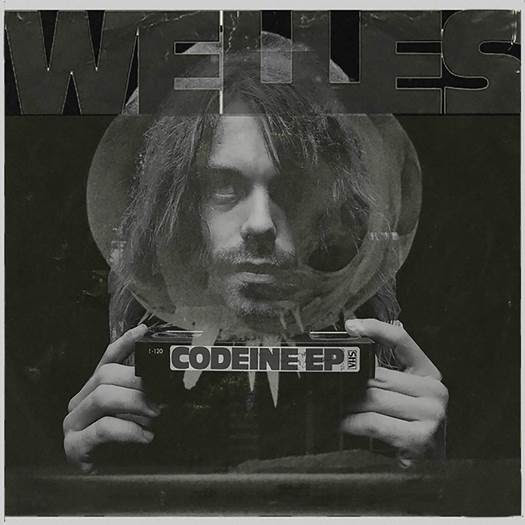
“My hope and my long term plan is to tour extensively and never let my feet touch the ground,” Jehsea Wells tells me of his grit-rock three-piece, Welles, who dropped their debut EP today under C3 Records. I think he’s got pretty good odds.
Wells, who recently made the move from Ozark, AR to Nashville, TN, is the mastermind behind Welles, writing songs that tear up your throat almost as much as they tear up your heart. He records all the vocals and instrumentals on demos in his room before taking them to the studio to lay down with session musicians.
The 23-year-old got hooked on great music at a young age (around the age when I was still only interested in boy bands whose posters I could kiss before bedtime). He received a cassette tape of Sgt. Pepper’s Lonely Hearts Club Band from his grandfather when he was in the second grade, and he listened to it nonstop.
“From there, I wanted to play guitar, but I didn’t know that you had to put your fingers on the frets to make the different noises—I thought The Beatles were just moving their tuning pegs really quickly,” Wells laughs. “So I broke a lot of strings. I was a real dumbass. But when I was about 12, there’s an old neighbor of mine who lived down the street, and he had me over to his trailer, and he tuned my guitar for the first time, and I got to see him put his fingers down on the frets to change the notes and stuff, and he taught me ‘Camptown Races,’ and I was like, ‘oh shit this is great.'”
Now constantly writing, Wells keeps a notebook with him at all times and fills it with poems. He experiments with different rhythms, sometimes writing in quatrain, sometimes iambic pentameter, other times freeverse. Separately, he’ll craft a full song and then look to his notebook to fill in the lyrics. As another method, Wells also enjoys reworking and disassembling some of his favorite tracks.
“My favorite thing really for writing is to find a song that I really like, say like ‘Pale Blue Eyes’ by Velvet Underground,” he says. “And so you just take that rhythm of it, and you just fill in your own lyrics. I write my own ‘Pale Blue Eyes’ and let it sit for a long time until I forget how that song even goes. And then I pick up the guitar and take my own stab at it.”
The key to his process? Never overthinking a song he’s working on.
“I just never stop. It’s just a constant stream of consciousness, and then whatever’s good shines through, and we record and release,” Wells explains. “I don’t much have the patience to sit with a song for more than two hours. Because at that point, you’re just forcing it. Once it’s forced, too many other thoughts come at you. You’re just running with an egg in a spoon. And it’s a very short race, but you just wanna get that egg there without breaking it open. Because once it cracks, there’s absolutely no putting your song back together; there’s too many thoughts in it. You thought about it too much. You’re worried, ‘aw shit, this is a Lou Reed tune. Oh no.’ Don’t think stuff like that.”
Check out the EP below, and then see what Wells has to say in his track-by-track breakdown below.
“Life Like Mine”
When I got to Tennessee, I felt memories from home fading and getting bland as the days rolled past in the new place. Each line is a brief description of situations I was in at any given time over the course my few years out of high school playing in bands and living in northwest Arkansas. I wrote them down in hopes that I wouldn’t forget them, that they would jog my memory if I were to read the poem again. As the stanzas progressed I thought ‘how fucked.’ That’s the chorus. I’m already seeing those were formative times for me. Smoking cigarettes in Wilson Park, playing cards drunk with all my friends, hearing constantly how everyone was sick of that town when at the same time no one was making any real effort to get out. Gettin’ dosed down real heavy for the first time and getting scared. They’re nightmares and they’re sweet dreams. It’s my ode to home.
“Codeine”
It’s about drugs. The drugs doctors give you that are so good, they’ll literally ruin your life. You’ll lose yourself, find yourself, kill yourself, and if you have any luck you’ll bring yourself back out of them. You clear up and your brain readjusts and you see things for what they are after everything being grey and static and it’s beautiful. Lovely, painted in color.
“Hold Me Like I’m Leaving”
It’s me bitchin about a hard life. Nothing’s been easy. No money,always grinding, two steps forward and one step back. Easy to get real down if you don’t have real friends. It’s not a unique situation. As far as not being ‘cut out for love’ that’s a throw away. I love very much. But when that anxiety kicks in everybody jus hold on, I’ll be back but I feel like I’m leaving. Completely unwarranted apocalyptic and devastating feelings.
“Into Ashes”
It was a quick write, a few personal lines mixed in with some kind of bare industrial infrastructure word painting. Wouldn’t it be nice to smile brightly, or to have long lovely hands? I don’t even know what I’ve done.
“Are You Feeling Like Me”
It’s a big apology for being a rotten hang sometimes. I get heavy, my close friends are usually along for the ride. I just wanted to them to know it’s not me. I dig dumb video games and making blanket forts and gettin’ high and eating junk too. There’s a kid in there. There jus also happens to be a ten ton war medal that i didn’t ask for. I jus wanna write songs and show them to the folks I love, and I want them to make their art and show it to me. That’s what we did over on Space Mountain, trading demos, jammin’ in the dark, James and me making art and playing in bands and going to house parties and double wide backspace trailer shows. Reality is heavy, and we’re all aging and dying and time keeps blowing past us, and it’s a tragedy to me. I write the songs ’cause talking about it doesn’t do it justice for me.