
Category: Music Reviews

Sunflower Bean: ‘Twentytwo in Blue’
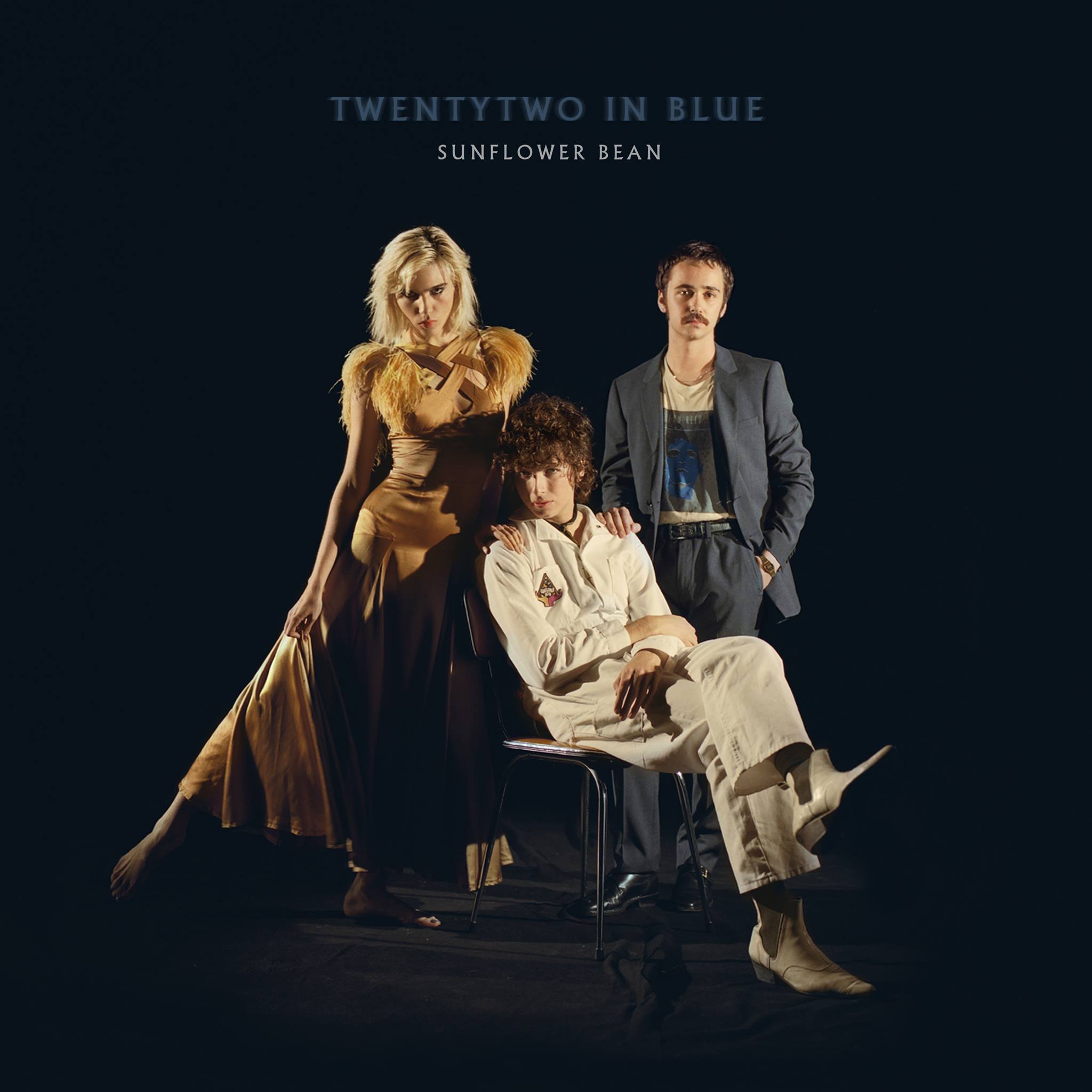
To understand just how much that the Brooklyn trio has grown in the past two years, look no further than the cover of the band’s terrific new album, Twentytwo In Blue. The three members of the band are spotlighted in the middle of the picture; a cover that is more confident and much less cluttered than the band’s 2016 debut Human Ceremony. On this record, the band takes tremendous strides towards a truly memorable and distinct sound.
An immediate highlight of the record is lead singer Julia Cumming’s newfound confidence and enhanced role, which puts her commanding yet soothing vocals to the forefront. The delivery of her voice allows the band’s classic rock sound to come off more sincere as seen on the stomping “Puppet Strings” as Cumming elevates the song’s impact.
Unknown Mortal Orchestra’s Jacob Portrait’s crystal clear production gives the band more clarity and greater punch on each track. From the initial moments of album opener “Burn It,” there is a more grandiose and powerful sound. At times on Human Ceremony, Sunflower Bean seemed lost in their own haze and volume. There is great confidence and poise on this new album that sees the band fully aware and in control of how they want to sound.
The album’s change in tone and breezy 40 minute runtime offers a genuine classic folk-rock offering while still feeling fresh. At times, the band’s youth and search for a sound is still evident as seen on the cringe-worthy backing vocals on “Crisis Fest.” In these moments, the band comes off more as imitators rather than the real deal. However, as a whole the band’s shows tremendous promise and leaps towards a refined sound on this record.
Throughout Twentytwo In Blue, Julia Cummings remains fully in control, sounding much wiser than her meager 22 years of life lets on, especially on the title track “Twentytwo.” Cumming’s strong vocals intertwine perfectly with jangling guitars reminiscent of 70’s folk rock, but with a newfound confidence and assurance. Her gorgeous lyrics are also put on display on the sunny “Memoria” as she sings “You are the mother who turns in her sleep.” This shows great attention to detail.
The album closes on a wonderful note with the gorgeous “Oh No, Bye Bye” as Nick Kivlen’s deadpan singing fuses tremendously with Cumming’s sunny vocals. As is seen in the rest of the album as well, this song shows the band’s grand development sonically as the song is bursting with intriguing layers of melody. Although at times Sunflower Bean’s youth is apparent, on Twentytwo in Blue, the band’s development within just one album is both astonishing and triumphant.
8/10

Decemberists: ‘I’ll Be Your Girl’
Veteran indie rockers The Decemberists, helmed by frontman Colin Meloy, officially released their eighth full-length album I’ll Be Your Girl on March 16th, and while it showcases Meloy’s enchanting vibrato and occasionally conjures a vaguely maritime aesthetic, it veers off-course of traditional Decemberists material in most ways. The band utilizes milky, spacey synths on several songs, and “Severed” in particular revolves around a pulsing synth line that sounds like it belongs on a late-night club DJ’s playlist.
I’ll Be Your Girl marks some stylistic changes for The Decemberists, but overall results in feeling a little lackluster compared to earlier releases–“Starwatcher” is particularly dull, failing to commit to either an ethereal minimalism or dense excitement, and Meloy seems to have adopted a penchant for repetition, singing “everything” so many times in a zealous bouncy melody on “Everything is Awful” that you might find that you hate the word when it’s all over. But this is a common thread on the album: upbeat, buoyant melodies with track titles of “Everything is Awful” and “We All Die Young.” Meloy shines in his dark songwriting, choosing his first words of the album “oh for once in my life / could just something go / could just something go right?” on opening track “Once in My Life.” His gloom hovers above sugary instrumentals throughout the album, straying from the epic journeys of folklore often employed as The Decemberists’s lyrical content (we never actually learn why everything is awful, but it seems like a summary of what Meloy is trying to express on I’ll Be Your Girl). On “Tripping Along” he sings “what I would do to lie with you, die in your arms” and on “Sucker’s Prayer” “I want to love somebody but I don’t know how / I want to throw my body in the river and drown.”
The Decemberists make sure to incorporate enough of their signature bizarre ear-catchers on I’ll Be Your Girl, like the high-pitched “na na na na na’s” on “Your Ghost” or the children’s voices on the chorus of “We All Die Young,” anchors to their off-kilter image as they experiment elsewhere on the album. The latter has a big-band, Western feel, with a featured saxophone, stomping and clapping, and a sonorous chorus. “Sucker’s Prayer” similarly contains prominent, saloon-ish piano lines and has a rockin’ guitar solo to boot, a dramatic shift from the ’80s-era synths that characterize the beginning of the album. The Decemberists slow it down on penultimate track “Rusalka, Rusalka / Wild Rushes,” an eight-minute apocalyptic epic reminiscent of their most popular material; oozing with drama, it swells gradually, solidifying itself as the most rewarding track of I’ll Be Your Girl, as it sticks out from its preceding short tracks which often leave you wanting more.
Overall, I’ll Be Your Girl is not an album that will make waves, but is a solid addition to an 18-year-old band’s discography. Colin Meloy still has his beloved chops and is rife with poetic ideas, and doesn’t seem to be slowing down anytime soon.
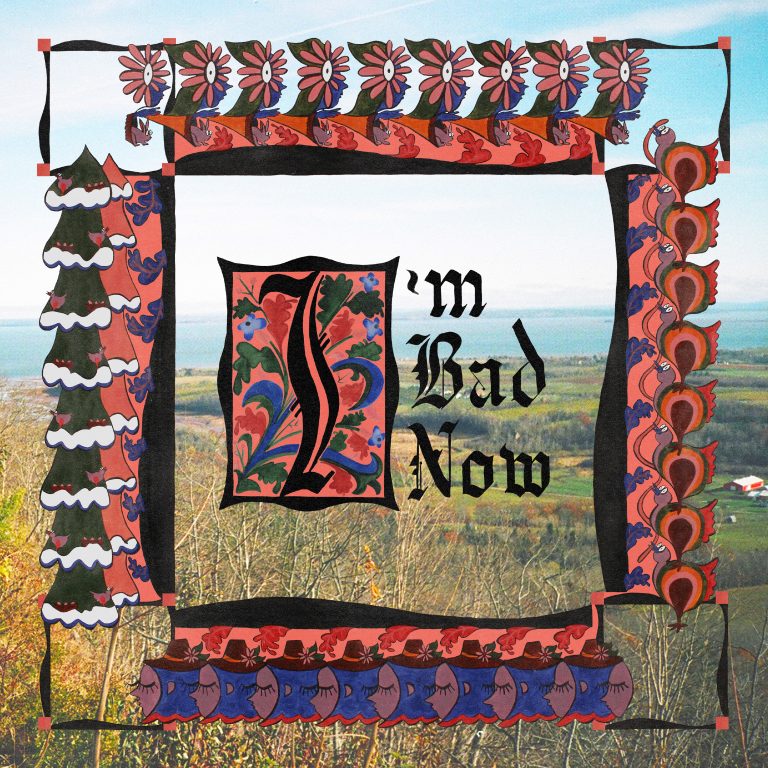
Nap Eyes: ‘ I’m Bad Now ‘

Upon first listen, Nova Scotia, Canada natives Nap Eyes‘ I’m Bad Now felt like nothing but a snarky stoner’s revelry. Too zonked or tired out to outgrow the comfortable Loaded era Velvet Underground, Nashville or SoCal instrumental trappings, the album on first listen quite frankly felt very flat.
Oh, how wrong I was.
Like an unglazed clay pot viewed at first from a distance, Nigel Chapman’s rich lyrical details reveal themselves like thoughtful patterns carefully etched into the surface with a surprising amount of attention to detail and clarity upon closer inspection. Chapman’s lyrics, delivered with a Lou Reed-meets-Steven Malkmus-esque dry listlessness serve as a pitch perfect contrast to the weighty album themes of existential meaninglessness and sadness.
In the hands of a less capable songwriter, these musings would have just come off as some stoned pseudo philosopher with an acoustic guitar in one hand and a lit marijuana cigarette in the other. The dry delivery of such heavy themes is beautifully on display in the song “Every Time the Feeling”:
Oh I can’t tell what’s worse
The meaninglessness
Or the negative meaning
I figured out a way to get on with my life
And to keep on dreamingEvery time the feeling comes
You never question why
It comes to you this way
You say you never get an answer that way
But then you wonder anyway
Just you don’t really think about it
And you don’t really try to figure it out, out
Nap Eye’s lilting instrumentation provided by Brad Loughead (lead guitar), Josh Salter (bass), and Seamus Dalton (drums) also provide a deft and wonderfully understated backdrop. Unburdened by the need to flex too hard on their technical chops (even though they’re all fantastic players) they focus more on providing necessarily a sunny sonic color palette. Because of this, even Nap Eyes’ bitterest pills go down nice and easy.
As if they were borrowing from Of Montreal‘s playbook of pairing their darkest, most morose subject matter, Nap Eyes make even the depths of their low key existential dread feel like easy listening. Maybe that’s why it took me so long to get into the lyrics, when I think about it. “Easy” digestion is the name of the game here. I’m not to say that any of this was easy or slapped together, though. Nap Eyes just happen to make it look effortless.
7.9/10

Camp Cope: ‘How to Socialise and Make Friends’

Let me get one thing out of the way: Camp Cope are not fucking around. The moment singer/guitarist Georgia “Maq” McDonald lets loose the first lyrics of the How to Socialise and Make Friends, all bets are off that this is going to be an easy listen. Don’t get me wrong, the instrumentation on the album bears more than a passing resemblance to the relatively placid Galaxie 500, but Maq has a lot of shit to say and damnit, we owe it to ourselves to listen.
Dismantling the patriarchy is a full time job and Camp Cope need overtime pay for the amount of emotional labor put into this album. Laying her (and many other women’s, for that matter) frustrations bare about the overabundance of machismo in the music industry in the aptly titled song, “The Opener”, Maq lets out full-throated screams about the misogyny that is all too common in the music industry:
It’s another man telling us we can’t fill up the room
It’s another man telling us to book a smaller venue
‘Nah, hey, cmon girls we’re only thinking about you’
Well, see how far we’ve come not listening to you“Yeah, just get a female opener, that’ll fill the quota.”
And that’s just in the first song.
On an aesthetic level “The Opener” is a perfect crystallization of Camp Cope’s sound on How to Socialize. In a very punk move, the arrangement never strays from the bare bones guitar-bass-drums set-up because it never needs to. Maq’s voice and lyrics are the stars of the show here and I wouldn’t have it any other way.
Her voice never falters even at the albums most tender moments, like the devastating, haunting acoustic closer “I’ve Got You”. The autobiographical tale of a relative’s or friend’s slow descent into death and her attempts to figure out hers and their place amid the cruel realities of the world is only made even more heartbreaking by her acknowledgement how much they’re a part of each other.
The sheer breadth and depth of the emotion conveyed on this record is astounding, reaching an intensity that I haven’t really felt since Blonde dropped. Yes, this might be devolving into gushing but if the rush of emotion I felt after I listened to this for the first time is any indication I’ll be listening to this album A LOT. I hope you will as well.
9.5/10
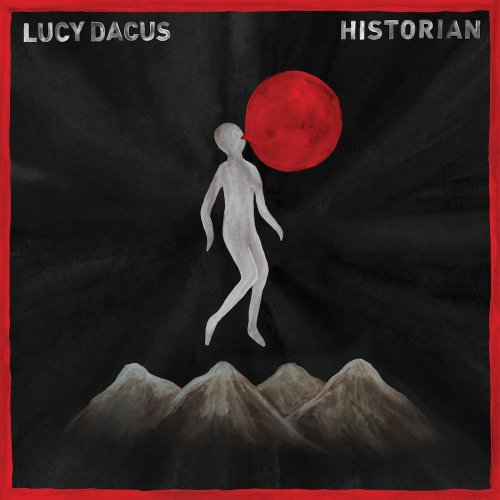
Lucy Dacus: ‘Historian’
After her 2016 debut, No Burden, Lucy Dacus was hailed as one of rock’s most promising new players. With her sophomore release, Historian on March 2, Dacus fulfills that promise—and then some.
Dacus’ delicate—but not in any way frail—vocals lead the way through the album, which almost feels like a rambling stroll through a narrative carefully sculpted with tattoo-worthy one-liners. The album screams maturity, carrying a sense of depth and knowledge that many decades-older veteran musicians at times struggle to grasp. In Historian, Dacus asks the big questions and allows herself vulnerable realizations while simultaneously staking her ground and declaring her space in rock music anyway.
The album opens with “Night Shift,” a track that’s equally heartbreaking and beautiful. Opening slowly, the track grows, seeming as if it’s never going to end but in a way that’s entirely positive. Though not one of the biggest stand-outs on the album, its a nice opener to the lineup.
The first real kicker in the album is the third track, “The Shell.” Upon opening, the song almost feels like being drunk at a party, a great party, but nevertheless still trapped in one’s own head. With lines like “I am busy doing nothing and you’re rudely interrupting/ It’s a myth but now I see it clearly / You don’t have to be sad to make something worth hearing,” the lines feel like a stream-of-consciousness, but somehow still entirely relatable.
The real shining moment of the track is towards its end—a trend that will come up again as the album progresses. The last third of the track almost evolves outside of this stream-of-consciousness to something wholly other, with the instrumental taking front in a way that builds similarly to that of great psychedelic ballads, entirely unexpected but definitely nice.
Next, to look at “Yours and Mine,” another standout in the lineup. She amps up the vocals on this track, bringing in some heavier, but still simple, harmonies to round out the lead—proving that Dacus doesn’t need to do crazy things with her vocals for her vocals to be crazy good. The best moment on this track, however, is the guitar solo rounding out the end. It’s fuzzy, it doesn’t feel overdone, and it seems to perfectly compliment the rest of the song in a nice juxtaposition.
“Body to Flame,” the sixth track, is practically cinematic in its greatness. It’s fairly calm, ambling, before Dacus belts, “Laughing aloud at the spinning stars” and the track explodes. It’s fuzzy, it’s a sensory-overload, it’s fazing in-and-out and it’s exactly what the album needs. With lines like “I see you holding your breath with your arms outstretched/ Waiting for someone to come rip open your chest,” the track almost feels like a Joan Didion essay, giving you all of the details you didn’t know you wanted—but somehow Dacus did.
Finally, the funkiest track on the album, “Timefighter.” This particular song feels self-assured, as if written by someone confident enough to walk away from a love and be able survive the fallout. It’s groovy and definitely a track you can lay back into and get comfortable with, just swaying to the beat as she spells out the story. This track, again, shines in guitar solos, but this time they’re particularly gritty, rough, and harsh on the edges. Further, the almost staccato stop-and-go towards the middle of the song shows her own self-restraint as an artist, her own maturity to know when to pull back. It fits, so well, in the overall narrative—proving her own badness in the best way possible.
On her sophomore album, Lucy Dacus confidently strode into the world of rock—showing that though it’s just her second album, she already has the chops to be a mainstay in the industry.
9/10

Soccer Mommy: ‘Clean’

Soccer Mommy (aka Sophie Allison) hasn’t abandoned her lo-fi bedroom pop aesthetic in her latest album Clean, just dialed up the production value a notch and added some layers. Her coming-of-age, sometimes naïve, sometimes adolescently self-deprecating, sometimes wise lyrics still sit unassailably at the forefront of her songs, filling whatever space they’re listened in with raw honesty. The satisfying guitar hook of “Your Dog” and prominent bassline of “Skin” propel Soccer Mommy into rock territory, but the most engrossing tracks are the ones in which Allison’s voice isn’t cloaked by a host of instruments. In “Scorpio Rising”, her voice soothes over acoustic guitar before retreating into the depths of a full backing band, and when it re-emerges to sing “kiss you in the park / we’ll meet up after dark,” it is oh-so-satisfying.
Allison’s voice is tender, but her songs possess the sardonic grit of a frustrated 20-year-old trying to navigate romance and self-discovery. She sings in second track “Cool,” “Mary has a heart of coal / she’ll break you down and eat you whole” before admitting “I wanna be that cool.” What’s confusing is that she does seem that cool, but keep listening and you’ll realize that her insecurity is a point of emphasis on the album. In “Last Girl,” she declares, “I want to be like your last girl,” good-naturedly lauding a boy’s ex-girlfriend with praises such as “she’s so sweet / and she’s so pretty / even more than me.” As if exalting this girl isn’t enough in itself, she goes on to sing, “I am just a dying flower / I don’t hold the summer in my eyes.”
The unfiltered nature of Clean’s lyrics is both a strength and a weakness, at some points evoking discomfort and pity a little too aggressively; throughout the album, Allison refuses to let you forget that she is only 20. Her bitter songwriting reveals a soft underbelly, one that has been abused and handled carelessly; although she seems to hide behind a façade of flippancy and anger, she allows us to see her sensitive side as well. Her voice vibrates in melancholic “Blossom (Wasting All My Time)” over swelling atmospheric instrumentals as she offers the most vulnerable lyrics of the album with “wasting all my time wondering if he really loved me” but twisting the sentiment halfway into an innocent but resolute declaration: “I’ll be spending all my time with someone who really wants me.” Digesting these lyrics in conjunction with the lyrics of Clean’s other tracks, you’ll find a unique and youthful perspective of the world from someone who truly has something interesting to say.
Lyrical depth isn’t the only lure of Clean, however, as Soccer Mommy delivers a cohesive and pleasing string of soft pop melodies and echoing guitar riffs. For the most part, she utilizes her instrumentation well, but still seems the most comfortable with an acoustic guitar in hand (I personally thought that her acoustic “Interlude” particularly stood out in its creativity), and continually falls back on down-tempo tracks with melodies built upon moderate interval jumps (“Still Clean,” “Flaw,” “Scorpio Rising,” “Wildflowers”). This makes it feel like the album is divided into two distinct sections with two varieties of tracks, but Allison pulls off her up-tempo tracks like “Cool” and “Your Dog” with skill, which indicates that Soccer Mommy is continuing to grow and improve, making Clean a solid listen.
8/10

Review: Judah & the Lion: Going to Mars Tour
Tall Heights :
Colony House:
Judah:
The first of Judah & the Lion’s two-night sold-out stint at the Georgia Theatre in Athens, GA, started strong and ended with a bang. The “folk hop n’ roller’s” constructed a show as equally meaningful as it was exciting, and easily kept fans on their toes for the entirety of the night.
The show opened with Tall Heights, an electrofolk duo out of Boston, MA. At this point, the theatre was already quite full and the musicians played to that pressure well. While they crooned, they found incredibly interesting ways to engage the audience—at one point pulling off one of the coolest in-show magic tricks I’ve ever seen. The group asked the entire audience to pull out their various phones, to call another in the room, and then put the call on speaker. These calls echoed throughout the theatre and really brought the performance to another level.

Next up was Colony House, a group out of Nashville, TN. These modern-day Beach Boy rockers had a strong following in the audience and definitely played to that strength. The group was upbeat, incredibly high energy, and carried the confidence of experience. Though considerably louder (think: drums-shaking-ribcage-loud) the band managed to keep a clean sound to show off their technical prowess.
Both openers were met with really strong reactions from the crowd. Then there was Judah. The crowd erupted.

Understandably so, as the Nashville-based headliners opened the set with a dance-party rendition of “Booty Wurk (One Cheek At a Time).” The group held this vivacity through the entirety of the set, intertwining hip hop and folk seamlessly throughout.
The band played much of it’s Folk Hop N’ Roll album, out in 2017. However, the show was far from the average, sit-and-watch-for-two-hours, set. Just as the bands that preceded, Judah & the Lion kept the show interactive.

With moments like a dance-off during the song “Reputation,” a surprise cover of “Mr. Brightside” featuring all three bands, and the crowd singing competition during “Green Eyes”—which later determined which side of the stage members would dive off of—the band kept the show accessible and genuinely fun. Just a really good time. The crowd continuously had no clue what was coming next, but surely it was going to be great.

Through the fun, there was some sentimental, deeper-meaning to the show. Frontman Judah Akers told the story of the bands first show outside of Nashville, which happened to be at a smaller venue in the Athens area. The show seemed to carry a lot of meaning for the group, as Akers grew a bit emotional before launching into the inspirational “Going to Mars.”
The show “ended” with a two-minute dance party during one of the band’s biggest hits, “Take It All Back,” before an encore was demanded. Once again, they brought out the other two bands for an incredibly sweet, stripped down rendition of “Lean on Me,” before ending the set with “Water,” a track from the bands 2014 album Kids These Days. I’m fairly certain that the general sentiment of the crowd was of a “One more song!” mentality, but with a band like Judah & the Lion that certainly doesn’t come as a surprise.
10/10
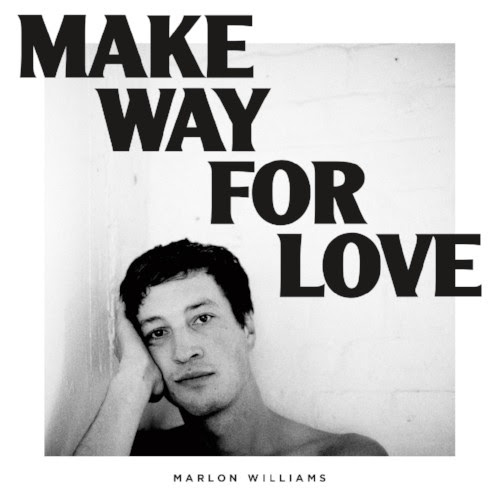
Marlon Williams: ‘Make Way for Love’
Marlon Williams is only 27 years old, but unfailingly keeps proving that his musical maturity is a force to be reckoned with.
With a crooning voice that upon first listen may be mistaken for Elvis’s, Marlon lulls into captivation anyone who’s listening in his second solo album, Make Way for Love, combining the styles of early country with early rock n’ roll to shape a sound that the singer will make you believe has been disgracefully missing from modern music. From the first guitar strums of the title track “Come to Me,” Marlon establishes a lush, vulnerable atmosphere that he adamantly sustains until the final note.
But the native New Zealander is not a one-trick pony; he sprinkles elements of surf rock in “Party Boy” in a way so nuanced that you might not even notice yourself grooving. And smooth synth notes make an appearance in “Love is a Terrible Thing,” a shred of evidence that Marlon is not merely recreating tender music of old but breathing new life into it. Make no mistake: Make Way for Love will transport you into a long-gone era of soothing love ballads strummed into the ether by a handsome heartthrob, but Marlon taps into universal themes of love and all that accompanies it (heartbreak, jealousy, lust, bitterness) in a conceptual and robust exploration that lays enough on the table for anyone to find resonance.
The album floats along from an ode to the innocent joy of love in “Come to Me” to the warm pleas to his lover in “Beautiful Dress” (“let me wear you like a beautiful dress/let me love you”), the undertones of dripping melancholy cluing you into the retrospective nature of the album and preparing you for the descent into heart-wrenching territory. Marlon writes lyrics with the visceral anguish of Nick Cave and sings them with the gentle restraint of Roy Orbison; he sings, “people tell me/‘boy you dodged a bullet’/but if only it had hit me/then I’d know the peace it brings” in “Love is a Terrible Thing” and begins the similarly mournful “I Didn’t Make A Plan” with, “I didn’t make a plan to break your heart/but it was the sweetest thing I’ve ever done” before later belting out apocalyptic “hey-yo”s.
His melodrama is far from tawdry or unrelatable, at once making you feel both profoundly sorry for and profoundly in awe of him, and it all culminates in the penultimate track, “Nobody Gets What They Want Anymore.” Hearing Marlon trill “I cannot explain/emotions I can barely afford to contain” in a duet with the subject of the entire album, former girlfriend Aldous Harding (a musical force of her own), suddenly makes everything clearer–and hurt a lot more. No song has better encapsulated Marlon’s talent for baring his soul in a maturely tactful way, serving as a microcosm of the entirety of Make Way for Love. He is even kind enough to alleviate some of the burden of the first 10 tracks with his farewell, “Make Way for Love,” an angelic soft pop track we realized we desperately needed only after listening to it.
Make Way for Love is a rare example of an artistic work crafted so masterfully while feeling so natural and genuine that it is effortless to listen to, swelling with atmospheric emotion and directing all thought to the contemplation of Marlon’s poetic and arresting lyrics. With only his second solo album, Marlon has utilized his timeless voice in the creation of a timeless piece of art, which makes us hopeful that the best is yet to come.
10/10
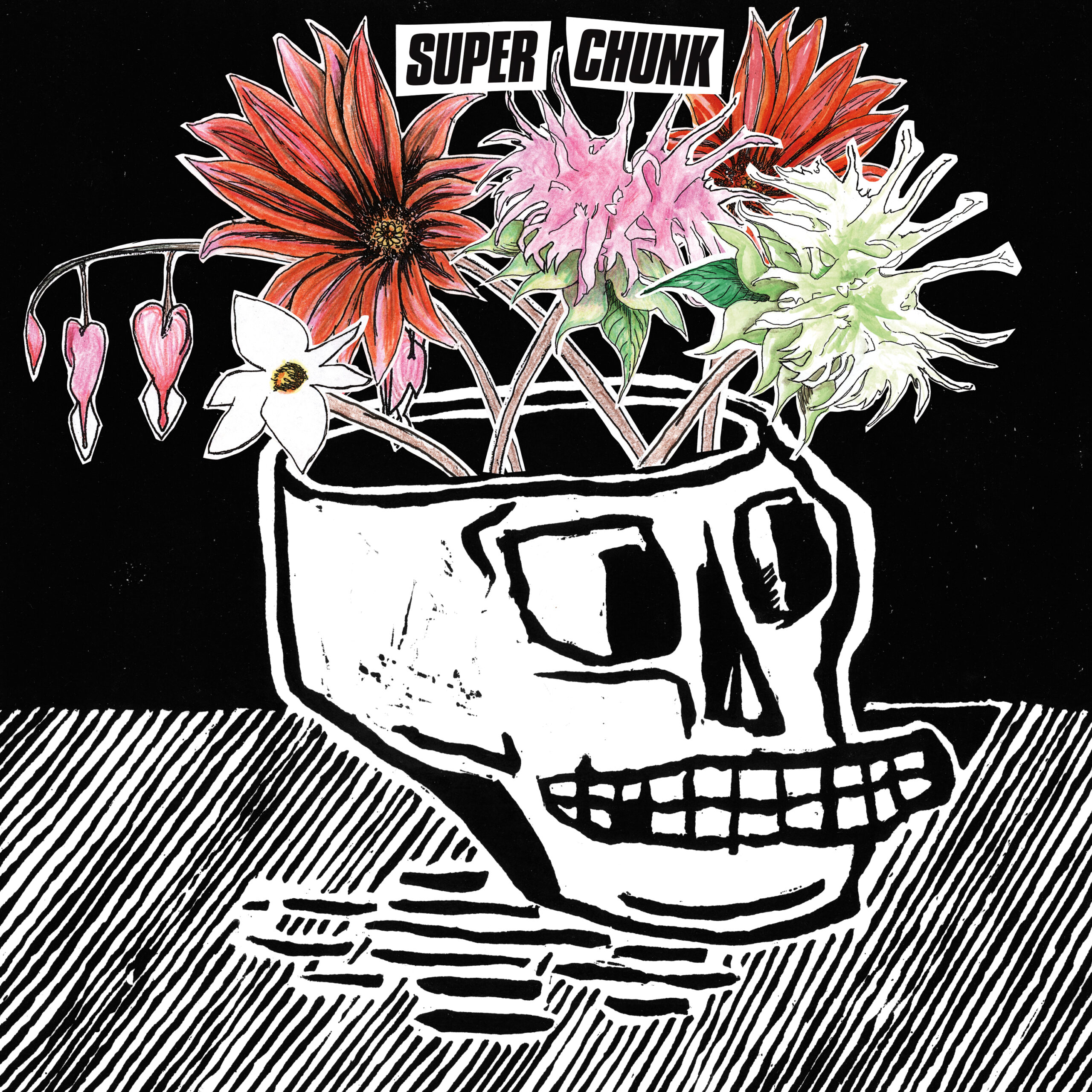
Superchunk Delivers Punk Rock Gem on ‘What a Time to be Alive’
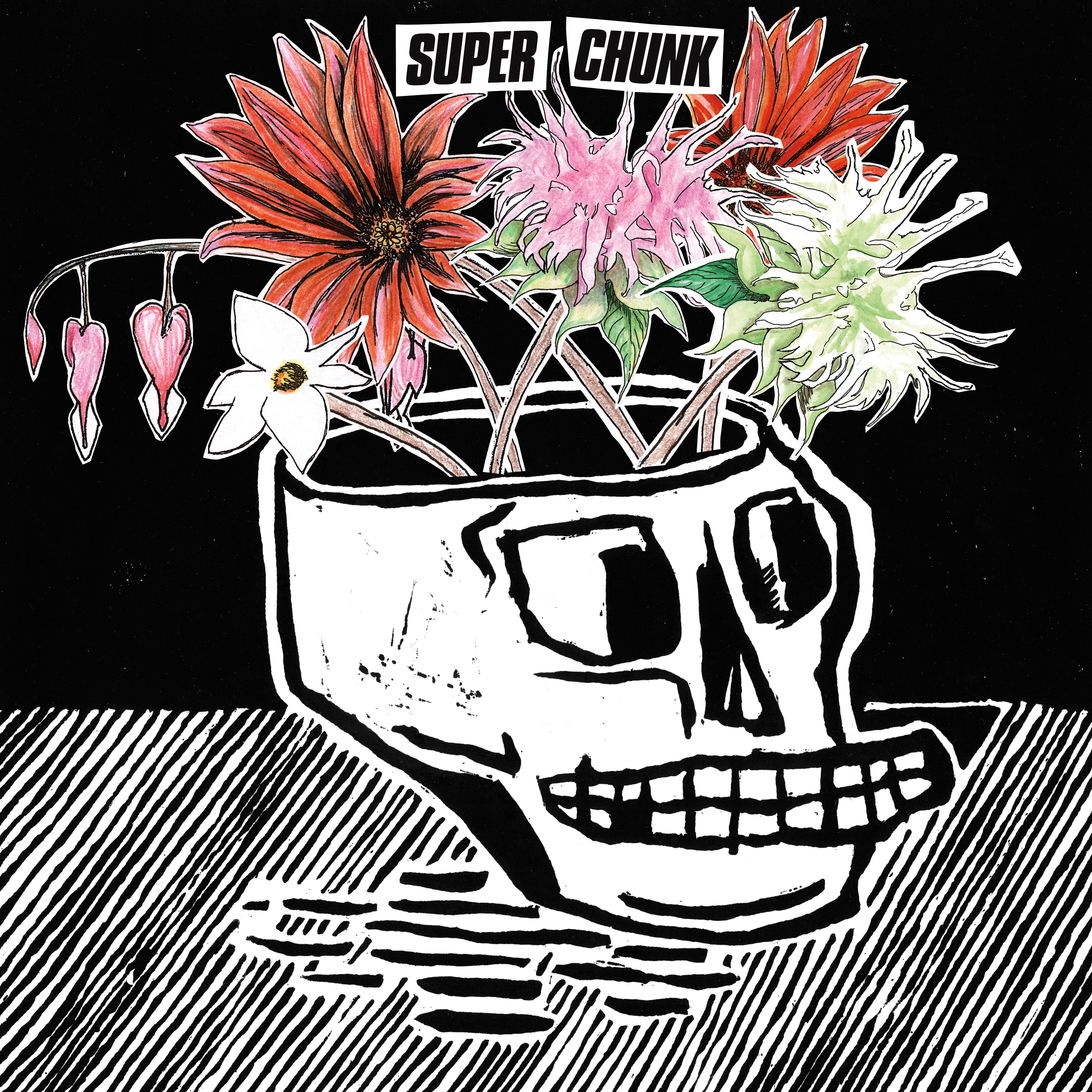
Superchunk turns anger into noise—and joyous noise at that—on the band’s newest album, What a Time to be Alive. Twenty-eight years after their self-titled debut, the band’s fury and energy is as powerful as ever, as frontman Mac McCaughan’s vocals mesh with soaring guitars and the pulsing percussion of drummer Jon Wurster.
The 2016 election has shaped much songwriting in the past two years, yet on What a Time to be Alive, the band strikes to the core of the political issues in a way that has seldom been used. McCaughan’s vague lyrics yet pointed rage provide some of the best politically charged songs in recent memory. On an early highlight of the record in “Break the Glass,” McCaughan sings, “Break the glass, don’t use the door. This is what the hammer’s for,” reminding everyone to continue to speak out and fight back.
This record is a great piece of punk rock, reminiscent of the ’70s and ’80s. McCaughan gives recognition to the past on “Reagan Youth,” as he reflects on similar political fury from the Reagan administration behind the ripping guitar of Jim Wilbur. The band balances the pace of the record brilliantly, switching on a dime from the mid-tempo “Erasure” to the raucous “I Got Cut.” There is hardly a bad moment on the record. Although the short “Lost my Brain” lacks any real memorable moment, the album’s lightning pace immediately throws you into stand-out track “Break the Glass.”
From the opening riff of the title track, Superchunk shows they have their fists clenched and are ready for a fight. The album clocks in just slightly over half an hour, yet the band’s whirlwind of sound gives this record great impact over its short running time. Over its entire 73 seconds, “Cloud of Hate” gives increased ferocity to the record and highlights the band’s ability to do more with less.
The album’s best moment comes final moments on the terrific “Black Thread.” The band ends the record on a powerful yet controlled note, keeping its political tone, yet showing tremendous melody as McCaughan’s vocals intertwine seamlessly with winding guitars before urging listeners to “Cut the Black Thread.”
Throughout all 32 minutes of roaring guitar solos and cries to action, What a Time to be Alive proves to be a fantastic record. Listening to the album, it is near impossible to imagine a band 28 years into its career simply adding another LP to its discography. Rather, you imagine a band near its prime, creating music with great ferocity and even greater heart.
8/10

Car Seat Headrest Reimagines Bandcamp Opus ‘Twin Fantasy’

Throughout the 71 minutes of Car Seat Headrest’s superb new (half new) album Twin Fantasy, frontman Will Toledo sings about being human. Or rather, about the struggle to be human when it feels like he simply does not relate to anyone around him. On this new version of his 2011 Bandcamp album of the same name, Toledo shines with an unashamedly honest whirlwind of a record.
This album puts Toledo’s growth as both a lyricist and a songwriter on full display, as the record is much more fleshed out and polished. Look no further than lead single “Nervous Young Inhumans,” originally a so-so middle tier song which Toledo revamped into a glam-rock opus backed by siren-like guitars. Throughout the record, Toledo doesn’t just rerecord Twin Fantasy with better equipment, but he reimagines it with years of growth as a songwriter.
That growth is most easily seen on the revamped and lengthened “Famous Prophets (Stars),” one of the album’s standouts. Toledo hones in guitar driven rage, a piano ballad and even spoken word over the span of the song’s 16 minute runtime. This song is six minutes longer than the 2011 version and is packed with ambition, including an entirely new piano driven riff that steers the song in an entirely new and fresh direction. Rarely, if ever, do these steps of ambition fall short on the record.
One of Car Seat Headrest’s strongest suits is the band’s longer songs, which have been a staple of Toledo’s throughout his career (two songs on this album clock in at over 13 minutes). Will Toledo’s ability to craft songs that continuously change and evolve is what truly sets him apart from many of his indie-rock peers. Although the length of the tracks may appear daunting at first, the evolution that takes place over each song makes the album more rewarding after each listen as seen on the romping “Beach Life-After-Death.”
The album’s main fault lies in overproduction on some tracks that benefited from the DIY sheen of the 2011 Twin Fantasy. “Bodys” is a prime example, as the lack of reverb isolates the warmness of the song and creates a far less compelling version that the original. The warmth of heavy reverb littered throughout the first record is mostly gone in the cleaned up 2018 edition. However, this problem is sparsely seen, as a great majority of this record benefits from a clearer sound.
On “Cute Thing,” Toledo begs God, “Give me Frank Ocean’s voice and James Brown’s stage presence,”( as if Toledo’s musical gifts aren’t enough to succeed). Yet, what he lacks in raw talent he makes up in songwriting and sheer ability to convey his emotion. That very same song is one of the best on the record, as Toledo’s lyrics perfectly convey the frustration, anger and hope of youth powered behind crunching guitars.
One of the joys of Twin Fantasy is how the album works on numerous levels at the same time. It captivates and succeeds as a stand- alone album and one of the best records released so far in 2018. But it also works as a re-imagination of the 2011 record and a testament to Toledo’s growth as an artist, allowing the listener to compare the two versions. Toledo has not just developed into a fantastic songwriter, but one of the best in his entire generation.
8.5/10