
Tag: review
Warning: Attempt to read property "post_id" on null in /dom375187/wp-content/plugins/enhanced-category-pages/classes/ecp/Enhanced_Category.php on line 143
Warning: Undefined array key 0 in /dom375187/wp-content/plugins/enhanced-category-pages/classes/ecp/Enhanced_Category.php on line 232

Review: UGA MBUS Students: 2023 Spring Releases
As a part of the University of Georgia’s Music Business Certificate Program, I am lucky enough to be classmates with a host of musicians and performers. So here, I want to highlight a few recent releases from my talented classmates.
Bea Porges is a singer-songwriter with a penchant for layered, relatable lyrics. Backed by fellow classmate Cannon Rogers on a warm but striking steel guitar, she released her new single “all day long” on March 24. A nice subtle bassline and simple drum pattern give the song a soft, jazzy feel. The true highlight of the track is Bea’s voice. Her vocal performance brings so much character and passion into a song that is otherwise muted. At 0:46 and 2:18 and specifically, her vocal slides pleasantly catch my ears and provide a necessary structural deviation. It’s a flowery track that delves into the all-too-common feeling of longing. The mellow ache of missing someone you love and wanting to share time with them. “Space and time and feeling fine and our shared sentiments,” are the words Bea herself uses to describe this situation. In her refrain she sings, “All day long, all day long I think about loving / And all day long all day long he thinks about nothing.” Love holds so much power over us all. But unfortunately she is a cruel mistress, and so often we have love for those who may not recognize and reciprocate its presence.

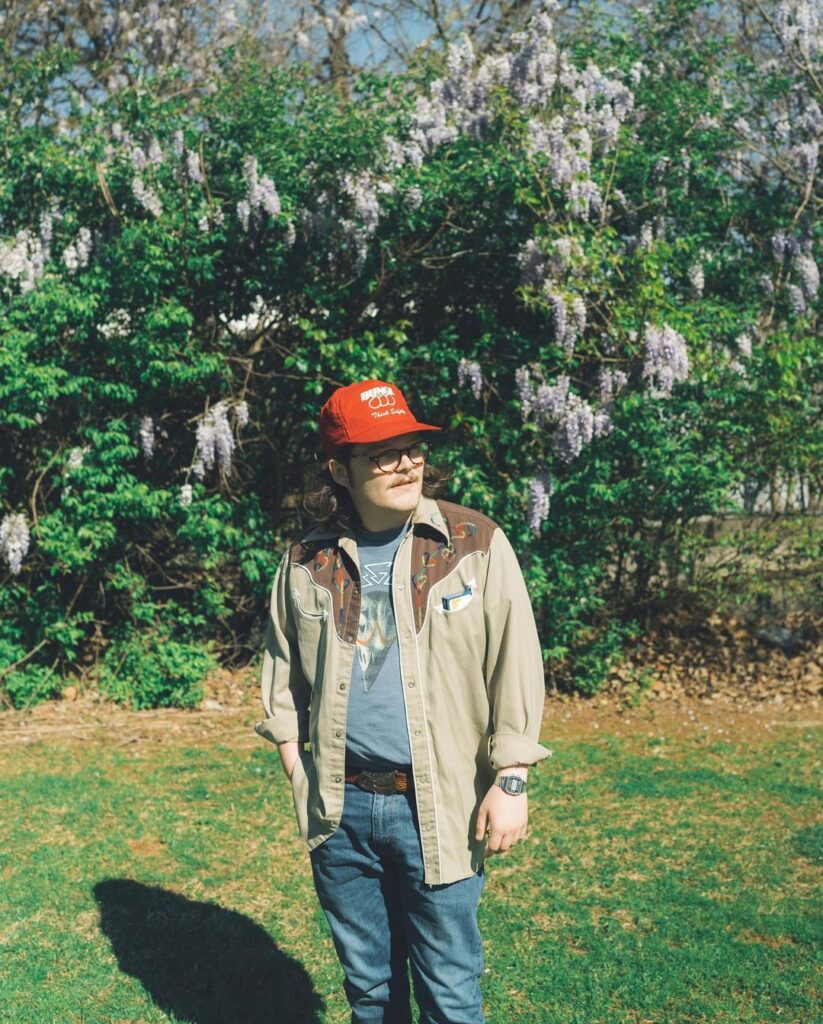
Ethan Faulkner, under artist name Balistix, and fellow beatboxer DEN, released collaboration “Love Love Love” on March 31. On this EDM track, both artists display a high level of vocal control and beatbox mastery. Kicks, claps, and a range of high and low synth-like sounds are reproduced to form the beat, as the pair take turns singing. In Balistix’s own words, “everything in the song was made only with the human mouth.” It feels so effortless, but it’s clear that both of these men have acquired their skills by spending their days and nights toiling over and honing their craft. Opening with “You were so hard to find / It wasn’t easy / But now that I found you / My life’s completed” is how this “somebody to love” is presented to us listeners. At 2:19, a bouncy breakdown provides an added element of variation, and this track would feel hollow without it. This fun, danceable track would do very well at energizing the crowd at an EDM show or club. Self-proclaimed “haters” of the genre could find significant value in this as well.

Tattoo Logic, a newly-formed five-member funk-punk band, released “Ghost of a Chance” on March 31. The track opens with some cymbal taps and a simple guitar riff and then it booms! Think “Misery Business” by Paramore, “Boys Don’t Cry” by The Cure, or “Helena” by My Chemical Romance. “As soon as I kicked the bucket / It was easier to forget than a Classic City obituary” starts the song off on a strong note. Silence and rests are as much a part of this song as the instruments and vocals are. The instrumental oscillates between choppy, staccato notes played in unison by the guitarists and a much wackier beat that feels almost like a cartoon chase scene. The chorus goes:
It’s not a ghost of a chance, or a whisper of faith
Tattoo Logic, Ghost of a Chance
You thought you were close but you were locked in a race
It’s a haunted dance, how it drifted away
And how we say… It’s not a ghost of a chance
Unexpectedly, the first chorus is followed by the entrance of metallic synths. It fits perfectly, giving an eerie, off-putting edge to the song. The bridge, while still teeming with nervous excitement, is more orchestral in nature. An especially strong part of the song is the head voice and slides employed by the lead female vocalist. This song reminds me of a scene in a movie; The somewhat outcast but loveably goofy and confident main character asserting themself as the looming conflict is just ready to boil over.
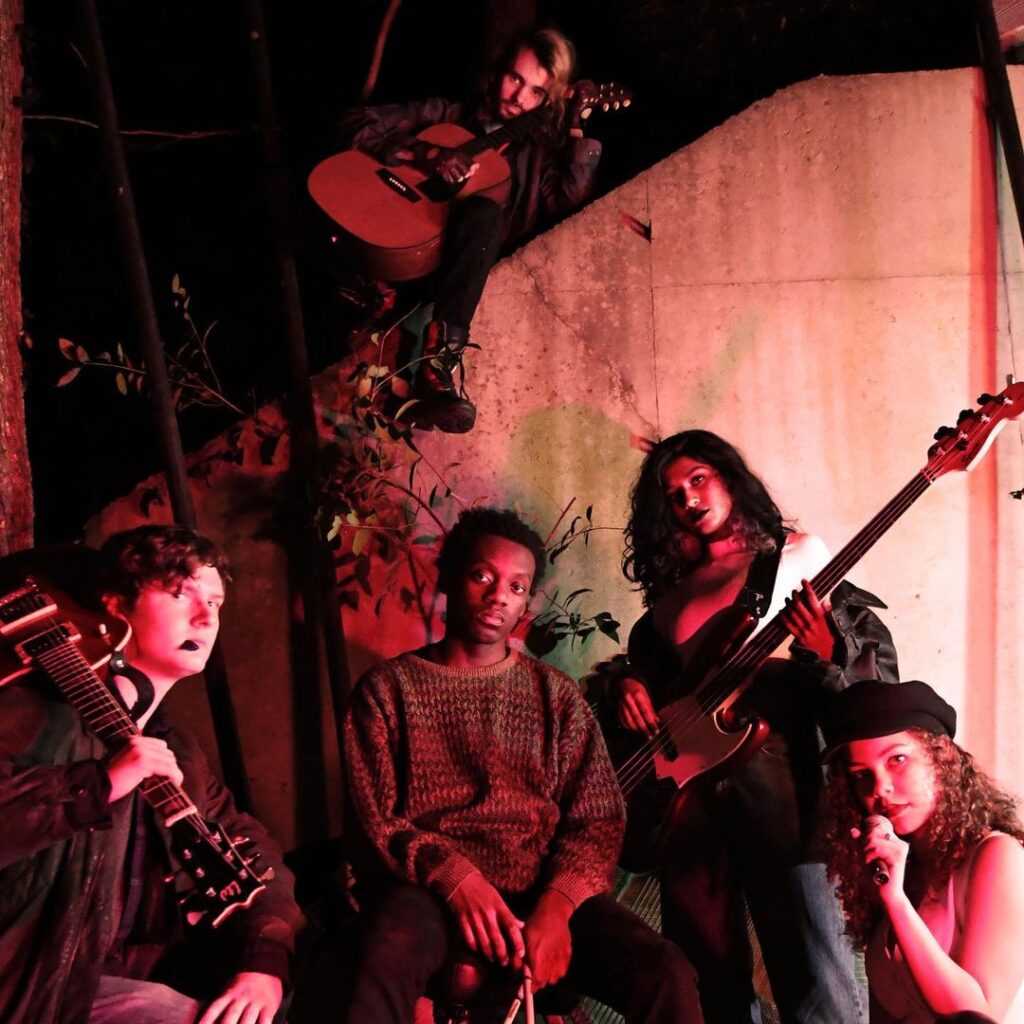
Whether it is passive or active, casual or impassioned, live music forms a basis of culture and community across the globe. If you can, go support these local young artists who help form this basis in Athens, Georgia. Who knows, maybe you’ll even be inspired to check out a show!
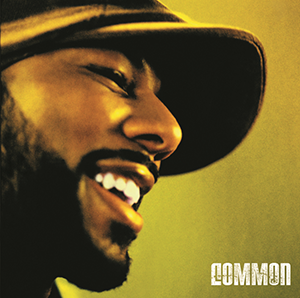
Review: Common: “Be”
Be. It’s a simple message, a direct command. And, it also happens to be the title of Chicago rapper Common‘s 2005 album: Be.
Common explained the title of his album in a 2005 interview, stating:
The album is entitled BE because the hardest thing to do is to be yourself, although many think it’s the easiest it’s really not. Being is just to exist, you don’t have to try hard to do anything because God gave us each an individual and unique characteristic that is the core of who we are. So BE is just about that, being whoever you are, where ever you are.
AllHipHop, 2005
Track six, “Love Is…”, and the closing track, “It’s Your World (Part 1 & 2)”, are produced by the legendary J. Dilla while the other nine tracks are produced by fellow Chicagoan Kanye West. Today, both men are considered masters of the art of sampling and two of the best producers of all time. At the time of its release, Common was a member of West’s label GOOD Music, and the pair were already close friends after having met nearly a decade earlier in Chicago. Dilla and Common also shared a close relationship as they were both at one point members of the Soulquarians, an informal and experimental Black music collective active around the turn of the 21st century. This highly-influential group counted now-illustrious creatives like Questlove, Erykah Badu, Mos Def, and D’Angelo among its ranks.
Samples of classic soul records coalesce with a myriad of layered rhyme schemes as Common and guests skillfully navigate a wide variety of topics and narratives to make this album a whole that is much greater than the sum of its parts.
The host of features includes then-labelmates John Legend and Kanye West; Hip Hop progenitors The Last Poets; comedian Dave Chapelle; fellow Soulquarian Bilal; singer-songwriter-guitarist John Mayer; and several others who went uncredited.
For so many, myself included, this album inspires you to listen to and think about the world around you. Common is simply talking about his own experiences: the troubles faced in the hoods of Chicago, the waning of youthful glee, the bittersweet dichotomy of love, the unrivaled confidence he has in his rapping ability, the discrimination of African Americans in American society, the battle between monetary success and being a voice for his community. He makes his personal perspectives seem relatable and general, a quality of the most capable rappers and songwriters.
Over the course of these 11 tracks, he verbosely navigates many themes and ideas in a way that only a master of his craft could do. Each of these songs deserves a review in its own right. It almost feels like an injustice to condense the words and teachings of a seasoned veteran like Common into just a few paragraphs. So instead, I’ve highlighted some of my favorite bars and moments throughout the album, and I hope that these inspire you to listen as Common has inspired me to do the same.
The beat of “Be (Intro)” is one of my favorite musical moments ever. It slowly builds over the first minute of the song and comes together beautifully. At first, it’s just a bass slowly being plucked, then the plucking gets faster, a synth begins playing, and then the keys come in. More strings and drums make the beat finally feel whole as Common begins rapping shortly thereafter. In a strikingly political line, he asserts: “Bush pushing lies, killers immortalized / We got arms but won’t reach for the skies.”
Common has a lot to discuss on women and that’s evident on “Faithful”. He opens the track with a series of questions.
I was rolling around, in my mind it occurred
Common, Faithful
What if God was a her?
Would I treat her the same? Would I still be running game on her?
In what type of ways would I want her?
Would I want her for her mind or her heavenly body?
A vocal sample from Marvin Gaye‘s “God Is Love” backs “Love Is…”. It’s a raw track, something I listen to on a dark day when I need to get in better spirits. Common raps “Everybody loves sun, why do I attract shade / Heard of love of money, but compassion it pays.” These lines remind me of Nas‘ legendary track “The World Is Yours”, where he declares, “I need a new nigga for this black cloud to follow / Cause while it’s over me it’s too dark to see tomorrow.”
Chi-City is a braggadocio track that serves as both an homage to Chicago and a larger discussion of the role of rap in the Black community. Common’s opening line, “I rap with the passion of Christ, nigga cross me” is a perfectly blunt way to begin before Common starts going after “whack” rappers. On the other hand, Common holds his fellow Chicago MCs in high esteem, rapping, “They ask me where hip hop is going, it’s Chicagoan / Poetry’s in motion like a picture now showing.”
On “Real People”, Common speaks on the racism and discrimination that Black Americans face. He invokes key Black Rastari figures, asking “I wonder if the spirits of Bob Marley and Haile Selassie / Watch me as the cops be tryna pop and lock me?”
The second part of the last track, “It’s Your World (Part 1 & 2)”, is the culmination of the album. Common’s father Lonnie Lynn, or “Pops” delivers a spoken word outro in which he lists qualities, people, careers, emotions, and states of being that we can “be”. It’s an understated end to Common’s magnum opus. It’s cyclical in a way. Be, we do it always, unfailingly, and yet there isn’t really a start or end in the truest sense of those words. And on that note, I’ll close this off in the same way that Pops does, with a two-word instruction that I think we all can live by: “Be… eternal.”

Review: 6LACK: “Since I Have a Lover”
Hailing from East Atlanta, 6LACK (pronounced ‘Black’) has finally returned to music with the release of his third studio album Since I Have a Lover following a six year hiatus. The album boasts three features, including a surprising Wale feature. Previously, 6LACK has established common themes in his music like break-ups and being a rolling stone who does not want to settle down. Since I Have a Lover expands his palette to new themes such as growth and healthy relationships, hence the name. He hasn’t topped East Atlanta Love Letter with this latest release, but the lyricism and emotion on this album are standouts.
This album feels incredibly personal and it’s evident that he spent a lot of time working it. While listening, I can practically feel the emotions he conveys. 6LACK has been very open with fans about his personal growth and how he has been coping with change as he enters new eras in his life, like fatherhood. This album explores the possibility of settling down, which was not a common theme in his previous music. He also reflects on experiences from youth and childhood that make him reluctant to do so. In an interview with Zane Lowe, 6LACK speaks on the album and what it means to him. He goes into detail about the choices he made and what helped him recognize there was a need for change. “(I) was putting (myself) in the position to have to make Free 6LACK 2,” 6LACK says, reflecting on self-sabotaging and pushing away people who cared about him.
The album opens with the song “cold feet”, which is a term often used to describe apprehension or doubt, showing his reluctance to change. The song features an intro with a woman asking him to return to music. He addresses his absence by saying while his old projects were hot and made him feel alive he’s been waiting on something to set him on fire fulfilling those old passions.
In the second song, “Inwood Hill Park”, he starts to doubt his past life, but nevertheless appears hopeful. He contemplates marriage saying “I been thinkin’ about gettin’ on one knee, turn a solo to a feat”. He appears to have changed, realizing he loves the girl who has been there since the beginning. He echos this sentiment during the Apple Music interview, stating that if it had not been for his lover’s patience there may not be an album. He acknowledges his growth with a reference to his old album Free 6LACK: “remember when it was all black and white, colors startin’ to feel real vibrant”.
The next two songs (“Since I Have A Lover” and “playin house”) reference marriage again. This time, he dives deeper and discusses some things that could be holding him back and what it would take to sustain a marriage. On “playin house”, he uses great imagery to portray his unstable relationship with his lover, “spent all that time building a strong foundation, it’s like we need a renovation”. This demonstrates his growth as he acknowledges there is a need for change.
The first third of the album was lively and lyrically the strongest but after “chasing feeling” it’s harder to engage with the tracks. The mood shifts and it is not as captivating as earlier songs. The lyrics make it seem as if he is regressing back to old ways “You mine every day, don’t try to file no restraint”, he exclaims on “Decatur”. This is a huge emotional shift from someone who was just contemplating marriage and traumas a few songs ago.
But then, the last three songs come in and save the day, starting with “Stories In Motion”, which features eloquently written bars from Wale. Then, it’s fan-favorite “Testify”, which is accompanied by calming acoustic guitars and 6LACK’s beloved ultra melodic voice. The album wraps up nicely with “NRH” (which stands for night ride home). 6LACK reflects on past lovers, who cross his mind especially at night.
While it was not the heavy-hitting album I expected, lyrically it is one of my favorite albums of the year so far. He poured his emotions into it and shows a deep commitment to growth. I commend any artist that can expose that kind of vulnerability to the world.
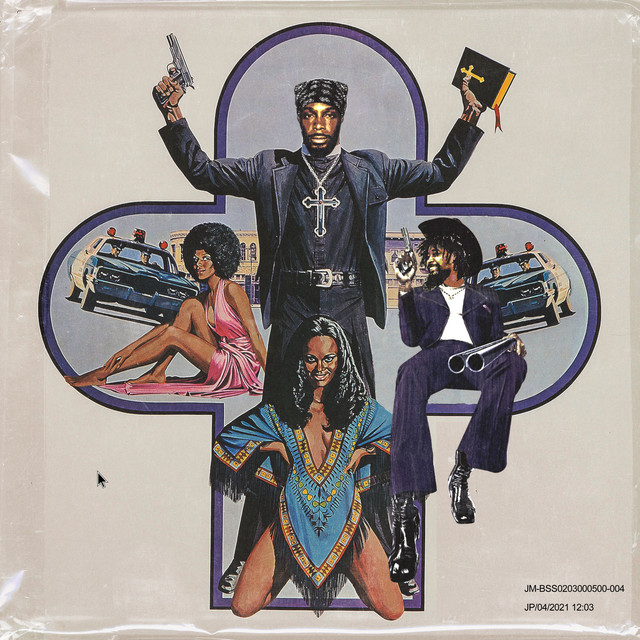
Review: JPEGMAFIA and Danny Brown: “Scaring The Hoes”
On the music side of Twitter, you’ll find one revolving joke: “Don’t put on ‘so-and-so’ or ‘whats-his-name’ at the function, or you’ll scare away the hoes,” and JPEGMAFIA, also known as Peggy, and Danny Brown are often at the butt of the joke. They embodied this with their new project, a collab album titled Scaring the Hoes. Two experimental and ambitious artists came together to make some of the strangest, yet most interesting music I have ever heard, and while I may enjoy it, I would not recommend playing it in front of the “hoes.”
Peggy’s seemingly ever-changing production style keeps you on your toes, with recognizable samples thrown in at every unexpected turn. While his high-profile sample clearances may be a mystery, his sampling itself isn’t; the artist revealed in a recent tweet that he “Made every beat on the album with one machine, The SP 404.” The use of this popular analog sampler, which is significant in hip-hop production, explains the muddiness of the mixes as well as the album’s old-school feel. Danny Brown’s vocals tie the sound together well, offering some of his best lyrical performances in years and hammering down on his unique delivery.
The pair took to the Danny Brown Show podcast to release the opening song and lead single, “Lean Beef Patty,” in late February, before releasing the track a few weeks later on streaming platforms. It introduces listeners to the slightly abrasive yet artistic sound of this album with a hyper-pop flip of P. Diddy’s “I Need a Girl (Part 2),” layered with cinematic synths and punchy lyricism. They revealed in the podcast that the song’s title is a reference to popular fitness influencer leanbeefpatty. As always with Peggy’s and Brown’s work, they don’t stray from touchier topics, and that is clear in this song with lines mentioning the recent social media antics of both Ye and Elon Musk among other things.
The second track, “Steppa Pig,” offers the most unique production on the record. The song sparkles, bringing the melody in and out with a crunchy bass-line and hypnotic chimes. Brown starts with an impressive verse, but JPEGMAFIA takes over in the second half, using his off-putting delivery to boast about his artistic originality and overall weirdness.
Next is “SCARING THE HOES” with its first full minute of clapping and horn chops that seem perfectly out of tune, but somehow cohesive. When the drums finally come in, they have an obvious rock influence; it’s something I would love to see more of in Peggy’s production. As the title suggests, this song is abrasive but a nice mission statement for the album as a whole.
The next three songs have the coolest moments of the album production-wise. “Garbage Pale Kids” samples Japanese commercials, including a meat packing commercial from the mid-80s. Paired with complex drums and a sick bass-line, it creates a cool soundscape that lays the road for a great Danny Brown verse. In “Fentanyl Tester”, Peggy drops one of the most recognizable samples on the album, Kelis’ “Milkshake”. The sample, in combination with breakbeat transitions and fantastic lyrical delivery, creates an immersive sound that makes the song one of my favorites on the album. “Burfict!”, likely about one of the dirtiest NFL players ever, feels familiar, drawing comparisons to Peggy’s recent LP. The horn chops are beautiful. The song is lyrically sound with countless references, including one to the elusive underground rapper Mach-Hommy.
“Dogs cover they face, that bitch Mach-Hommy”
– JPEGMAFIA, Burfict!
Then, it’s the two-parter “Shut Yo Bitch Ass Up / Muddy Waters.” Brown and Peggy are in their element, with their respective halves catering to their individual style.
The sole feature on the album, Redveil, joins in on “Kingdom Heart Key”. As the title suggests, the song is enchanting, with elegant swells and vocals partnered with a lagged, 808-heavy drum loop. Every time the drums come back in I can’t help but get hyped. Redveil’s performance is impressive here; the young artist sticks to his sing-songy harmonies, before coming in hard with hooks and quotable lyrics left and right. I have been following him for the last couple of years, and to see him with such a large feature at 18 years old is inspiring, seeing his hard work pay off.
There are only few ‘bad’ tracks on here, but “Orange Juice Jones” and “Run The Jewels” fall into that category. While the production may be top tier (was a joy to hear “Going back to Cali” by LL Cool J in the latter), the lyrical content and mixing on these two were definitely below the rest.
The album begins to wrap up with the gospel-layered “God Loves You” and the jazz-influenced “Jack Harlow Combo Meal”, which, of course, questions KFC’s decision to use rapper Jack Harlow to sell their chicken. I particularly enjoy Peggy’s vocals on both of these, with his harmonies accenting the songs well.
“Man, I can’t fuck with y’all niggas, y’all let Jack Harlow sell y’all chicken”
– Danny Brown, Jack Harlow Combo Meal
“HOE (Heaven on Earth)”, with its swirly piano stabs and introspective verses, leads well into SCARING THE HOES’ closing track “Where Ya Get Ya Coke From?”. It is one of the most fun songs on the album, where JPEGMAFIA comes in with a catchy verse right after an intro straight out of a 90s game show. Brown brings the energy, exploding with jarring lyrics. He discusses things like the impact of his unconventional delivery, such as yelling and physically distorting his voice, to achieve certain sounds on his mental health, closing the album with perfect weight.
“Should be in the psych ward for what I do with vocal chords”
– Danny Brown, Where Ya Get Ya Coke From?
The album ends abruptly, which is perfect for this strangely wonderful album. JPEGMAFIA and Danny Brown created something amazing. With twists and turns between each sample and verse, this album is a journey I recommend to anyone who is not worried about scaring off the “hoes”. On the Danny Brown Show with Peggy, Brown mentions his worry about Peggy stealing his spotlight, but that’s not the case at all. Both have done nothing but thrive and grow throughout their careers, despite constant pushback due to the abnormality of their sounds—that is exactly what has pushed them both into figureheads for experimental rap. I am excited to see these artists independently grow (both have two solo albums releasing in 2023) as well as the impact that they will have on the next wave of artists (and hopefully we’ll get SCARING THE HOES Vol. 2).
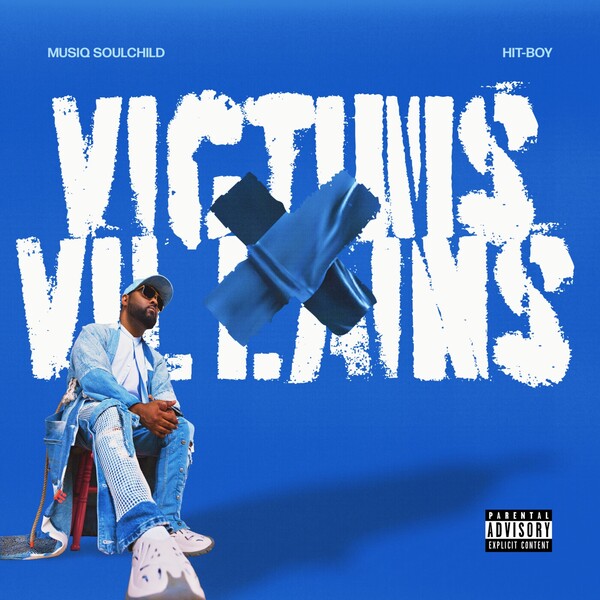
Review: Musiq Soulchild & Hit-Boy: ‘Victims and Villains’
Following a six-year hiatus from releasing his own music, Musiq Soulchild returned to the scene in early March 2023. Victims and Villains is a collab album with producer Hit-Boy. This new album comes nearly 23 years after the release of his debut studio album Aijuswanaseing (I just wanna sing), but he still continues his E.E. Cummings-esque aversion to conventional capitalization and syntax.
Musiq Soulchild is a veteran of the music world and a foundational figure for modern R&B artists. Songs like “Love” and “Halfcrazy” are timeless classics, with the latter even being heavily sampled on Lucky Daye‘s 2022 breakout hit “Over”.
Hit-Boy is known primarily for working with rappers and is no stranger to working on collab projects. Burden of Proof with Benny the Butcher along with all three iterations of Nas‘ King’s Disease series are some of his most notable recent work.
The album opens with a question: will i touch the sky. Backed by a groovy bassline and enhanced by smooth vocal layering, Musiq’s talent and artistry is evident on this track. This is the most personal song on an album where almost every song is about love or a relationship. He laments in the chorus, “Feels like I’m drownin’, tryna keep my head up / Don’t lеt this broken smile tell you a liе / Lost in the crowd with myself to find.” This feeling of anguish is a relatable phenomenon, and it provides context for his mindset on the rest of the album.
Track two, i remember you my ex and track three, imreallytrynafuckwichu, serve as foils. The former is a vulnerable male breakup anthem in which his decision to stop the relationship outweighs his fond memories of the past. On the other hand, the latter is a more macho song where he lets a girl know that he’s down for whatever. It also has the album’s only listed feature, The Husel, who in reality is Musiq Soulchild’s rap alter ego.
The crux of the album is the title track, victims and villains. On my first listen, the simple drum beat and the expressive piano clued me in that he was about to really speak from the soul. He feels fooled and betrayed by a woman who has falsely claimed vitcimhood but in truth is actually a villain. He asks her, “Just how far will you go / Your mask is comin’ down / Thought no one would ever know.” The song’s strength lies heavily in its simplicity and repetition. It feels cyclical in the same way that an argument normally does when it comes to relationships.
On the seventh track, white rice déjà vu, he employs several similes and metaphors in his descriptions of a woman like, “You would think it’s white rice by the way we spoon”, “Love like a shot of Henny, I would chase it”, and “She wanna ride like an ’84 Caprice / You’ll be my passenger all between the sheets”. This track made it evident to me that Musiq Soulchild has definitely been influenced by popular R&B singers of the last few years. These lines feel more like rap bars rather than the lines of a love song, a stylistic choice that’s characteristic of contemporary acts like Brent Faiyaz and Bryson Tiller.
The final track, we were just binging, ends the album and a relationship, comparing them to a TV show that you would binge. What was once the source of joy and fun has now become tired and bored. It’s a somber but poetic end.
Yeah, we put on quite a good show
Now it’s time’s up, next episode
No need to re-up our subscription
The season has come to an ending
Oh, and I know in good time
You’ll find someone just right
Ain’t no victims or no villains
We wasn’t in love, we were just binging
Musiq Soulchild & Hit-Boy, “we were just binging”
With recent features on projects from Kehlani, Freddie Gibbs, Robert Glasper, and EARTHGANG, this project is likely the proper introduction to Musiq Soulchild for many new-generation fans. It details either different perspectives for a single relationship over time or a collection of multiple love stories accumulated by one man with different women. It doesn’t have the same sort of magic to me that his first few projects do, but sticking too closely to his traditional style would only beget music that’s tired and forgettable. As a whole though, this is a cohesive project and a worthy return for a music legend.
Review: Jordan Ward: ‘FORWARD’
Jordan Ward is an unexpected new favorite of mine. I usually don’t go for the more “pop-y” and energetic side of R&B, but Ward’s sound has captured my attention. His joyful melodies and rhythms, partnered with a wavy ambiance, bring a fresh and inviting feel to his music, making it perfect for relaxing and easy listening. When Ward’s music comes on I can’t help but bob and bounce around no matter the theme, and his new album FORWARD is no different.
I discovered Ward through his collaborations with DMV rapper Joony, a talented upcoming artist making waves in the industry. Joony’s Pretty in Black saw the pair’s first catchy collaboration in “ZOOM ZOOM.” Shortly after, Ward released “IDC (with Joony),” the groovy lead single for his new album. This song perfectly encompasses how well the two mesh, with highlights where Ward provides harmonies over Joony’s melodic verse, which could be appreciated by any music lover around. It is a fun and cohesive song that shows off Ward’s lighter, more lively side.
Before “IDC” appears on FORWARD, Ward introduces the album with the somber “BUSSDOWN”. Here, Ward reminisces on his childhood and worries for the future, ultimately saying that his past is in the past and that he is hopeful for “how all this will pan out.” In the climax of this opener, a voiceover tells him that “that was then, it’s over, you know. You see, baby, they tell you you’re free, but you’re always reminded,” hammering down on the song’s theme: you can’t escape your past but it doesn’t define your future. This song sets the tone for FORWARD, showing Ward’s improved conceptual and lyrical depth that is evident throughout.
Following the emotional and honest “BUSSDOWN,” comes my personal favorite, “FAMJAM4000”. Its wavy, synth style and bouncy drums contrast the song’s darker lyrics, with Ward discussing his broken childhood home and a more recent lost love in two respective verses, with them both coming together in the chorus when Ward says “Can we bring the love back? I know that you’ve been waitin’ so long for it to come home again.” The line works in both situations, asking his dad or his ex-partner to return home, which seems to be a symbol of love for the artist. This song speaks on the importance of family to Ward, and his regret that it is not as together as he would prefer. It was released with a music video giving fans a view into his hometown, St. Louis, and quickly became a favorite.
After a smooth collaboration with Gwenn Bunn on “311,” we get to “White Crocs,” where Ward is joined by fellow St. Louis native, Ryan Trey. The song served as the album’s second single and has a distinct sound compared to the rest of the album, seeing the increasingly popular “plugg” style of production (a subgenre of trap, influenced by popular west coast sounds and sprinkled with heavy 808s) infused with more traditional R&B elements. Trey’s melodies and Ward’s hooks are infectious, making for an addicting song. The song has a cool swagger to it and shows off Ward’s unique sound, setting him apart from any competition.
The album is executively produced by Lido, who also makes an appearance on “PRICETAG/BEVERLY”. He is a close collaborator of Ward’s, working on PLANTAIN KARAOKE!!, a three-track ep of covers dropped on SoundCloud (which may have the sickest cover of SZA’s “Prom” I’ve ever heard). The pair once again shines on FOREWARD.
“DANCE MACHINE” once again proves how well Ward can create such enjoyable, catchy songs, but the following few tracks further cement the depth that he reaches on the album. Ward touches on loneliness in “FLIGHTS,” reluctant violence in “THINK TWICE,” and community conflict in “0495.” He also took a new Frank Ocean-esque vocal approach in this run, which added to the weight of these heavier themes.
Hate the way them drugs took my cousin, oh
– Jordan Ward, FORWARD
Hate the way them drugs took my bro, oh
Last time we talked, he called from behind bars (Yeah)
He would probably say, ‘Boy you took that shit far’
I would probably say, ‘Didn’t you know I was just one call away?’
So I’m ‘a do this for y’all”
The title track “FORWARD” is another highlight of the album, serving as the closing track (aside from the two additional bonus tracks). Here, we see Ward dive back into familial themes, but this time rather his relationships with them through the progression of his career. He mentions the pain of seeing loved ones die from drug overdoses or go to jail when he knows he could have helped, saying “didn’t you know I was just one call away,” ultimately taking that pain as inspiration and claiming that he is doing all it for them. In the second verse, he further analyzes the impact of his success on those around him. Ward wonders if he could have set his differences aside with them and had a more positive impact, despite the difficult circumstances. “FORWARD” wraps up the album and its overarching self-reflective themes perfectly.
Jordan Ward had a lot of pressure on him, finding himself in the spotlight after opening for Smino and JID on their tour and performing at J. Cole’s Dreamville Fest, but the proud St. Louis native absolutely delivered on his debut album. It felt effortless yet still intentional, offering one of the freshest sounds any artist has to offer in the music industry. I really enjoyed Ward’s work here and found myself impressed with his artistic evolution. It seems that he gets better and better with each project, so I will definitely be looking forward to whatever he comes up with next.
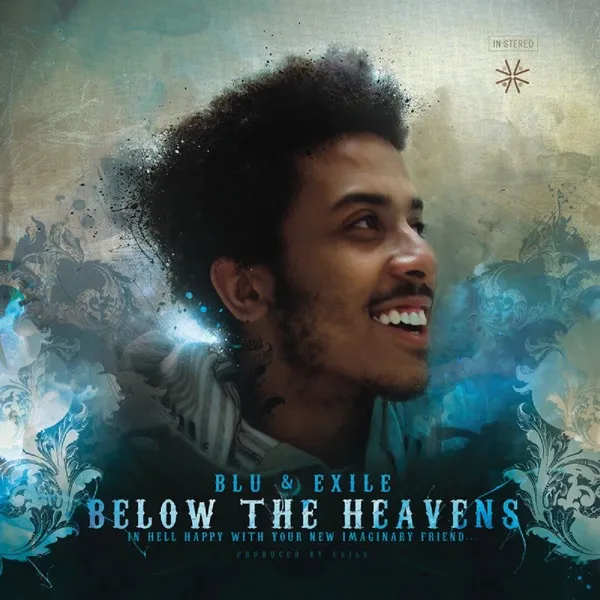
Review: Blu & Exile: ‘Below the Heavens’
Below The Heavens is a phrase that immediately strikes one when they read it. Coincidentally, it is the title of the 2007 debut album of Los Angeles rapper-producer duo Blu & Exile.
Looking back at Hip Hop in the 2000s, we can place most popular rappers into one of two lanes. Flashy and “hardened” MCs like 50 Cent, Cam’Ron, Ja Rule and Diddy embody the spirit of the “Bling Era,” an aesthetic that many today still associate with rappers. On the other hand, more eccentric MCs, like Lupe Fiasco, Kanye West and OutKast led a resurgence in the popularity of “alternative” hip hop. Generally, compared to their bling counterparts, these alternative rappers employed more sung choruses and “conscious” messages.
This album answers the question: what if alternative rappers hailing from Chicago, like Kanye West and Lupe Fiasco, were from Los Angeles instead? As the name suggests, this album skillfully intertwines religious themes with the stories and ideas of an exceptionally talented underground rapper.
Vocal samples are littered by Exile throughout this project, most notably in the opening track, “My World Is…”. Sections of Joni Mitchell’s “Blue” and The Dells‘ “I Can Sing A Rainbow / Love Is Blue” where they sing “blue” are used in the song’s intro, chorus, and as ad-libs. Blu uses the song to introduce himself and begin the religious motif the album is predicated on. He describes himself as “a product of a God-fearing pastor” in the first verse and exclaims “and my mission’s just beginning, call it Genesis” at the start of the third.
On the fifth track, “In Remembrance of Me,” Blue is backed again by a vocal sample. The chorus of The O’Jays‘ “How Time Flies” repeats as Blu examines and contrasts his childhood, high school experience and current life. Lines like “At 18, I headed off in the streets without guidance / Just the eyes of God watching over me” provide insight into the details of his life. In the next verse, he tells us, “My mom thought that I was too young to make this song / Because I’m only 22, but John Barnes has a long path behind him.” Just like Nas, whose work is subtly referenced throughout this album, Blu, or Johnson Barnes III, is an artist releasing insightful and layered work. When you hear this section, it really grounds the album, making his realness and wisdom more evident.
Track eight, “First Things First” is the broke rapper’s version of J. Cole‘s “Work Out.” In this playful song, Blu does his best to throw game while acknowledging his lack of money, something that girls would usually associate with rappers like him. The lines, “Now, don’t get it twisted broke niggas need love too / And underground rappers like to chill at the club too” encapsulate the feel of the song. We aren’t given a peek into his psyche like we were in prior tracks but instead, we get to feel his personality shine as he skillfully rhymes and progresses the narrative of the track.
On “No Greater Love,” Blu continues the narrative of the last track while returning stylistically to what we’ve already heard. “Theme From Love Story” by Smokey Robinson and The Miracles is sampled, so we hear Smokey sing “there is no greater love” throughout the song. The approach is unconventional, but this is a love song nevertheless. Blu exclaims his love for an unnamed woman and explains the title of the song in the refrain. “Yeah nah, ’cause on the real y’all there is no greater love / People try all the time trying to break us up.”
“The World Is… (Below the Heavens),” track 13, is the climax of the album. Exile interpolates a Nas classic, “The World is Yours.” In the first verse, Blu outlines his journey with religion.
I was trained to be a soldier for God
Blu & Exile, “The World Is… (Below the Heavens)”
But as soon as I used my own thoughts
I kinda got lost in this smog called reality, where hell is a fallacy
And Heaven is a fantasy created by man, so don’t believe in it
You came in here with nothing then you’re leaving with
Nothing so retreat from this world of deceitfulness
But my people it’s time to rise
Realize there’s a heaven whether you think it’s inside or in the sky
Reach for it before it’s gone eternally
And you stuck here below the heavens for eternity
Blu explains that he has had problems reconciling his religious upbringing with the harsh reality of life. We are informed by the rest of the album, that Blu is definitely a spiritual man, but now we learn that he isn’t really a religious one. When interviewed by Passion of the Weiss in 2016, in fact, he said “I’m religious without a religion”. In the next verse, Blu talks at length about hell. So often, people describe themselves as “going through hell” or “in hell” but Blu wants us to understand that “heaven” is what we make it. He tells us, “hell is what you choose to call the present,” and in what are likely the most succinctly powerful lines of the album he closes the track, “So you can call it hell but brah… / I can say I’m below the heavens.”
Fifteen years later, Blu is hailed as a legend of underground rap, and this was the beginning of his ascent. He exhibits so many of the qualities of a great rapper. He teaches but doesn’t preach, he is intellectual but digestible, he has the poise and skill of a star but never sacrifices his bars. As outlined by a 2017 Vice article, the release of this album was botched and Blu’s label went under. Interestingly, that only added to the mythos of the project. With only 3000 CDs originally released, secondhand copies went for hundreds of dollars, a testament to Blu and Exile’s skill, ear for good beats and relatability. Each of these songs is powerful in its own right. Combined with the full and lively production of Exile, Blu’s wit, passion, bars and experience make this album a timeless classic.

Review: Little Simz: ‘NO THANK YOU’
Little Simz closed out 2022 with the release of her fifth studio album NO THANK YOU. Announced just one week before its release, the 50-minute album was subsequently accompanied by a ten-minute short film. Simz, an English rapper born to Nigerian parents, is an independent artist who released her first album in 2013. Now, at just 28 years old, she displays the poise, technical ability, and unapologetic honesty of a much more seasoned act. Backed up by choral and orchestral arrangements, she navigates her disillusionment with the music industry and money, her status as a black woman, and the value of self-worth.
The songs on this project are long-winded and introspective as opposed to the hard and punchy tracks that characterize the UK rap scene and much of her earlier work. She battles challenges on all fronts with several refrains on this album referencing her faith in God.
Throughout the whole album, Simz asks a lot of questions. In some cases, these questions are rhetorical and used to brag and in others, they are devices that help drive her narratives. On the first track, “Angel”, she asks “what did I expect from those livin’ the corporate life?” Disillusioned with the payment structure of the music industry, this idea is a recurring source of anger for Simz. “No Merci” is a double entendre; It is both the French translation of the album title and a blunt warning to others of how merciless the industry is. Simz raps “They want you rushin’ life decisions over a three-course meal / Next thing you know, you’re doin’ free tours.” These lines are especially poignant after she canceled her 2022 North American tour just months before the release of this song because of financial infeasibility.
The West African-style drums on “X” combined with the choir, strings, and horns give this track an anthemic feel. “Been beaten on, we been chewed on / But it happened years ago, so we should just move on” is an eerily familiar sentiment that many in the Black diaspora are told by others. As the track progresses though, Simz asserts the strength in her Blackness and her family, specifically mentioning her grandfather whom she was named after. “Simbi”, a shortened version of “Simbiatu”, is a nickname that only her closest family and friends call her. “Broken” is an equally emotional but more somber track. Simz goes between detailing the ways people hide their pain and uplifting those who struggle with mental health and hope. Her second verse ends with a series of positive affirmations to the listener while her third verse ends with “Why is mental health a taboo in the Black community?”.
The aptly named “Heart on Fire” is an outpouring of Simz’s thoughts and emotions. In the lines below, Simz describes how easily money corrupts just by listing a series of wants.
"Do it for the love, nothin' more
Nah, maybe to cop mum a house, but nothin' more
Maybe to sort my cousin out, but nothin' more
Maybe I'll get the new coupe and nothin' more
Fifteen to a hundred shoes, nothin' more
By the time you know it, that list never stop growin'
And you don't know what you even do this for"
Little Simz, “Heart on Fire”
The track, and the album as a whole, are thematically reminiscent of Kendrick Lamar’s To Pimp a Butterfly. In songs like “Wesley’s Theory” and “For Free (Interlude), Kendrick describes how his love of music has waned as the temptations of Lucifer and the music industry have pushed him to be a more material person just as Simz does.
Simz continues her work with producer Inflo, who has credits on every song from all of her last three albums. Similarly, Simz and Cleo Sol extend their long list of collaborations, with the singer-songwriter providing background vocals on most of the tracks.
This album reaffirms Little Simz’s status, not as one of the best female rappers or one of the best in the UK rappers, but as one of the best rappers, period. Sometimes I Might Be Introvert (SIMBI), a contender for the best album of 2021, may not have been surpassed, but this is a worthy addition to an already incredible catalog of music. I feel emboldened by her words and think that the radically different production choices seriously add to the album’s value. This is lyrically dense music, but there is value in playing these songs, whether that be alone and listening through headphones or driving around with friends and bumping up the car speakers.

Review: Hotel Fiction: ‘Soft Focus’

Hotel Fiction’s debut album Soft Focus is finally out today. Written and recorded over the past two years, Soft Focus is a complete introduction to the potential Hotel Fiction brings to the table as musicians, writers, and creatives. It’s rare that a musical act steps forward with such a complete vision and polished presence, but Hotel Fiction has done just that and more – it’s no wonder they keep climbing.
Since the release of “Astronaut Kids,” the duo has been hard at work gaining a following within and outside of Athens with five follow-up singles and multiple supporting tours. (Their first song has now garnered over a million plays on Spotify; they’ve also landed on two playlists curated by Spotify with their last single “Daydrifter.”) Now, in addition to their full-length album, they have an impressive line-up of show dates for the fall, including some dates opening for Adam Melchor.
If you’ve seen the band perform live, it quickly becomes apparent that Jade, Jessica, and their band ensemble (which continues to expand) possess unique chemistry on stage and have the skills and experience to deliver their vision to its full artistic capacity. These same qualities that make them so fun to watch live translate extremely well throughout this record. With a clear understanding of what makes a good record and what makes a great record, they create their own multiverse throughout each song with hidden musical elements, overarching themes, and small little details that tie everything together. The rhymes and the melodies throughout are so well-crafted and the production so refined, you’ll keep hitting repeat.
Soft Focus is a collection of coming-of-age songs set in the current zeitgeist. Hotel Fiction knows what it feels like to grow into adulthood in a time of ecological collapse, political unrest, social isolation, and the shattered illusions of “you can be whatever you want to be.” “Soft Focus” — the title track — is an incredible tribute to each of these and is surely the thesis of the whole album. It both understands that sometimes life is a shitshow and “the world is on fire,” but reassures you that as long as you keep things in perspective (or… soft focus, rather), you’ll be just fine. Both lyrically and sonically, the song transforms from longing for simpler times into the vibrant, messy present.
The album’s closer, “17,” is an emotional ode to missing the times you’ll never get back. It’s about leaving behind childhood. But also, about that moment when the floor gave out from under all of us and the things we loved so much (like dancing in our favorite clothes) were no longer an option. The bittersweet nostalgia of it all is ever so present here. By being themselves and telling their own stories, Hotel Fiction does what every band hopes to do which is connect with their listeners and make them feel less alone.
Soft Focus is available for streaming now on all platforms.
If you want to experience the magic in person, head to the 40 Watt tonight to catch Hotel Fiction, CLOUDLAND, and Daddy’s Beemer perform.
Not in Athens? Catch them on tour!
- 08/28 — Gainesville, FL
- 08/29 — Lee, SC (Hypefest)
- 09/09 — Asheville, NC
- 09/10 — Atlanta, GA
- 09/11 — Nashville, TN
- 09/16 — Richmond, VA
- 09/17 — Abingdon, VA
- 09/24 — Athens, GA (Athfest)
- 09/25 — Sevierville, TN
- 10/12 — Cleveland, OH
- 10/13 — Cincinnati, OH
- 10/14 — Indianapolis, IN
- 10/15 — Chicago, IL
- 10/16 — Appleton, WI

Review: Hotel Fiction: “Daydrifter”
Athens-based duo Hotel Fiction released their latest single ‘Daydrifter’ last Friday. Like every other song in their catalog, this one was also produced by Tommy Trautwein of We Bought a Zoo Records. Best friends Jade Long and Jessica Thompson are determined to bring a fresh sound to the table with every new track they put out; “Daydrifter” is no exception.
The beginning of “Daydrifter” starts off with bird songs, which was coincidentally–or maybe intentionally?– how their last single “Think Twice” ended. The song instantly sounds like a campfire tune from the bright strum of the guitar to the smooth rhymes of each phrase. Although sonically different than their previous singles, Daydrifter returns to the psychedelic lyrics and imagery that made listeners fall in love with Jade and Jessica in the first place. In their first single, “Astronaut Kids,” Hotel Fiction wanted urgently to escape the growing pains of being 20 by becoming “an astronaut who sails the sea.” And now, two years later, things have come (almost) full. As shapeshifters in “Daydrifter,” the two pronounce that they are ‘sun sailors,’ watching the sky burn. In a similar vein, Hotel Fiction desired to go to the moon and take off into the sky in “Astronaut Kids.” Now, they are still far off in the atmosphere but in a more self-assured tone. This time they are the moon craters, watching the earth turn.
The pair (or rather the trio because I have a hunch that Tommy frequently plays an important role here) have previously shown just how much they enjoy changing their sound midway through a song, either by adding something new or by taking something away. For example, in “Think Twice,” when the first segment of the song ends, they add in a minute and half long instrumental that crescendos and then floats back down. Or like in “Ghost Train,” during the bridge, when the strings drop away momentarily and all you hear is piano chords, an echoey harmony, and Jade’s vocals with a new vocal effect. And on and on… A similar shift is seen in this song. The second half adds in dreamy slides, a little twinkle in the background, and even a whole new narrative in the lyrics. Just like previous songs, the subtle tone change here works beautifully, enough to make a listener want to keep listening (and coming back).
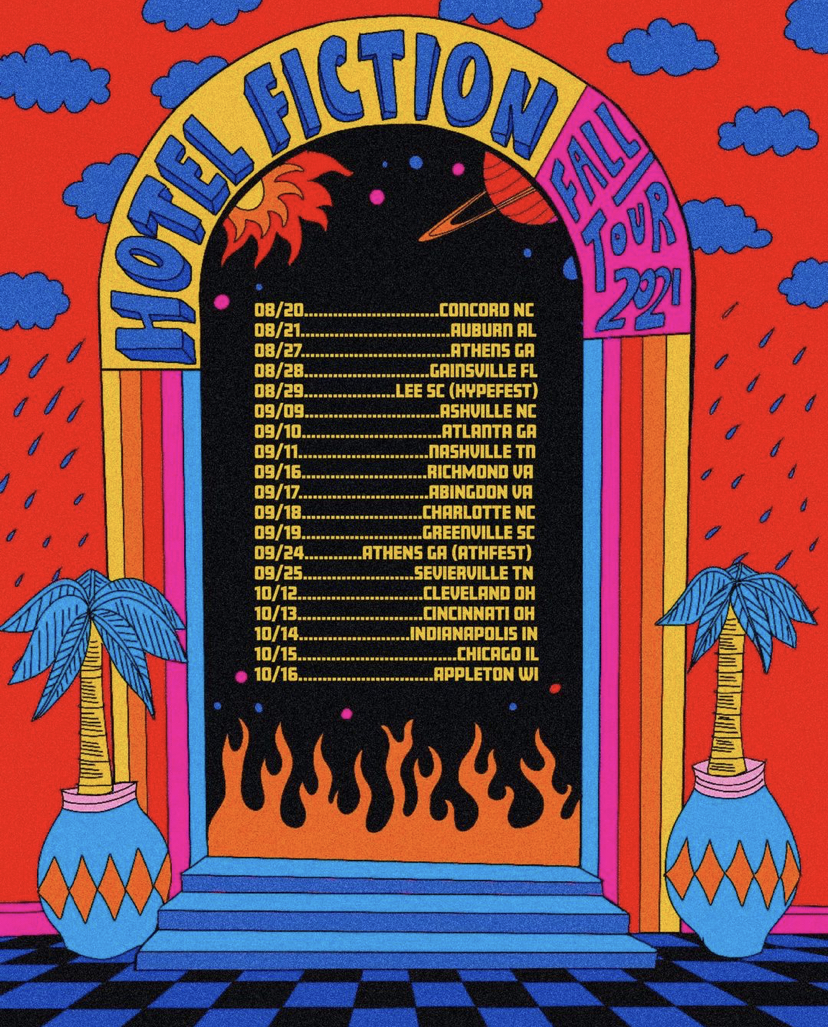
Hotel Fiction’s album comes out next month. And maybe you can catch them in your city during their Fall 2021 tour. “Daydrifter” is available to stream on all platforms.