
Category: News
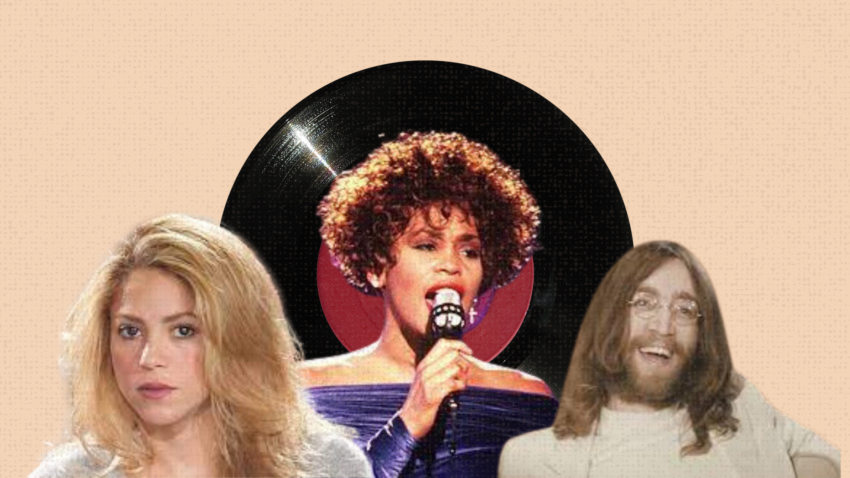
Why Are Artists Selling Musical Catalogs?
In recent years, there has been a rise in artists cashing in on their musical catalogs. So, what exactly is the driving force behind this? Some speculate that COVID-19 acted as a catalyst for this sudden increase. In 2020, when everyone was stuck at home, musicians, like many, found themselves losing a key stream of income—touring, which ceased overnight. As a result, there was a boom in companies acquiring musical catalogs of superstar songwriters, artists, and producers. However, there are other factors at play as well, such as a current tax loop-hole artists are taking advantage of and the headache that comes with administering a catalog.
To review, traditionally, publishers (or songwriters) keep the publishing rights, and labels (or performers) keep the recording rights. Publishing refers to a song’s content and recording refers to the specific recording of a song. When an artist sells their catalog, they are giving up their percentage on that song and relinquishing future earnings. That ownership then goes to the buyers.
Most recently, on April 11, Multimedia Music acquired the catalog of Hollywood composer Trevor Morris in an eight figure deal. Multimedia scored both film and TV music rights. In just 15 months, the company spent 120 million on acquisitions alone.
Other companies, like Hipgnosis Songs Fund and Primary Wave, are also rushing to acquire music rights. These companies have already acquired the catalogs of artists such as Fleetwood Mac, Neil Young, Shakira, and John Lennon.
But why? Well for one, the companies now gain the streams of income that would have otherwise gone to the artist. According to Rolling Stone, this could be money from “ royalties, licensing, brand deals, and other revenue streams that would have gone to the artist.” But this still leaves one question unanswered: why do artists want to sell their catalogs in the first place?
One of the driving reasons is taxes. Joe Biden has implemented tax plans that would significantly alter U.S. capital gains tax to align more with income tax for asset sales valued over one million. Under this new proposition, the tax rate would increase on the sale of assets from 20 percent to 37 percent for big earners, which is a substantial difference. If artists chose to just collect royalties they would be subject to a 37 percent rate annually versus a one-time payout with one-time taxation. Since this new tax rate has been implemented many artists have used this limited time to cash out at the current 20 percent while they can and avoided higher taxation. In short, they are attempting to keep more money in their pockets by selling their rights all at once. This route, so far, appears to be more lucrative for them.
Some artists are cashing in due to more personal reasons, especially older artists. It is often harder for legacy acts to tour and perform, which as an artist is a considerable portion of one’s income. And, when an artist passes, it can provide some ease for their families as they don’t have to deal with administering these catalogs. Late David Crosby, for example, chose to go this route and sold his catalog to Irving Azoff’s Iconic Artists Group which he explained via Twitter.
By taking advantage of the current tax rate, he not only saved his family from dealing with his expansive catalog but also secured them more money. Many others are also taking advantage; country star Travis Tritt sold his catalog to Reservoir Media and stated:
“The biggest reason for me selling was not to leave a huge headache for my family that would have to try to administrate a catalog. I’d rather leave them cash.”
-Travis Tritt
In 2018, Hipgnosis bought the rights to Justin Bieber’s “What Do You Mean?” and the English version of “Despacito” from The D-ream and songwriter Poo Bear. That same year, talent management company Primary Wave bought the publishing rights of Bob Marley for 50 million. In 2019, Hipgnosis acquired rights from Producer Timbaland for his catalog including six albums by Missy Elliot and five albums by Justin Timberlake.
In 2021, Neil Young sold half of the copyright of his catalog to Hipgnosis. Hipgnosis also acquired the publishing rights of Shakira and the producer rights of Jimmy Iovine. Bob Dylan sold 100 percent of his publishing catalog for an estimated 300-400 million to Universal Music Publishing. Whitney Houston’s estate sold her entire catalog to Primary West for 100 million.
The list goes on and on. The idea of getting a guaranteed amount of money and owing less in taxes has obviously appealed to a large number of artists. For now, while the tax law remains intact, selling one’s catalog seems like a stellar option. However, things will eventually change once higher taxes go into effect and as larger companies try to acquire rights for larger amounts than the little guys can afford.
Artists have been reaping the benefits at extremely high price tags. In an article by The Los Angeles Times, they state that prices are almost triple what they’ve been in the past. “During the last 25 years, songwriting catalogs generally sold for about eight to 12 times the “net publisher’s share,” . . . Today, valuations are hitting 25 to 30 times the publisher’s share.” Many think that these extraordinarily high prices are unsustainable and that buyers will have a hard time making that money back, especially smaller companies.
It is hard to tell if the market prices have already peaked, but these investors are certainly assuming magnificent risk. They are assuming that streaming will continue to grow at its current pace and that these artists will remain relevant enough to produce the massive number of streams needed to recoup their investments. On-demand streaming is predicted to grow in revenue and subscribers, but for now, it is too early to determine if these companies will make a desirable return on their investments.

Spotify’s Latest Feature: A DJ Powered by Artificial Intelligence
The phrase “artificial intelligence,” also known as AI, has become ubiquitous in 2023, but exactly what it does or what it means for industries can be elusive for most. According to a quick google search, Artificial intelligence is “a field of science concerned with building computers and machines that can reason, learn, and act in such a way that would normally require human intelligence or that involves data whose scale exceeds what humans can analyze.” In simpler terms, AI is a computer or machine that can act with human capabilities.
It has become widely used in the past few years in various industries ranging from finance to transportation. Recently we’ve also witnessed the rise in popularity of programs like ChatGPT, which is an AI-generated chat box. Users can give it a prompt to which it will create a unique response. For example the prompt “write a four paragraph essay explaining how WW2 happened” will produce a detailed and completely original response. In the artistic sphere, people now have the ability to create completely ‘original’ pieces with the help of AI. Although some people agree with this type of use, others argue that it takes away from real artists and many people do not support it. So, how does this impact the music business?
Right now, AI is a consequential talking point in the music business world—from AI-generated lyrics to voice-mimicking capabilities, it has created quite the buzz. Spotify is joining the hype with its brand new personalization tech powered by AI. This new “AI DJ in your pocket” is a guide that knows you and your tastes, and can curate brand new playlists based on that information. Moreover, Spotify will deliver AI commentary with “stunningly realistic voices.” They claim that this AI will empower its music experts to better do their jobs and better help users.
At this point, it’s too early to tell what exactly the future holds, but AI appears to be here to stay. Spotify’s AI DJ was released on February 23 and is currently a Beta Software for premium users in the U.S. and Canada. So, of course, I tested it out for you.
On my first listen, the AI introduced itself and explained to me the process—and I must say it sounded very human-like! Then, it curated a playlist from my past and current listening history, and songs it believed I would like. And if you don’t like what’s playing, you can just press the small blue button in the bottom right and it’ll change the vibe.
The DJ also explains everything as it’s happening. Depending on the function it might say something like “here are some rap songs based on your recent listening history” or “these are some R&B songs our editors think you might like”. It will even introduce the artist and say the name of the song. If you like what’s playing it will keep that genre in rotation for a few songs. If you skip multiple songs back-to-back it’ll come back and let you know it’s changing the vibe. While the feature is cool it obviously doesn’t emulate a DJ, it’s more so just a playlist with artificial intelligence.
This new feature is definitely innovative on Spotify’s part, maybe after a few additional features it’ll be even more impressive. As the rollout continues and expands to more people, it will be interesting to see what kind of feedback they get and how others will feel about it. For now, I can’t say I will be using it every day. So what are your feelings about Spotify’s AI DJ?

What To Do About Streaming
Streaming services have drastically altered the way we consume music. Luminate reports that on-demand audio streams boasted a whopping 83.2% of total shares of album-equivalent consumption by format in 2022. For better or worse, the internet era of music consumption is here to stay.
While streaming services have made the lives of consumers easier, artists are still struggling to be compensated fairly. In an email sent to Universal Music Group’s global staff, Chairman and CEO Sir Lucian Grange addressed the need for streaming service evolution. He says “There is a growing disconnect between, on the one hand, the devotion to those artists whom fans value and seek to support and, on the other, the way subscription fees are paid by the platform. Under the current model, the critical contributions of too many artists, as well as the engagement of too many fans, are undervalued.” He goes on to express the need for an updated model that is inherently artist-centric.
The current pro-rata payment model, in short, prioritizes and rewards the largest artists in the game and is currently used by most streaming platforms, including Spotify and Apple, the two largest ones. It pools all the money garnered by the monthly subscription fees, which hover around $9.99-$10.99, and divides it by the total number of streams on the platform. This, in turn, identifies a ‘per stream rate’ which is then multiplied by each song’s number of streams to determine artist payout. To illustrate, Miley Cyrus’s latest single has accumulated more streams than your favorite shoegaze indie-rock garage band (just a guess); therefore, your subscription dollars will go towards Miley, even if you never listen to her.
Fans want to support the artists that they love; they’re fans for a reason! Many industry voices urge for a change to a user-centric model. This system, as opposed to the pro-rata model, takes a percentage of each subscriber’s fees and pays it out only to the artists that user listens to. (Point for shoegaze garage band!).
Impala, an independent music companies association, has created an infographic hosting a ten-point-plan on ways to reform streaming into a more equitable system. It provides four new-and-improved streaming payment models other than the user-centric model.
First up is the active engagement model, which attaches a premium royalty value to plays where the listener has actively searched for a particular track or artist. The same would happen if the user were to save or pre-order a record. For example, Spotify algorithmically serves listeners lean-back plays that it believes the user will like. The active engagement model would account for this, and in turn, increase rewards to artists the user has specifically gone out in search of.
The second model is called the pro-rata temporis model. There is a difference between listening to the first 30 seconds of a song and listening to the entire 9 minutes and 7 seconds of Lynyrd Skynyrd’s “Free Bird”—this model addresses that value discrepancy. The pro-rata temporis model pays out more money for listens of longer tracks than shorter tracks. At the 30 second mark of any song a royalty rate is rewarded, but this model would give further payments triggered at 5 minute intervals within a single track, up to 15 minutes and 30 seconds. It would reward songs that garner a user’s attention the whole way through, thus giving true fans a sense of pride in supporting their favorite artists by listening to the full tracks.
Then there is the artist growth model, which I find the least likely to catch on. It proposes that the more streams and wealth an artist accumulates, the less incremental value each further stream will generate. Thus, smaller and more niche artists would generate a bit more per stream than top artists in order to accelerate their own growth and popularity. While this would support emerging artists in a significant manner, streaming platforms are likely to refrain from peeving larger artists—as it would essentially be biting the hand that feeds them.
The fourth and final proposed model is called the user choice model (not to be confused with the user-centric model from earlier). The user choice model facilitates areas within streaming platforms for artists to gain revenues through implementing direct relationships with fans. This could come in different forms such as offering access to more tracks, better sound quality, or additional remixes. This model would allow the artist to generate more income, in addition to streaming royalties, as well as nourish a more personal relationship with their fans. I find this to be the most approachable and realistic option.
At the end of the day, streaming platforms are a money-orientated business and not music companies. As opposed to us music fanatics who want to see small artists thrive and for our money go to the artists that we like—a corporation’s bottomline is to make money. Truthfully, I’m not sure if there is an inherent strength in numbers when it comes to this debacle, but I am sure that if key players such as Taylor Swift, who is known to ‘fight the man,’ were to make a fuss about this, we’d see more change. There is not yet a perfect solution, but that doesn’t mean there won’t be one day. As for now, do your due-diligence and support your favorite artists by buying their merch at concerts.
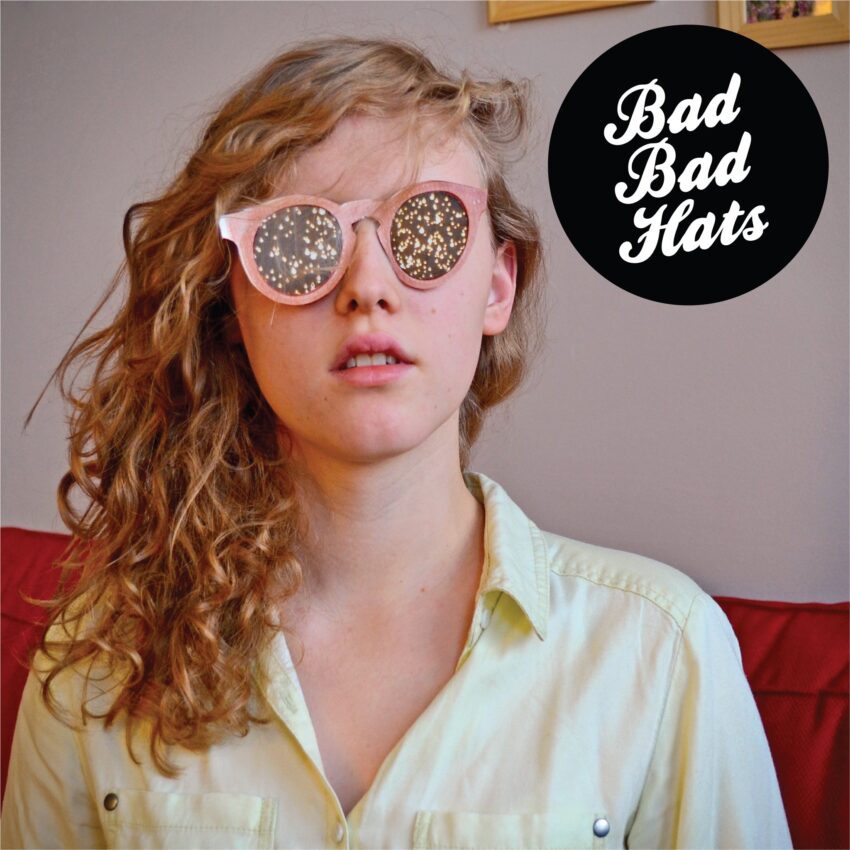
Review: Bad Bad Hats: “It Hurts (Demo)”
To celebrate the 10th anniversary of the release of their debut EP It Hurts, Minneapolis-based indie-rock duo Bad Bad Hats will be releasing It Hurts (10th Anniversary edition) at the end of the month. The reissue will consist of remasters of all five songs, as well as the original demos, and will be the first time that fans will have the opportunity to purchase the EP on vinyl.
So far, the band has released two songs from the project: “Super America (Remaster),” and “It Hurts (Demo).” Upon first listening to “It Hurts (Demo),” I was emotionally torn—part of me is extremely grateful this version is now available, and the other part is devastated that it took ten years to have access to it. While both the original master and demo versions feature the same lyrics and melody, each version provides a completely different listening experience and the demo is certainly able to stand on its own. Compared to the original master, the demo stacks up quite nicely; the instruments are softer, the main vocals are sharper and delivered in a way that allows lead vocalist Kerry Alexander the opportunity to show off more of her personality, and the background vocals have been replaced with whistling and a more prominent kazoo that fills a void that I never even knew existed prior to listening to this song (and I would like to formally petition for all songs going forward to include a minimum of two kazoo solos). The song is able to balance the indie-pop formula perfectly; it is simple in a way that is refreshing but not boring, and repetitive in a way that is catchy and fun rather than redundant.
After listening to these two songs, I am eager to hear how the rest of the original demos compare to their remastered counterparts and get a greater glimpse into the evolutionary journey behind each song. It Hurts (10th Anniversary Edition) will be available digitally on January 27, and the vinyl is available for pre-order on their website now. In the meantime, listen to “It Hurts (Demo)” to fill the Bad Bad Hats shaped hole in your soul with a Good Good Song.
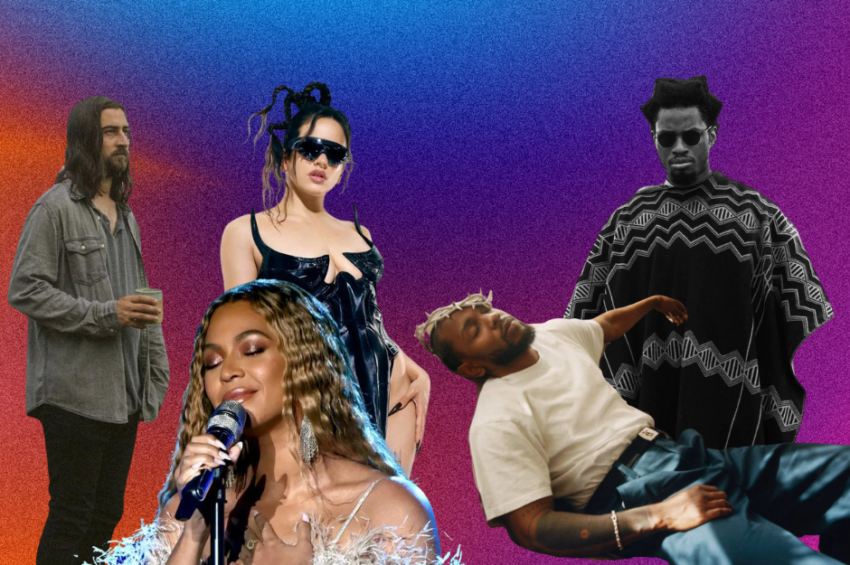
Year in Review: Our Favorite Albums of 2022—Staff Picks
As lifelong music fans, our lives are soundtracked by the records we listen to. Our seasons change with each new album we find and cling to. Our favorite lyrics are often the flashlight’s glimmer that shine during the darkest of our nights. Here, Vinyl Mag’s staff reflects on their favorite albums of the year. How does your list compare to ours?
Jake Feinberg, Staff Writer
- JID, The Forever Story
- JPEGMAFIA, LP
- Smino, Luv 4 Rent
- Kendrick Lamar, Mr. Morale & The Big Steppers
- Westside Gunn, 10
- Fly Anakin, Frank
- MAVI, Laughing so Hard, It Hurts
- Denzel Curry, Melt My Eyes See Your Future
- Pusha T, It’s Almost Dry
- Kenny Mason, RUFFS
Looking back, 2022 was a monumental year for how I perceive music. I dodged viral TikTok songs and commercial hits to find amazing new music and a deeper appreciation for the craft. Rap music, especially, was constantly changing and growing, like a rap music renaissance. We saw quality lyricism take a forefront, with albums like Melt My Eyes See Your Future, the Forever Story and Frank. These albums found artful angles within the “fast rap” style, creating complex rhyme schemes and flows, but never once taking away from the artists’ emotional narratives. I saw Denzel Curry at the Tabernacle, and watched him perform “walkin”, one of his deeper and more lyrically dense songs from the album. Nothing is as impressive as seeing an artist perform with such lyricism, especially when done as effortlessly as Curry. Creativity in production found further popularity as well, giving space for experimental albums to emerge like JPEGMAFIA’s LP, MAVI’s Laughing so Hard, it Hurts and Kenny Mason’s RUFFS. Each approached rap from a different creative angle, such as electronic beats, complex drums and flows or rock-influenced melodies. At JPEGMAFIA’s show at Atlanta’s the Masquerade, I was blown away by the artist’s solo presence with just his experimental background instrumentals. I am thankful for 2022’s expansive musical landscape that allowed me to branch into newer areas of music I hadn’t anticipated. Kendrick Lamar and Pusha T finally returned, after a five-year and four-year hiatus respectively. They delivered masterfully crafted albums, reminding us why they are still at the top. This year, 10 was another important album, where Westside Gunn demonstrated the power of curation. Collaborating with signees from Griselda, the record label he founded, Gunn was able to create one of the hardest and most cohesive albums of the year. In 2022, artists took their talents to the next level and excelled at expressing themselves, ultimately bringing together a beautiful year of music.
Haley Gilbert, Staff Writer
- Noah Kahan, Stick Season
- Lizzie McAlpine, Five Seconds Flat
- Gang of Youths, angel in realtime
- Mt. Joy, Orange Blood
- Caamp, Lavender Days
- Conan Gray, Superache
- Maggie Rogers, Surrender
- The Lumineers, BRIGHTSIDE
- Matt Maeson, Never Had to Leave
- COIN, Uncanny Valley
For me, 2022 was a very transformative year; I know that’s a cliché, but there’s a reason it’s said so often. During times when everything around me is changing and filled with uncertainty, I often cling to music to keep myself grounded. Thankfully, there were plenty of great options to choose from this year. The albums on my list were the soundtrack to the calamity that this year bred. The year started out on a lighter note, with The Lumineers new album Brightside delicately guiding me through the joys and turbulences associated with one’s early twenties. For the days when I just wanted to be angry and not feel guilty about it, Conan Gray’s Superache gave me an outlet to express those frustrations while sing-shouting along to songs like “Jigsaw” and “Memories,” much to the dismay of my neighbors in my thin-walled apartment building. During the more confusing times, I have found support and solace in the words of Lizzy McAlpine, listening to Five Seconds Flat as if it was advice given to me by one of my best friends. After spending a good portion of my year listening to Caamp’s Lavender Days, I learned that it is a great album to fill the empty space with, but I can also just as easily get swept up into it. As the Hannukah season was approaching, I found myself listening to the self-titled Jewish Ed Sheeran himself, Noah Kahan, and gladly spent all eight days unwrapping the gifts he gave the world with his album Stick Season. For all the short days, long nights, and moments in between, the albums on this list carefully and purposefully filled those gaps with glimpses of heartbreak, happiness, and immense awe at what these artists were able to convey with their music. As the year is coming to an end, so is a chapter of my life, and I am grateful it had such talented narrators.
Buket Urgen, Editor-in-chief
- Beyonce, Renaissance
- Taylor Swift, Midnights
- MUNA, MUNA
- Kendrick Lamar, Mr. Morale & The Big Steppers
- Charli XCX, CRASH
- Lucius, Second Nature
- Rina Sawayama, Hold the Girl
- Angel Olsen, Big Time
- Little Simz, No Thank You
- ROSALIA, MOTOMAMI
My 2022 played out in two acts. Act one—I rounded out my final college semester culminating with graduation. As I went through the motions of preparing for post-grad life, leaving no stone unturned as this incredible chapter came to a sudden, cathartic but ultimately somewhat anticlimactic ending, I was comforted by wildly fun and equally cathartic tunes (CRASH, Second Nature). Act two—post graduation calm followed by me moving abroad. Everything from the scenery to the supporting roles shifted into new territory, which is nothing if not nostalgic. Music became an easy, necessary escape when I couldn’t find the words to communicate in my new everyday language. Naturally, I relied on new music by old favorites (Midnights, MUNA, Hold the Girl). Although, Midnights was a controversial one for me. It features some of Swift’s strongest work (‘Would’ve Could’ve Should’ve,’ ‘You’re on Your Own Kid’) and some of her worst (Vigilante Shit) and also her most average. But alas, her chokehold on my Spotify Wrapped (and me) persists. On a final note, Beyonce’s Renaissance was the strongest album of the year. In the year of house music revival, Beyonce (and her many collaborators) created the perfect one that kept me dancing all summer long. My only complaint is that it wasn’t released sooner.
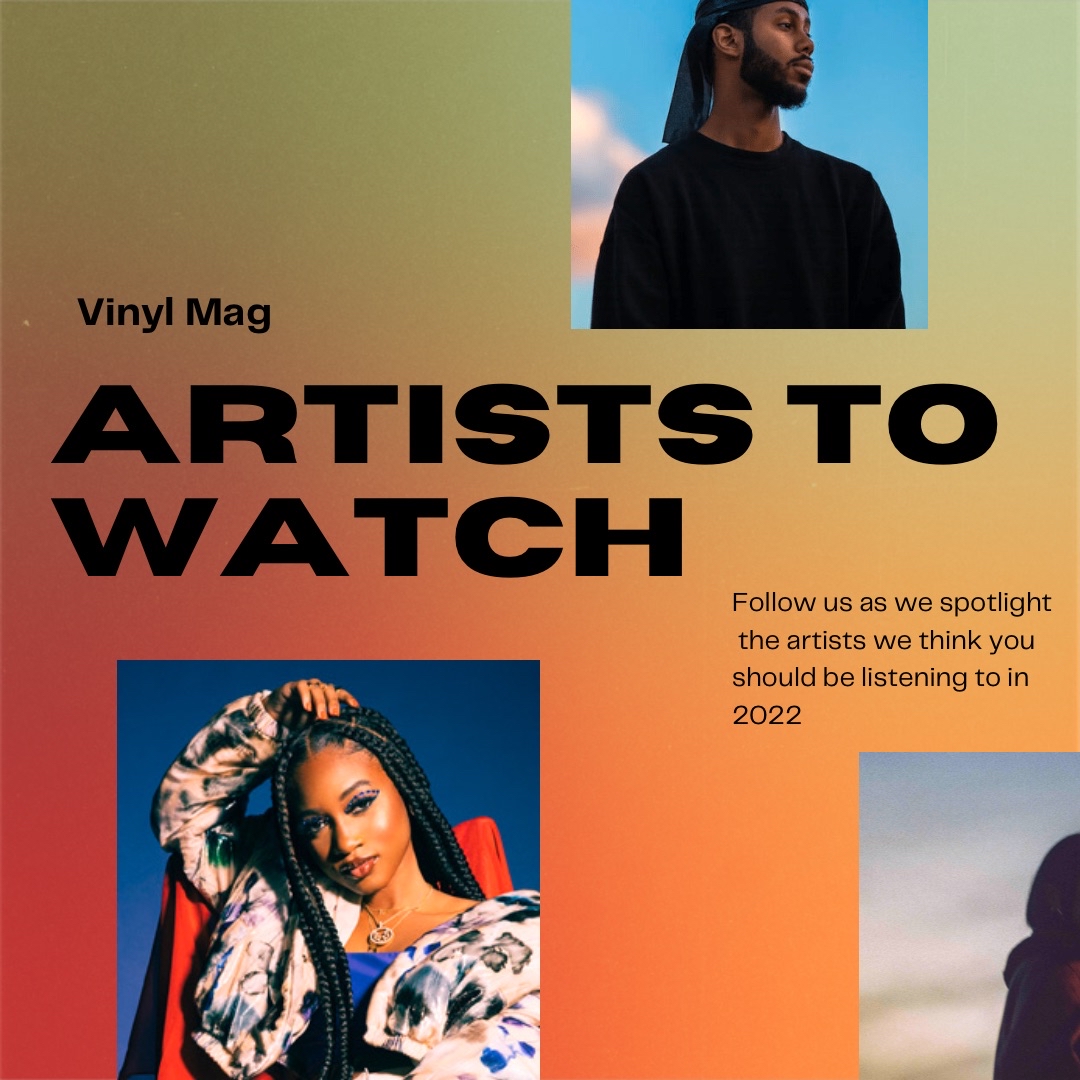
February Fortunes – Who We’re Watching in 2022
Vinyl Mag staff names nine artists that they’re keeping an eye on in this most transcendent year.
1. Nija
Nija is well-known in the industry as a songwriter and producer. She’s been writing songs for big-name artists since she was 20 years old. Beyonce, Jay-Z, Summer Walker, Cardi-B, Ariana Grande—the list goes on and on. In 2019, she was featured on a track on The Lion King: The Gift alongside Beyonce. In 2021, she finally released a trio of her own singles. Her solo work features her warm voice in silky R&B tracks. There’s a lot to look forward to in a potential full-length album from her. Luckily, she’s been teasing upcoming projects on her Instagram. By Buket Urgen
Listen to: “Ease My Mind (Come Over),” “Finesse,” “On Call”
2. Allison Pontier
Fairly new on the scene is Texan Allison Pontier. She has a transfixing voice with a southern accent that peaks through at select moments which meshes beautifully with how she embraces her roots in her songwriting and overall image. After a string of singles, she released a short EP in 2021. Even before she had released any of her own work, Lord Huron liked her voice so much, he asked her to be on a song with him. By BU
Listen to: “Cowboy,” “Late Bloomer,” “Hell Is A Crowded Room”
3. Pom Pom Squad
Mia Berrin began performing under the name Pom Pom Squad in 2015 when she was just 18 years old. Since then, Pom Pom Squad has transformed into a fully fleshed-out pop-punk band, and they released their debut album Death of a Cheerleader in 2021. The band is crafted around cheerleader aesthetics. However, Pom Pom Squad subverts the typical cheerleader image applying its femininity (the glam, the artifice, the attitude) to ideas that rarely co-exist in the cannon of cheerleaders like queer love.
The result is an authentic reflection of punk and a version of cheerleading that feels freer in its dismissal of everything we believe cheerleading is supposed to stand for—an accomplishment the likes of which Olivia Rodrigo hoped to achieve with “good 4 u.” A carefully crafted homage to punk DIY is, at the end of the day, a re-appropriation of its aesthetics rather than a true embrace of its original intent. But, I’ll step off my pedestal for now. You can catch Pom Pom Squad on tour right here. By BU
Listen to: “Head Cheerleader,” “Lux,” “Crying,” “Popular” (Nada Surf cover)
4. Mustafa
Toronto-born artist, Mustafa, released his debut solo album When Smoke Rises in May 2021. It’s a stunning collection of introspective folk songs about loss and grief. Mustafa began to share his poetry at an early age and his incisive writing comes through brilliantly in his solo work. Originally starting out in hip-hop, he was a member of the hip-hop collective Halal Gang, and produced and released a documentary, Remember Me, Toronto, about Canada’s hip-hop scene. Through his collaboration with the producer Frank Dukes, he has written songs for The Weeknd, Camila Cabello, and Justin Bieber. His minimal production; brassy, gentle vocals; and profound lyrics make him the ideal artist for times of reflection and meditation, even when the challenges you face seem too difficult and painful to approach. By BU
Listen to: “Ali,” “Air Forces,” “The Hearse”
5. Hikaru Utada
With their first full-length release in 4 years, J-pop star Hikaru Utada returns by way of a full-length effort, Bad Mode, whose tracklist boasts nearly an hour twenty of material. The collaborators on the project are not anything to scoff at either, seeing the likes of Skrillex, Floating Points, and A.G. Cook mark their stamp on the tracklist. The tracks veer side to side from lounge music to disco all the way over towards minimal techno. Not to mention the inclusion of the triumphant “One Last Kiss”, featured on the Evangelion: 3.0 + 1.0 soundtrack. By Jonathan Yim
Listen to: “Somewhere Near Marseilles”, “Time”, “Find Love”
6. Bear1Boss
Atlanta-based rapper, Bear1Boss, has already blasted through the beginning of 2022 with a handful of singles and mixtape, Sicko Space X. The lineage of Bear1Boss’ influences seem quite obvious (see: Sahbabii, Bladee, UnoTheActivist, etc.) yet the 23-year-old rapper continues to push the boundaries of the current hip-hop meta. With some promising collaborations on the horizon and unrelenting release stamina, 2022 will see Bear1Boss add to his already prolific collection of works. By JY
Listen to: “Quit”, “Material Bwoy”, “Yuued”
7. Huerco S.
After 6 years away from the project, Kansas-born producer, Brian Leeds, is returning to the Huerco S. name with LP, Plonk. The hiatus without new Huerco S. has left a void in the hearts of fans fiending for another hypnogogic ambient excursion. But since making decade-end lists and a Frank Ocean co-sign of 2016’s For Those Of You Who Have Never…, Leeds has decided to keep the project away from a possible pigeonhole. Plonk will see Leeds exploring where he is now, or in 2019, rather, as most of the material has been sitting on a hard drive for the past few years. He urges listeners to keep an open mind as the Huerco S. project is free-flowing in form and will simply allow Leeds to make the music he is feeling at any given moment. By JY
Plonk is out on February 25th via Incienso Records.
8. LANNDS
Hailing from Jacksonville, FL, somewhere close to home and quite influential to me in my formative years, I can’t help but think LANNDS is definitely a duo to watch. Recently being spotlighted as Album of the Day by Bandcamp, it is almost a ticking time bomb to watch them increase in following and recognition. LANNDS seems to do it all, bringing achey beats, haunting vocals, and synthy wavelengths to funnel through you. I look forward to catching one of their shows. By JY
Listen: “ninety four”
lotus deluxe has just dropped on Run For Cover Records.
9. yeule
yeule is no one new to the scene, with tracks of their 2019’ album, Serotonin II, compiling multimillion plays on streaming. but, with their recent release, Glitch Princess, growth and evolution is evident. Waking up from a massive software update, the robot — the embodiment of the album — tells us their story of placing themself back into this earthly plane. Gauging the ebb and flow of music and style influence, yeule is someone to watch as we trickle closer and closer everyday into the uncanny valley. By JY
Listen to: “Don’t Be So Hard On Your Own Beauty”
Glitch Princess is available now via Bayonet Records.

Upcoming Release: Bellringer by Linqua Franqa
Mariah Parker may stand out as a familiar name to those in the Athens-Clarke community — they are the county commissioner, after all.
But Mariah is far more than just the county commissioner, spending much of their time invested in activism and politically charged hip hop music under the pseudonym, Linqua Franqa. It’s been five years since Linqua Franqa’s self-titled debut album dropped, yet it would be difficult to argue that they put this time to waste. Parker has teased us, recently dropping two singles for their upcoming album, Bellringer, along with high production value music videos to accompany the titular track, “Bellringer,” featuring New York punk artist, Jeff Rosenstock, and “Wurk.”
The video for this track starts with an overture, somber strings accompanying Parker’s serenade. Here, we witness the track really starting, transitioning us into a heavy, hard hitting hip hop instrumental, and rap lyrics about being racially profiled. This anthem brings a visceral energy, constantly referencing the grim reaper, and boldly proclaiming in the hook, “IF I DIE, DON’T PRAY! YOU BETTER RIOT!”
The second song that Linqua Franqa has seen fit to release for this project, “Wurk,” features a punchy hiphop instrumental, lower in energy than its predecessor. Yet, Parker still brings plenty of socially aware, anti-establishment lyricism to this track to make it another hard hitter.
Bellringer will be out via all streaming platforms on April 22, 2022.
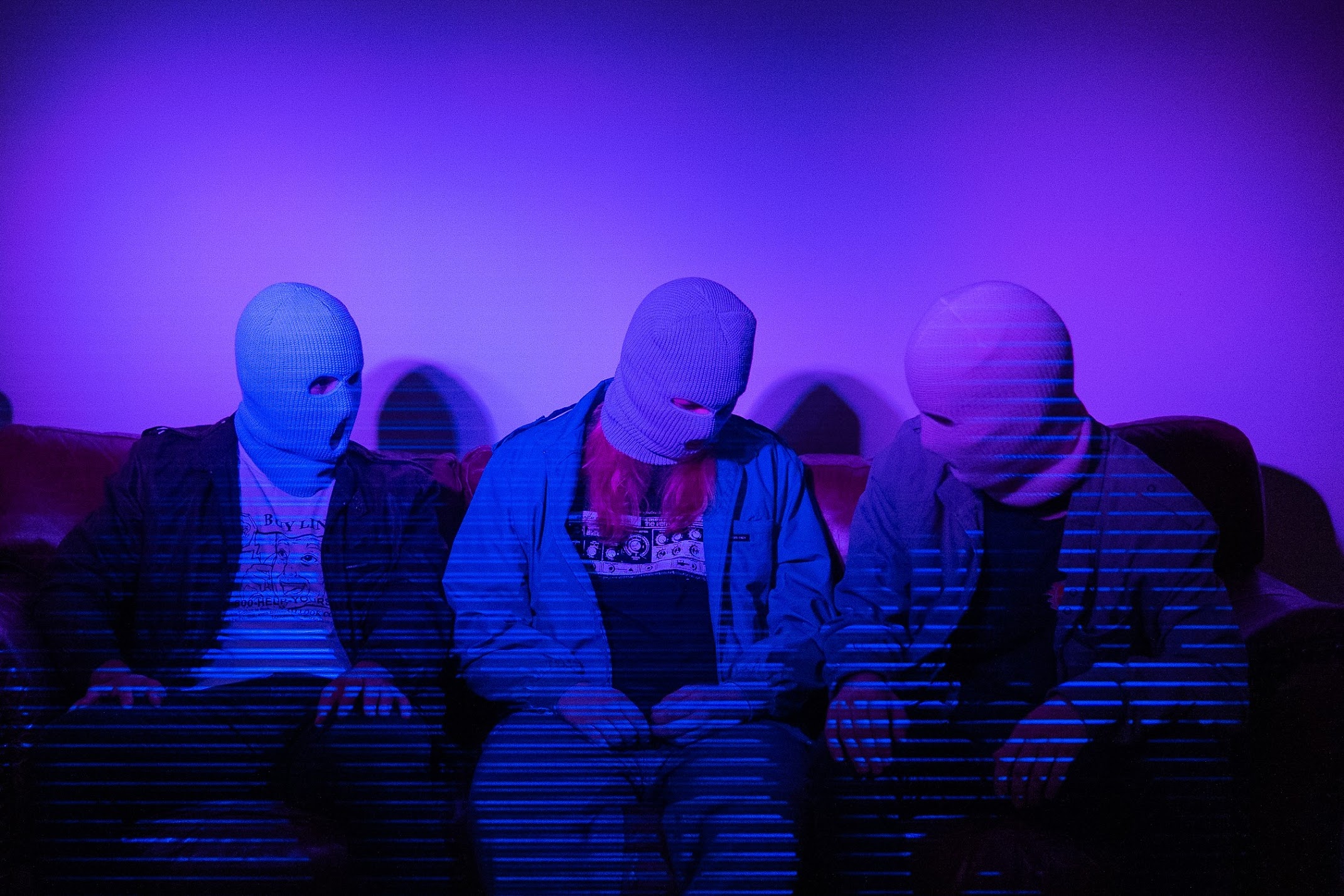
Athens Artist Spotlight: Shameless James
Based in Athens, Georgia, alternative rock trio Shameless James delivers a mixture of music genres to the city’s local venues and bars. The band is made up of Zac Connely on bass and vocals, Dallas Wiggins on drums, and Zach Tellano on guitar and vocals. Together, they’re diverse music tastes and inspirations creates a unique sound of melodic basslines, explosive drums, and soulful vocals with a hint of psychedelic sounds mixed with hard rock, metal, jam, and jazz influences. Each member’s unique music taste contributes to the band’s diverse genre that has a little bit of something for everyone.

Their performances are energetic and dynamic as they always strive to keep the audience engaged with improvisation and ever changing setlists to keep each show a unique experience. Switching between genres keeps the audience’s attention and keeps them guessing what genre they could hear the band incorporate next into their set. Shameless James performs frequently around Athens and Atlanta at multiple venues such as the 40 Watt Club, Nowhere Bar, and Smith’s Olde Bar. They also performed and helped host an Earth Day Celebration event at Southern Brewing Company that raised $4,000 for The Eco-Incubator in Athens.
Shameless James will be performing later this week on November 19th at The Roadhouse, and more shows are to be announced around Athens and Atlanta.

You can check out their website here.
Follow Shameless James on social media: Instagram // Facebook // Spotify

Shaky Knees Diaries: Day 3

It’s time for the final installment of the 2021 Shaky Knees Diaries :’). So let’s dive in, but make sure you’ve caught up on Day 1 and Day 2 first!
12:30 p.m. – 2:30 p.m. – Today, we are off to a late start. After the Run the Jewels performance of the previous night, we slept in. Then, we took our time grabbing lunch at Krog Street Market and strolling through the Beltline and Ponce City Market. (Side note: Krog has some of the best food in Atlanta – like Jai Ho, the Indian restaurant I loved and Soul, which served wings that my boyfriend will literally not stopping talking about.) We were staying close enough that we could walk to the park and today, we decided we would. The gorgeous Georgia weather was on our side as Shaky Knees had fallen neatly within those two blissful weeks of the year when the weather is neither too hot nor too cold and just perfect.
2:30 p.m. – So far, we had avoided the long lines that form later in the day as most ticketholders arrive late. Today was different. As we approached the main entrance (just a few hours earlier than the past two days), there is no clear path forward. Instead, we find a sea of festivalgoers ahead of us. Thankfully, we don’t have to wait long as everyone is rushed through security steadily (for better or for worse).
2:55 p.m. – 3:30 p.m. – The Aubreys
The duo, consisting of Malcolm Craig and Finn Wolfhard, began their performance at 2:45 p.m. We missed the first few minutes due to the crowded gate, but we still manage to catch much of the set. They’re performing on the Criminal Records Stage, which is the perfect place for casual enjoyers to camp out and sit on the grass while still being close enough to see the action. And that’s exactly what we did. The Aubreys are laid back but charismatic, charming the audience with their jests. I could see a dedicated group of fans jumping and swaying near the stage.
3:30 p.m. – The Backseat Lovers
The Ponce de Leon stage had a crowd going way before the Backseat Lovers took their places. The front of the stage is packed and even the little hill behind the gravel lot has little room left for walking. Once the show begins, many in the audience sing scream along with the band.
About halfway through the set, I start to wonder how Delta Spirit must be doing on the other side of the park. Out of curiosity, I’d been making mental notes about the relative streaming numbers of artists and what stage they were placed on. My conclusion is that there is no correlation, but for the most part, the Shaky Knees booking team seems to know their stuff pretty well. In this case, the Backseat Lovers outdo Delta Spirit by quite a large margin in terms of streaming. And yet, it’s the former that’s on the smaller stage. Ultimately, this worked well because the experience of a packed show in a smaller, more intimate venue suited the Backseat Lovers.
4:10 p.m. – My curiosity gets the best of me. So, we head over to see Delta Spirit perform on Zelle on Piedmont. There is a sizable crowd going with many gathering by the stage and others hanging back, enjoying the show from afar. We join the people lounging on the grass. Tired as we are, we decide to lie down on the grass and close our eyes. Delta Spirit is putting on a proper rock concert and I can feel the ground vibrate underneath me. At that point, I understand why they were placed on this very stage.
4:30 p.m.– Orville Peck
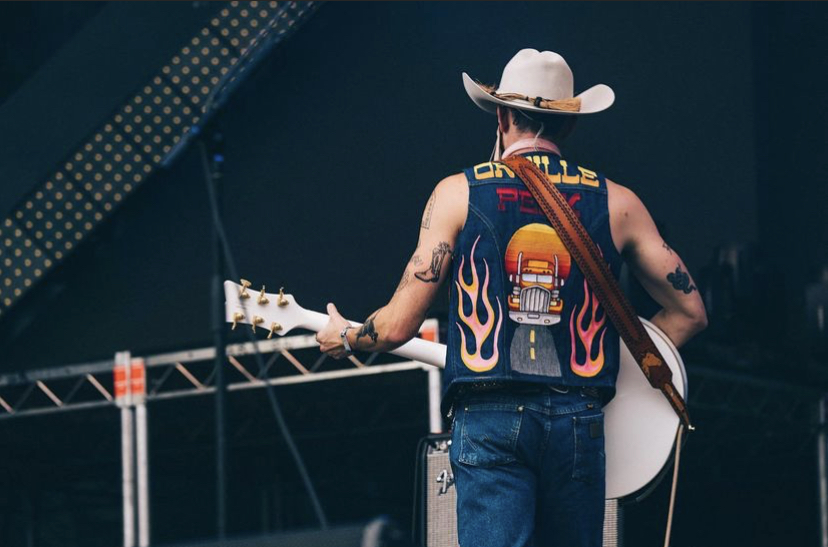
It’s time for the most enigmatic character of the entire lineup to perform. Orville Peck, the cowboy who’s never revealed his face, debuted in 2019. Despite my lack of familiarity with Peck, I could tell that festival goers were buzzing to see him live. So, we took our seats on the hill across from the Peachtree Stage. Peck was on the big screen with a wide white cowboy hat and his signature face mask. When he turned around, you could catch a better glimpse of his flamboyant jacket, which was painted with flames, a sunset, a truck on the highway, and (of course) his name. Before his performance of “Roses are Falling,” Orville sincerely asks the audience, “Have you ever loved someone so much you wanted to kill them?” If you have, he asks that you hold them close for this song.
5:00 p.m. – Ritt Momney
We left Orville’s set early to catch Ritt Momney at Criminal Records. And I will admit, I have some serious regrets about leaving Orville’s set early for a largely unremarkable performance. Oh well, we live, and we learn. Oh, and Ritt didn’t even stay for his whole set; he ended 15 minutes early!
5:15 p.m. – With the extra time on our hands, we move over to the Ponce de Leon stage and get a spot for The Aces’ 5:30 p.m. show. There is already a crowd forming. The Aces begin with their hit single “Daydream” and the audience loves them. Halfway through the show, lead vocalist Cristal Ramirez steps off the stage to sing by the barricade and the audience absolutely loses their minds. I am stunned by how her voice sounds exactly like it does on records. At some point, my boyfriend taps on my shoulder and goes, “The number of guys who were clearly brought here by their girlfriends and have no idea what’s happening is astonishing.” He was right. We were surrounded by a comical number of this exact pairing, and yes, it included us.
6:10 p.m. – We head over to Zelle on Piedmont where O.A.R. is performing. One thing I forgot to mention earlier: about one in 20 people today showed up with skeletons on their shirts à la the iconic Phoebe Bridgers look. And now, they concentrated in this exact spot, all waiting for the O.A.R performance to end to secure their spots for Phoebe.
6:30 p.m. – 7:30 p.m. – O.A.R.’s performance ends and their fans shuffle their way out of the crowd; people here to see Phoebe fill the gaps in immediately. There’s still an hour to go while Modest Mouse performs one stage over, but at least, the crowd knows how to keep themselves entertained and we get to watch the sunset behind us as we wait. Someone holds up their phone a couple feet behind me, it reads, “Anyone lesbian?”

About ten minutes before her set begins, I hear the crowd in front of us begin to chant “mommy, mommy” repeatedly, but it dies down. The crowd tightens slightly as the beginning time gets closer. A girl next to me comments, “Did everyone suddenly get taller? I can’t see anymore.” My boyfriend responds back, “I think that if everyone could just take off their Doc Martens, we’d be able to see better.”
7:30 p.m. – Phoebe Bridgers
Right on time, Phoebe’s ensemble steps out on stage clad in skeletal bodysuits accompanied by Flo Rida’s “Good Feeling” playing in the background. Phoebe herself is wearing all black with a faintly sparkly top and a blazer to top it off. This is her last stop of tour, and she begins with her most popular song “Motion Sickness.” When “Scott Street” plays, the crowd is singing along softly, but clearly; it sounds a like a lovely, haunting lullaby. To the absolute delight of the audience Phoebe plays her song “Georgia,” which has not been on the setlist for any previous shows of the tour. Of the song she says, “Sincerity is fucking humiliating but I’m coming around to it.”
When she notices a fan poster asking her about her favorite movie, she responds, “I re-watched the SpongeBob movie this year, it holds up. Anyway, this next song is about alcoholism.” Before her last song, Phoebe says she has one wish before the end of tour, she really wants a mosh pit (“I’m sorry about the tote bag bitches”). Then, she begins “I Know The End,” which builds and builds and builds until you can’t hear anything but the instrumental and screams. And then, it’s over.
8:30 p.m. – The Strokes
It’s 8:30 p.m. – time for the Strokes to perform, but they are nowhere to be seen. We get no explanation as to what’s going on. This is unusual for Shaky Knees because all the acts so far have operated like clockwork. Nearly 20 minutes pass until the band finally steps out on to stage. We have opted to watch the show from afar, where we can see the effects clearly and dance as we wish. The crowd is clearly excited to be there, but something feels… off. Leader singer, Julian Casablancas, kind of sounds like he’d rather be anywhere else. He is mumbling through the lyrics and his interactions with the crowd are subpar at best. I didn’t stay for the full set, but I did stay long enough to hear him start then immediately stop at the onset of one song (“I don’t know the lyrics to this one”).
Even dedicated fans were divided over the performance when the festival was over. Many were disappointed by Casablancas’ unprofessional demeanor and his overall performance, even ones who’d been waiting to see them for years. This was not the ending they had hoped for after an incredible weekend at Shaky. But there was another camp of fans who had a blast despite these shortcomings – it’s a rock concert after all, what did you expect?! That’s just classic Julian! Either way, when I walked out of that park with “The Adults Are Talking” fading out in the distance, I could almost see the end credits begin to roll.
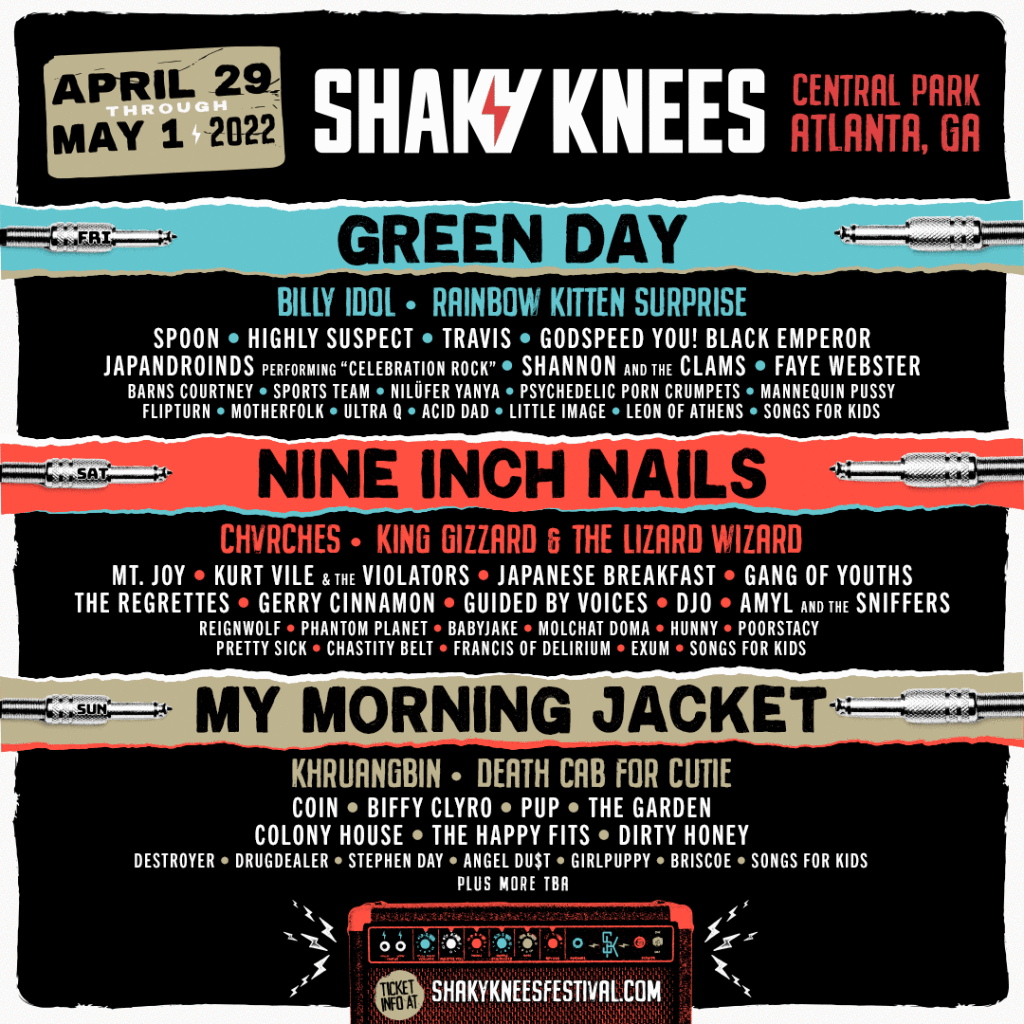
So, that’s what you missed at this year’s Shaky Knees. If you want to experience it for yourself, check out the Shaky Knees 2022 lineup, which just got released! Until next time…
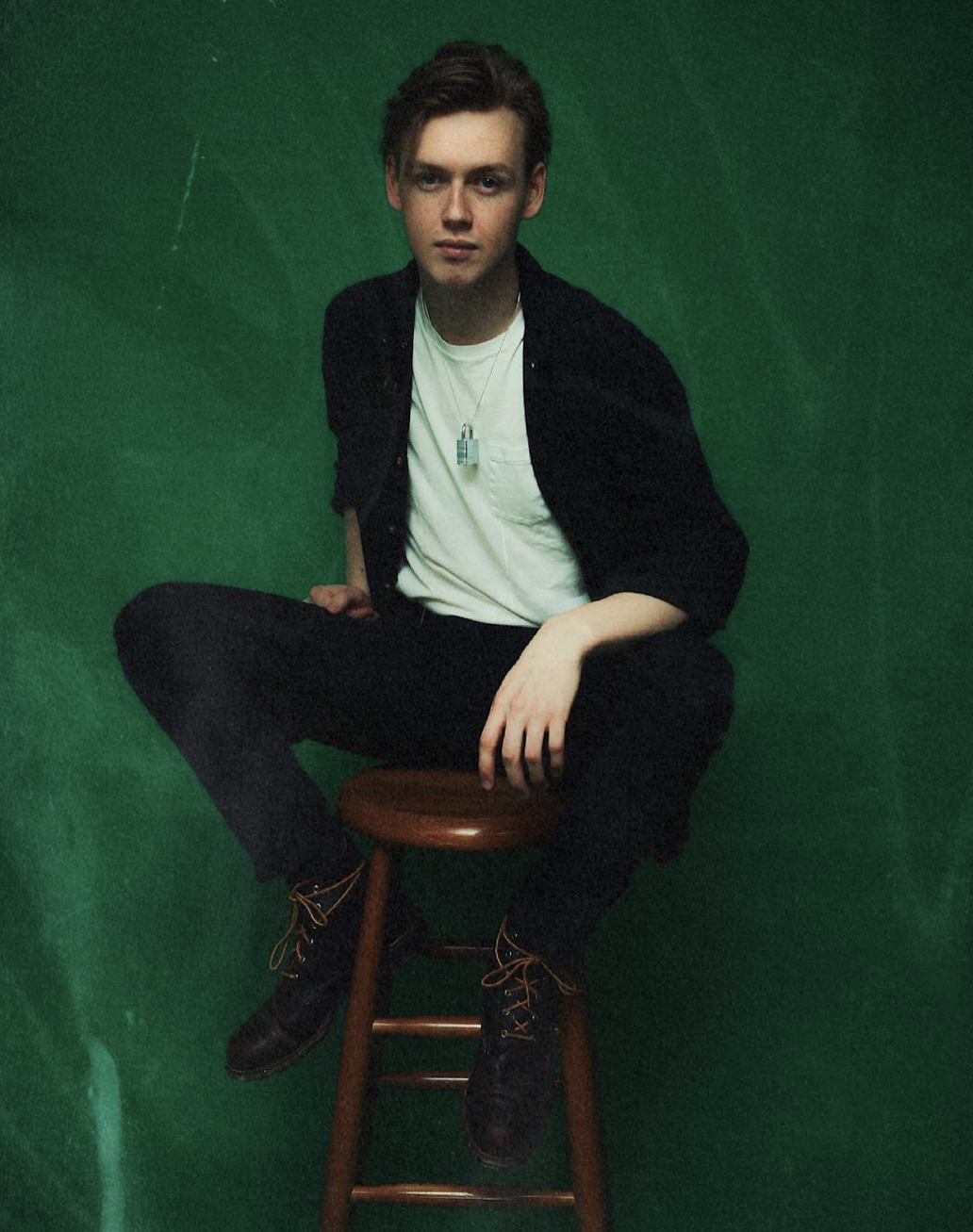
New Artist Spotlight: Wim Tapley
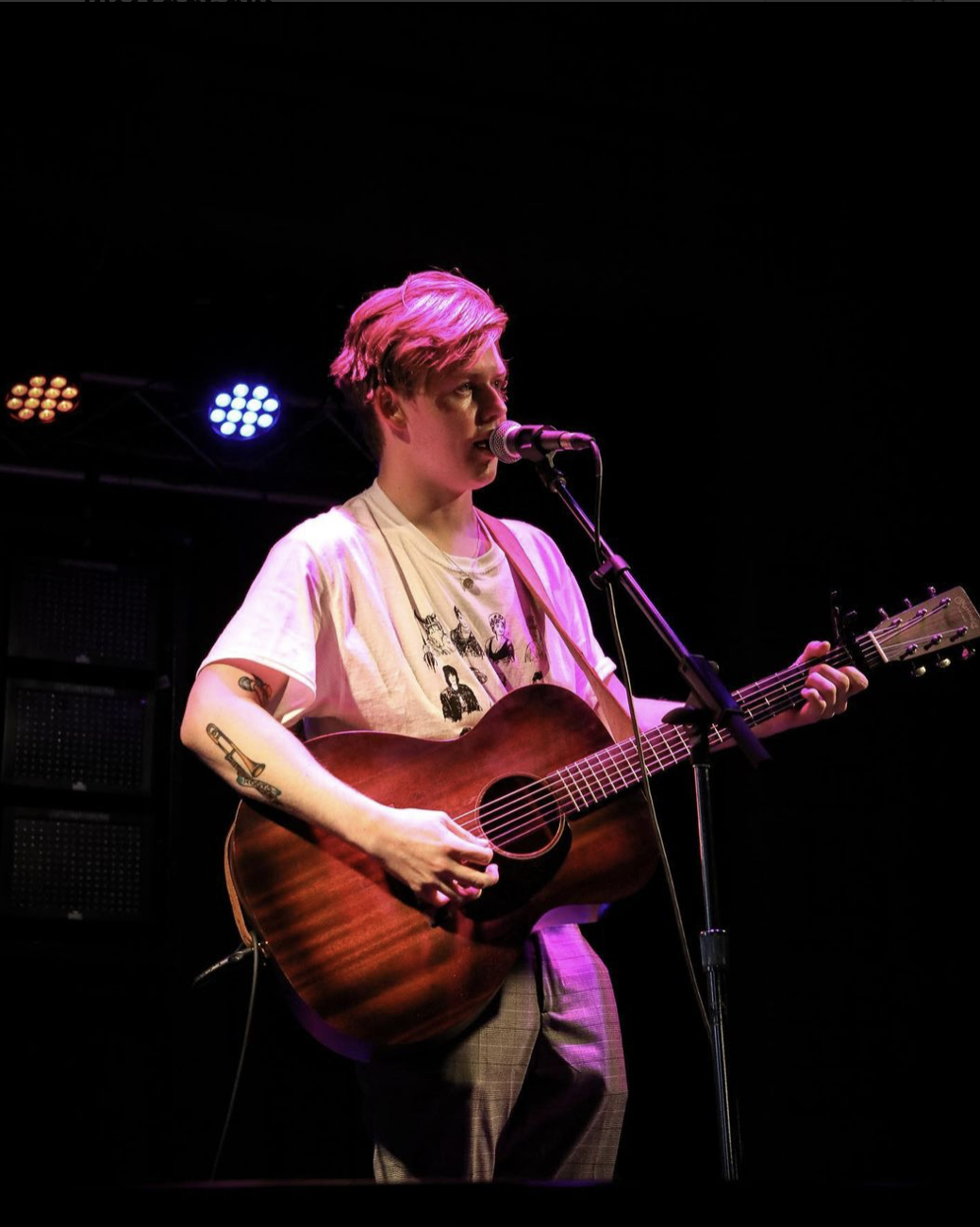
After making the move from Virginia only a few months ago, singer-songwriter Wim Tapley has started making a name for himself here in Athens. He wasted no time once he started attending the University of Georgia in the fall, as he was already playing gigs around town within his first month in the state.
Wim’s music can be considered folk/rock with his own twist that incorporates Americana and pop that fits his raw, real and confident voice. He is a talented multi-instrumentalist with his own creative direction in every aspect of his music career. He produces his own music including his recent EP The Woodlands, which is impressively played, recorded, and produced all by himself. In this EP, Wim uses elements of fuzzed-out guitars, pianos, horns, and his unique vocals to take on the genre of folk-pop while using inspiration from musicians such as Bill Withers, Chris Stapleton, and Ed Sheeran.
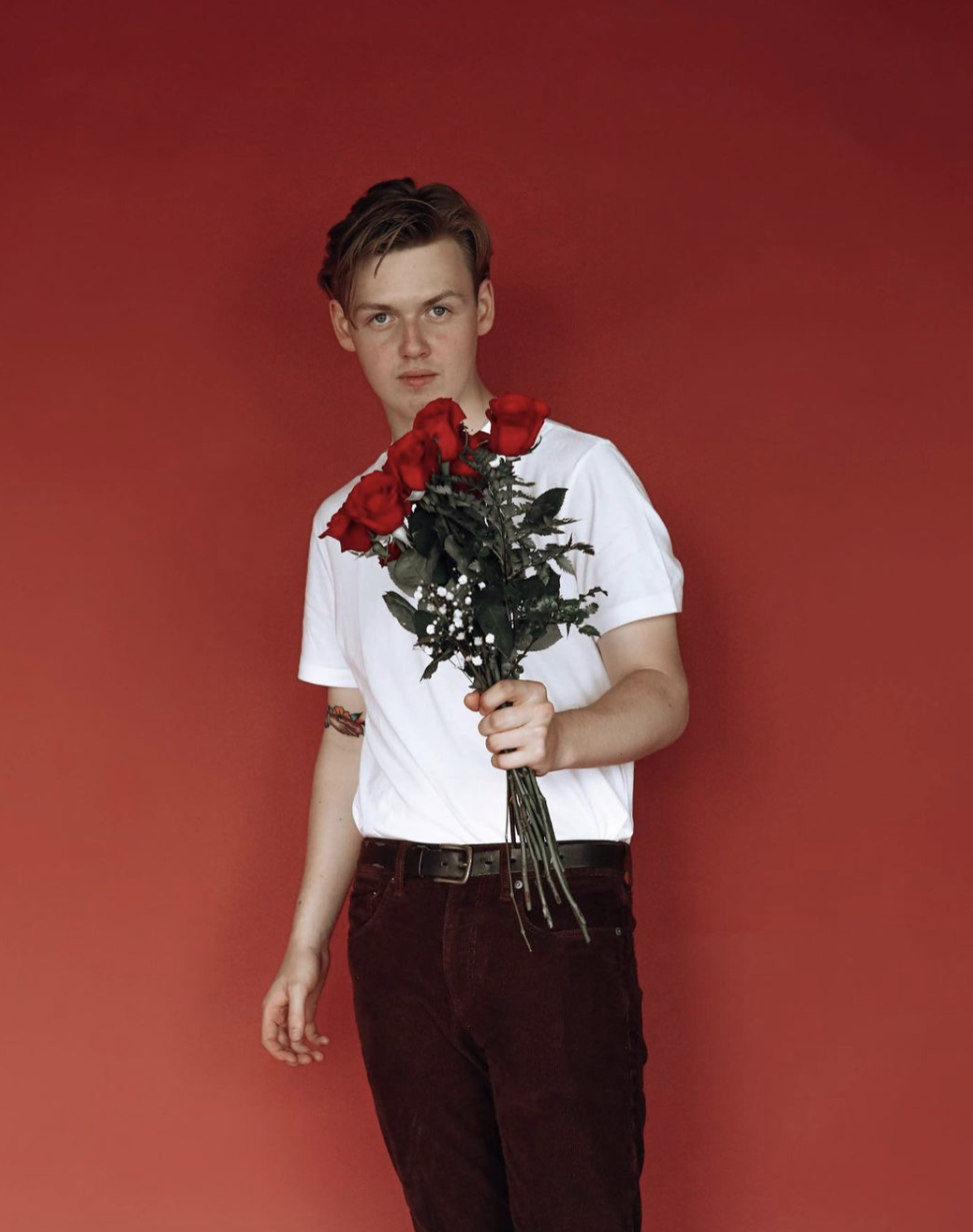
Not only is Wim’s music strikingly inspiring and unique, but he is also a new, bright light in the Athen’s music scene. He loves to attend other band’s shows in support, and he is always trying to make new connections around town and play as often as he can. He has already built an impressive fanbase and draws a crowd at every location he plays, including the 40 Watt Club. His self-generated motivation shows through his discography, his lively performances, and his continued effort to create new things and express himself and his love for various genres of music.
Wim’s last solo gig for the foreseeable future is at Akademia Brewing Co. on Thursday, November 11th. He will still be performing around Athens, but as a band under the name of Wim Tapley & The Cannons who will start playing shows in late November. Wim is definitely an artist to watch coming out of Athens, as he has already taken the city by storm in the short amount of time he’s lived here. With a drive and talent like his, he is surely to rise quickly to the top of the music scene here in Athens and beyond.
Check out Wim on his website here, and keep with him on social media: Instagram // Twitter // Facebook // Youtube // Spotify
