
Category: Music Reviews
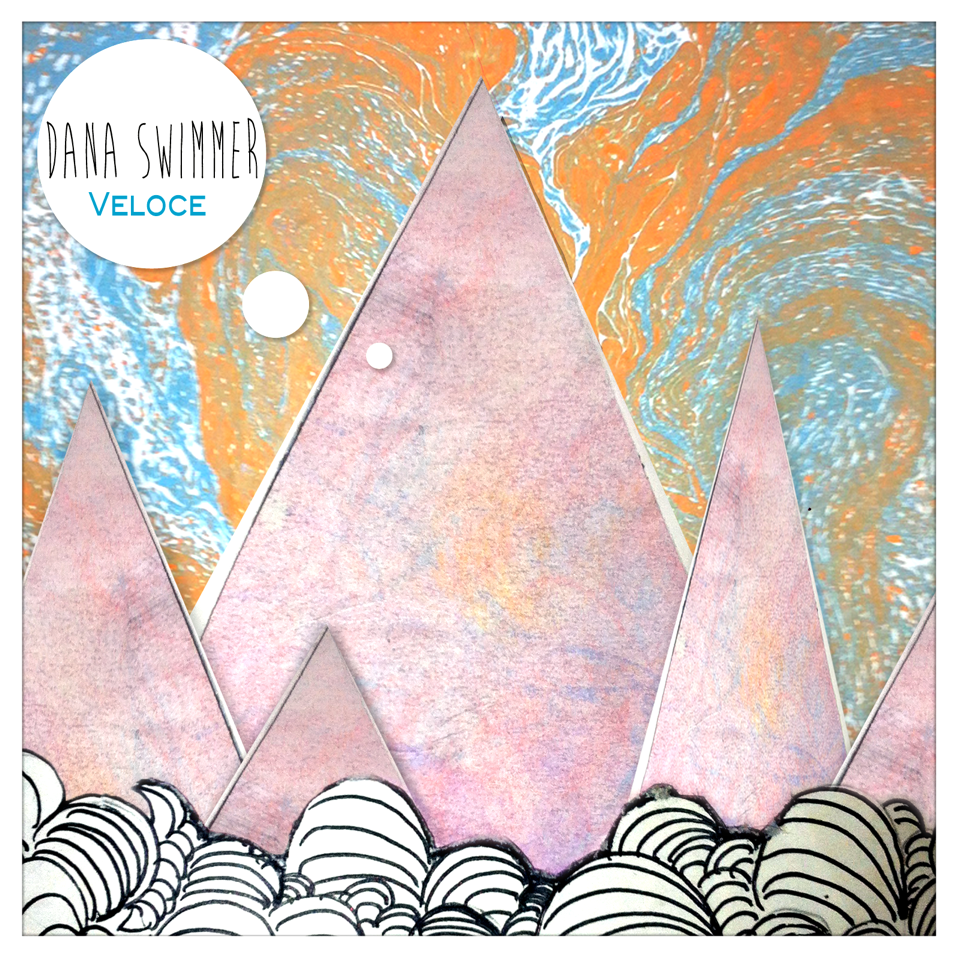
REVIEW: Dana Swimmer’s Veloce
As someone living in Athens and happily soaking up all the music that this Classic City has to offer, I can say one thing without hesitation: Athens band Dana Swimmer makes me proud to be here. Their new album, Veloce, is an eccentric intermingling of rock n’ roll sounds that everyone and their mother adores – think the Black Keys – and personal touches throughout that remind you that this talented band is human and, well, undeniably Southern.
An example? At the end of the album’s second and most popular track, “Fairground Girl”, the band can be heard exclaiming such self-deprecating comments as, “That was awful. That was terrible!” These kinds of witty, sarcasm-imbued statements throughout the album harshly juxtapose what we’re thinking: “Wow, this song is AMAZING.” Speaking of “Fairground Girl”, we’re not surprised this song is so popular. It combines upbeat, pep-in-your-step instrumentals with a very Devendra Banhart-esque, crooning voice. It’s safe to say we can’t get enough.
And though the whole album is worthy of some serious Athens pride, the best track has got to be “I’m Still Your Man”. It’s slow, it’s simple, it’s beautiful – a love song to compete with the greats. The tune really peaks at the chorus when some very whimsical female vocals are introduced, that later morph into entirely fitting background vocals.
Yet another endearing feature of the album, the 29-second instrumental “Tilda”, brings us to the album’s last two songs. And, have no fear, Dana Swimmer is clearly not the type of band to haphazardly stick a few songs on the end of an album to kill time – these last tracks are some of the band’s best. “Mother Nature” is decidedly hard and fast, reminiscent of the Eagles of Death Metal or the Strokes. The album ends on a bit of a lighter note with “Signs of Symmetry”, a playful, upbeat tune, mixing in a few retro ooh and aahs for good measure.
So, are you dying to be an Athenian yet?
8/10

REVIEW: The Bronx IV by The Bronx
After much anticipation, Los Angeles punk rock band The Bronx has broken a five-year musical hiatus and released its fourth studio album, The Bronx IV, which dropped today. The Bronx has been an underground staple in the hardcore scene for over a decade, and this record seems to pick right back up where the band left off, with four of the five founding members still on board and the addition of (bass guitarist) Brad Magers, who joined back in 2007.
The Bronx has shared the stage with artists like Fucked Up, Mastodon, and The Refused, and the band toured the 2008 Vans Warped tour in its entirety. To add to the rad, their side project, Mariachi El Bronx, has been recognized by The LA Times, NPR, and Pitchfork (and, of course, Vinyl Mag). Clearly these guys have been doing something right – and this album is no exception.
Opening up the album with “The Unholy Hand”, The Bronx IV retains every bit of high energy that these guys have exuded for years now, religiously “metaphorizing” the price you pay for success with their lyrics “Are you the Anti-Christ or the Holy Ghost? Do you want to die or just come real close?”. The album then smoothly transitions into the second track, “Along For The Ride”, which sings of settling into the familiar, reflection of the past, and complacency as a whole.
Track 4 on the album, “Youth Wasted”, jumps right back into reflection mode, opening the track off with “The truth is, the truth still hurts”. There’s no arguing that, is there? “Sometimes the best laid plans will still end with blood on your hands” makes up almost the entirety of the song, but somehow the repetition is appropriate.
The energy of the record maintains its old-school, fast-paced feel with the following tracks, “Too Many Devils” and “Pilot Light”, but then it delightfully flips the script with the seventh track, “Torches”. As a whole, “Torches” is notably slower than the entire album, setting a somber tone and bringing you back down a few notches on the intensity scale that the first half of the album inevitably carried you to. It signs off with one quote-worthy phrase: “You cannot change the life you want to live”.
Aside from “Torches”, the album continues to pay tribute to its punk rock origins, keeping the pace amplified and the lyrical content brutally honest.
If I were to guess, the 12-song eponymously titled album will please and appease the former fans and (undoubtedly) attract some newbies. In the day and age of musical rebirth from album to album, there is something refreshing about a band that continues to stick to their roots and what they know. Punk rock personified is probably smiling down (or up) from somewhere right now knowing that hardcore is in fact not dead, but rather very much alive.
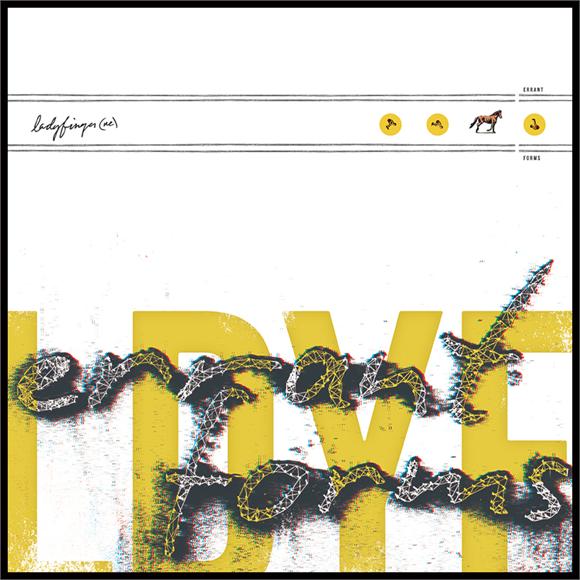
REVIEW: Ladyfinger (ne)’s Errant Forms
 Ladyfinger (ne) occupy a strange locale between punk, post-punk and FM rock. Nothing truly gets sketched out, but that seems to be Ladyfinger (ne)’s objective here. In their own words, they describe pulling inspiration from early 70’s classic rock. But that label is a bit of a misnomer, because Errant Forms sounds nothing like the 1970’s. Nor does it necessarily sound like any other decade, and that is Ladyfinger (ne)’s selling point and ultimate downfall. Errant Forms cherrypicks from various rock and roll derivatives from the past twenty years, and the result is sometimes rewarding and oftentimes frustrating.
Frustrating firstly in that Ladyfinger (ne) will deploy a serious tease by initiating a track with a sonically diverse introduction only to have the song swiftly switch gears to make way for a stifling and forced opening verse. If this sounds specific, take a listen to the album’s second half. The two most devastating fake-outs are “Poison for Hire” and “Meathead,” and it’s worth noting these two stand with some of the most lyrically trite works on the album. Both intros to “Poison for Hire” and “Meathead” illustrate Ladyfinger (ne)’s greatest strengths: rhythmic complexity, frenetic guitars and a knack for building tension without giving anything away too soon. But like a left hook to the jaw, Ladyfinger (ne) cut the intro and rip into the first verse. Different tempo, different style, different everything. The sloppy editing is disappointing mostly because it highlights a possibility Ladyfinger (ne) could embrace instead of spending their time writing songs about the insecurity felt in the presence of machismo.
And that is Errant Forms’s second most frustrating aspect: the cheeky lyrics. Singer Chris Machmuller has a special habit of preaching and confessing a little too much in his lyrics. The big stinker here has to be “Galactic,” in which Machmuller outlines a possible conspiracy theory involving aliens. As a joke, it isn’t very funny. As something serious…well, it still isn’t funny.
Errant Forms shines when the instrumentation has room to breathe and expand and the rigidity of its pop structures falls away. Moments like these are few and are usually ruined by troubling lyrics, but these brief flashes of intriguing experimentation illustrate a band with the sensibility to rock but the hesitation to find a voice.
Top Tracks: “Renew,” “Birds,” “Blue Oyster,” “He Said She Said”
5/10
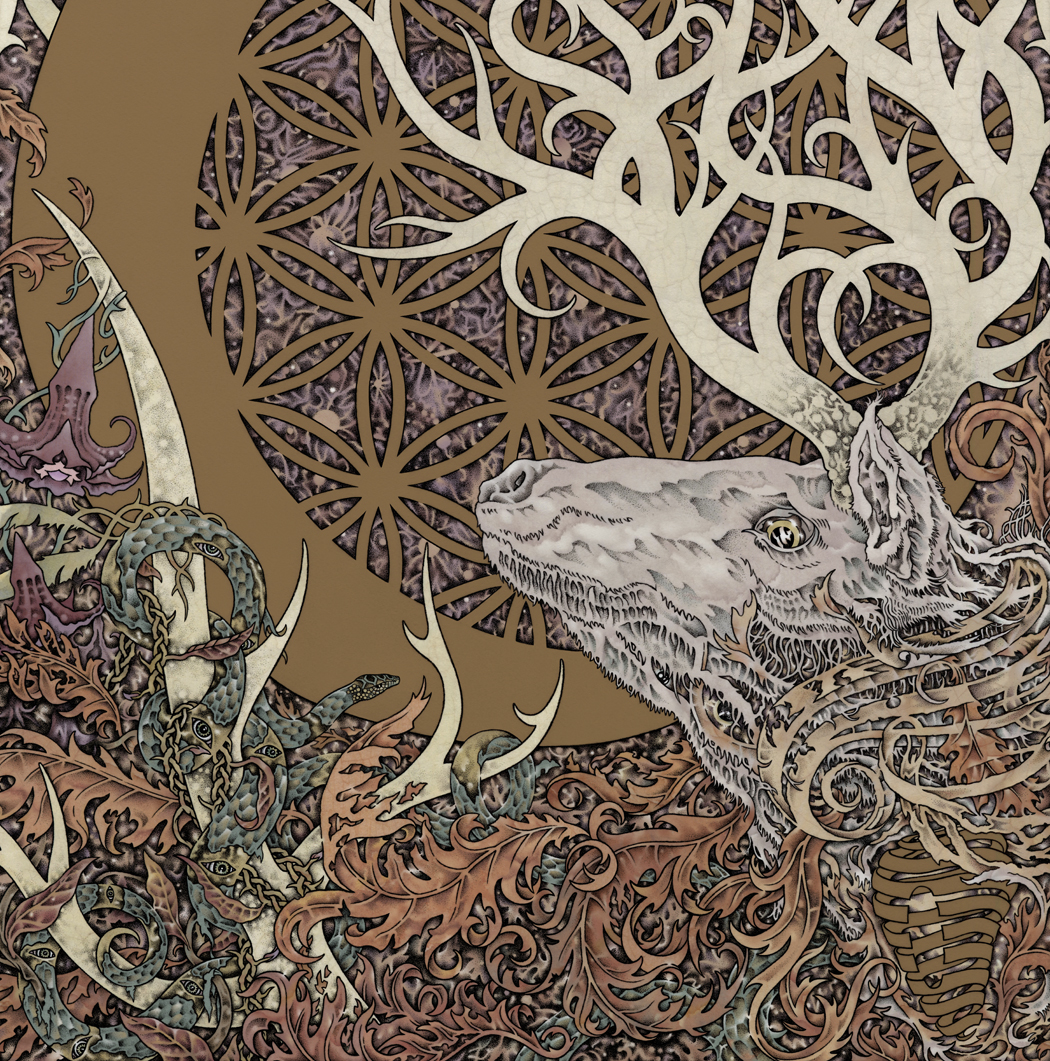
REVIEW: Circle Takes the Square’s Decompositions: Volume Number One
Circle Takes The Square‘s Decompositions, Volume Number One is a record that dissolves boundaries, a journey through time arriving at the crossroads of an epoch. Blurring the lines between human and animal, earthly and supernatural, linear and cyclical, and creative and destructive, Decompositions sounds like a fevered ayahuasca dream.
Listening to Decompositions‘ stream of apocryphal consciousness is both exhilarating and confounding, much like a classic thriller. Ambitious and epic, it’s clear why the project took over two years in production to come to fruition. Sonically lush, musically progressive, and densely lyrical, Decompositions is a Pandora’s box that will be studied for years to come.
A tribal chant sets the tone for the album in the opener “Enter by the Narrow Gates,” a song that bridges the gap between the shamanic traditions of Native Americans and the cacophony of 21st century post-hardcore. With the help of modern instrumentation, CTTS create a hypnotic, often mind-bending vibe as somber aboriginal-style chanting gives way to a soundscape of slow, crashing drums, distorted electric guitars, and finally, the carnal screams of a shattered reality, welcoming the end of one Earth cycle and the beginning of another. It’s a signature song, and one of their best to date.
The opener flows seamlessly, as does much of the album, into “Spirit Narrative,” a short burst of progressive hardcore with lyrical themes of shapeshifting and animal transformation. Had they existed in 17th century colonial America, it’s quite possible CTTS would have been burned at the stake for heresy(!) Background screams from guitarist David Rabitor add to the brutality of the song.
“Way of Ever Branching Paths” is one of the album’s standouts, with bizarre time changes and a much looser feel in parts than CTTS have experimented with in the past. The song conveys an “order out of chaos” feel, while the lyrics explore esoteric and spiritual revelations drawn from Earth’s archaic history. Melodic singing from bassist Kathleen Stubelek and drummer Caleb Collins provides a welcome, if chilling break from the din of screams. It’s also possible to view the song as a metaphor for the diverging lives of the bands’ members, which are geographically spread across North America.
From this point on, the album builds in momentum and intensity, hurtling towards some great unseen cataclysm. “The Ancestral Other Side” references the ancient symbol Ouroboros in the line, “Through fevered visions, silence devouring its own tail, Unbroken circle, grant us the crisis needed to heal.” It’s an existential take on music as a therapeutic and constantly evolving force set against the blank canvas of silence. It’s also a reference to the cyclical, primordial Earth themes that are present throughout.
“Prefaced By the Signal Fires” should remind longtime fans of “A Crater to Cough In,” one of the band’s more epic and heavier cuts from their 2004 release As the Roots Undo. The track kicks off the second half of the album, flowing into the more contemplative but still heavy-as-hell “A Closing Chapter (Scarlet Rising).” Here, ominous melodies blend with bone-crushing rhythms and vague prophecies of Armageddon and the end of time as we perceive it.
“Singing Vengance into Being” and “Arrowhead as Epilouge” revisit themes of animism, higher consciousness, cyclical time, and death as transition. The tension builds with snarling guitars, growling bass and aggressive drums, and the Circle’s token call-and-response vocal stylings of bassist Kathleen and guitarist/vocalist Drew Speziale, before climaxing with “North Star, Inverted.” The album’s dreamlike, acoustic-flavored finale perfectly bookends with the opener, bringing a long-awaited vision to its epic conclusion. It’s Neurosis-meets-Mazzy-Star, a goose bump-delivering acceptance of the end, rife with elaborate instrumentation and haunting vocals. The feeling of stark finality is what makes it so special, and arguably the best song of their career.
It’s a stunning accomplishment that often defies description, a true piece of art and snapshot of a band (and civilization) at a fractal boundary. Through dark times, Circle Takes the Square carry the light of knowledge and self-discovery.
9/10

REVIEW: Concord America’s Shag Nasty
 What do edgy punksters, the beach, and a be-grilled Marilyn Monroe doppelganger have in common? Yeah, you should be confused. But you should also be ready for some insanely awesome listening, because all of these elements – and a hundred others, for that matter – combine to form Atlanta band Concord America’s first full-length album, Shag Nasty.
These boys have been taking the Atlanta music scene by storm for over a year now, maturing steadily from tossing glitter into audiences everywhere to playing some serious rock-meets-punk-meets-beach-meets-grunge-meets-doo-wop with well-known bands like Foxy Shazam. We’re not kidding – everyone from your dad to your weird roommate that wears the same flannel shirt every day will be listening to this band soon. A lot of this comes as a result of the unheard-of chemistry between ConAm’s members: guitarist and vocalist Ben Presley, bassist Vinny Restivo, and drummer John Restivo. This – together with a rare knowledge of their craft, a lack of fear of dwelling into unknown musical territory, and some pretty huge imaginations – puts Concord America in the ranks with the best and brightest newcomers nationwide.
Now, with the release of Shag Nasty, more than just a handful of hard-partying Atlanta twenty-somethings will understand the trio’s power. The album kicks off with “Roller Derby”, a powerful, beachy anthem, only losing speed momentarily for an organ intermission or two that add insane dimension to the track. The fun continues through “Kids” with a chorus of Restivo’s retro “ooh-ahhs” until the mood becomes dark and sexy on “Low Beat”. This song is especially near and dear to our hearts as it exemplifies some very unashamed, Pixies-esque fast-slow-fast instrumentals, keeping us constantly somewhere between brooding and pumped up, all the while always ready to dance like mad men. And Presley’s voice? It’s positively skin-crawling (in a good way, we swear) as he belts out “Low beat, low beat…” more and more slowly and sensually.
“Shag” opens up the second half of the album, and we’ll be frank: it’s easily the best track of all. It’s simple, it’s whimsical, and it’s different from everything else ConAm has done. With nothing but a guitar, a few drums, a xylophone, and Ben’s hypnotizing voice as he drawls “Love is ____ baby, come and see. Love is ____ when you’re loving me” (insert “simple”, “stupid”, or “evil”), it’s a clean, sugar-sweet love song through and through. The romance continues through “Anniversary”, a fun tale of lovers that’s sure to be your summer anthem. As you ease toward the end of the record, “Skinny Rock N’ Roll Man” will satisfy fans of the Black Keys and a bit more bluesy acts, while “Love” is a very raw, slightly folksy tribute. It feels totally sincere, as it was recorded in the backyard of the Hoodau – the home shared by the ConAm boys – and, like the rest of the album, is filled with the kind of sheer time and patience that only a band with a rainbow amp and a slew of Goodwill outfits could produce.
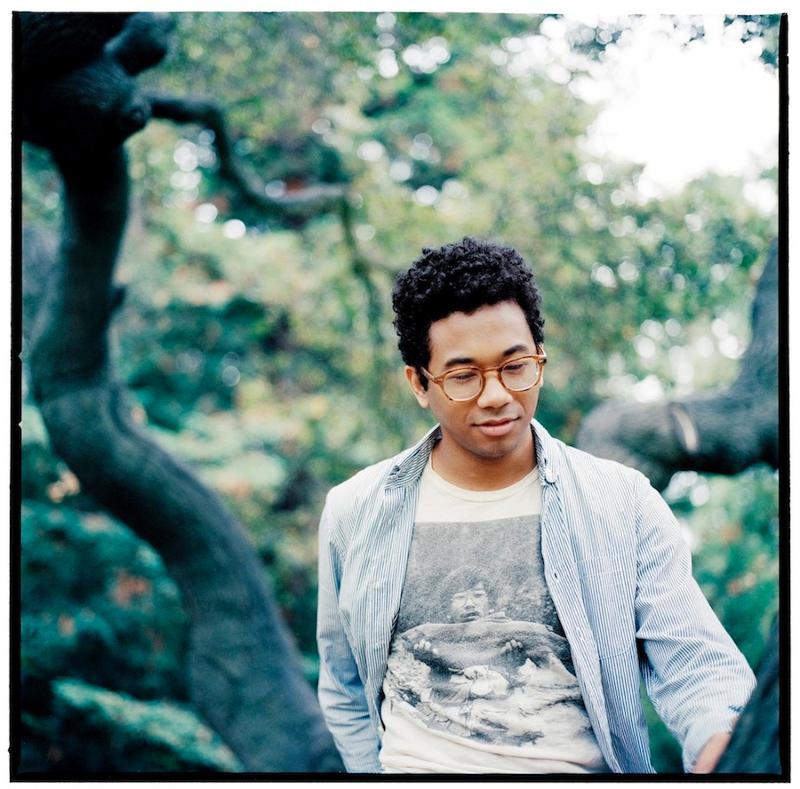
REVIEW: Toro Y Moi’s Anything in Return
 Chaz Bundick’s production skills are unmatched. His keen ear for beats, wiggling bass lines, and soulful vocal samples lends his music an immediately recognizable style, one that dabbles in disco, electro pop, and (gulp) chillwave*.
That being said, what made Toro Y Moi a force to be reckoned with was his inclination to push his E-keyboard funk into realms of noise rock, experimental, and lo-fi guitar pop. There was a time when Toro could have easily served as tour support for Deerhunter, and his 2010 release Underneath the Pine married those tendencies with the electro-funk of Causers of This to form a singular, unique vision.
Anything in Return pairs those stylistic traits together but lacks the instant earworms and irresistible grooves of Underneath the Pine. Bundick has traded in whatever funk he has crafted over the years for a slower, less youthful iteration of his worst tendencies. Perhaps Bundick’s growing up and allowing himself more room for lyrics addressing the eventual matter of settling down with your love, but his end result is bloodless and uninspired. The vocal melodies stretch his voice into high falsettos and are forgettable and indistinct from song to song. Most songs hang around the mid-tempo mark, the point at which grinding at a party can ensue if the bass is just so or at which everyone stands around wondering when the party will actually get started. And though Bundick has never been consistent in producing party music all the time (which is more than fine with me), his newest batch seems to fit neither in the party setting nor in the headphones. Not many songs stray past the five-minute mark, yet their aimless structures slow time tremendously, giving the feeling that every track could benefit from heavy editing.
The one point at which Bundick seems to let loose is “Never Matter,” a razor-sharp piece of hi-fi electro pop that could have easily slid anywhere into the track listing of his debut. Since Underneath the Pine’s success, Bundick gave an interview and made the comment that his music can never stay in one place. Meaning, the next album would undoubtedly mark yet another evolution for the producer/songwriter. Instead, he has given us effectively more of the same but with his virtuosity tuned to grayscale.
*Side note: what the hell else am I supposed to call chillwave? As soon as someone gives me a new term that will in time become a sour soundbyte, I will comply.
6/10

PREVIEW: September Call-Up’s self-titled
Hey guys and gals – September Call-Up (formerly releasing as Christian Bitto) is back to introduce a few new songs from his upcoming full-length album September Call-Up to be released later this year under the name. Bitto is going on a mini-tour this month and will be giving away his three promo songs that are on the album (hell yes).
First song on the album is called “Ghost”. It has a steady driven beat that eventually calms down to slow verses, accented by subtle bass and drums, as well as a soft strum of guitar. Towards the end of the song, Bitto’s sings, “I don’t need a ghost that makes me afraid/I don’t need a ghost tells me where to lay/I don’t need a ghost tells me when to pray/ I don’t need a ghost/Don’t need a ghost/I’ll pray to ghosts at night/They’ll keep me/ Safe/.” Interpret this however you wish, but I took it as a commentary about outside influences controlling people’s beliefs and actions. The message is subtly powerful, and Bitto delivers it without cramming it down your throat.
The second song is called “Song No. 3”. This song, also slower paced and driving, is strong but not loud. It sounds so melancholy and apologetic; yet towards the end, Bitto’s emotion definitely shines through as his voice gets a little grittier.
The last song of the promo is called “Our First Fall”. It’s fully acoustic – just Bitto and his guitar. This is my favorite of the three. If the title doesn’t tell you, the song is about lovers parting. I love the simplicity of songs like this – just two music entities put together in perfect synergy… “Time stops when the camera clicks/You sit quietly, bite your lip/Forever stays forever in a picture frame/It’s not the same/Time stops when the camera clicks/You cry angrily, clinch your fists/This isn’t it, this is not okay/My perfect life a picture frame/Picture frame/.” How can lyrics like that not get you?
Tour Dates:
Jan 18- VIP Taproom, Bethlehem PA
Jan 19- Pete’s Candy Store, Brooklyn NY
Jan 20- Stella Blues (with special guests No Program, Samantha Benderoth Band), New Haven CT

REVIEW: Snowbeast
Album: Snowbeast by Snowbeast
The upsurge of intentional lo-fi music that has pervaded the Internet lately has usually been written by artists looking to emulate roughness and obscurity through the recording means now offered on everything from Ableton Live to Pro Tools. Without question, many of these faux-fi musicians seek the warmth of analog or grittiness of a past era’s recording technology, but Snowbeast’s lo-fi tendencies and stripped aesthetic never sound over-wrought or exploitative. There is honesty within this EP that somehow gets lost or strangled out of a recording once it undergoes the slick treatments of post-production.
But Snowbeast’s strength doesn’t lie solely in its production. Vocalists Riun Garner and Brayden Pichor drawl and scream their lyrics, which hinge on the threat of growing older and the paranoia that accompanies too much change too quickly. “Backyards and alleyways/ Skateboards and roller blades/ It’s all stayed the same,” Riun sings, ending the repeated refrain with “It’s you that has changed.” At certain moments, Snowbeast break from their grungy, shout-along guitar rock to dabble in Vampire Weekend tropic stomp and electro noise, and these left turns occur only when the lyrical mood becomes harried, panicked, or even playful. Snowbeast have crafted an entire world that expands beyond their EP. Their moniker, EP title, and opener all share the same title, and their Facebook page provides a proper definition of the Snowbeast that stalks their persona. In short, to “capture a glimpse of a Snowbeast” is to witness truth, ease the mind, and retreat into a world free from pain. It’s a bare release from a bare-bones band –one that invites you into the church they recorded in and hands its music to you with delicate ease and raw emotion.
7/10
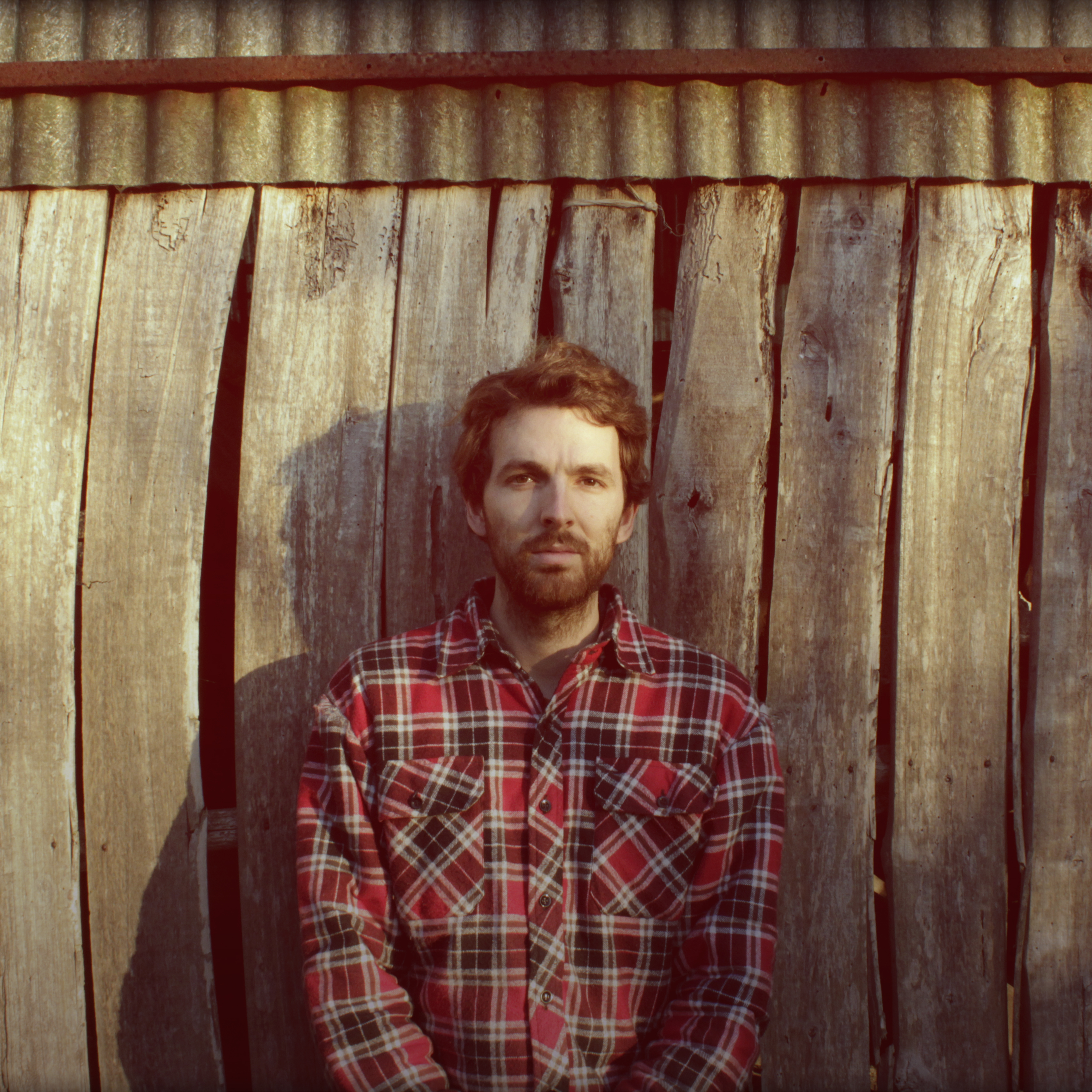
REVIEW: Carpet of Horses’ It’s Only Light EP
An EP recorded in three different countries inevitably sets up some pretty massive expectations for a worldly and sophisticated sound, right? Get this: Carpet of Horses, a project fronted by Tobin Stewart, just released It’s Only Light – and though the EP was created in the earthly cities of Toronto, Berlin, and Tel Aviv, the six tracks and the mood they evoke are almost otherworldly.
You wouldn’t think it possible, considering Stewart’s project has only 78 “likes” on Facebook. Trust us, though, when we say that that number is going to be increasing – by A LOT – sooner than you can say “Oblomov” (this is one of the most impressive tracks on It’s Only Light). While listening to the EP, it’s easy to compare the sound to that of some of indie music’s greats: we hear Elliott Smith, Death Cab for Cutie, Iron & Wine, Bright Eyes, Frightened Rabbit… are you excited to listen to these six tracks yet?
Though the first track, “Algamest”, is simply a 49-second light instrumental intro, it conveys perfectly what is to come on the rest of the EP: a whimsical, sometimes folksy, often even eerie, set of fantastic songs. The title track introduces Stewart’s airy, soothing, slightly chill-inducing voice. By “Oblomov”, we’re in indie music heaven. Stick clicks and a violin open up the tune, catapulting us into the perfection of the vocals as Stewart sighs, “Laaaaaazy bones….” The dark-yet-vibrant mood continues, until Stewart’s voice crashes into the beautiful sound of a piano and some incredibly ghostly whistling, which ushers us onward into the next track, “Stars on Montsou”, which features absolutely ideal instrumentals.
By “The Rider”, the EP’s final track, we’re almost exhausted from such ethereal and busy listening. But this song – possibly the best of all – gets us excited all over again. The soothing mixture of the simple instrumentals – featuring a piano and a trumpet – and uplifting vocals make for an entirely calming end to a perfect album, one that both keeps you on steady feet and shoots you, unapologetically, into another universe.
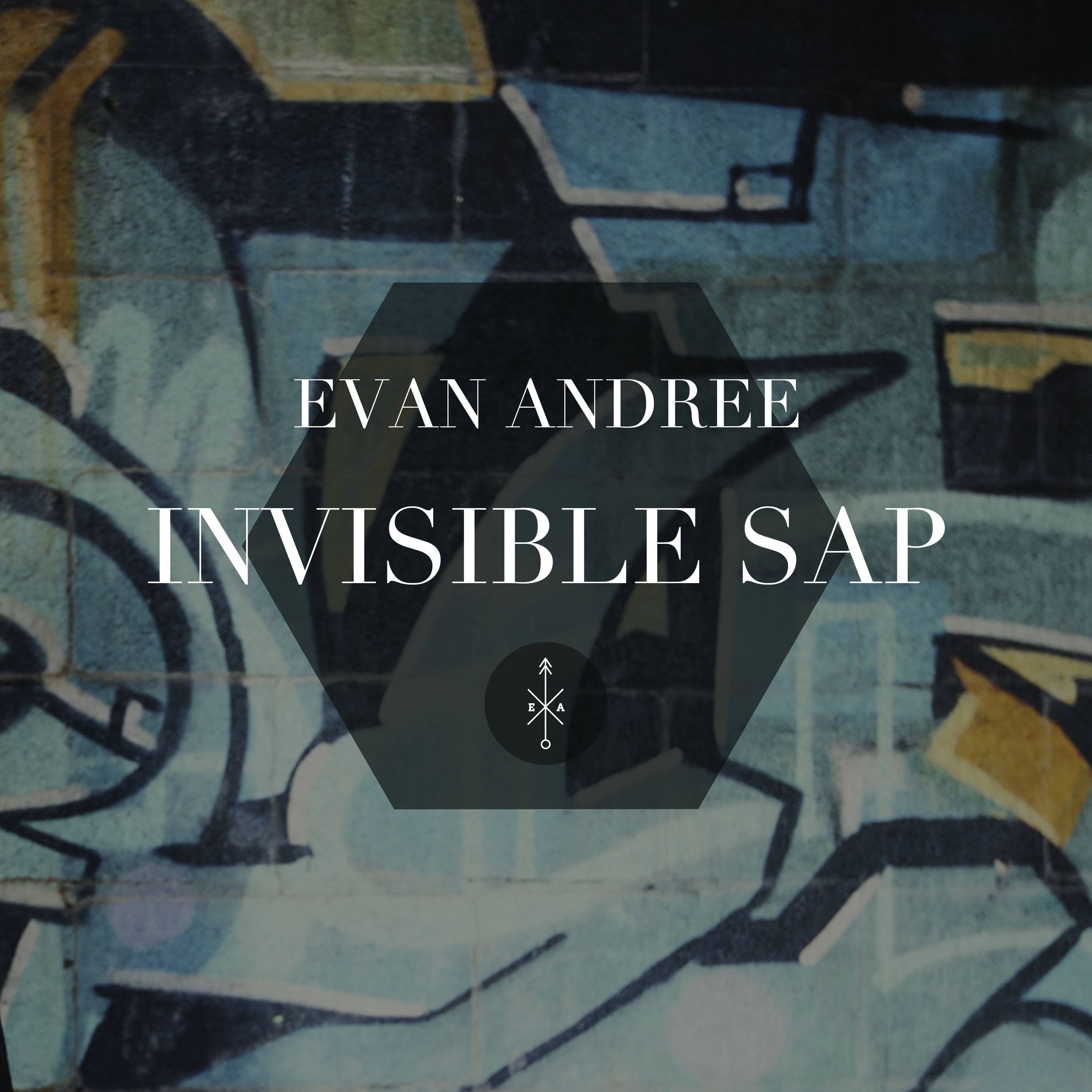
REVIEW: Evan Andree’s Invisible Sap EP
 Evan Andree is an up-and-coming singer/songwriter/producer/music journalist, born and raised in the home of the brave. The Atlanta native’s song Panic (off of his Flags Pt. II EP) has recently been featured in Nike UK’s ad campaign “Find Your Greatness”. Now, Andree has released a new EP titled Invisible Sap, which has been online, accessible, and furthermore, FREE, for over a month now. I took it upon myself to stay in on this fine Friday evening and download this free little musical gem I had been introduced to earlier in the week.
The EP starts off with American Dream, a bubbly number with a modern-day John Mellencamp meets Jacks Mannequin-esque sound (is that too weird?), appropriately singing of those first butterfly feelings that come with young romance. I will admit that at this point in the game, I’m kind of just….eh.
But oh! Wait! There’s more. Track numero dos begins playing, and here is where I realize that perhaps this kid may be on to something. Your Song (thankfully) takes on an entirely different sound than American Dream; slowing it down altogether, giving it a little more lyrical depth, and allowing Andree to become more vulnerably exposed. The song that I claim as my favorite off of Invisible Sap would most definitely be this track – the ending was executed perfectly.
The third and final track titled Mr. Teleportation heavily emotes the aforementioned Jack’s Mannequin sound, but in much more bearable doses. I can say that after listening to this particular track a few times, I really began to enjoy it. It encompasses that same light and bubbly tone that resonates throughout the entire EP, but this track really owns that sound like no other. “Light and bubbly” easily and often translates as generic, but Andree really did something right with this one, setting it apart from all the others who tried and failed.
Invisible Sap will remain free-for-download for a few more weeks and can be accessed here.
My opinions are my own, so don’t just take my word for it – go and create your own!