
Category: Music Reviews

Angel Olsen: ‘Burn Your Fire for No Witness’
If Nancy Sinatra and Joni Mitchell had a love child, it would be Angel Olsen… with a little bit of Karen O from the Yeah Yeah Yeah’s thrown in. Olsen proves her musical finesse and artistic diversity with her new album, Burn Your Fire for No Witness.
Originally from St. Louis, but Chicago-based, Angel Olsen began her career playing in coffee shops and with various bands before striking out on her own and embarking on her own to create solo album, Half Way Home, in 2012.
Burn Your Fire for No Witness, her second solo album that will be released on Jagjaguwar February 18, adds more depth to her sound as she matures her identity as an artist.
Beginning with “Unf—theworld”, Olsen sings softly, but with great depth. Her sound is very raw and stripped down, providing a background from which she ruminates in experiences of love and heartbreak. It often feels if she is singing to the listener from a different era; at times bringing to the imagination the idea that her music is broadcasting out of one of those vintage television sets from the 50s with her fuzzy vocals and vintage sound.
On “Forgiven/Forgotten”, she quickly dives into a heavier rock and roll jam with some punk-rock riffs and a serious dose of girl power. Despite bumps in the road, she asserts her self-assuredness but remarks, “I don’t know anything, but I love you.”
On the quirky and comical “Hi-Five”, jilted lovers and lonely feelings are abundant. This Johnny Cash-sounding ballad follows two people bonding over being deserted and lonesome. “Are you lonely too?” Olsen asks. “Hi-five, so am I.” It is relatable and fun and you cannot help but crack a smile.
These fun upbeat songs are balanced by slow, longing, almost mournful tunes. Olsen’s voice is clear; it is gentle but unwavering as she reflects upon facts of life over simple guitar melodies on songs such as “White Fire”, “Dance Slow Decades” and “Enemy.” From “White Fire” we find where the album title comes from.” If you’ve still got some light in you then go before it’s gone,” she urges, “burn your fire for no witness it’s the only way it’s done.”
Our heart aches with her on lonelier tracks, but more upbeat songs such as “High & Wild” and “Stars” raise spirits; head bobbing and tapping feet are inevitable.
Coffee shop tunes and rainy day music blend with reminiscent and bereft lyrics to create an album that is simultaneously modern and old-fashioned. Olsen’s sound has certainly been developed and cultivated since her first release. As she remarks on “Enemy”, “we might be older now, but is it changing anything?” For Angel Olsen, it certainly is. And it sounds awesome.
New Electric Ride: “Balloon Age”

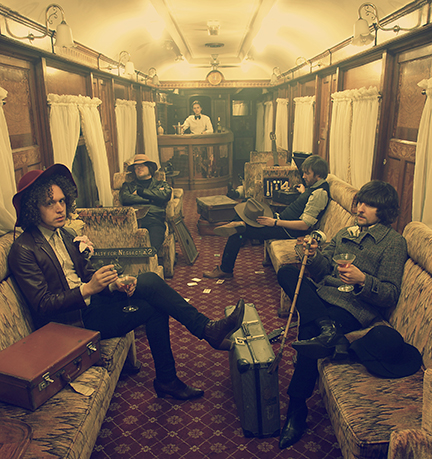
New Electric Ride, the Psychedelic indie rock band signed to Beyond Beyond is Beyond Records, is set to release its debut LP, Balloon Age on February 25th. The album contains psychedelic songs laced with tinny vocals, quirky keyboard, and a flanged up sound reminiscent of The Beatles, but before you go comparing them to John, Paul, George, and Ringo, a few words:
Balloon Age, an apparent ode to The Beatles (specifically Yellow Submarine) manages to pay homage to the Fab Four, while still showcasing New Electric Ride’s unique style. More pop-driven songs like “Bye Bye (Baton Rouge)” showcase the band’s ability to write a catchy hook without sacrificing their sound. Riff-driven tracks like “Lovers” highlight the group’s commitment to creating dynamic rock songs. But still, I found myself constantly comparing the album to the countless hours I’ve spent listening to The Beatles discography. While this comparison can be high praise, it can also be crippling. Whenever any band steps into the arena with The Beatles they tend to magnify their weaknesses and minimize their strengths. Luckily for New Electric Ride, the George-Harrison-style guitar can sound great if a song has enough catchy creativity to back it up – and in the case of Balloon Age, the creativity is palpable with each track.
Generally speaking, everyone’s favorite cook is his or her mom. My mom makes the best chicken piccata that I’ve ever tasted (mad props to Debra). At this point in the review, you’re probably asking, “Colby, why are you talking to me about delicious Italian cuisine and your mom?” What I’m getting at is this: While my mom’s chicken piccata will always be the best in my mind, I still like the dish when someone else cooks it, because that’s my taste. Maybe the sauce is too thick, maybe they forgot the capers… I’m still going to eat it, and nine times out of ten, I’m going to like it. Maybe the tinny vocals and the flanged up sound works better on some songs more than others, but I still like that Lennon sound. The question becomes, is the album a unique, successful expression of a new voice? And in this case, I believe that it is.
At some point or another, every rock band enters into the arena with The Beatles in some way whether they like it or not. I mean, The Beatles are basically the successful older brother that casts a never-ending shadow for the rest of us to live in. Maybe that’s the issue. Is it really fair to judge a band based on the scale created by legends? Even if that band draws creatively from the style of a legendary group like The Beatles? New Electric Ride seems to pose this sort of question in “A Submarine Song.” The band asks “isn’t it mean how no one can dream about writing a submarine song anymore?” Have people like me killed the dream by constantly judging one piece of music, art, or literature in relation to another?
What’s the point in creating music if you can’t dream of being the best? Can’t you at least aspire to write something as iconic and great as “Yellow Submarine?” Just because it’s been done before, can we not draw from and build upon the successful sounds laid down by our musical forefathers? If that’s the case, then I might as well just lay down the pen (or shut my laptop down), because I’m sure that I’ve consciously and subconsciously used phrases and styles from past writers who were far superior and more successful than me.
Look, I know as well as the next listener that it’s damn near impossible to listen to an album with tinny, flanged up vocals with harmony and not think of The Beatles, but before we judge a band based on that criteria, maybe we should consider other things – like how much we genuinely enjoyed listening to the album, regardless of whether or not it was as good as Magical Mystery Tour. There will never be another group like The Beatles or another album like Sgt. Pepper’s Lonely Hearts Club Band, but it’s refreshing to see a band take those sounds and make them their own in an attempt to create something new and great. New Electric Ride does just that with Balloon Age.
I’m done rambling now. Go listen to the album and eat some chicken piccata.
Pillar Point: ‘Pillar Point’

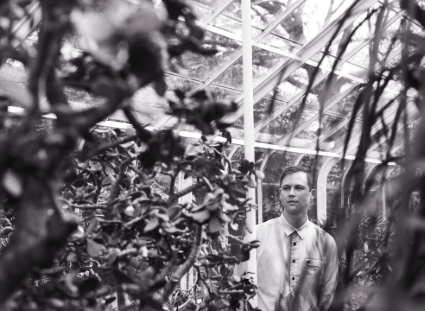
In the music world, indie-pop electronica albums are like Starbucks; there’s one on every corner. So what sets Seattle band Pillar Point and its self-titled debut album apart from the rest? It blends the bright, fast beats and optimistic melodies of bands like The Naked and Famous with smooth, airy vocals reminiscent of Win Butler (Arcade Fire). But Pillar Point is much less in-your-face than other bands. It trades blatant lyrics and assertive beats for a more inconspicuous feel, and in doing so, evokes every emotion from melancholy to exhilaration. The music and lyrics are rather understated, a quality that many of us music consumers who miss the subtlety of music will most certainly appreciate.
While Pillar Point may be a new act to the music scene, the musician behind the project, Scott Reitherman, formerly of Throw Me The Statue, certainly is not. While his musical prowess and experience are evident, he is not afraid to deviate from his usual sounds and winds the music down an unbeaten path in this new album, out February 25th on Polyvinyl Records.
Songs like “Diamond Mine” and “Eyeballs,” at first listen, are instant dance classics, with quick beats that often change pace layered on top of buoyant synth melodies. But Reitherman’s vocals lend an ethereal, vaporous quality to the tracks and are often interjected with smoky, almost hypnotic bridges. Other songs, such as “Cherry” and “Dreamin’” slow down the pace a bit with mellow, dreamy melodies and lyrics that speak intimately of love and heartbreak. Reitherman displays childlike curiosity and playful innocence evocative of our first crush in “Curious of You”, complete with a sneakily woven Blondie reference in the melody and lyrics. Alternately, he tells of love with a distant, experienced wisdom on the next track (“Echoes”).
Listening to Pillar Point feels like floating over the rest of the electronic music we find out there today, dreamily and distantly enjoying the beats, yet also taking time to ponder the profound lyrics. Upon listening to the entire album, it feels as though you have come upon something truly great in a very delicate way. Perhaps the best way to describe Pillar Point is in its own lyrics from “Black Hole.” To listen to this album is “to sleepwalk through a lost empire.”
Fanfarlo: ‘Let’s Go Extinct’
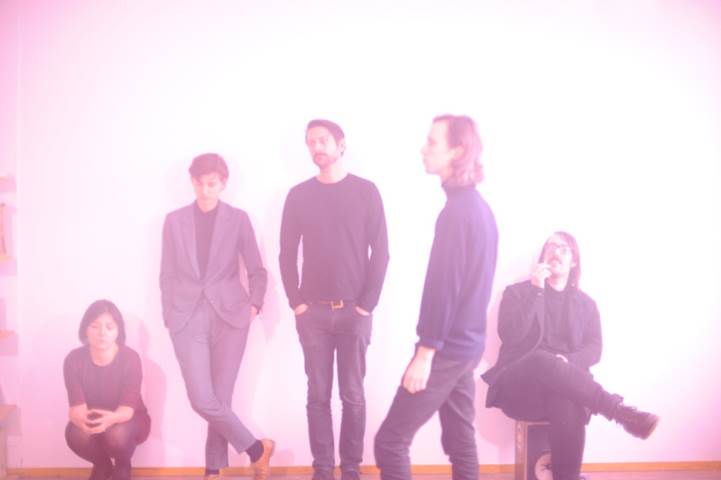
Fanfarlo’s 3rd album, Let’s Go Extinct took me through time and never let up the energy. The London-based band started in 2006. Their first album, Reservoir (2009) seems more solemn with a less technological sound, while their most recent album, Rooms Filled With Light (2012) has a similar experimental sounds as its follow-up, Let’s Go Extinct (releasing February 11). However, the vocals and overall style have remained the same throughout, with echoes and soft melodies that can sometimes hypnotize the listeners, when it’s not causing them to tap their feet.
The album opens upbeat with “Life in the Sky.” The piece starts with what sounds like humming and eerie synthesizers, but the mood lightens with harmonizing vocals. Synthesizers seem to be a main characteristic of this album, in comparison to the two previous, and can sometimes sound futuristic or 80’s like.
“Cell Song” follows with a dream-like melody, accompanied with a tambourine. I couldn’t help imagining a 70’s roller skating rink.
“Myth of Myself (A Ruse to Exploit Our Weaknesses)” slows it down to sweet sounding tune. The sound of (maybe?) a ticking clock brings about the experimental sound of the album. And who can resist a little flute action?
Then, “A Distance” combines a saxophone melody and an 80’s synthesizer sound. “We’re the Future” features surf-like guitar chords and “Landlocked” invokes a tribal dance. It’s amazing how Fanfarlo is able to maintain a specific sound and also combine so many musical styles. “Painting With Life” really caught my attention; it’s the first piece that starts with only vocals, “This is where it happened. We used to go here all the time,” and then cue the distorted keyboard and violin. It really sets the sentimental tone of the song, which the violin really just heightens.
The sensual saxophone returns in “The Grey and Gold”, and a piano is introduced in the hypnotic “The Beginning and the End”. Fanfarlo combines all these instruments, which aren’t normally associated with each other, and makes a uniform and beautiful album.
“Let’s Go Extinct” is the embodiment of this beauty. The song lasts close to 6 minutes and is slow and lullaby-like. It was hard not to just lay down and listen peacefully.
Fanfarlo…please don’t go extinct.
North American Tour Dates
3/24/14 San Diego, CA @ House of Blues
3/25/14 West Hollywood, CA @ Troubadour
3/26/14 San Francisco, CA @ Great American Music Hall
3/28/14 Portland, OR @ Dante’s
3/29/14 Vancouver, B.C. @ Venue
3/30/14 Seattle, WA @ Tractor Tavern
4/1/14 Salt Lake City, UT @ Urban Lounge
4/2/14 Denver, CO @ Larimer Lounge
4/4/14 Kansas City, MO @ Middle of the Map Fest
4/5/14 St. Louis, MO @ Duck Room at Blueberry Hill
4/7/14 Minneapolis, MN @ Triple Rock Social Club
4/8/14 Madison, WI @ High Noon Saloon
4/10/14 Chicago, IL @ Lincoln Hall
4/11/14 Columbus, OH @ Skully’s Music Diner
4/12/14 Millvale, PA @ Mr. Smalls Theater
4/14/14 Detroit, MI @ Shelter
4/16/14 Toronto, ON @ Lee’s Place
4/19/14 Cambridge, MA @ The Sinclair
4/22/14 New York, NY @ Bowery Ballroom
4/23/14 Brooklyn, NY @ Rough Trade
4/25/14 Philadelphia, PA @ Underground Arts
4/26/14 Washington D.C. @ U Street Music Hall
Children of The Stones: ‘Extended Play’ EP
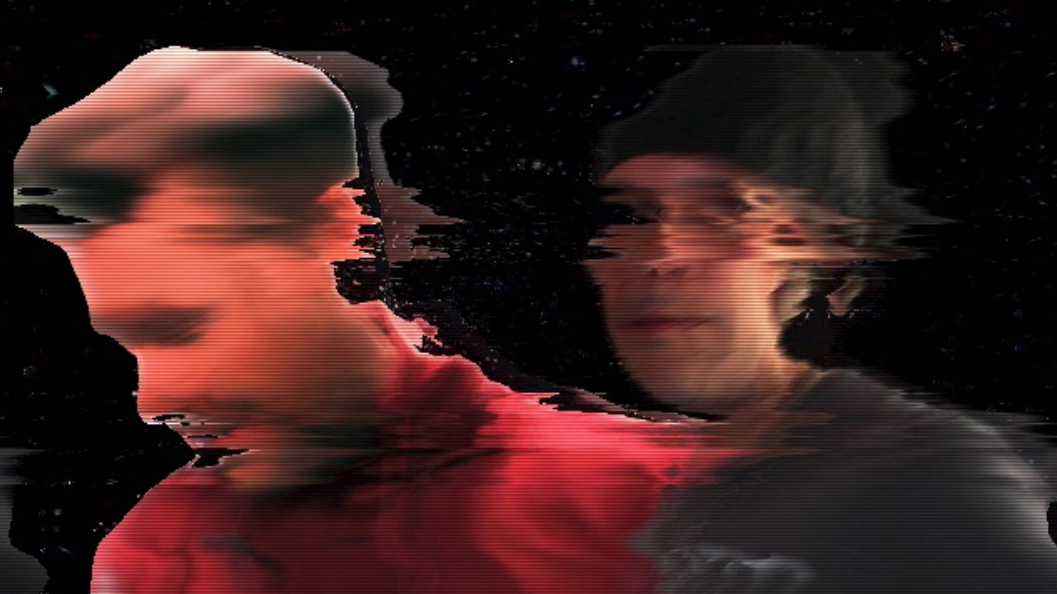
Mark Van Hoen (of Black Hearted Brother, Seefeel, Locust, Scala) and Martin Maeers are set to release two EPs (second is yet to be named) and an LP in the coming months for their new project, Children of The Stones.
Joining them on their upcoming LP, The Stars And The Silence (coming March 25th) are Rachel Davies (Esben & The Witch), Neil Halstead (Slowdive, Black Hearted Brother, Mojave 3, solo) and Al Forrester, plus Angus Finlayson, amongst other friends.
The first EP, Extended Play, is scheduled for release on February 18th and includes four tracks and two remixes of the single “The Stars & The Silence.” This debut release is a transcendental spacey voyage evocative of melodic early 80’s synth. Themed, or perhaps plagued, Extended Play conveys a dysphoric bleakness centered around love’s emotions.
“The Stars & The Silence” is mystic lullaby that hypnotizes the listener into a dreamlike state. This first track and single breathes a lighthearted vibe into the otherwise melancholy EP. As expected, the two remixes found on the EP transform “The Stars & The Silence” into slightly more upbeat renditions without straying too far away from the original edit.
The downtempo soundscape of Extended Play continues with “Your Storm” and its plea to save and be saved by, of course, love. The haunting distress that is “Guiding Light” is underwhelming at best. Although most likely intended, the tempo and vocals seem rather disjointed with low monotonous vocals and overpowering electro beats. “Saudade” follows the same trend as “Guiding Light” with a focus on spacey downtempo sounds taking precedent over dull lyrics that will have listeners straining their ears to understand.
Aside from the first single, “The Stars & The Silence,” for me personally, Extended Play falls short. If it wasn’t for the small number of tracks, it would be hard to tell the other songs apart due to too many droning similarities. Although these other tracks didn’t quite do it for me like “The Stars & The Silence,” I can appreciate the technological approach and the creative use of sounds to make this EP.
Extended Play will be released on February 18th.

Bayside: ‘Cult’

Bayside reminds me of my “sk8r grl” phase (refer to bio), although their first album, Sirens and Condolences, came out in 2004; I was in the 4th grade. However, if I had known of them in my teenage years, I’m sure they would’ve ranked right up there with My Chemical Romance and Good Charlotte (refer to bio). I hope that is not offensive; I really liked MCR and GC. Bayside consists of Anthony Raneri for vocals and guitar, Jack O’Shea for lead guitar, Nick Ghanbarian for bass, and Chris Guglielmo for drums. Bayside’s newest album, Cult, is similar to Sirens and Condolences in its natural and coarse sound. Cult is full of angst and rebellion, very nostalgic of the early 2000’s for most of their listeners. Bayside has come 10 years since their first album and has somewhat become a cult of their own in that the quantity of their followers has greatly increased. And for long-time Bayside fans, this album fits perfectly into their discography.
Furthermore, Bayside is a perfect example of that punk-pop sound listeners must have an “acquired taste” for. Bayside is currently touring with similar styled bands as Four Year Strong, Daylight, and Mixtapes in the Great American Cult Tour. Dates below.
Cult opens with a drum roll and a vengeful guitar in “Big Cheese”. The guitar riffs seem to be specific to Cult, especially in this piece. They are sharp and swift, and somehow remind me of Power Rangers… Interestingly, there are group lyrics, similar to gang chanting. This definitely brings about the “cult” feel of the album, as if Bayside is starting a revolution. It seems an appropriate piece to open. Raneri sings, “I love to be wanted, but all I want is to be loved. Is that so much to be remembered, never swept under the rug?” Bayside makes a comeback and wants their followers to know it, although I don’t think they ever forgot.
Raneri’s rough voice carries the rebellious sound of the album throughout, and the gang singing continues to make his voice seem more powerful, as in “Time Has Come”. Angst is obvious in the lyrics as Raneri sings in “Hate Me”, “We’re perfect as perfect can be. I hate you and, baby, you hate me.” There continues to be a sense of opposition throughout the album, whether it is against the subject of the songs, authority, or time.
“Transitive Property” is a slower melody and somewhat melancholy, but not to the point of depression. Bayside’s soft side comes out when Raneri sings, “You’re my rock, if I’m still yours”. It is a relaxing piece compared to the high energy of the bulk of the album. “Objectivist on Fire” continues the solemn atmosphere with solo vocals.
The album ends with “The Whitest Lie”, which opens with the guitar riff that we hear in “Big Cheese”. Here is the most prevalent use of the gang singing, and Bayside suddenly seems like an army. Bayside isn’t just a cult with a following; it is a voice for the angry and the hurt. They embody grit and heartbreak, and the album ends on an empowering note.
The Great American Cult Tour:
3/5 – Cleveland, OH @ Beachland Ballroom
3/6 – Pontiac, MI @ The Crofoot Ballroom
3/7 – Milwaukee, WI @ The Rave
3/8 – Chicago, IL @ Concord Music Hall
3/9 – St. Louis, MO @ Fubar
3/11 – Denver, CO @ The Summit Music Hall
3/12 – Salt Lake City, UT @ Club Sound
3/14 – Seattle, WA @ El Corazon
3/15 – Portland, OR @ Hawthorne Theatre
3/16 – San Francisco, CA @ Slim’s
3/18 – Pomona, CA @ The Glass House
3/19 – Las Vegas, NV @ Hard Rock Live
3/20 – San Diego, CA @ House of Blues
3/21 – Los Angeles, CA @ House of Blues
3/22 – Tempe, AZ @ Club Red
3/24 – Dallas, TX @ The Door
3/25 – Austin, TX @ Mohawk
3/26 – Houston, TX @ Warehouse Live Studio
3/28 – Ft. Lauderdale, FL @ Revolution
3/29 – Orlando, FL @ Beacham Theater
3/30 – Atlanta, GA @ The Masquerade
4/1 – Carrboro, NC @ Cat’s Cradle
4/2 – Baltimore, MD @ Baltimore Soundstage
4/3 – Philadelphia, PA @ The Trocadero
4/4 – New York, NY @ Best Buy Theater
4/5 – Worcester, MA @ The Palladium

Lydia Loveless: Somewhere Else

I spent the majority of my time listening to Lydia Loveless’ new album, Somewhere Else, fighting an angel and a devil on each of my shoulders. The angel whispered, “Wow! This sounds a lot like Neko Case or classic country badasses like June Carter Cash!” Just as quickly, the devil urged, “I don’t know. Her voice kind of reminds me of Jewel.” By the end of the record, though, the angel ultimately won.
This 10-song, February 18 release seems to center mostly on love and relationships. Not surprising coming from an artist with an old-country sound. What makes this album – Loveless’ third – a bit more three-dimensional are the different angles from which she attacks the topic.
Of course, there are the more conventional love songs. “To Love Somebody” explores the meaning of love to a rather twang-y guitar backdrop, while “Really Wanna See You” is all about lusting after someone from your past. But Somewhere Else’s final track, “They Don’t Know,” really stole my heart. It’s a simple, sweet song of adoration that reminds us a lot of, yes, Johnny and June.
The songs that make this album a knockout, though, are the more complex ones, the tracks that shed a new light on relationships. “Head” is about – well, I think you can guess. Loveless’ guitar solo, paired with the rest of the instrumentals, proves this song to be the closest the release gets to an indie-pop sound. Similarly, “Verlaine Shot Rimbaud,” our favorite track, shocks the listener. From the words sung to the notes played, this song is painfully honest, laying Loveless bare to her audience.
All in all, Somewhere Else is honest, catchy, and classically country. I only wish the tracks had sounded a bit more distinct – by the end of the record, I could barely remember one from the other. Loveless has certainly perfected her sound, but should remember to tweak it every once in awhile.

Be Forest: ‘Earthbeat’

Balance is key in Be Forest’s sophomore album, Earthbeat. The members, the sounds, and the technique all share some element of balance. Similar to nature, the pieces come together to create an elegant whole. Whether or not that’s what Be Forest was going for is unknown, but the listener, no doubt, feels wholesome and fulfilled. The listener envisions forest grounds and can almost smell wet leaves while listening to the album, for it is the essence of nature. Costanza Delle Rose on bass and vocals, Erica Terenzi on drums and vocals, Nicola Lampredi on guitar, and newly added member, Lorenzo Badioli for synth/atmosphere make up the four members of an evenly distributed assemblage from Pesaro, Italy.
Be Forest’s first album, Cold from 2011, embodies winter and is…cold, at times. Still Be Forest maintains their light sound with soft vocals, as in Earthbeat.
Earthbeat opens with “Totem”. The opener is a crucial and interesting piece of any album. It’s a preface of what’s to come and sets the mood. “Totem” is an instrumental piece with tribal drumbeats, which are prevalent throughout the album and create the wild atmosphere that makes the listener feel the need to break out in a rain dance.
“Captured Hearts” follows with deep guitar chords and ethereal vocals that mimic the wind. This happens often, the blending of opposing sounds, specifically dark and airy, but it harmonizes beautifully. Woodwinds in “Captured Heart” and, faintly, in “Airwaves” bring about that earthy, natural beat that the album claims.
“Totem II” acts as an intermission with the reoccurring rhythmic drumbeats and faraway guitar riffs. Intermissions are just as important as the opening. It can act as a break in lively albums or a period to reflect and relax.
The intermission seamlessly transitions into the slower second half. “Colours” follows at a steady pace and creates a languid atmosphere for the second half. The album is capable of using synthetic instruments but creating a raw sound, which becomes meditative. At no point does the album leave the listener feeling restless or weary. In fact, it had a profound effect accompanied with vivid imagery, for me, of nature.
The album is out February 4th.
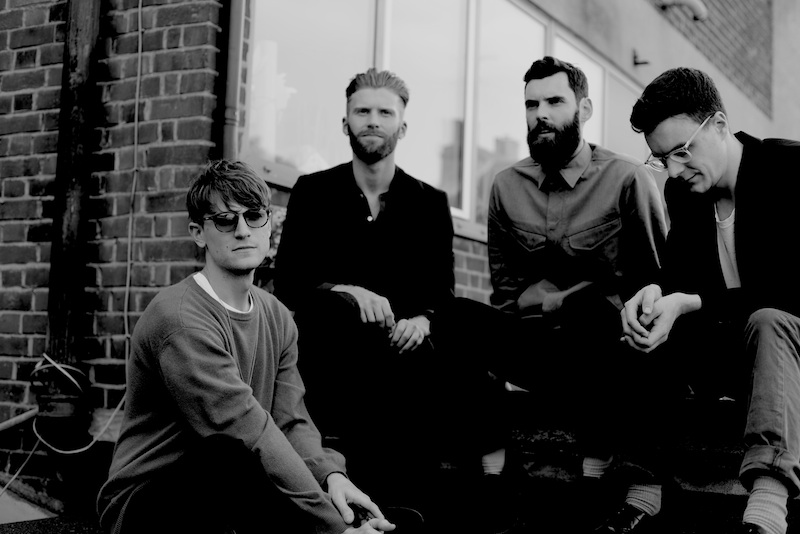
CYMBALS: ‘The Age of Fracture’
Inspired by a poem and truly very poetic indeed, CYMBALS’ debut album The Age of Fracture takes the listener on an introspective journey without compromising its ability to make us bob our heads and dance to the disco beats.
Lending its name from a work by Princeton scholar Daniel T. Rodgers and inspired heavily by British poet Joe Dunthorne, this album layers spacey instrumentals and hard-driving beats with thoughtful lyrics to create an intergalactic disco.
Hailing from the UK, CYMBALS recorded this album with producer Dreamtrak (Swim Deep, Chad Valley, Hot Chip) in his Hackney studio carefully putting each beat, melody, and word in place for a bright, polished, sophisticated sound dripping with deep thoughts and positive energy.
“We can hear the passing of time” sings Jack Cleverly, coolly, wafting over the pop beats, reflecting on the inner indecisiveness and over-complication of our generation on “The Natural World”. The Age of Fracture is abound with interesting comparisons, sweetly singing in the track, “You Are”, “I won’t forget you running down the stairs like it’s the end of another age.” Other tracks, like “Empty Space” feel like Andy Warhol paintings come to life to whisk you away to a party in Greenwich Village. Funky electronic melodies go hand in hand with the dance pop beats to create a lighthearted and fun musical experience.
The album matures as the listener progresses with more dreamy tracks such as “The 5%” and “The Age of Fracture.” CYMBALS continues to explore the idea of our generation not being able see the world in a simpler light, lamenting, “it’s more complicated than that.” When talking about the album, Cleverly writes “It hit me that I often feel paralysed by the feeling that everything is ‘too complicated’, and that many people I know feel that paralysis. I realised that this way of thinking can be traced through these songs.”
The album progresses to more hard-driving beats and funky guitar riffs with “Like An Animal.” Simpler, mellower grooves take over with the focus shifting to the musicality but never forgetting its purpose of exploring the human condition, remarking “you are life’s delicate child” but reminding us “nothing can be solid as a rock.”
“Erosion” and “This City” are pure fun tracks, and the album comes full circle with the track “The End.” Speaking in French over delicate beats, Cleverly adds depth and interest to the music. This track feels like an album hangover, but not in a coffee, sunglasses, and ibuprofen way. This track leaves us buzzing in the warm afterglow of the album, contemplating the ideas CYMBALS has presented us over the course of their work. “You’ve been dancing too much,” Cleverly croons, “you’ve got to turn on the lights”.
The album ends on a positive note, but not before leaving us with one last cool instrumental groove on “Call Me.” The slower, meandering jam is different than the rest of the album but leaves us basking in the ambiance of the album we have just listened to.
Overall, CYMBALS has made an album that makes a profound statement about our generation without neglecting the fun dance tunes drives the indie electro pop genre. You can enjoy this music in the morning with your coffee, at the beach, or on the moon.
You can catch The Age of Fracture when it comes out on Feb. 4 via Tough Love Records and when CYMBALS performs at South by Southwest in Austin, March 11th through the 16th.
CYMBALS TOUR DATES:
03/11 – 03/16 Austin, TX – SXSW
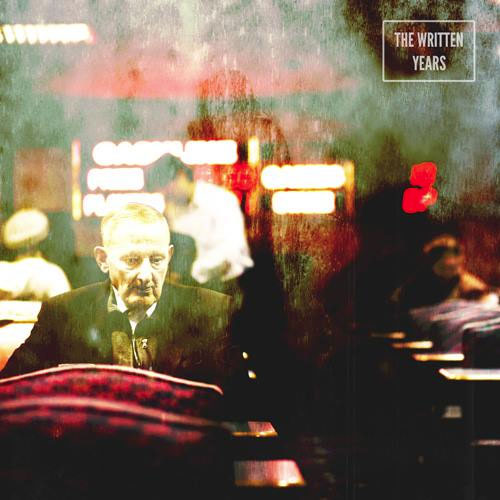
The Written Years: ‘The Written Years’

I recently got a sneak peak (or listen, rather) at The Written Years’ self-titled debut album set to be released on January 28th. With a sound that lands somewhere between Snow Patrol and The National with a hint of Bright Eyes, The Written Years is an album with an infectious sound. The self-titled project tackles themes like nostalgia, loss, and belonging with melodic guitar hooks, honest lyrics, and melancholy vocal vibes.
When I listen to a new album, I generally like to listen to it all the way through in the order that the artist intended. While it’s certainly refreshing to hear an album like this that flows together as a whole, there’s no denying that we live in the age of the single. A time where the album is not often consumed as one dish but received in any number of combinations and doses. While this shuffle psychology tends to isolate one song from the album as a whole, it can also provide the listener with new perspective by connecting tracks that would otherwise be separated by several songs. After listening to the album both in order as well as in a sort of shuffle, I’m convinced that the album’s themes shine through no matter what. This album seems to enter into conversation with this idea as it not only glides from one song to the next, but also contains muddled conversations in “It’s Not Your Fault” and disjointed sounds similar to a scanning radio transmission in “You’re Too Kind.”
It’s incredibly easy to empathize with the words that The Written Years lace their songs with. Thanks in large part to the conflicted lyrics and the inspiring instrumentals, the album managed to make me feel both connected as well as alone (I know,right? Pretty melancholy. Also, pretty awesome). When I was listening to the album I felt both happy and sad. Pure melancholia. It was as if I was seeing an extremely beautiful place for the first and last time, and a part of me knew that this was the only time I’d ever get to see the beauty before me. In this way, The Written Years as an album manages to inhabit the very “cold in between” that lead vocalist Wade Ouellet sings about in “The Station.” That place that feels isolated and alone but is still sometimes called home.
Thanks to Kane Enders’ tight, upbeat drums and Kodie Krogh’s melodic guitar riffs, the album possesses a hopeful sound that juxtaposes the often lost and melancholy moments within the lyrics. The band’s ability to incorporate slower, more-acoustic anthems with soulful Indie Rock songs makes each track unique and endearing. While I feel like I could write for years (insert cheap pun joke) about this album, I’ll conclude with this: The Written Years is a cinematic album that made me bob my head, sing along, stare at my ceiling, smile, and even tear up a bit at times.
Remember, the album drops January 28th! Be sure to buy your copy. You won’t regret it!
Standout Songs: “It’s Not Your Fault,” “You’re Too Kind,” “The Station”