
Category: Music Reviews
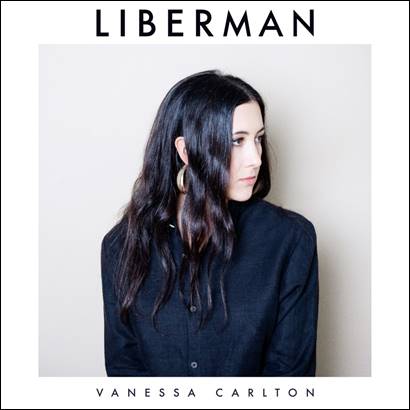
Vanessa Carlton: ‘Liberman’
After the reigning success of “A Thousand Miles” from her debut Be Not Nobody in 2003, Vanessa Carlton released the not-so-popular Harmonium (2004) and Heroes & Thieves (2007). Despite the commercial failures of the two albums, Carlton moved on to release Rabbits on the Run through label Razor & Tie in 2011. Critics viewed the album as “introspective,” with generally favorable reviews on rating websites like Metacritic. Roughly four years later, Carlton has discovered a different sound and a different side of herself. After marrying fellow musician John McCauley (Deer Tick) and having a baby girl, Carlton’s life has changed drastically, and that change translates directly to her music. The singer’s upcoming fifth studio album Liberman explores the sensation of taking time off to do things you actually want to do, and the reflection of self that comes with having a change of pace.
Compared to the immediately recognizable commercial pop of “A Thousand Miles,” Liberman has reached into a smooth synth-pop dreamland. “Take It Easy” starts the album with an unexpected direction. Carlton sounds like Ellie Goulding but with drowned out vocals more commonly found in low-fi tracks. The combination left a calming atmosphere for Carlton to achieve another pop success.
The album is saturated with Carlton’s signature piano hooks, and for “Willow” they open the track up without drawing too much attention from Carlton’s vocal range. “Willow” and “Blue Pool” (track 5) give off the impression of a medieval renaissance pub during the middle of a shanty.
The track is immediately followed by the hauntingly beautiful “House of Seven Swords,” where the lyric “together and we’re still on our own” sets the definition for the album. Liberman has Carlton reconnecting to her roots, discussing major life changes and how they’ve impacted her views. “House of Seven Swords” looks at that angle through a sweet and slightly melancholy glass. “Operator” expands on the themes in “House of Seven Swords” more blatantly. As Carlton says, “pack up your things, I don’t care what you bring, leave your house for a home.” Family is now a huge part of Carlton’s life, and her move from New York City to Nashville had to leave behind emotional impact that is reflected in her music.
“Matter of Time” opens with an acoustic guitar, which is very refreshing after an album of mainly synthetic drift. The track also shows variety in layered harmonies, something that Carlton does magnificently. The stripped down sound accompanied by multiple Carltons singing “when is it time to let go?” is a sincere and heartfelt expression towards the world.
Tracks 6 and 8, “Nothing Where Something Used to Be” and “Unlock the Lock” respectively, show more of the mindset that Carlton has acquired, but with less of the variation that is expected from someone of her musical talent. The tracks are catchy enough, but not near the same caliber as other tracks on the album. While not necessarily a let down, they offer a slightly disjointed feel to the rest of the listing.
The real star of the album is the simple and refined “Ascension.” The first minute of the song is filled with alternating piano chords and synthetic distortion that works suprisingly well together. Carlton sings very little on this track, letting the overall sound speak for itself. A good move. Her very obvious piano skills are highlighted while incorporating stylistic elements of shoegaze around 1:46 to add twists to the straightforward song.
Overall, Carlton has experienced a big move. The lyrical reflections of her path in Liberman are honest, playful, and jarring. By stripping down to the core of emotion, Carlton has tapped into her lyrical strengths while experimenting with sound, resulting in a beautiful calming album.
Check out Liberman, out today, and be sure to catch Vanessa on her upcoming US tour (dates below)!
Tour Dates
Oct 30 Louisville, KY @ Zanzabar
Oct 31 Indianapolis, IN @ The Hi-Fi
Nov 01 Iowa City, IA @ The Englert Theatre
Nov 02 Green Bay, WI @ Meyer Theatre
Nov 04 Minneapolis, MN @ Cedar Cultural Center
Nov 05 Omaha, NE @ The Waiting Room
Nov 06 Lawrence, KS @ The Bottleneck
Nov 07 St Louis, MO @ Duck Room at Blueberry Hill
Nov 09 Columbus, OH @ A&R Music Bar
Nov 10 Chicago, IL @ City Winery
Nov 11 Evanston, IL @ SPACE
Nov 13 Ann Arbor, MI @ The Blind Pig
Nov 14 Pittsburgh, PA @ Club Cafe
Nov 15 Cleveland, OH @ Music Box Supper Club
Nov 17 London, Ontario @ London Music Hall
Nov 18 Toronto, Ontario @ Mod Club
Nov 20 Montreal, Quebec @ Lion d’Or
Nov 21 Ottawa, Ontario @ Mavericks
Nov 23 Hamilton, Ontario @ Molson Canadian Studio at Hamilton Place
Nov 30 New York, NY @ City Winery
Dec 01 New York, NY @ City Winery
Dec 03 Troy, NY @ Troy Savings Bank Music Hall
Dec 04 Northampton, MA @ Iron Horse Music Hall
Dec 05 Portland, ME @ Asylum
Dec 07 Allston, MA @ Brighton Music Hall
Dec 08 Fairfield, CT @ StageOne
Dec 09 Philadelphia, PA @ World Cafe Live
Dec 11 Washington, DC @ The Howard Theatre
Dec 12 Charlottesville, VA @ The Southern
Dec 14 Durham, NC @ The Carolina Theatre
Dec 15 Atlanta, GA @ Terminal West
Dec 16 Birmingham, AL @ WorkPlay
Dec 17 Nashville, TN @ 3rd & Lindsley
Dec 19 Asheville, NC @ New Mountain Theatre
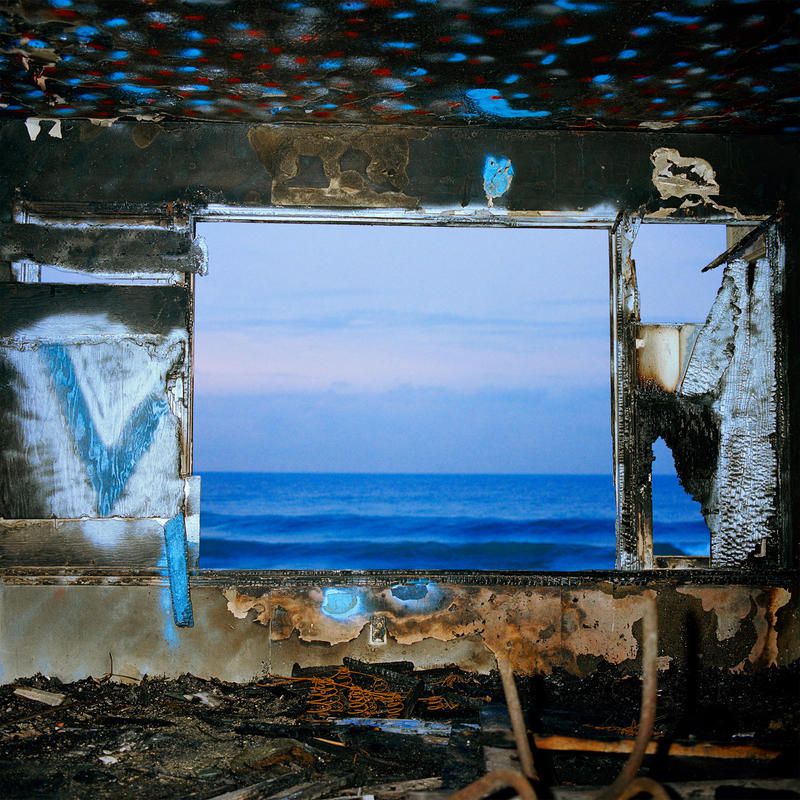
Deerhunter: Fading Frontier
While Deerhunter usually takes an upbeat, noise rock approach in their earlier albums, Fading Frontier exhibits a softer side. Deerhunter stays true to their experimental rock distortions but incorporates a dreamy 80’s synth-laced sound. The indie rock group recently released two singles from Fading Frontier, “Snakeskin” and “Breaker,” two of the more energetic tracks on the album. Check out Vinyl Mag’s review of the music video for “Snakeskin.”
Deerhunter’s previous album, Monomania, relied heavily on raw vocal distortions. While Monomania adhered to Deerhunter’s experimental style, Fading Frontier trails off towards a style of airy dysphoria. While “Snakeskin” initially portrayed a vibrant atmosphere, it is only one of the few upbeat tracks on the album. “Breaker,” another upbeat single, exudes a west coast, surfer vibe. Tracks like “Living my Life” and “Take Care” use a romantic echo effect, overlaid with simple melodies. High-pitched string instruments and twinkling piano sounds create an eerie effect, as heard in “Leather and Wood,” but the album still maintains Deerhunter’s cohesive rock sound.
The album ends with “Ad Astra” and “Carrion,” two tracks that purposely coincide, but why? “Ad Astra” is Latin for “to the stars.” The track ends with a vintage sound clip of a man singing in a Harry McClintlock style, “I wish I were a mole in the ground.” “Carrion” picks up where “Ad Astra” ends as front man Bradford Cox sings in an upbeat tone, “I will become a mole in the ground…It’s much too deep. What’s wrong with me? I can not see.”
In an interview with Stereogum, Cox explains, “There’s no difference in you telling me what you think the song is about and me telling you what I think the song is about, because neither of us are right or wrong.” The album comes together in its unified style. The concept of Fading Frontier coincides with the spacey, dream-like melodies of the album. Perhaps the album isn’t meant to be deeply analyzed but rather listened to as a whole; that is when the true talent of Deerhunter reveals itself.
5/5
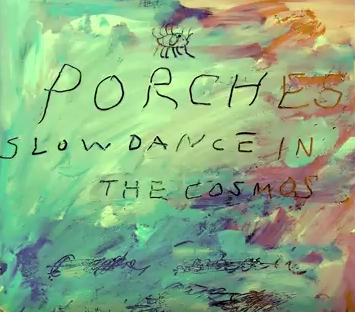
Review: Looking Back at Porches: ‘Slow Dance in the Cosmos’
Sometimes I hear an album I genuinely enjoy, yet for some reason, it slips my mind until months later when I rediscover it with renewed enthusiasm. Porches’ Slow Dance in the Cosmos is one of these albums. I first heard of Porches back in February. I didn’t find the album particularly appealing at first. Aaron Maine, the front man for Porches, fence-sits when it comes to genre; some songs entertain a more indie rock feel while others are rooted in chiptune inspired eighties throwbacks.
Nonetheless, the genre ambiguity wasn’t what turned me off from Porches; it was Maine’s voice. I found it annoying and wavering, as though Maine was riddled with insecurities and self-doubt regarding his abilities as a musician and his qualities as a human being, but not in the eclectic, artfully disheveled manner of indie superstars like Conor Oberst or Stephen Morrissey. After a few listens on late-night Megabuses to Atlanta to see my ex-girlfriend, I set the album aside. I didn’t think it was worth listening to any further, and it didn’t seem to be growing on me. I meant to write up a review back in March, but the album was already two years old at that point so I didn’t think there was much of a point. I was very mistaken.
Six months later, I started listening to Slow Dance again after discovering that Aaron Maine’s girlfriend is none other than the fabulously adorable Frankie Cosmos, whose album 2014 album Zentropy found its way into the hearts of indie lovers and Kevin Kline aficionados everywhere. Cosmos, aka Greta Kline, is also the female lead vocals in Porches as well as the bass player. Likewise, Maine plays drums in Frankie Cosmos’ backing band under the alias of Ronnie Mystery, an homage to his persona Ronald Paris in Porches. My thoughts on Slow Dance underwent a complete shift. I found myself unable to stop listening to it. Maine’s voice, once thought to be grating, became oddly warm and honest.
Perhaps the circumstances under which I first heard Slow Dance left a bitter taste in my mouth, but now, months later, I find comfort in the forthright attitude Maine expresses in his songs. He’s honest, much more than the aforementioned Oberst and Morrissey. His songs aren’t full of false expressions of love or individuality or intellect. He sings how he feels and it’s incredibly refreshing, especially with Cosmos backing him up. You can hear the intimacy in the music they’ve created together.
Specifically, I cannot pick a favorite track. If I were ever to label an album as “complete,” I’d be hard-pressed to find a better candidate than Slow Dance in the Cosmos. From the opening track of “Headsgiving,” an odd sexual ode that deals with mental health, isolation, and love to the final track “The Cosmos,” the album never misses its mark. Stylistically, the songs are as various as they come. “Headsgiving” is clearly more of a progressive indie track, but its follow-up, “Jesus Universe,” is full of synthy cascades and gritty metaphors. But other tracks, like “Xanny Bar” and “After Glow” are significantly different than other tracks; the former being a slow, unplugged acoustic song about a sad sap drunk that runs across a girl in a bar that’s just as much of a sad sap as he is and Maine’s lyrics provide the dialogue between the two characters, Ronnie and Edith. “After Glow” captures the simultaneous beauty and sadness of isolation and loneliness, perhaps most emphasized through its juxtaposition against the cityscape setting described in the opening line. However, “Fog Dog” is perhaps the most complete track, with competing lines and harmonies between Maine and Cosmos. It’s almost balladic with its instrumental and vocal building, with Maine utterly dominating his place as the front man and solidifying his confidence as an artist, yet still holding on to some reservations as any artist in his mid-twenties would do.
As a whole, Slow Dance in the Cosmos is in a class of its own. It’s complete, but unlike any other albums I’ve heard that I regard as such. I love every facet of it. I honestly cannot get enough of it. Every time I listen to it, I find something new. Maine’s presence is prodigious and intimidating. Porches, in my opinion, falls in with the candid honesty of bands like Modest Mouse, Bright Eyes, The Smiths, and others without compromising its own identity. Porches does not emulate its sound, but creates it.
5/5
The Casket Girls: ‘The Piano Album’

On October 17, Savannah natives The Casket Girls are releasing their third album, called The Piano Album through Graveface Records. The three piece group features sister vocalists Elsa and Phaedra Greene as well as Black Moth Super Rainbow’s Ryan Graveface. Although the two previous albums were infused with experimental electronic sounds similar to those used by MGMT, The Piano Album takes a more low-fi approach. With Graveface creating and playing the piano melodies and the Greenes stealing the stage with hauntingly beautiful vocal harmonies, The Piano Album is both unusual and familiar at the same time.
The album starts with the appropriately-titled track “Beginning”, one of three entirely instrumental tracks that mark up the album at the beginning, middle and end. Advertised as the only instrument used on the entire album, the piano sets up The Casket Girls with a simplistic premonition for the rest of the tracks.
“True Believers” follows suite with a gloomy, low-fi piano mixed with the hauntingly visceral double vocals of sisters Elsa and Phaedra. Currently with 471 listens on Soundcloud, “True Believers” is either the most popular (so far) of the album or has gained the most exposure. Either way, the track starts off sounding very similar to the beginning of “Flashlight”, that one song from Pitch Perfect 2 that ended the film on a happy note. Thankfully, it progresses and sinks into dreamy territory with the repeated lyrics “we’re the true believers” melting into the piano melody seamlessly.
Tracks three and four, “24 Hours” and “Nightlife”, showcase the light nature of The Casket Girls. With climbing arpeggios of harmonies that float away with the drowned out piano, the music is reminiscent of bedroom-pop group Fog Lake with lyrical comparisons to contemporary artist Lana Del Ray. The lyrics seem fun due to simple phrases and lots of rhyming, but are actually acute criticisms on human nature. With the Greenes slowly chanting “perspective is subjective, judge and jury” in “Nightlife”, it’s hard to see how something so catchy could possibly be that dark.
The Piano Album does have a lot of darker moments. “Sixteen Forever” is a soft and gentle goth ballad that warns of maturing relationships and the new challenges they reveal. Choruses of “You cannot please me, I cannot please you too” followed by “Only the dead stay sixteen forever” takes the light-hearted melody of the piano and turns it into something far more real. Similarly, “Beyond a Shadow” touches once more on fallen romance and how “love never turns out the way you thought it would”. The true and honest lyrics compare the loss of love to a loss of light in someone’s life, equating in a shadows. Maybe that’s diving too deep into a lyrical analysis, but repeating “the source is gone” in a song titled “Beyond a Shadow” about romance could be used as evidence.
On a different note, “I Talked to God” and “Mermaid Cottage” offer surprisingly uplifting melodies and lyrics to an otherwise spookily direct album. For a group that has the word “gothic” attached to it at all times, it makes the listener redefine their definition of gothic. Bright and poppy female vocals juxtapose beautifully with words like “ouija board” that generally have sinister connotations, leaving a very interesting sound that The Casket Girls have fleshed out entirely as their own.
Overall, The Piano Album is a smooth listen. The melodies created by Graveface are all very different but flow within the same vein as the rest of the album, making a musical harmony that compliments the airy voices of the Greene sisters to a tee. The soft piano and soft vocals make it sound like two elegant women in floor-length velvet gowns with pearls and long ivory gloves are seductively serenading the listener, with overwhelming success. Although the drowned out tone of the album may take getting used to for first-time listeners, The Piano Album will keep you coming back for more.
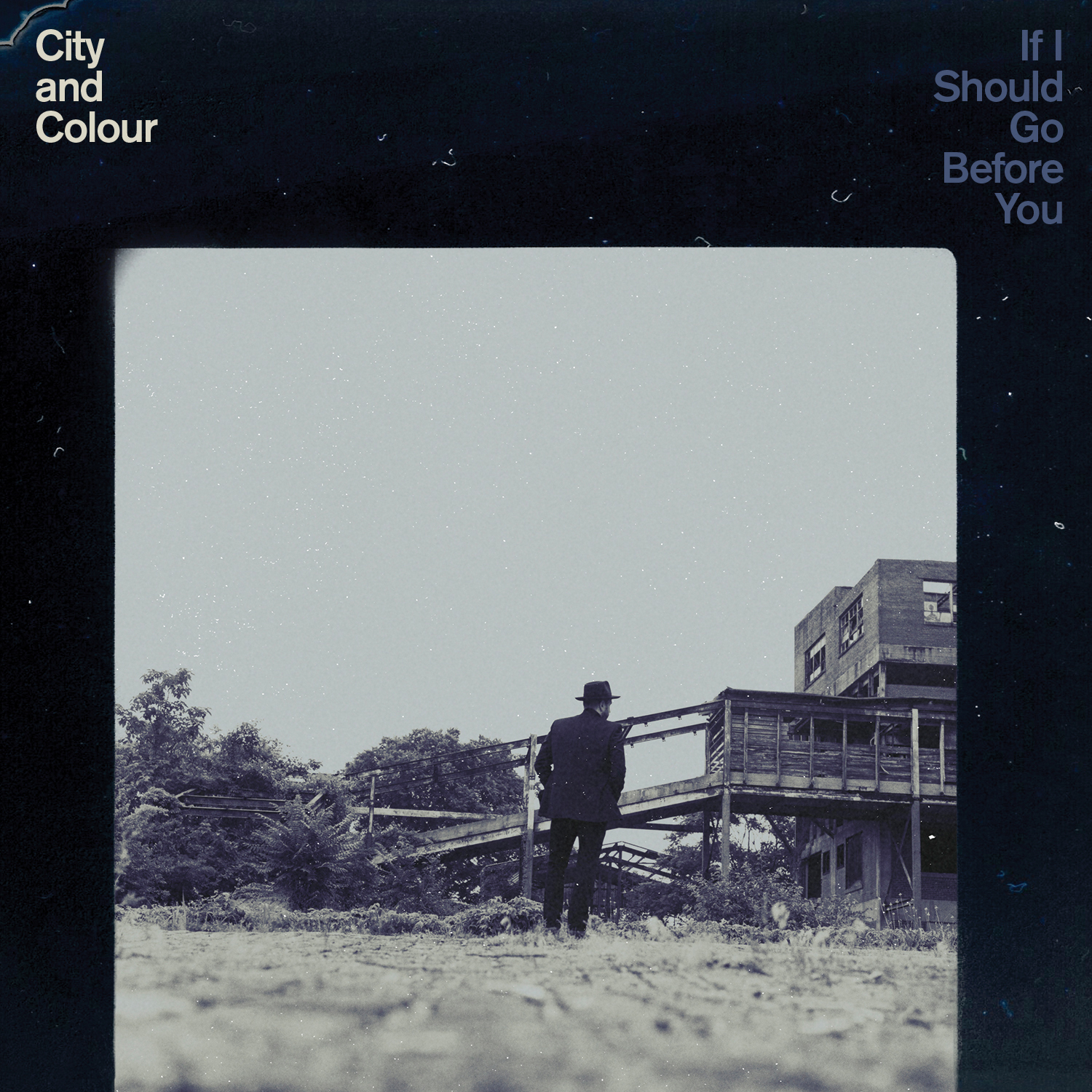
City and Colour: ‘If I Should Go Before You’

If I Should Go Before You is the fifth studio album by City and Colour, and it’s definitely a ride. The main themes of the album revolve around self-rediscovery, unrequited love and being lost within oneself. It’s very easy to see that Dallas Green has lost himself, both lyrically and musically. If I Should Go Before You brings a lot of different elements together in a way that is confusing and accumulates into a heaping pile of questions. From the use of heavily synthesized western jangle-pop for the majority of the album to the constant repetition of lyrics, there’s a lot going on.
The album starts off with “Woman”, which was released as a single in July. The characteristic high and light voice of Dallas Green is very audible, but the real stars of the song are the backing layered guitar pieces. The whole drowning and weaving into a dreamy rock sound can work for some artists, but when you have a voice as smooth as Green’s the overall sound comes out as very disjointed. Having that for a complete 9 minutes and as the opening song brings no real excitement, especially since the lyrics are few and far inbetween once you get rid of the ones that are repeated.
“Northern Blues”, or ‘that drum beat and synthpop combo familiar from 80s cop drama car chase scenes’, really sets the bar high for imitation sounds. It seems like the heavily produced albums are a popular trend right now, but for City and Colour the connection just seems forced. Lyrically, Dallas Green is still pushing through. From repeating “I can hear the devil whisper, pay no heed to what he said”, it’s obvious that Green is fighting some inner demons on this album.
Complete with little synthesized keyboard riffs and a bizarre rock-band guitar progression in the middle of the song, “Mizzy C” is easily one of the most confusing songs on the album. About depression and routine of self, the track goes over touchy subject matter, but the accompanying melodies do the lyrics no justice.
Then, out of nowhere, comes “If I Should Go Before You”. The track that shares the same name as the entire album should be an accumulation of everything the album represents, and this track is quite the opposite. There is a lot of drawing from other pieces on this song, especially for the lyrical content. The song reminds too much of the poems “Do Not Go Gentle Into That Good Night” by Dylan Thomas and “If I Should Go” by Joyce Grenfell. The lyric “dying in the light of day” is too close to “rage against the dying light”, and “if I should go before you” is almost identical to Thomas’s “if I should go before the rest of you”. Another complaint would be the slow electric blues sound, because it doesn’t seem to work well with a minor key-then major key in the chorus. It could just be personal preference, but the surrounding music doesn’t connect with the sadness and overall meaning of the song. It seems very uncharacteristic of Green’s work, and that is off-putting.
Tracks five and six, “Killing Time” and “Wasted Love” respectively, continue moving at the same pace as the first leg of the album. Green sings “lately I’ve been thinking about just who I’m supposed to be” in “Killing Time”, and that is evident in the progression of If I Should Go Before You. For right now, Green continues to draw inspiration too close to that of others. “Wasted Love” sounds eerily similar to “Tainted Love” by Soft Cell, and starting off the song with the phrase “careless love” doesn’t help make a distinction between the two.
The hidden gems of If I Should Go Before You are the last three tracks. “Map of the World” has the right idea, bringing together the mix of western flair and indie pop until it meets right down the middle. The track offers more acoustic instruments that compliment Dallas Green’s voice better than the heavy electric ones do, and it showcases his smooth folksy Morrissey-esque voice a bit more.
“Friends” follows the suit set by “Map of the World” and shows what could have gone right with the album if he had followed that same pattern. The combination of a little steel guitar with overarching acoustic guitars makes a much better impact than all of the synthetic sounds. This continues and ultimately finishes in the final track “Blood”. Why couldn’t the whole album be like these songs? Maybe as a comment on the self-discovery found in so many of the songs prior, “Blood” sounds like Green’s true voice and not what he was trying to be earlier in the album. The addition of the female vocals harmonizing with Green’s for the last set of lyrics “I think we finally found a home in this place” and “I know there’s beauty buried beneath” complete a full circle of resolve within the confusion.
Overall, City and Colour brings an interesting commentary on their typical folksy sound mixed with the current popular trends in music. They show that it doesn’t work for everybody, and that is okay. If I Should Go Before You has redeeming parts, and will leave newcomers content but possibly push away more traditional listeners because of the difference in technique and style. It’s not a bad album by any means, but it’s also not the best.
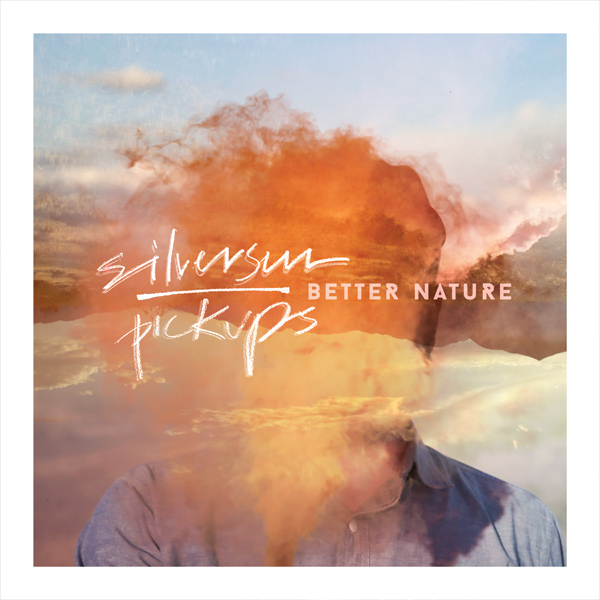
Silversun Pickups: Better Nature
Silversun Pickups stand true to their signature indie rock sound. In their 5th full-length album, Better Nature, synth pop beats and ambient melodies contrast with rock riffs. Front man, Brian Aubert’s, androgynous vocals harmonize with back up vocalist, Nikki Monninger for a lingering, airy effect. The soft vocals alleviate the subtle guitar distortions. Aubert describes the album as “its own quantum universe. It’s kind of unstable.” Since their start in 2005 with Pikul and Carnavas, Silversun Pickups has been one of those hidden gems of a band. It wasn’t until Swoon in 2009 that Silversun Pickups came to define a part of my own personal history. With classical violin melodies and raw rock riffs, the contrast gave the album an eerie, but catchy tone.
Better Nature leans more towards the rock-pop sound but still utilizes the atmospheric sounds prevalent in previous albums. Better Nature opens with “Cradle (Better Nature),” a rhythmic, synth-laced track with repetitive, riot-like lyrics. “Pins and Needles” follows as one of the more popular tracks. With an ambient opening, the track immediately cuts to a sonorous riff. “Nightlight” follows the same format with the transition from a quiet, slow opening to Silversun Pickup’s signature deep rock rhythm. The album really makes use of echoed background shouting which gives it that pop feel but pulls back from being too electronic with the raw guitar melodies. “The Wild Kind” finishes up the album with a synthesizer opening and an upbeat melody.
Perhaps Aubert has a point calling the album its own unstable entity, but the Silversun Pickup succeed in taking their music slightly into a different direction than usual. They straddle the line between indie-rock and synthetic pop without giving either genre too much credit. In that way, the album and the general sound of Silversun Pickup is original in its own way.
3/5
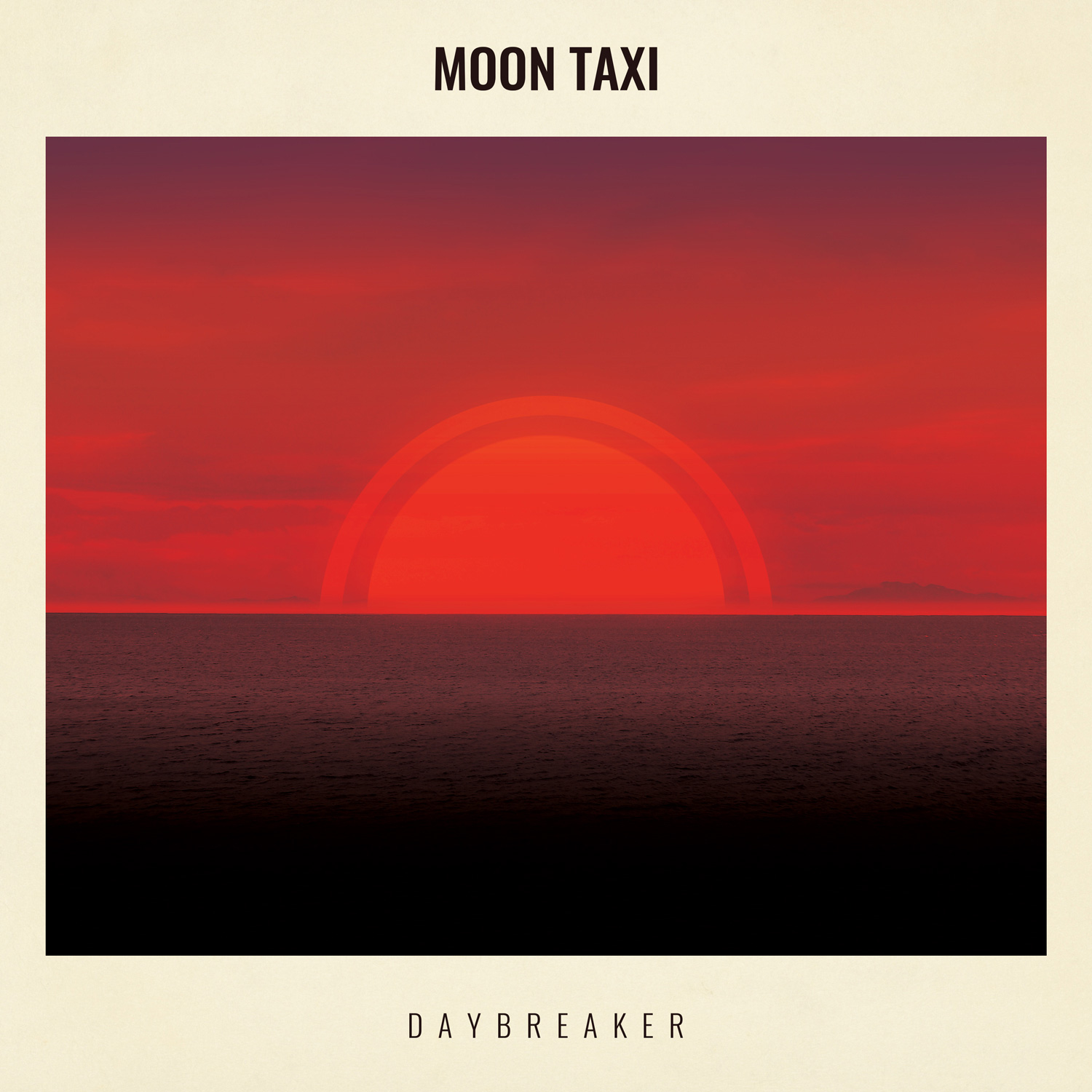
Moon Taxi: ‘Daybreaker’
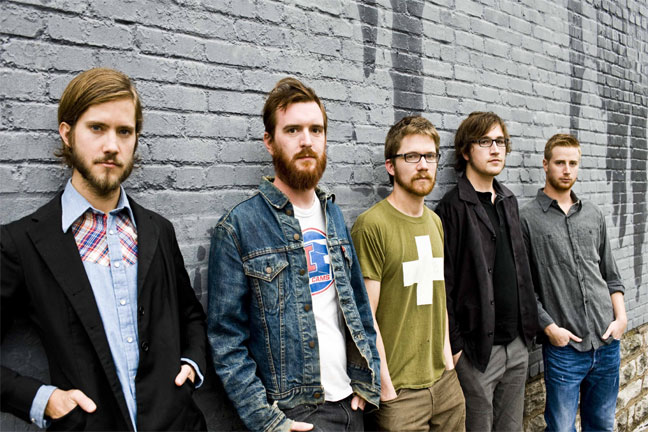
The catchy melodies and soulful lyrics that made you fall in love with Nashville band, Moon Taxi, are back and in full force with the release of Daybreaker. The five-piece band released their debut album, Melodica in 2007 and from there, quickly released a series of successful albums in 2012 and 2013. In their latest album, the band incorporates the heartfelt lyrics and alternative/rock sound that fans have come to know and love, creating an album that is enriched with emotion and undeniably creative.
As a whole, the album focuses around the theme of love–both lost and found. Although this is not an entirely new theme for the band, Daybreaker touches on the more personal aspects of the band’s lives than previous albums, making it a genuine and rare find. With expressive melodies and lyrics you can’t help but sing along to, Moon Taxi has the ability to draw in fans from genres all over the board and their latest release holds true in this capacity.
As the tracks flow from lost love to found, so do the rhythms of each song. “Year Zero” starts off the album on a heavier note, a slow groove with an undeniably catchy chorus. The heavy chords of the first track are a stark contrast to the bouncy “All Day All Night.” Along with “Year Zero,” this was a track released earlier in the year that gained significant popularity with fans on Spotify and YouTube. As the album flows into the next track, “Run Right Back,” the theme of longing for love is notably expressed. The wistful harmonies featured make it one of my personal favorites on the album and the romantic lyrics “I would go forever just to get where you are” are easily relatable to missing your loved ones.
It’s apparent that Moon Taxi’s music is genuine, this trait shining through with enthusiasm on tracks like “Savannah,” “Who’s To Say?,” and “Always.” The band’s mature sound also shines through on this album, with soft instrumentation to highlight their lighter side and heavier guitar riffs to highlight their need for rock and roll. The track “Ready To Go” brings this to light because, although mellow in nature, the song has an undeniably catchy chorus and captivating instrumentation. The short monologue in the middle brings an interesting, unique element to the song as well that fans have not heard in previous albums.
As the heavier sounds of “Ready To Go” come to a close, the opening chords of “Red Hot Lights” set the track up to be one of the livelier on the album. A fiery track, just like the title suggests, the lyrics “But you’ve got the fight in your eyes/ And now it’s shining on the red hot lights” inspire you to get up and make a change, fighting for what you want. The enthusiastic nature of these lyrics sets up the perfect finale with the closing track, “Rooftops.” The light instrumentation in this song really gives the listener a chance to focus on the emotionally heavy lyrics and delicately intertwined harmonies. As the closing lyrics end with “We spent the night on the rooftop/ Between the streets and the stars,” the listener is left in a wistful state between dream and reality–the perfect destination in the overall quest for love.
Daybreaker is an enchanting listen from an accomplished band. As they tell their story of losing love and finding it once again, you will find yourself equally enriched in the journey and inspired by their soulful blend of rock and roll. No stranger to the Athens stage, I can’t wait to see where this band will go next.
Essential Tracks: “All Day All Night,” “Run Right Back,” “Make Your Mind Up” and “Rooftops”

Futurebirds: ‘Hotel Parties’
Everything you know and love about Athens, GA band Futurebirds remains in their newly released studio album, Hotel Parties. The twangy hollered harmonies, the distinguishable fusion of country and atmospheric indie rock influences, and the lingering reverby sound can all be checked off the list, yet this time in a more polished package. The rambunctious band, whom I first had the pleasure to see in 2012, has cleaned up their style a bit. But don’t be fooled; this album has the band’s name written all over it.
Hotel Parties, which is the band’s third studio LP, is an ode to the duality of life. Futurebirds guitarist Thomas Johnson adds that it is about “the give and take of life; dreams vs. reality; loving vs. longing; wanting to grab life by the horns vs. needing to chill…I could go on forever. With a touring band, the home vs. road theme comes to the forefront daily.” It is simultaneously an anthemic roll your windows down kind of album that you can also listen to before going to bed. Either way, the album brilliantly captures the band’s outerworldly sound and energy; truly, it features some of their best work to date.
To kick off their promotion tour, the 5-piece band came home to the Georgia Theater in Athens, GA to give their fellow Athenians a first glance of this stunning work. The 11-song record was highly anticipated among their many fans, as they have steadily gained traction outside of Athens since their forming in 2008. For what seems like one endless tour, they have made their mark at many reputable venues and festivals. This fall will be no different; their tour schedule features dates in both Southern college towns and large metropolitan cities to promote this album.
Be sure to check out Hotel Parties as well as one of their live shows if you get the chance; these Georgia boys will not disappoint.
10/02 – Mercy Lounge – Nashville, TN
10/03 – Zanzabar – Louisville, KY
10/04 – Cosmic Charlies – Lexington, KY
10/06 – The Bishop – Bloomington, IN
10/07 – Southgate – Newport, KY
10/09 – The Southern – Charlottesville, VA
10/10 – Black Cat – Washington DC
10/11 – The Camel – Richmond, VA
10/13 – Mothlight – Asheville, NC
10/14 – Revelry Room – Chattanooga, TN
10/15 – Saturn – Birmingham, AL
10/16 – Montgomery Museum – Montgomery, AL
10/22 – Proud Larry’s – Oxford, MS
10/23 – Martin’s – Jackson, MS
10/24 – One Eyed Jack’s – New Orleans, LA
10/27 – Lightbulb Club – Fayettesville, AR
10/28 – Riot Room – Kansas City, MO
10/29 – Rose Music Hall – Columbia, MO
10/30 – The Bootleg – St. Louis, MO
10/31 – Subterranean – Chicago, IL
11/02 – Beachland Tavern – Cleveland, OH
11/03 – The Basement – Columbus, OH
11/04 – Mohawk – Buffalo, NY
11/05 – Higher Ground Showcase Lounge – Burlington, VT
11/06 – Great Scott – Boston, MA
11/07 – Press Room – Portsmouth, NH
11/10 – Iron Horse – Northhampton, MA
11/12 – Bowery Ballroom – New York, NY
11/21 – Music Farm – Charleston, SC
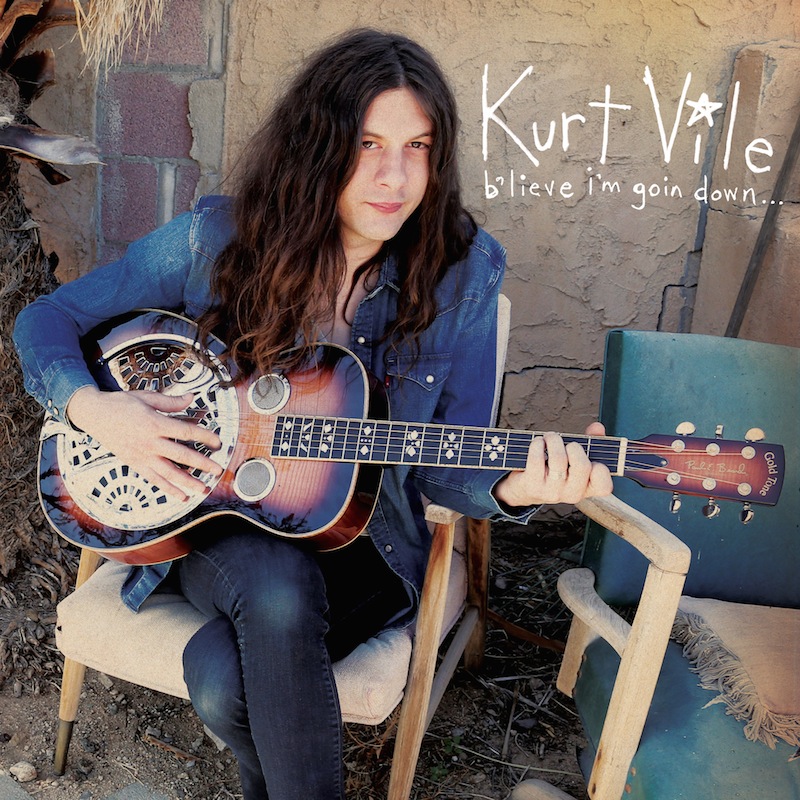
Kurt Vile: b’lieve i’m goin down
Kurt Vile’s new album, b’lieve i’m goin down, opens with “Pretty Pimpin.” The riff immediately implants itself in the listener’s mind and forces him/her to learn the lyrics. Vile, formerly of The War on Drugs, exhibits a lingering twang, ironic considering he hails from Philadelphia. His country-tinged rock combines synth-laced beats to create catchy, western melodies that make any listener feel a little bad. “Pretty Pimpin” is just one of many popular singles from the album. The track begins with a foot stomping melody and transitions into Vile’s raw vocals. With the monotone fluidity of Leonard Cohen and the inflections of Lou Reed, Vile comes through with a stripped down album of genuine lyrics and haunting melodies.
Vile’s bluegrass background reveals itself in “I’m an Outlaw.” A synthetic beat compliments Vile’s banjo fingerpicking to produce a western, country vibe. The fingerpicking continues in “That’s Life, tho (almost hate to say)” with heavy acoustic sounds. The track is softer, and its simplicity allows Vile’s deep vocals and lyrics shine through. Another popular single, “Life Like This” moves away from the southern style to a evocative piano melody.
Vile’s rough-cut style combines his bluegrass background with modern alternative styles. Vile’s smooth but distinct vocals soften stark chord changes. Likewise, Vile is just as capable of producing a slow, sweet track like “All in a Daze Work.” The album really speaks to Vile’s progress since the start of his solo career in 2008 with Constant Hitmaker. Don’t let Vile’s long, tangled mane intimidate you, his songs are lovely and comforting.
5/5

Alex G: ‘Beach Music’

Alex Giannascoli, more commonly known as Alex G, is a lo-fi bedroom pop artist from Pennsylvania. Although he has tons of albums currently on Bandcamp, Beach Music will be the first released under the record label Domino Recording Company. Beach Music features the same good old Alex G with smooth and fuzzy vocals, but this time introducing a variety of rhythms to the mix. With melodies ranging from ‘80s crime drama theme songs’ to ‘blues-influenced western steel guitar,’ Beach Music gives a dreamy and effervescent performance.
Beach Music is a mashup of everything: genres, melodies, vocals, rhythms, you name it. Every song contains at least two different types of each, which normally should not go together so well. Alex G manages to bring together harmonies with styles of music in a way that flows from song to song in a continuous motion, with each element building on the other throughout the album.
The only thing that remains consistent throughout the album are the lyrics. Alex G is known for relating his songs to the inevitability of growing up and the hardships accompanied with difficult topics like psychological disorders and illness, broken romances, and discovering the true nature of oneself.
It’s easy to see that at play during the introduction to the album, nicely titled “Intro.” Sounding like garage noise, the track is short and leads into the slower and more “head bob along” track “Bug.” On Bandcamp, the only songs from the album available for preview are “Bug,” “Kicker” and “Salt,” complete with lyrics for each.
According to the comment section, fans are already falling head over heels for “Bug,” which is understandable (it’s one of my favorites from the album). “Kicker” however, is not high up on the list mainly because of the lyrics. Something about saying “white bird” over and over with the same vocal melody just drags the song on for longer than is needed. Aside from that slight blunder, there’s a lot of bird imagery in Beach Music, matching the lyrics with the drifting organ and guitars.
Track 5 brings something new to the table. “Salt” dives in with machine-orchestrated power drums like you’d find in classic hair metal but then pairs it with diluted electric guitar riffs that sound oddly close to the Twin Peaks theme song. It doesn’t seem like it would go together, but Alex G can pull anything off. Should he add a quick organ chord progression in the middle of the song with no backing sound? Of course. Backing choirs of muttled children and adult vocals? Why not. A slightly remixed beat that only shows itself for a few seconds then disappears for the rest of the song? You bet. “Salt” is a break-out for the album, because it ties in so many different approaches to self-made music and instead of falling flat it adds dimension.
I’m going to skip “Look Out” and head straight to “Brite Boy,” which is another that shows exactly how flexible Alex G is with his music. The track starts off with a kid’s vocals: “Brite Boy I can help you if you let me take your hand” only to have G take the reigns with “bring you right to promised land” and then switch back off. Having a deeper and older voice in a lyrical call-and-response with a pre-pubescent voice makes this song a lighthearted listen. Although the melody and lyrics are relatively simple for this song, the easy-going and poppy guitar makes it a nice break from slower tempos.
Immediately following that uplifting track is “In Love,” a dreary ballad complete with trumpet, old-style piano, and fuzzy interference in the background. Luckily, the fuzz sounds almost exactly like rain, which paired with the bluesy nature of this track works magically well. G takes on a scratchy and strange voice that sounds similar to someone you’d find in Dr. Dog, which fits perfectly seeing as a lyric in the song is actually “scratching in love.”
“Walk” (track 9 just for organization’s sake) is an instrumental that is very welcomed. It breaks up the album between two songs that are both relatively slow and monotonous, then quickly builds up sound into a bright and poppy intermission between halves of the album. The final track “Snot” follows the same pattern, ending the album on an instrumental mesh.
Most artists chose to have their most influential track listed last on the album to make it stand out more, but Alex G uses an instrumental. More than just an interesting stylistic choice, it offers nice closure to a pretty all over the place album. The absence of lyrics gives time for things to come together, and if you listen to the album on repeat then it flows right back to the beginning like a continuous loop.
In between track 9 and 13 are a mix of interesting songs, but the one that (in my opinion) stands out the most is “Ready.” It uses guitar and bass with a Western-influenced flair that may just be interpreted that way because of the blurring technique used on the album, but for 4:22 minutes, it’s still very fresh.
Alex G is pretty much the next posterchild for abstract lyrics, and Beach Music shows an evolution that calls for multiple listens to get all of the meanings. It took the second or third listen to notice that the particularly upbeat songs owe their catchiness to their simple and effective rhyme scheme. It’s an extra tid-bit that’s pretty interesting.
It may be something about lo-fi music as a genre, but that specific piano sound is found in almost every single lo-fi song I’ve ever listened to. That makes it difficult for most lo-fi artists to stand apart from the others. However, Alex G took that same muffled and drowned-out old school piano and matched it with so many other instruments that there’s no way Beach Music isn’t one of his greatest releases yet. Pair all of that instrumental praise with his growing armory of lyrics, and you’ve got something great.
Beach Music will be released on Oct. 9, 2015.