Vinyl Mag
Menu
  • About Us
  • News
  • Reviews
    • Music Reviews
    • Show Reviews
  • Interviews
    • All Interviews
    • Vinyl Video
  • Features
  • Vinyl Recommends
    • Playlists
    • Year-in-review
  • MBUS
Menu

Amy Anderson

Amy Anderson is a Magazine Journalism major at University of Georgia. She enjoys reviewing music and film of all kinds, and hopes to add more to the experience of listening or watching by adding critical perspective and showing various sides to works that audiences love (or hate, or feel indifferent towards). As well, when writing features, she strives to offer a glimpse into the artist’s creative process or ideology through engaging stories or thoughts. Her goal is to offer audiences unseen insight on creative works while opening eyes to worthwhile music and art. Amy's current five favorite musicians— though it’s always in rotation— are Andrew Bird, Beirut, Björk, John Maus, and Milosh. Her "guilty" pleasure is Robyn— if you don’t like her, you’re probably just pretending.

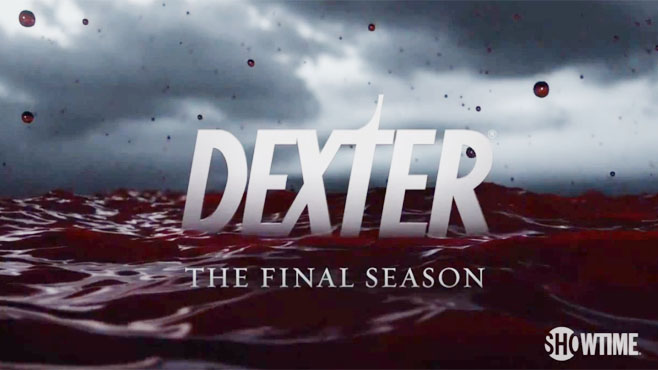
Yeah Dexter, We Remember the Monsters — Do You?

Posted on September 25, 2013May 2, 2014 by Amy Anderson

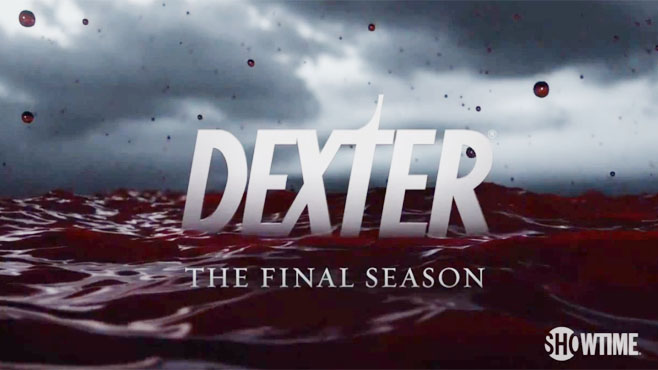
When we invest 96 Sundays into a series that should have ended four stale seasons ago, we don’t want a fairytale ending — we want shit to go down.

Dexter could have left with dignity.  It could have spun full circle with poetic justice, blindsiding viewers by what we claimed to want but suddenly regret.  The credits could have read like an obituary in the aftermath, paired with Dexter’s devastating “Blood Theme” with that aching violin.  The series finale could have been a successful close — it could have been the finale of season four instead of eight.

It’s a tough blow to watch sloppy storytelling replace Dexter’s eerie suspense while melodramatic mediocrity replaces his once-witty narrative.  Since season five, he’s regressed from a “neat monster” who happens to have a son, to a boring father who happens to kill people— in ways implausible to any other television show.  Sure as a blood spatter analysis he can sneak clues from the Miami police department, but getting away with murder in an airport or being allowed first entry at crime scenes is something else. After seeing his mother dismembered in a shipping container as a child, Dexter (Michael C. Hall) has an intrinsic need to kill.  But has anyone asked series writer James Manos if Dexter grew a need to be Amelia Bedelia?  Dexter forums estimate that Dexter has killed at least a hundred people under his moral code to be certain each victim is a murderer too — buying into this and seeing his rushed ‘the world is my kill room’ behavior, we’ve been a little confused.  Then again, of course he’s always unscathed — each character is oblivious to the point of stupidity in a show that’s become a parody of itself.

Season eight’s over-the-top plotline sees Dexter working with a British psychiatrist on the hunt for a new killer in Miami nicknamed “the Brain Surgeon,” who sends her jars filled with pieces of brains floating in formaldehyde.  Apparently every third person in Miami is a serial killer… I wonder if it’s my aunt, my grandma, or my grandpa that I should fear.

Like most of Dexter, there’s little surprise when the finale, “Remember the Monsters?,” finds Dexter in a face-off with the season’s killer.  Similar to all seven of the other season finales of Dexter with the exact same scenario, the overarching question for a good chunk of the episode is “will Dexter get the killer?”  The sentiment feels like an episode of Scooby Doo watched as background noise— is seven times not enough to make a trend?  While there is another major plot line driving the finale, the sentiment is the same filtered into a different genre.  While Dexter is heading towards his face-off, he’s also trying to reach a happy ending with his girlfriend, who returned halfway through the season from his past love life.  To remind us that Dexter is a dad and to make us feel warm and fuzzy (wait, isn’t this a show about a serial killer?) Dexter’s son —either the most convincing doll ever created or the most terrible child actor of all time— tells him that he also loves Dexter’s girlfriend, in the most sitcom-esque way possible.  The fairytale ending is near, but with cringe-worthy cliché hints of “a storm coming,” the biggest question in the finale is the same question we’d have in a romcom — “will Dexter end up with the girlfriend and the happy family?”

A massive amount of what happens in the finale of Dexter seems obvious and expected, but there is one major plot point that would have seemed monumental in a previous season of Dexter.  If it hadn’t been rotting of plot holes, cheesy reactions, and Dexter’s constant hidden ability to freeze time while he does stupid things that he’d definitely get caught for otherwise, we would have been surprised.  But when anything goes and no questions are asked, it’s too hard to care — then again, maybe I missed something as I was rolling my eyes.

We didn’t want a happy ending — and Dexter didn’t give it to us.  The finale didn’t mend or break our hearts, and it definitely didn’t swing full circle as a series — perhaps the writers gave up and left that job to Breaking Bad.  Instead, the Dexter finale didn’t do anything.  It gave us a let-down on all fronts, as we watched eight whole seasons just to get the last Dexter quote to define the series: “I would change everything if I could.”  I would too, Dexter — starting with my time spent watching the past four seasons.  Dexter is off the air, and as it turns out, my black screen is equally as satisfying.

 

Austra: Feel It, Live

Posted on September 20, 2013October 8, 2013 by Amy Anderson

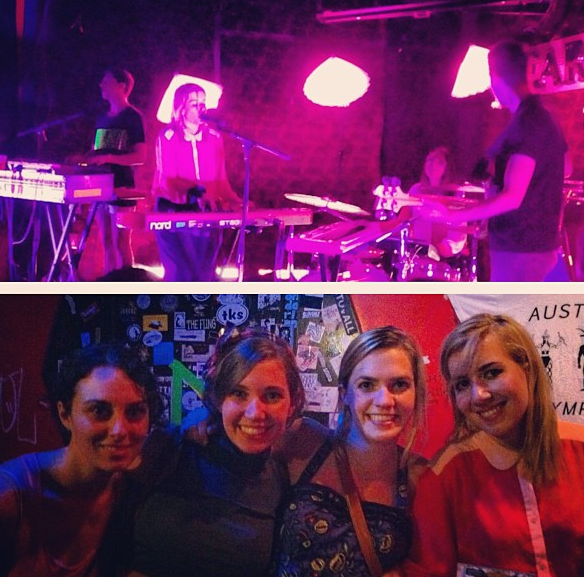
I didn’t tear up during Austra’s heart-wrenching “Home,” with Katie Stelmanis’ opera-trained vocals and strong repetitive keyboard transitioning into upbeat —but still terribly lonely— electro-pop.  I wasn’t alone in my car this time; I was at a dive-bar and venue in East Atlanta called The Earl, staring at Stelmanis’ knee-length culottes and platform shoes, the neon blinking umbrella-lights, and the instruments amid the ever-glowing MacBooks…and I was dancing— I hate dancing.

My rhythm-less moves were irrelevant — Stelmanis herself dances like a football player stretching, shifting her weight between feet as she squats behind the keyboard.  “So, I dance with nothing/ So, I dance for free,” Stelmanis sang, opening the set with “What We Done?,” a reminder that if music moves me, it’s my move to make.  Perhaps it was this that let me lose myself; perhaps it had something to do with the comfort brought by her casual presence in the crowd during the opening band, DIANA.

If I hadn’t already noticed, DIANA’s frontwoman, Carmen Elle, still would have given away the band’s whereabouts.  “Out of all the bands we’re touring with, Austra is our favorite,” Elle told the audience, pointing out the members and coiling back, admitting her ‘dad joke,’ as the two Toronto-based bands are the only ones on the tour.  Elle’s conversational nature flowed throughout their set like their heavy bass, personifying the band’s dreamy chillwave not only with her ethereal airy vocals but also comments to the crowd.  Slowly grooving in an oversized tee shirt and a baseball cap, while occasionally sipping from a mug rather than the usual bottled water or can of beer, Elle seemed a model for the tranquilized sleepy 80’s sound of DIANA.  With only one eight-track album, Perpetual Surrender, the setlist was hardly a surprise, though the show allowed amplification and improvisation as everything got a few notches louder, faster, and more melodramatic.  When DIANA closed with New House, which was cheesily dedicated to Atlanta, the audience seemed sadder to say goodbye than impatient to get on with the headlining act — a rarity as refreshing as the word “y’all” seemed to be for Elle.

This sentiment drastically reversed with the arrival of the fashionably late.  Anxiety grew with cramping of the front row, and the many minutes spent waiting seemed longer as the members of Austra could be clearly seen past the corridor marked “EMPLOYEES ONLY.”  Single-file, they stepped onstage — the female drummer, the swankily dressed bassist, the male keyboardist in shorty shorts and lipstick, and the beautiful face and voice of the band, Katie Stelmanis.  Applause settled, and with the quiet open for “What We Done?,” Stelamanis’ vocals were naked and fresh against the humid air filling the venue —  serenading an explosion halfway through the song, as what begins as shy becomes upbeat and sexy.  Paving the way for the set, more songs from their sophomore album Olympia were played, though fans didn’t groan at the idea of hearing mostly newer songs — they welcomed it, especially with gems like “Painful Like,” “Forgive Me,” and their darkest pop track, “Home.”  Of course, fans were also relieved to hear some tracks from their debut album, Feel It Break, namely “Beat and The Pulse,” which everybody seemed to preserve the most energy for.  “The Choke” and “Darken Her Horse” also had fans enamored with the band’s understanding that all great dance tracks have to build tension before letting it break free.  When slow drumbeats met the chiming high-pitch keyboard for “Lose It,” the crowd did just that, alongside Stelmanis’ wordless soprano and her duet with DIANA’s Elle in the last verse.

Numbed by Austra’s live performance of opera uniquely blended with synthesized goth-pop, it was easy to forget that the lit umbrellas lining the stage were the only visuals accompanying the show.  It was easy to forget that the back-up vocalists, twins from the band Tasseomancy, were absent from the venue — leaving the drummer, Maya Postepski, to chime in.  I almost forgot that a personal favorite, “The Future,” was nicked from the setlist.  Though none of these missing pieces left the show feeling incomplete — Austra’s music, Stelmanis standing at the edge of the stage belting lyrics with a vocal range I can only imagine would feel truly painful after over an hour of singing, was enough.  They didn’t mask their set with visual performance, because they didn’t need to.

If Stelmanis’ vocal chords hurt, she didn’t let fans know.  Instead, she stood by the merch table with her bassist and members of DIANA, humoring fans wanting pictures instead of tee shirts.  Rather than sneaking out early, she stayed late, saying, “I’ve got nowhere to be” as they thanked her for her time.

I left the venue feeling giddy, those lonely lyrics to “Home” still ringing in my head.

REVIEW: Blue Jasmine – Intoxicated by the Anti-Heroine

Posted on September 12, 2013October 8, 2013 by Amy Anderson

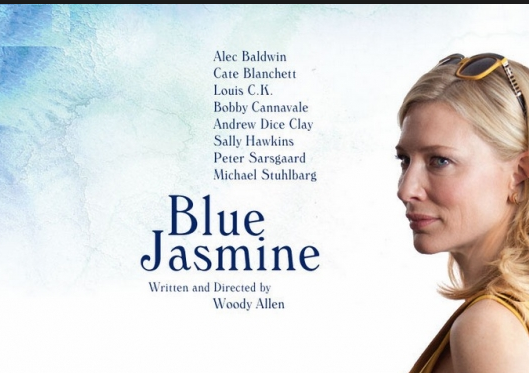
Watching an elegantly primped, expensively dressed Cate Blanchett in Woody Allen’s newest film, Blue Jasmine feels less like a night of Cristal and tiny hors d’oeuvres and more like a bender of room temperature vodka and plastic orange Xanax bottles.  Before you’re completely intoxicated, it’s a bitter mouthful to swallow.

Jasmine (Blanchett) is introduced to the film flying first class into the first circle of hell in the aftermath of her ex-husband, Hal (Alec Baldwin)’s financial fraud.  Her schedule and wallet are both empty, tucked neatly in a gold Birkin bag, and held with a shaky manicured grip — rock bottom could not be less convenient for the former Park Avenue socialite.  Broke and single with little hope of a job prospect, Jasmine is forced below her lowest standards and into the cramped San Francisco home of her adopted sister, Ginger (Sally Hawkins).  Before the government confiscated Jasmine’s money, Ginger was visiting her — staying in a nearby hotel, sight-seeing with Jasmine’s driver, embarrassingly shrieking over a gifted handbag like a kid whose just won a big fluffy teddy bear.  But Jasmine never imagined she’d be in Ginger’s bargain-bought shoes — living with the single mother of two in a city only inspired by Europe.  Her company is quietly unwelcomed, however, as Ginger’s possessive boyfriend and herself have yet to forget that Hal’s fraud left Ginger bagging groceries while Jasmine may or may not have looked the other way.  Hour after hour, it’s time for Jasmine to pop yet another pill in hopes of escaping rather than spiraling further into the Matrix of a low-class, average lifestyle.  Minute after minute, we wish we could too, as Jasmine dives deeper into the aching pit in our stomachs.

Given Woody Allen’s extensive filmography of pretentiously quirky rich women whose flaws are outweighed by their charm (i.e., the infamous Annie Hall), Jasmine —at the very outer shell of surface level— seems like an expected character for him.  She’s a stunningly beautiful, well-cultured and well-traveled New Yorker who’s as talkative as Woody himself.  Though much like Jasmine’s mask of high-end couture outfits, this is not her reality.  After five minutes this is obvious — if anything, Jasmine may be a mockery of the typical Woody woman.  She has her quirks, but they are despicable.  She had wealth, but it was lost.  With the perfectly satirical rich-bitch “Well, in Paris…” voice, Jasmine rambles on with pretentious superiority— but we know she’s a college dropout reliant on handsome men holding handsome money.

It’s easy to root for main characters, even when what they want is disagreeable otherwise.  You want the 42-year-old Isaac Davis (Woody Allen) to peruse his 17-year-old love interest in Manhattan, and you want Jack (Jesse Eisenberg) to cheat on his long-time girlfriend with her best friend in To Rome With Love.  In Blue Jasmine, you don’t want Jasmine to keep her job as a secretary, or charm a rich man eager to marry.  In Blue Jasmine, the only time to empathize with Jasmine is when contemplating her mental state or unseen previous life decisions.  Jasmine embodies awfulness simply by behavior, at which Blanchett masters with enough exquisite detail and skill to actually make us hate an attractive woman.

Jasmine’s actions, while shameful, are not entirely grotesque.  Engulfed in the capitalistic cliché of the American dream, Jasmine merely wanted the life that Hollywood glorifies.  Though Jasmine is not just a woman with wayward ideals whose lost everything — we would probably empathize with that character.  Instead, it’s Jasmine’s attitude and essence that cause us to hope for an even worse downfall.  It’s her voice; the way she carries herself; the way she shouts that all life as less worthy simply with a glance.  We don’t hate Jasmine because she is a “bad character” — we hate Jasmine because Blanchett is a great actress.

The experience of Blue Jasmine is one of high stress, disgust, and simultaneous awe — leaving you feeling violated and insecure after the screen transitions to black and the lights turn on as if everything were fine.  You will feel conflicted by your desires, but mindful of them in ways Woody Allen’s other films don’t allow.  Blue Jasmine is the most self-aware, satirical film Woody Allen has made to date — a big uncomfortably deadpan joke about the American dream with Blanchett as the punch line.  You may choke down most scenes, but what you’re left with is a dizzying aftertaste under the influence of both Woody Allen’s blackest comedy and most haunting drama.

Acapoco: “Yard Rock”

Posted on August 28, 2013October 8, 2013 by Amy Anderson

It’s only fitting that the Meansville, Georgia-based psychedelic-rock trio, Acapoco, define their sound as a “powerful backdrop for you summer cookout.” After all, their single is titled “Yard Rock”, their artwork is a photograph of the three blurred in the grass, and their sound mimics the atmospheric nature of a summer night spent chillin’ with friends in the backyard — the familiarity of soft, female vocals atop the utter playfulness of tight guitar work, and intimate repetitive lines like “I can feel it.” It’s got a sense of mystery — before the drums kick in, the track opens with a sound reminiscent of Tool, but by the time the track peaks, it is something else entirely. Check it out, the download is free and the feelin’ is good.


Dexter Season 8 – Lets Talk

Posted on June 26, 2013October 8, 2013 by Amy Anderson

*SPOILER ALERT if you’re not caught up.  Don’t get pissed.  I warned you.*

[youtube id=”6ckzE5vT0wc” width=”600″ height=”350″]

June 30th is the night.  And it’s going to happen again and again, every Sunday until September 15th.

It will all be over soon.  Dexter’s fate will finally be unmasked, and viewers will see the series for what it is — but for now, we wait.

No longer is it taboo amongst Dexter fans — or should I say Dexter’s devoted until around season five and his frustrated followers thereafter — to believe that perhaps the series’ continuation better deserved to have been laid atop fifty yards of plastic wrap and cut into tiny pieces, wrapped tightly in Hefty garbage bags and tossed to the infinite blue than being dragged like deadweight through the past two seasons of soap opera-styled drama and implausible chaos.

For such a neat monster, Dexter hasn’t exactly been keeping things orderly.

It takes a certain kind of blindness to play along with the idea that Miami PD would inexplicably allow an unarmed forensics geek first entry to a crime scene or to have a police captain search for a former murderer in a shipping container without backup.  Brother Sam may have tried to implant the virtue of faith into Dexter, but it was faith that killed Brother Sam.  Call it miraculous, call it coincidence or luck, but that only goes so far — Deb isn’t the only one who’s stopped believing Dexter.

But while Dexter’s been getting caught, his character’s nature has been sneaking away.

For seven seasons he’s been grappling between monster and man — a Dark Passenger stalking and hunting for his identity amid a blood-red impulse.  Now he’s a monster in love, letting mistakes collect like blood slides in his treasured box.  Giving Deb a choice between ending his life and saving it — is that what it means to be human?

I suppose this was always Dexter’s destiny, to shift away from monster and closer to man as he finds his way to the light at the end.  But as monsters disappear with the lights turned on, so are monsters created when everything dims.

Deb — caught between loyalties, she’s been the strongest element to the past couple of seasons, holding the show together with intense hysteria and a development from a workaholic cop, to murder accomplice, to a killer herself. Dexter may be on the way to finding himself as human, but Deb is caught wavering in a meltdown of a monster.

This season, I’ll be watching.  I’ll be watching Dexter out of investment and self-obligation, to see his fate unfold and conclude the Dark Passenger’s long journey.  But I’ll be watching Deb, the way I used to watch Dexter — when he was careful and creepy.

After all, isn’t the making of a monster more interesting than the taming of one?

[youtube id=”dy6u5rXqN5o” width=”600″ height=”350″]

REVIEW: David Lynch and Lykke Li’s “I’m Waiting Here”

Posted on June 12, 2013October 8, 2013 by Amy Anderson

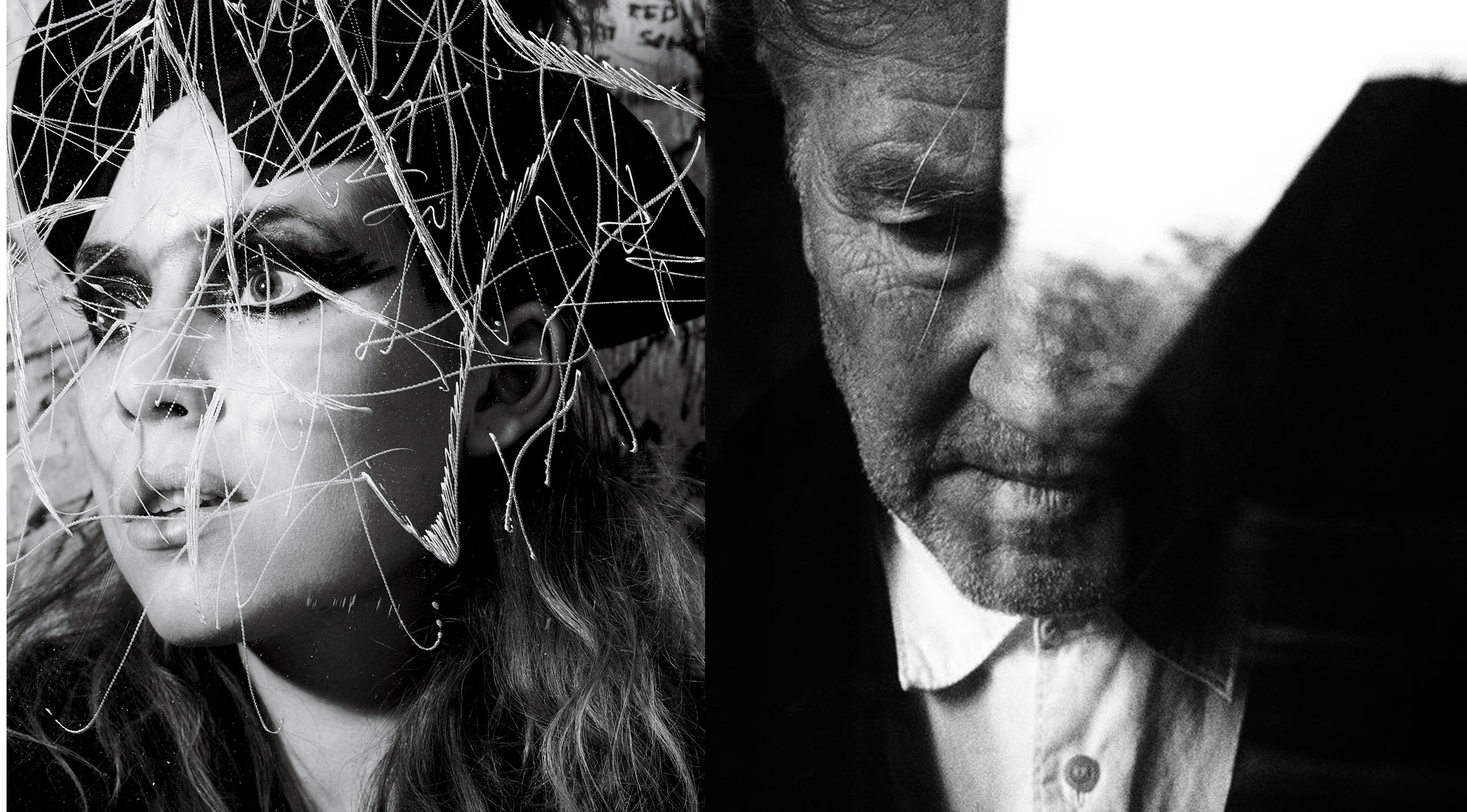
Two years since David Lynch’s “Pinky’s Dream,” the release of his upcoming album, The Big Dream, is creeping along quite nicely, with Lykke Li’s whispered hint of a far sexier and more surreal theme of an album that may indeed be much bigger and better than its predecessor.

“I’m Waiting Here,” the Lykke Li/David Lynch collaborative single, is the only track released from the album so far, but lucky us, it is also accompanied by a music video (that is, unlucky for us, not directed by Lynch himself).  Regardless, the video is the window to the song’s soul, and its vacant and hypnotic feel not only matches the track’s sound wonderfully, but it too will leave you feeling the way Lynch always intends to make you feel — just a little bit crazy.

It’s a tedious video following a long road as the landscape slips out of view over and over and over again.  Our eyes follow along like the weary driver’s herself, as Lykke Li’s lovesick and airy voice repeatedly serenades us with the haunting words “I’m waiting here.”  The video drives us with layered footage of the lanes, tricking us as if we’re focusing dry eyelids struggling to stay open until suddenly we’re parking in a headlight-lit neighborhood right off the side of the never-ending road.  Then it’s over.

Which leaves us waiting here, as well.

The video tells us nothing, which is why its aftertaste leaves you feeling vaguely uncomfortable and subtly curious.  There’s no explanation of the neighborhood we’re led to, nor do we have any sense of where we came from or who we are.  Lykke Li sings “I’m waiting here,” but she also tells us that she’s burned bridges to get where she waits — granting an especially eerie and mysterious vibe.  There is a story here, but we don’t know what it is.

It’s a simple and fitting visual for a song that instantly became my favorite Lykke Li song and a promise that “The Big Dream” is worth the wait after “Pinky’s Dream.”  Where “Pinky’s Dream” has absolutely been repeated through my speakers, “I’m Waiting Here” gives the impression that perhaps “The Big Dream” will be worlds different than what we had originally expected.

Of course, that is an excellent thing.  Right now we can’t know what strange neighborhood Lynch will drop us off at when the album is released next month, but it’s definitely a drive I’m willing to tag along for.

What We Know About Season Four of Arrested Development

Posted on May 16, 2013October 9, 2013 by Amy Anderson

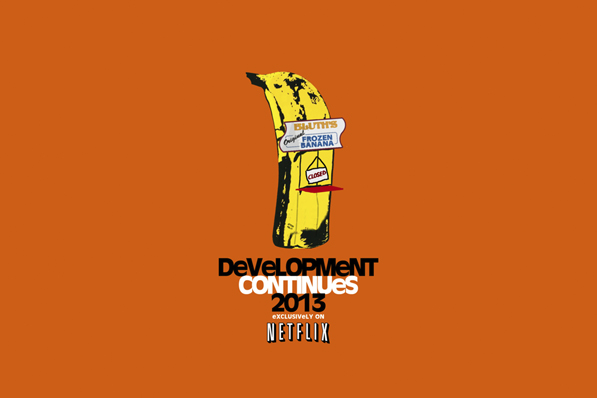
After about six and a half years of waiting, the Bluths could have had us thinking they’d never come back for us— but that’s why you always leave a note.  Thankfully, they left us a few.

Here are the ones we’ve gathered at Vinyl Mag:

1. From the trailer, it looks like… Michael is moving, George Michael and Maeby are dorm-mates, Buster’s hook is bedazzled, and the series didn’t say goodbye to these  Kitty. 

2. Each episode will revolve around a different character

Luckily we won’t just see a single plot from fifteen different angles, though we will get to see the characters’ paths intersect.  As Jason Bateman explained to GQ, “…the action across the episodes is happening simultaneously. If I’m driving down the street in my episode, and Gob’s going down the sidewalk on his Segway, you could stop my episode, go into his episode, and follow him and see where he’s going.”  Which means…

3. You don’t really have watch the first episode first or the last episode last…

While creator Mitchell Hurwitz says the episodes are placed in their order for a reason, Portia de Rossi says the episodes can be watched in any order because they are filmed as stand-alones.  Which for most other shows would mean not getting so hooked that you watch the entire season in one sitting…  But it’s Arrested Development… stopping the season midway would be like going to jail without eating ice-cream sandwiches.  But that’s okay, because we’ll be able to watch them all in one sitting since…

4. All the episodes will be released at once on Netflix

And Netflix has apparently been super awesome about letting Arrested Development stay Arrested Development.  According to Hurwitz, they wanted to make sure everything was as he wanted it rather than making demands.  Also…

5. The length of episodes, budget, and bleeping are pretty much the same

The closer to the Arrested Development nature the better, I say.  Unfortunately, on the other hand…

6. Julia Louis-Dreyfus won’t be in this season

’Cause HBO has Selina Meyer too busy trying to to clean up after the “50 Ways to Win in Denver” fiasco. However…

7. New characters will include Blake Anderson, Seth Rogen, Ed Helms, Isla Fisher and John Krasinski

We may not know their roles yet, but we do know Rogen filmed his scenes with…

8. Kristen Wiig, who is cast as a young Lucille

Which has led to speculation that Rogen could be cast as a young George Sr. (he may not look as much like George as the pope does, but I could still see it).  Also…

9. Conan O’Brien will be a guest star

Cast as himself, and…

10. Ron Howard (producer and narrator) and Brian Grazer (producer) will also be on-screen playing themselves

Supposedly the plot will include Ron Howard and Brian Grazer’s production company, Imagine Entertainment, working on a movie about the Bluths.  Also both acting and producing…

11. Michael Cera helped write the season

Apparently Hurwitz invited him to the writer’s room for what Cera thought was a one-time thing, but he ended up staying for the whole season and gained a producer title on the credits.  Meanwhile…

12. Buster and Lucille’s relationship looks as near-incestuous as ever,

13. And Maeby is still the forgotten child

14. Somebody, at some point, is gonna be naked

The cat— or dead dove (do not eat)— isn’t totally out of the bag… but if anybody wants to place a bet, I’ve got mine right here:

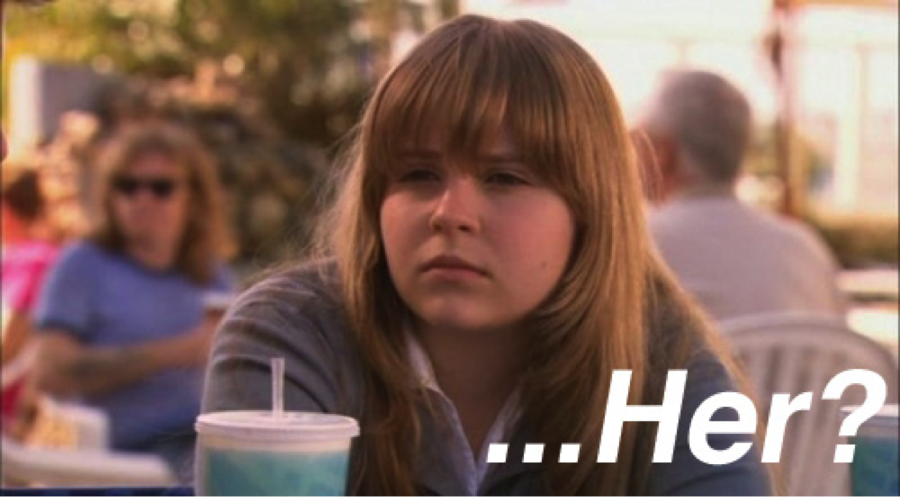
15. …Also Ann is apparently still in the picture

In other news, there’s this…

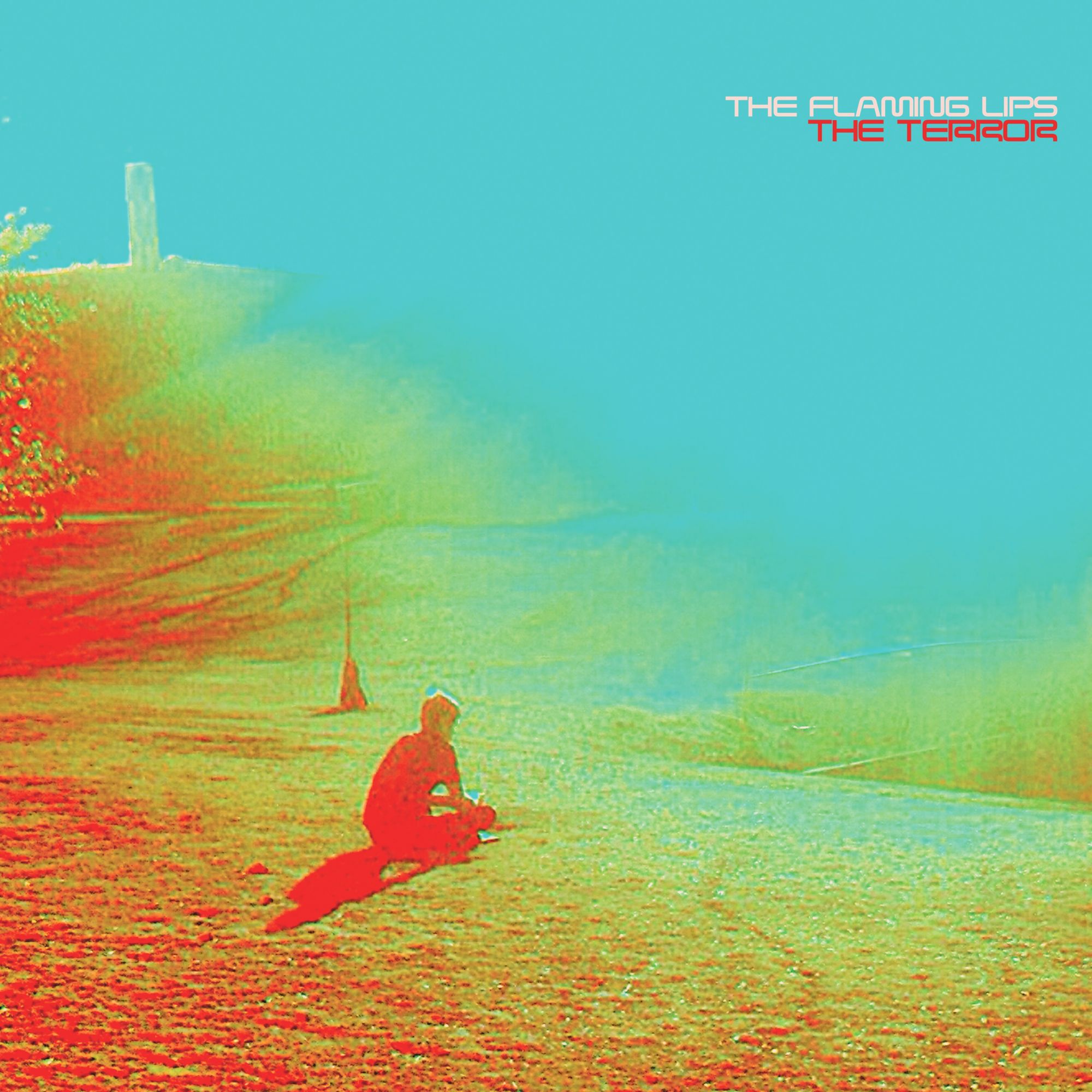
REVIEW: The Flaming Lips’ The Terror

Posted on March 4, 2013October 8, 2013 by Amy Anderson


When the Flaming Lips released In a Priest Driven Ambulance, I was a trembling fetus nestled in my mother’s womb.  When I was nine, the band was radiating mainstream attention, but I didn’t know because no exceptionally cool third-grader brought The Soft Bulletin to show-and-tell.  And when I was 12, Yoshimi was battling the pink robots while I was battling… well, puberty.

It’s been thirty years since the band’s inception, and it never occurred to me that the Flaming Lips are getting old.

And how could it?  Last year the Flaming Lips’ collaborative album, Heady Fwends was one of my 2012 favorites.  In 2009, both Embryonic and the covers of The Dark Side of the Moon completely changed my perception of the Flaming Lips by rocketing out of pop and floating into an experimentally psychedelic galaxy of psychosis.  Seeing them live at Piedmont Park in 2012 was an even more electrifying experience than seeing them live at Bonnaroo in 2007.   Chronologically, everything they’ve done has been an acclaimed next step in a new direction— so when Wayne Coyne described the upcoming album as heroin new wave at a funeral for aliens, I was ready for abduction.

But during the slow wait for their upcoming album, The Terror, the Flaming Lips were featured in a Hyundai Super Bowl commercial, and hit me.  “They’ve passed their peak,” I thought to myself.  “The Flaming Lips are on the downward slope of their musical career.”  They were selling something to us on a commercial, and it wasn’t even theirs— and it wasn’t even art.  The self-proclaimed freaks were trying to sell us a car?  I couldn’t fathom it, and betrayal is a bitter drug.

But it wasn’t just the fact that they were selling Hyundai.  The irritatingly peachy song they used for it was a perfect fit for a car commercial— it’s the equivalent to Robin Sparkles’ “Let’s Go to the Mall” covered by indie-headaches, Passion Pit or Vampire Weekend.  “Sun Blows Up Today” is definitely the most uncharacteristic Flaming Lips song ever recorded.  My face contorted with grief as I saw a sneak peek of the commercial online, and with disgust as I saw it like millions of others on the television screen.  As a follower who once went full freak-out during a fleeting interaction with Wayne Coyne, I was writing off the Flaming Lips.

But as any true fan, I couldn’t stay away.  I couldn’t actually write off an album I was so recently certain would blow my mind into cosmic explosion.  No, of course I jumped to listen to The Terror as soon as I could.  It’s Flaming Lips!

And I’ve gotta say it.  Even though I don’t agree with the commercial, I also can’t say it directly affects the quality of their music.  Sure, “Sun Blows Up Today” might be as excruciating to endure as the sun actually blowing up, but guess what— it’s a digital-only bonus track that sounds nothing like the rest of the album.  We can handle this, we can disregard it, we can delete.  The commercial-ridden track, as well as any low expectation you have for The Terror, can and should be dissolved.

That being said, The Terror isn’t the best Flaming Lips album, or the second or the third.  What The Terror is, however, is a total eclipse of Flaming Lips ideology.

It’s almost like NASA told the Flaming Lips that they could finally live in outer space, but that each member must travel in their own separate spaceship.  And after each member is launched into the cold, dark blanket of stars and mystery, the Flaming Lips simultaneously realize in a sudden state of agoraphobia that space-travel isn’t what they had expected.  Instead, while hyperventilating into their spacesuits, the Flaming Lips become painfully aware that that life in space is like an eerie post-death experience of existence in an abyss.

The Terror takes fans in a totally different direction than previous Flaming Lips albums.  With its seamless structure, it both absorbs and isolates in an atmospheric experience that somehow soothes yet scares, and makes the listener completely aware of silence.

In other words, The Terror is pretty close to a parallel of Radiohead’s Kid A.

Kid A begins with the sorrowful “Everything In It’s Right Place,” balancing chaotic alien-like background noises against a slow rhythm.  The Terror begins with “Look… The Sun Is Rising”’s high frequencies, glitches, and smooth, echoing human vocals.

Where “Everything In It’s Right Place” feeds into “Kid A,”’s robotic lullaby of mechanical vocals, “Look… The Sun Is Rising” also leads into the hollow-sounding “Be Free, A Way” filled with cherub lingering vocals against short repetitive chops like a helicopter propeller.

Kid A peaks as “Kid A” becomes the sonic-storm of “The National Anthem,” while “Be Free, A Way” extends its likeness into “Try To Explain,” which then becomes the thirteen-minute peaking “You Lust,” spaciously spitting vocals repeating “Lust to succeed” between creepy, paranormal ringing-sounds.

“The National Anthem” then recovers into the most isolated and serene tracks, “How To Disappear Completely” and “Treefingers,” while “You Lust” spills into the most remote-sounding track, “The Terror” and then the schizophrenic “You Are Alone.”

Kid A picks back up after “Treefingers” with the The Bends-reminiscent “Optimistic,” and on The Terror with the higher-energy “Butterfly (How Long It Takes To Die),” similar to the tracks off Embryonic.

“Optimistic” then becomes “In Limbo,” which drowns the listener with waves of haunting harmony and vocals repeating “you’re living in a fantasy,” and then into the more electronic kick of “Idioteque.” On The Terror, “Butterfly (How Long It Takes To Die)” becomes “Turning Violent,” which hypnotizes the listener with distant vocals and close shaky, industrial sounds.

Closing in on the album, “Idioteque” transitions into “Morning Bell,” which repeats “cut the kids in half,” and into the melancholy dream-like, “Motion Picture Soundtrack.” Meanwhile, “Turning Violent” becomes the almost chanting, nightmare-like “Always There… In Our Hearts.”

Kid A ends in minutes of silence, while The Terror ends with a moment of echoing feedback.

Wayne Coyne may have said that The Terror is like a funeral for aliens, but I disagree.  Kid A is more like a funeral for aliens, but taking place on Earth.  The Terror is more like a funeral for humans, but taking place in space— mourning their own lives lost in a vacuum.

Outside of that vacuum and despite the commercial, The Terror echoes that the Flaming Lips haven’t begun the downward slope.  Instead, they’ve embarked on a haunting and sorrowful journey that I can only imagine depressed astronaut Elton John would completely empathize with.  It’s lonely out in space, man.

Four Short Film Music Videos to Battle Your A.D.D.

Posted on February 14, 2013October 8, 2013 by Amy Anderson

In today’s culture, size definitely matters.

As a rule of majority, we tend to take a mere glance at something before moving onto the next big thing.  It’s just how the Youtube era works — brevity and catchiness are vital elements needed to grab viewers long enough for them to actually finish watching a video. If something is “too long,” the size of the hype needs to compensate for it.  And if it does, maybe we’ll get around to it later.  Until then, here’s “Gangnam Style.”


But then there are a handful of musicians this year that seem to be courageously attempting to change our incessantly growing ADD-attitude towards media.  So far in 2013, musicians from Death Grips to Beach House have shown hope that short films in music might be the cure.  Here are four videos to exercise your attention span:

Death Grips, “Come Up and Get Me”

Perhaps providing the best example of defying brevity and catchiness, Death Grips rung in the new year on January 4th by releasing a 13-minute long black and white short film for “Come Up and Get Me” that provides the viewer with a (mostly) silent and lengthy nine minutes of avant-garde footage before the track actually surfaces.  It’s long, but it feels even longer as impatience for the track, “Come Up and Get Me,” wells inside of the viewer.  Cut between recorded footage of boxing, cop cars, and Kim Kardashian, the film shows scenes of Death Grips hanging upside down in a hotel hallway, devouring flowers, handcuffed and drowning, and finally raging in a fur coat as the track finally explodes.  The long span of silence attached to the strange scenes grants a chilling sense of anticipation and mystery that balances (and maybe even magnifies) the intensity of the song in a way that just couldn’t have been achieved in a four-minute long music video.  While it takes some patience to sit through 13 minutes of an intangible story, the video does allow the song to be placed into another more powerful context and overall experience with the song.

Alexander Spit, “A Breathtaking Trip to That Other Side”

A couple weeks after Death Grips’ short film was released, Alexander Spit released a short film for the title track of his new album, A Breathtaking Trip to That Other Side.  About a month prior to the short film’s release, he posted his Fear and Loathing In Las Vegas-styled music video for the single, where Spit drives a convertible down a long road while high out of his mind next to the grim reaper and a naked girl draped in an American flag.  Taking the goofy adventure of the music video as a hint, I assumed the short film would burn with the same drug-induced party attitude.  But the other side he takes us to in the short film isn’t the fun Hunter S. Thompson-inspired entertainment we see in the music video.  If anything, it’s an ultra-horrifying and violently bad trip in Bat Country.  The film is a grimy and harsh 17-minute long story starting with the worst-case scenario of getting beat up in the middle of nowhere while delivering a baby in a car.  Spiraling further into hell, the daughter is continuously forced to make money for her abusive father both as a child and as a stripper in adulthood.  The deranged story nears an end when she finally decides to leave her father and take the money as he’s passed out on a mattress.  Only the story doesn’t actually end there— no, instead she proceeds to dance in the street until her life ironically runs full circle and a car runs her over.  Alexander Spit’s album takes us on a trip from his Fear and Loathing-esque music video all the way to a shadow-drenched side that is far more reminiscent of Requiem for a Dream.  It’s both engaging and hard to watch, but the album definitely feels a lot heavier after observing the songs relationship to the film.


The Knife, “Full of Fire”

In one word, your initial reaction from the short film for The Knife’s “Full of Fire” will be stress.  Between their chaotic-sounding track and uncomfortable double takes and shots from a bird’s eye view, the short film can be described as tense from the first 30 seconds.  Though from the beginning, the initial stress reaction is tied to the first character— an elderly woman who dresses as a man and stares into the mirror.  Perhaps the most obvious theme of the film is the struggle between being the person you are presented as and being the person you believe you are, especially in terms of sexuality and gender.  Aside from the elderly woman, we see vignettes of leather-covered men in lipstick and traditional families doing day-to-day tasks of cooking and cleaning.  At one point, a female protestor is harassed and handcuffed by a female guard moments before they stare into each other’s eyes and walk away flirtatiously— handcuffs still locked.   At another point, a professionally dressed woman urinates on the ground in plain sight.  While the film’s plot is abstract, it does a good job of showing us how much gender and sexuality control our culture, and the underlying tension reminds us that this isn’t always easy.


Beach House, “Forever Still”

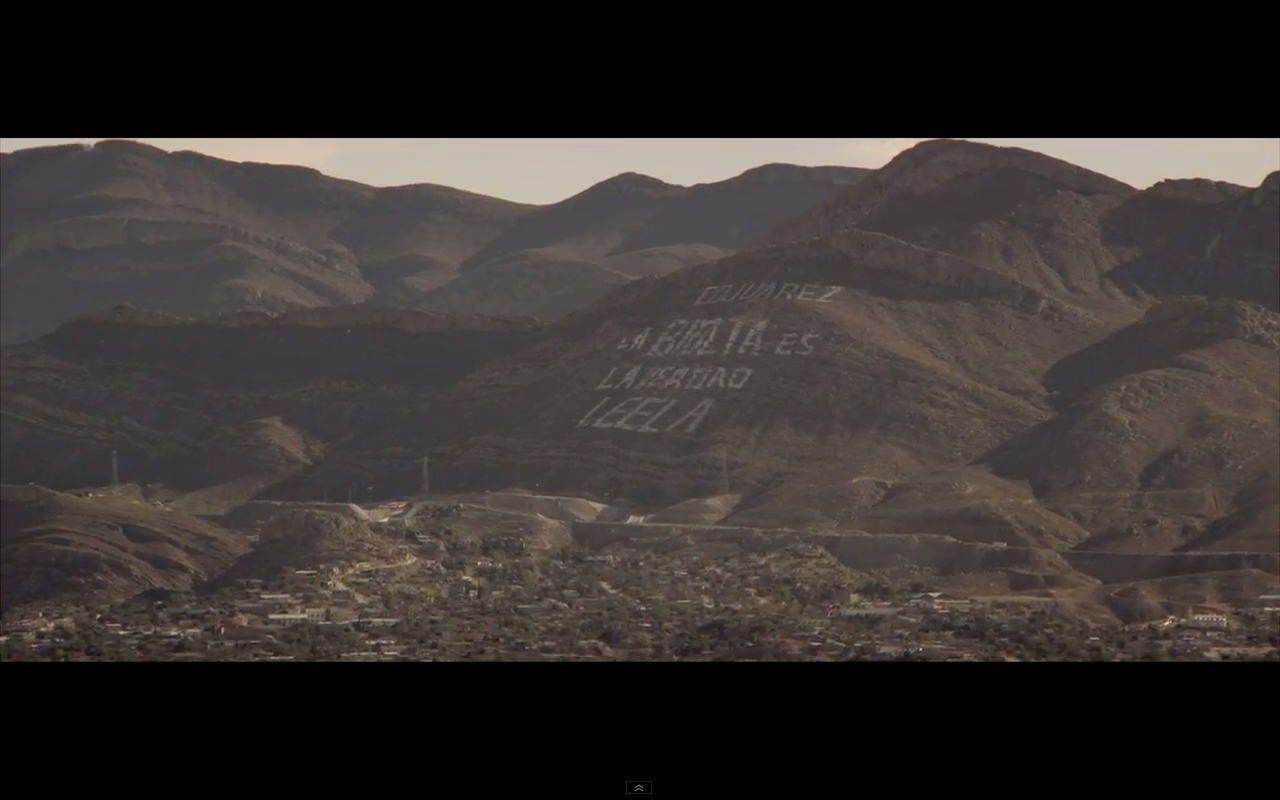
“Forever Still” is essentially just an outdoor Beach House performance in El Paso, Texas.  It’s simple, it’s clean, it’s honest— it is an extremely fitting visual manifestation of Beach House’s music.  The 26-minute long short film is earthy with faded colors and an occasional veil of smoke as Beach House performs in an isolated haven of dusk.  Aside from the initial highway journey and late-night driving scenes, there are only a couple scenes abstaining from the band: a husky waking up from headlights, a miniature pony running by a fence.  But Beach House doesn’t pretend to be anything but music – the visuals are simply a way to add another layer of atmosphere to their sound.


Washed Away by a2

Posted on November 21, 2012October 8, 2013 by Amy Anderson

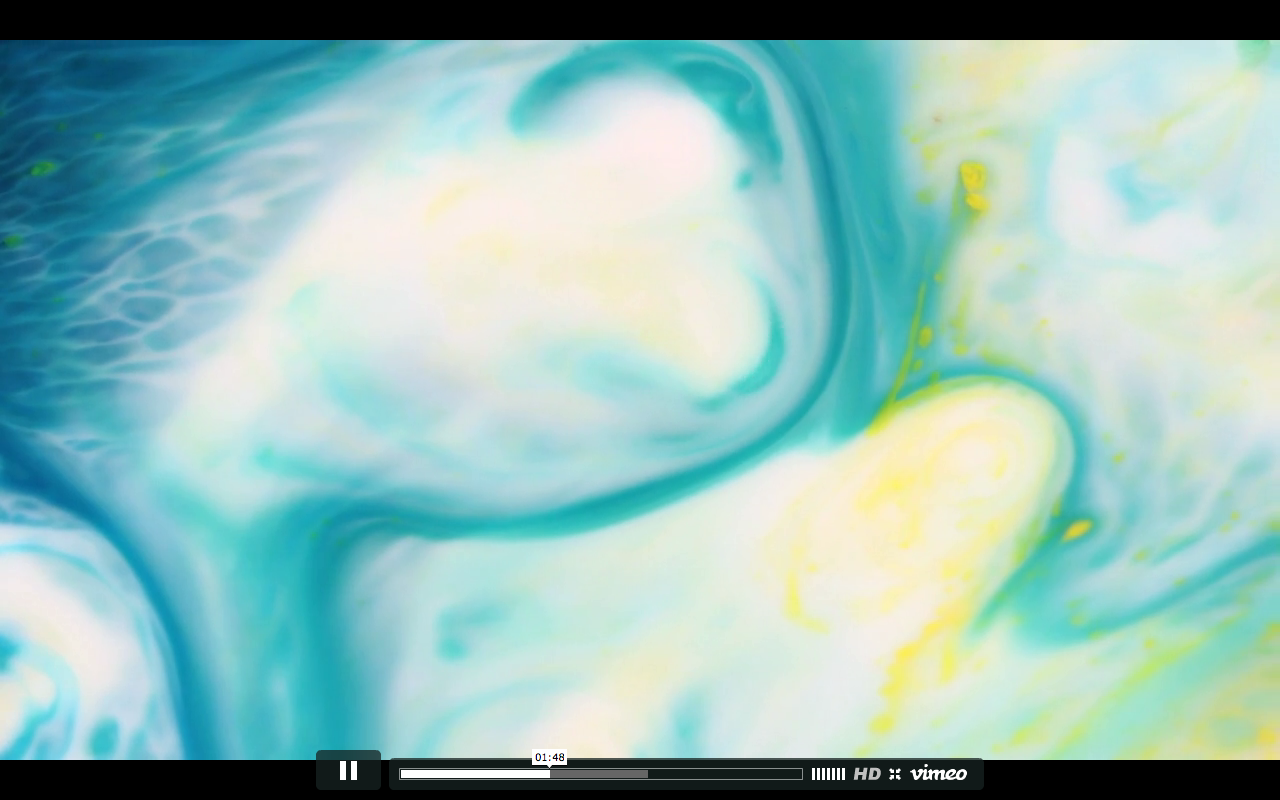
Ólafur Arnalds & Nils Frahm – a2 (Official Video) from Erased Tapes on Vimeo.

In the midst of holiday festivities, insanity settles in.

Perhaps Ólafur Arnalds had this in mind when he posted the Michael Zoidis & Jodie Southgate video for his and Nils Frahm’s collaboration song, “a2”. Continue reading “Washed Away by a2”

  • 1
  • 2
  • Next

The Latest

  • COACHELLA RECAP: the comeback of Coachella?
    by Amy Anderson
  • UGA MBUS Student Ritika Sharma Forges Her Own Pathway
    by Amy Anderson
  • Staff Picks to Satisfy Your Inner Choir and Band Nerd
    by Amy Anderson
  • Staff Picks for Your Perfect Granola Playlist
    by Amy Anderson
  • ‘It’s Only Life After All’: The Legacy of the Queer Folk Women Duo, Indigo Girls
    by Amy Anderson
  • Contact
  • Work With Us
© 2026 Vinyl Mag | Powered by Minimalist Blog WordPress Theme