
Tag: true detective
Warning: Attempt to read property "post_id" on null in /dom375187/wp-content/plugins/enhanced-category-pages/classes/ecp/Enhanced_Category.php on line 143
Warning: Undefined array key 0 in /dom375187/wp-content/plugins/enhanced-category-pages/classes/ecp/Enhanced_Category.php on line 232
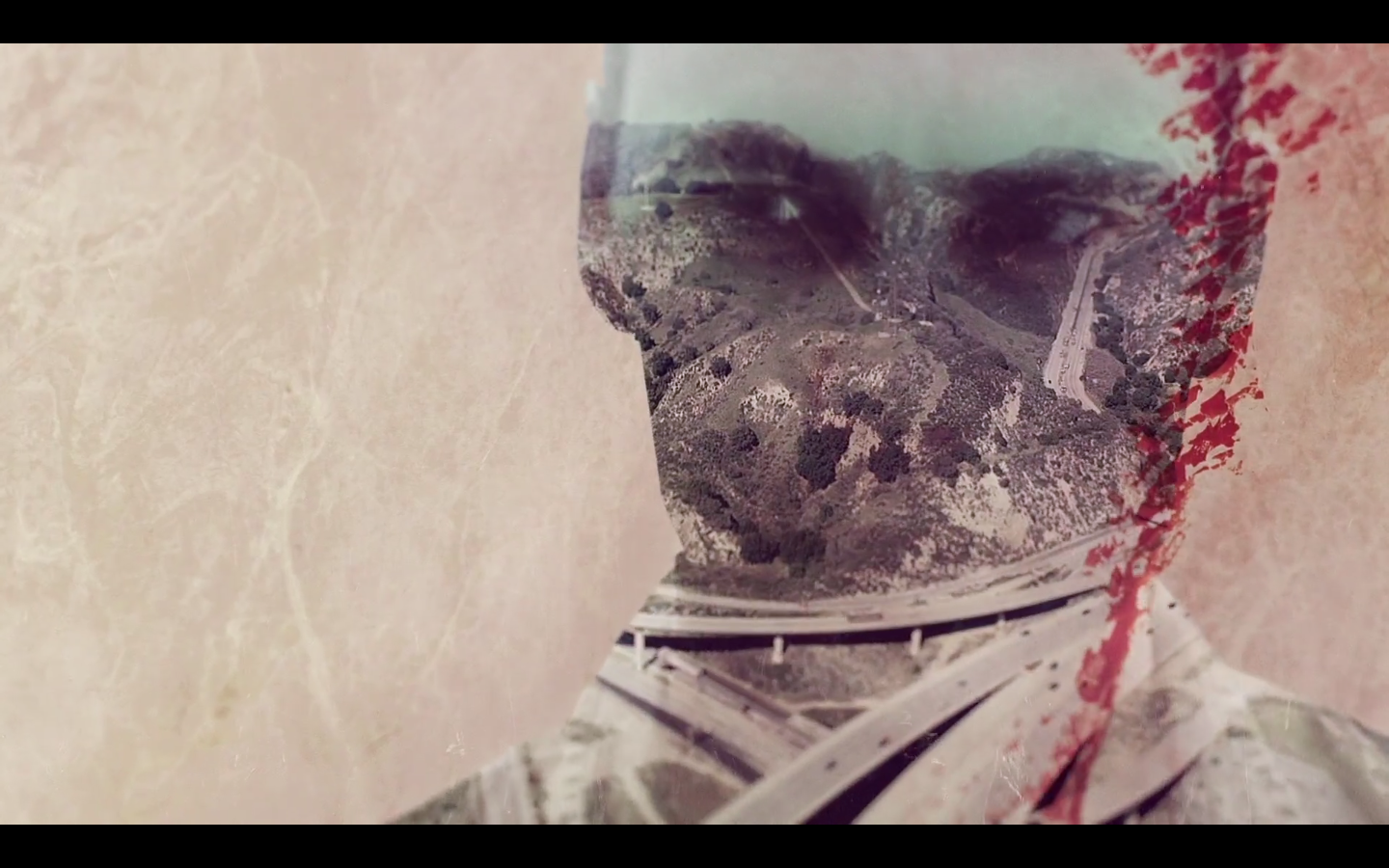
‘True Detective’ Season 2 Review [SPOILERS, DUH]
Well folks, that sure was a bumpy ride; I didn’t know if we’d make it. Season 2 of True Detective brought forth from the blogosphere ire, contrarian praise, and mass confusion alike, in just eight too-short episodes. While there’s an awful lot to parse through – and like the few survivors of the festering wound of corruption that is Vinci, we may never get done parsing – we will surely try.
The season began on a fairly unremarkable note. There was a body, a crow guy, and a few irredeemable rapscallion cops bound together by fate, but nothing quite measuring up to the antler-festooned cult victims of S1. And how could we not compare the two? S1 with its mysticism, college sophomore road trip philosophy, and brilliant character acting, was so out of left field and such an instant hit that expectations for its follow up were sky-high. So when not two but four A-list names signed on (Rachel McAdams, Vince Vaughn, Taylor Kitsch, and Colin Farrell), We the Fans began to wonder – could creator Pizzolatto & co. handle that much star power? Especially with the contentious departure of S1 director Cary Fukunaga, whose dramatic pans, fly-overs, and tracking shots made that season an instant classic? Well, the answer is complicated.
Many of the shiny narrative tricks Pizzolatto pulled this time around (assisted by a revolving door of directors) – faking us out with Ray’s death in E2, time jumping after that massive shootout, the ever-higher heights that the crew’s photography drones climbed in order to achieve those stunning aerial shots, jumping the shark and starting all over in the fifth episode – were mediocre to great in the moment, but ultimately felt empty. The season’s first half dragged on and served more as a distraction for the action that would juice things up in E5. And with each episode having a different director, the visual storytelling that made S1 so compelling was fractured and rushed. With so many plots to attend to, there’s only so much BEV rumination you can burn through before it’s a waste of precious minutes that could be spent conveying necessary information.
Not to say that there weren’t similarities between the two seasons. Daddy issues abound: after Rust and Marty took hacks at portraying failed fatherhood, masculinity was once again put on trial. Paul was the most classically masculine character on the show – as a cop and former soldier, he rode a motorcycle at breakneck speeds to poetically escape his past. But he’s filled with petrified self-loathing at the idea that he’s gay, instead lashing out at friends and strangers who remind him of this fact; little blue pills are his only means of hiding in plain sight. Frank only wants children insomuch that they’re a visual reckoning of his fertility; adoption is off the table. Alternately, Velcoro’s own attempts at conception were thwarted by a brutal rapist, and his son – a son who may not be biologically his but is the only thing he has to live for in the cut-to – is a daily reminder that he failed to be a man and protect his wife. Even Ani struggles with masculinity in that she cannot bear to resemble its opposite. Every S2 cop, criminal, and playboy mayoral-elect fantasizes about overthrowing their personal patriarchy, a power struggle magnified up the chain of command in bigger themes. Man vs. Father is no different from Men vs. Nature in True Detective‘s eyes.
Like the swamps of podunk Louisiana, the industrial stench of LA’s runoff set the perfect hair-raising scene for that particular bubbling under brand of fear that comes with being onto something that goes all the way to the top. In S1, our dynamic duo drove through fading memories of towns and past oil fields to seek the truth. Here in Vinci, greed has raped the land of its resources so much so that the only animals we saw were wooden sculptures adorning houses built upon compromised land, or carrion birds cleaning up after human wreckage. Speaking of which, as with Dora Lange’s mother in S1, industry’s victimage doesn’t stop with Mother Nature. During working hours, Vinci is filled to the brim with new age slaves, dozens of thousands of impoverished citizens (documented and un) whose only recourse for survival is to work in dangerous chemical factories for what is probably, at most, minimum wage. Pizzolatto can’t seem to stress this enough: power structures hurt everyone except the folks at the tippy top of the pyramid.
Which is what makes the show’s continual and needless insistence on sexualizing every female character so head-scratching. Mind you, women in entertainment don’t have to all be badasses like Ani (or Buffy or Katniss); being multi-dimensional and flawed like their male counterparts will do just fine, thanks. But it’s not too much to ask that they’re not in the show purely as sexual plot-movers. And Ani sure had a complex relationship with sex, a perfectly reasonable struggle after we learn of her horrifying early childhood abuse. Frank treats wife Jordan, who really seems to struggle with the concepts of bras and low-cut clothing, like utter crap, but only until she’s useful to him again. Paul uses the perfectly lovely Emily as a beard, gaslighting her and calling her crazy for sniffing out that something isn’t quite right. No one in the TD universe has a great life, but women bear the overwhelming brunt of abuse. So if Nic is trying to comment on how the world uses women until there’s nothing left, he was too deep undercover as to be distinguishable from those at whom he pointed his finger.
But all of that analysis is useless if you can’t even keep the players straight (and you would be in good company). Crime dramas usually throw a lot at their viewers, but there were too many cooks here (obligatory), feeding us unresolved plot lines and half-baked ideas instead of anything substantial. So much of the dialogue was stilted or poorly delivered, even by this should-be stellar cast. The writers room seems to have devoted too much time creating complex character backstories, forsaking the basics of back-and-forth dialogue. Lines like, “It’s like… blue balls in my heart,” “These contracts… signatures all over them,” or “Is that a fucking e-cigarette?” have become instant classics, and not in a good way. But is that any worse than a hurry up and wait narrative interspersed with cynical, lazy exposition dumping? Either way, these actors, despite their respective calibers, seemed to have genuine delivery issues. It was as if they needed a lagging half second to process the words coming out of their mouths. In all fairness, crime noir is meant to be intensely dramatic and overacted, but True Detective has tacitly positioned itself as ~above all that~ from the beginning; it’s a thinking fan’s pulp that occasionally slums it for the sake of genre, but as this season showed, there was no cake to be had or eaten.
All in all, it was an entertaining watch. Those who waded through the lost interest and Cohlestalgia were rewarded with a few episodes’ worth of engaging shoot outs and not completely obvious plot twists. But in its attempts to out-do itself, the show bit off more than it could chew. What ever happened to Ani’s gambling addiction, or her freaking family? Who burned Velcoro and Bezzerides’ squad car? Where was the public concern over the Black Mountain shootout? Who the hell would murder and steal just to buy their way into a shithole town? We’ll never find out, because the people charged with telling us just plum forgot. It’ll be interesting to compare viewership numbers between each season, and even more interesting to see what becomes of #TrueDetectiveSeason3. If the math holds, eight of the Ocean’s Eleven crew will take on the seedy underworld of brothel LARPing in Texas.
RANDOM THOUGHTS:
- When we were collectively, somewhat infuriatingly “JK-ed” in E5, at least we got thrown a little divine truth of the universe with Ani following a pack of birds to the next clue.
- What would a cop procedural be without ripped headlines? Paul’s tabloid exploitation sets up the moral, metaphorical side of L.A.’s sludgy runoff. Somehow that wasn’t as on-the-nose as, say, that photoshopped still of Chessani and President Bush. The movie set our heroes visited was an obvious take on the Mad Max franchise, and more broadly, our culture’s current apocalyptical obsessions. We can sense the end is nigh, and our planet is slowly burning to a dusty crisp, so we might as well get our ya-ya’s out about it, right?
- It’s always nice to see James Frain as a squirrelly political manservant.
- We’ve heard of ‘anal retentive’, but what about ‘dental retentive’? S2 was obsessed with teeth. Teeth being pulled out, teeth being knocked out, teeth just falling out. The field of dream analysis (if you’ll allow me to call it a field) widely holds that loose teeth is a metaphor for feeling burdened by the need to say something, but oppressed by a force that won’t let you. This diagnosis could certainly be applied to every character True Detective has ever seen – the ‘flawed cop’ trope is incomplete without burdensome secrets.
The Best Songs Featured on TV
Television has always been a great medium for exposing viewers to new music. A pivotal scene can become instantly classic when paired with the right song, and it can elicit the right emotions from fans – joy, despair, or even fear. Here, in no particular order, are some of the best songs that have been featured in a TV show.
“Where The Colors Don’t Go” by Sam Phillips on Gilmore Girls
https://www.youtube.com/watch?v=5Koh-wPyQvA
Gilmore Girls is first and foremost an offbeat comedy about mothers and daughters, but beneath the surface are commentaries on American privilege. The show became beloved for its underground-leaning soundtrack, especially once Lane decided to pursue her rock dreams. A third of the way through the pilot, “Where The Colors Don’t Go” begins playing as Lorelai realizes the only way to provide her daughter with a private high school education involves asking her wealthy, estranged parents for money. “In a white room / In a white head / In a cobweb of enterprise” sets the tone for the sharp juxtaposition between Lorelai’s small-town bodega life, and the Mayflower mansion she gave up in its stead.
“I Feel Alright” by Steve Earle on The Wire
Every of The Wire‘s five seasons ends with a deep-digging montage showing where relevant characters ended up by season’s end. Creator David Simon used these crucial scenes to drive home his points about corruption and power, and season two’s is particularly powerful. As the Baltimore PD continue to investigate the local drug rings from season one, unionized dock workers are introduced to the mix. Unshockingly for a Simon production, everything goes wrong and your favorite characters end up dead or internally destroyed (whaddup George R.R. Martin!). As “I Feel Alright” plays ironically, out-of-work shoreman Nikki reflects on his less than stellar decisions, and the viewers are left with a profound sense of understanding and emptiness.
“Far From Any Road” by The Handsome Family on True Detective
True Detective can be described as ‘creepy.’ I mean, it’s a show about a cult of child killers who live in the swamp. So naturally, its theme song should give one the heebie jeebies, and the Handsome Family’s “Far From Any Road” certainly fits this bill. The minor key finger picking and güiros give it the feel of a Mexican murder ballad, and it features the killer and appropriate line “the poisoned Creole soul.”
“Boom, Boom, Boom” by The Iguanas on Homicide: Life On The Street
Before The Wire, David Simon helped with the creation of another high-quality show documenting the daily lives of Baltimore’s finest. Homicide had less grandiose character webs, but was still just as emotionally impactful. Each show deals with the sisyphean task of keeping a lid on the murder rate. Facetiously, season five’s 11th episode has the department celebrate the new year, only to have the phone immediately alert them to a fresh body.
“Anyone Who Knows What Love Is (Will Understand)” by Irma Thomas on Black Mirror
https://www.youtube.com/watch?v=raQ2WguE37A
The BBC’s recent sort of Twilight Zone remake generally centers around the dystopian future we’ve set ourselves up for. So it was a jarring treat when “Fifteen Million Merits”, series one’s second episode, featured this classic from the Soul Queen of New Orleans. In the episode, one of the characters tries to change her fate by singing the song on a twisted iteration of American Idol, only to be coerced into pornography.
“Bouncin’ Back (Bumpin’ Me Against The Wall)” by Mystikal on Treme
Hey look, another David Simon show! Treme was Simon’s The Wire follow-up, and in similar fashion, it scrutinized race and class relations in a post-Katrina New Orleans. Main character Davis comes from a wealthy French Quarter family, but (tries to) reject his privilege by moving into the musically storied but poor neighborhood of Treme. When an affluent gay couple moves in next door, he fears gentrification and tries to drive them out by turning this song up to 11.
“Dead Fingers Talking” by Working For A Nuclear Free City on Breaking Bad
One of the best items in Breaking Bad‘s bag of tricks was the cooking montage. Though not detailed enough for an enterprising fan to figure out Walt’s recipe, they still managed to make chemistry interesting. (Sidenote: what if this show was just Vince Gilligan’s attempt at increasing STEM participation?!) Our first glimpse of the scary science game early in season one, when Walt and Jesse ventured to the desert in a ramshackle RV. “Dead Fingers Talking” has a squiggly, grimy vibe that works perfectly for the first of many cooks these star-crossed friends would embark upon.
“Fresh Blood” by Eels on The Jinx: The Life and Deaths of Robert Durst
HBO’s supreme new docu-series examines how a wealthy, disturbed man could manage to get away with murder on at least three separate occasions. The Jinx is often, nay, almost always described as Serial for TV, and it’s certainly not afraid to lay on the cliffhangers. As each episode sets up which aspect of these effed-up cases it’s going to focus on, the tension builds until Eels comes to the forefront. The lyrics don’t completely fit – the song seems to be written by a serial killer (“I’m so tired of the same old crud / Sweet baby, I need fresh blood”) whereas Robert Durst seems like a desperate sociopath backed into a corner by the falling dominos of his terrible decisions. Nonetheless, the song is synced perfectly with the surreal images of Durst and his various victims, and it’s chill-inducing every time.
‘Bloodline’ Season 1: Review [SPOILERS]
Netflix has tried its creative hand yet again with the first season of Bloodline, a star-packed drama about the true cost of family. The site’s answer to True Detective follows the Rayburns, a Florida Keys family who essentially own their small town. Patriarch Robert (Sam Shepard) and wife Sally (Sissy Spacek) have had an idyllic beachfront inn for over 50 years, which is shared and supported by their children. John (Kyle Chandler, good to see your face again) is the town’s good ole boy deputy; Megan (Linda Cardellini) is a local Jane-of-all-trades lawyer; Kevin (Norbert Leo Butz) is a beach bum boat repairman; and Danny… Danny, played by Ben Mendelsohn, is the eldest and an expat, and his arrival always spells trouble for the tight-knit clan.
When the town wants to honor Robert with a pier dedication, friends and family gather at the inn for the celebration, but Danny’s shadowy presence stirs up painful memories of the past. Episode 1 makes it quite clear that this is a family full of secrets, and the show has no problem taking its sweet time in revealing them.
Bloodline employs TV tactics that fans of Lost, True Detective, and House of Cards will be very familiar with. Most episodes are interspersed with voiceovers courtesy of John, who speaks in vague tones about his family’s wrongdoings. Each episode relies heavily on flashbacks from different characters’ perspectives, painting their guilt and regrets one shade at a time. The flashbacks’ MO is to be doled out piecemeal over the course of an episode, which loosely centers around the character whose memories we’re privy to. Each complete memory, revealed in an episode’s final minutes, is another piece to solving the Rayburn puzzle.
These tricks put the audience in the uncomfortable position of being at the mercy of characters who know more than we do, and this is a show that lords that fact over us. In an age where binge-watching is the norm – Netflix is no fool and has designed its shows to cater accordingly – narrative structures change, which explains the tantalizingly slow pace here. There is something to be said for making viewers wait even while they’re packing 13 episodes into a weekend.
However, the presumed (but not shared) context determined by voiceovers and flashbacks raises a couple of problems. One, the show is pretty much destined to have a too-cool-for-school vibe, a la the “divine truth of the universe” dorm musings on True Detective. Two, details are bound to get glossed over or hurriedly tossed at us. It’s not made clear until the final episodes that Danny’s love interest, Chelsea (HELL YES Chloë Sevigny), is a nurse, and the show does a poor job of establishing that Megan’s longtime boyfriend, Marco (Enrique Murciano), is also John’s partner. He needs one, because John is a truly terrible detective, putting little effort into his requisite dead girls case and somehow needing to ask another detective about the statute of limitations on giving false testimony. Shows should never spoonfeed, but dragging things out for the sake of continuous viewership is sadistic.
As you could probably guess from the cast, the acting is phenomenal. So much so that it sometimes painfully underlines the scripts’ weaknesses. Bloodline is a drama, so a lot gets sacrificed for the dramatic. During a pivotal scene where Sally tells John about Robert’s childhood, the dialogue feels stilted and overcooked; throughout, the writers seem trigger-happy about dropping f-bombs, even when it doesn’t add to character development or scene intensity. Most of John’s voiceovers are too ambiguous, obvious, or overdramatic to warrant necessity. And if I hear phrases like, “It’s what dad would want,” or “Wow, it’s so beautiful here” one more time in S2… well, I have no backup threat, but CHANGE THE RECORD. With a cast of this calibre, it would behoove the writers to mix it up a bit – starting with giving Spacek a wider role than sitting in a rocking chair staring wistfully into the ocean’s middle distance.
All that being said, it’s inherently compelling to watch. Danny is a loathsome scumbag, and despite everything that’s been done to him, he’s impossible to root for, and hate-watching is addictive. His slimy arrogance and sweaty wifebeaters are freakin’ repulsive (strangely, there are many parallels between him and the now-super-infamous Robert Durst – both are murderers and drug users, both have vendettas against their wealthy families, and both are visibly deranged). And the photography and cinematography are flawless, making the show aesthetically appealing enough to make up for its shortcomings.
It remains to be seen whether Netflix renews Bloodline for a second season. They would be crazy not to given how the finale ended, and despite the currently uncertain fate of Lilyhammer, none of their original programs have been axed. Given Bloodline‘s instant popularity, there’s no reason they’d change their formula, either. As Vox pointed out, the very craft of storytelling has been sacrificed for binge-friendly cliffhangers, which is good for business – the sooner you finish the season, the sooner you can re-watch it.
As I said earlier, this seems to be Netflix’s attempt at True Detective‘s massive success. Both shows contain deeply wounded characters who drink to forget the death-y pains of the past; both frequently get high on their own philosophy; both are set in the initially idyllic, unnervingly loamy swamps of the south; and both use those settings as omniscient extra characters that juxtapose natural beauty with humanity’s monstrosities. But even if imitation is the most sincere form of flattery, it means always being a step behind.
3/5