
Tag: music review
Warning: Attempt to read property "post_id" on null in /dom375187/wp-content/plugins/enhanced-category-pages/classes/ecp/Enhanced_Category.php on line 143
Warning: Undefined array key 0 in /dom375187/wp-content/plugins/enhanced-category-pages/classes/ecp/Enhanced_Category.php on line 232
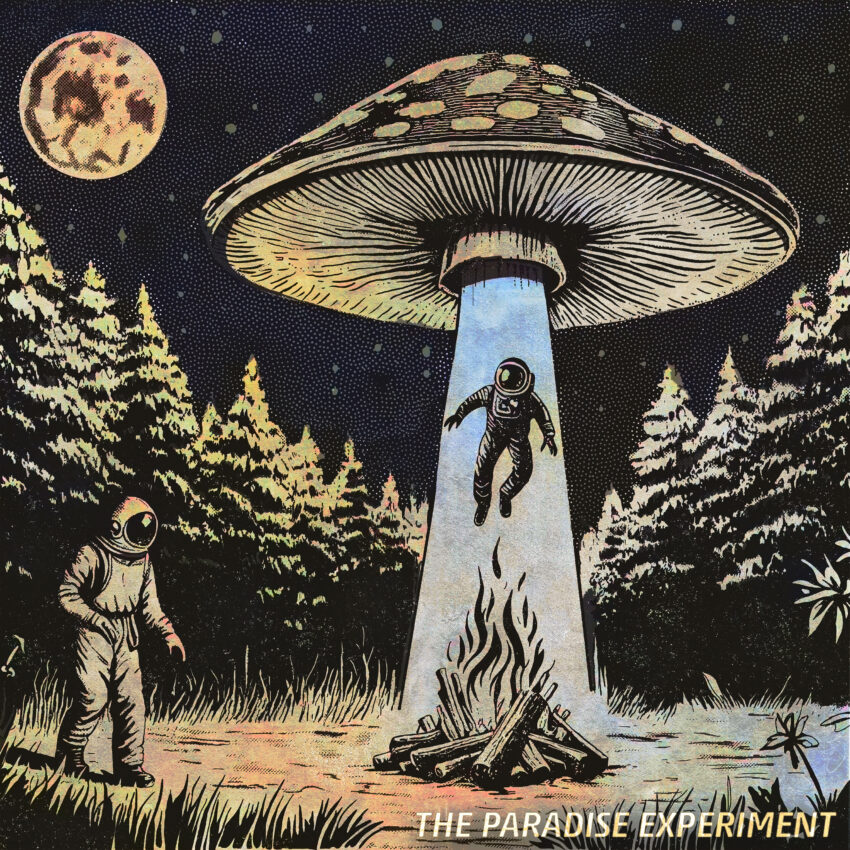
Review: Cam and his Dam Jam Band: ‘The Paradise Experiment’
Athens-based Cam and his Dam Jam Band released their first full-length album, The Paradise Experiment, on January 1st, 2024. On the new record, the group hosts jazzy, groovy coffeehouse tunes that drawl on and on, clocking in at just under 50 minutes with eight songs. The album features the band’s 2023 single “Gypsy Magic Woman”, a psychedelic retro-sounding anthem (with an ill-advised concept), as well as an extended version of “Jet Black Moon”, originally released in 2021.
Cam and his Dam Jam Band make ambient music, not typical for the post-streaming world, but like their name, it calls back to an earlier era of jam bands and music made to be enjoyed live. Exemplified excellently by the opening track “Backpack of Stone”, this gargantuan track is nearly 10 minutes long. Except for two songs, all tracks on the record are beyond the 5-minute marker. The focus of the record is on evoking emotions using melody, tempo, and a fun array of instruments.
The musical elements are infused with sparse lyrics that tend to tell a story with only a few changes in wording. “Rob a Bank”, a western-style song, is an entertaining take on the outcast character on the run from the law. Parleying between “don’t rob a bank” and “let’s rob a bank”, the track leans on American mythology, familiar to almost everyone. The track ends in a call-and-response fashion, with lead singer Cameron Norton sounding conflicted as a chorus of voices try to dissuade him.
The diversity in the band’s repertoire is apparent, particularly in the second half. “My Potion / Three Hours Later” featuring two songs in one wrestles with these subtleties. The song begins with a rather romantic sound, which feels almost yearning. As we fade into “Three Hours Later”, the mood shifts into a more melancholy tune, with a bass that underlines the comparative emptiness of the track. “Jet Black Moon” drives further into the melancholia with an increased moodiness and lyrics alluding to isolation and loneliness, singing “ain’t nobody there to hear me now”.
The record wraps, appropriately, like a live show. “Carry Her Away” takes place on stage, a moment where Cam looks out into the audience and pines for a lady he spots, ultimately unable to get to her. He sings “Now I’m searching but she’s on the run / I was hoping that she would stay”. “Afterparty”, the shortest track by a large margin at one minute and 21 seconds, has all the oomph and joy of a celebratory post-show after-party.
Unfortunately, the familiar story of the gypsy invoked in “Gypsy Magic Woman” does leave an unsavory taste. The term “gypsy” comes from the mistaken belief that the Romani, also known as the Roma, originated from Egypt. It’s been characterized by decades of cultural references from Esmerelda in The Hunchback of Notre Dame to songs by Shakira, Fleetwood Mac, and Lady Gaga. Often it refers to a provocative woman, a wanderer, a wielder of dark magic, or a cunning thief, sometimes a mix. The history of the Roma is fraught with decades of persecution across Europe and beyond, spanning genocide during World War II to forced sterilizations into this century. The term gypsy is an extension of that persecution and is seen by most as a racial slur. Thus, it’s unfavorable and objectionable for Cam and his Dam Jam Band to lean into the gypsy stereotype with a song and visuals to back it up. Though, without a doubt, a reflection of the lack of knowledge on the subject in the US.
In The Paradise Experiment, Cam and his Dam Jam Band harken us back to when music at will was indispensable to most, with the live local band being a staple in everyone’s soundtrack, giving us the ambient music we would feel so plain without. Skipping over the poorly titled “Gypsy Magic Woman”, you’ll find an otherwise impressive selection of music to groove and jive to. If the point was to create an advertisement to go and see the dam jam band live already, well then I’d say it worked.
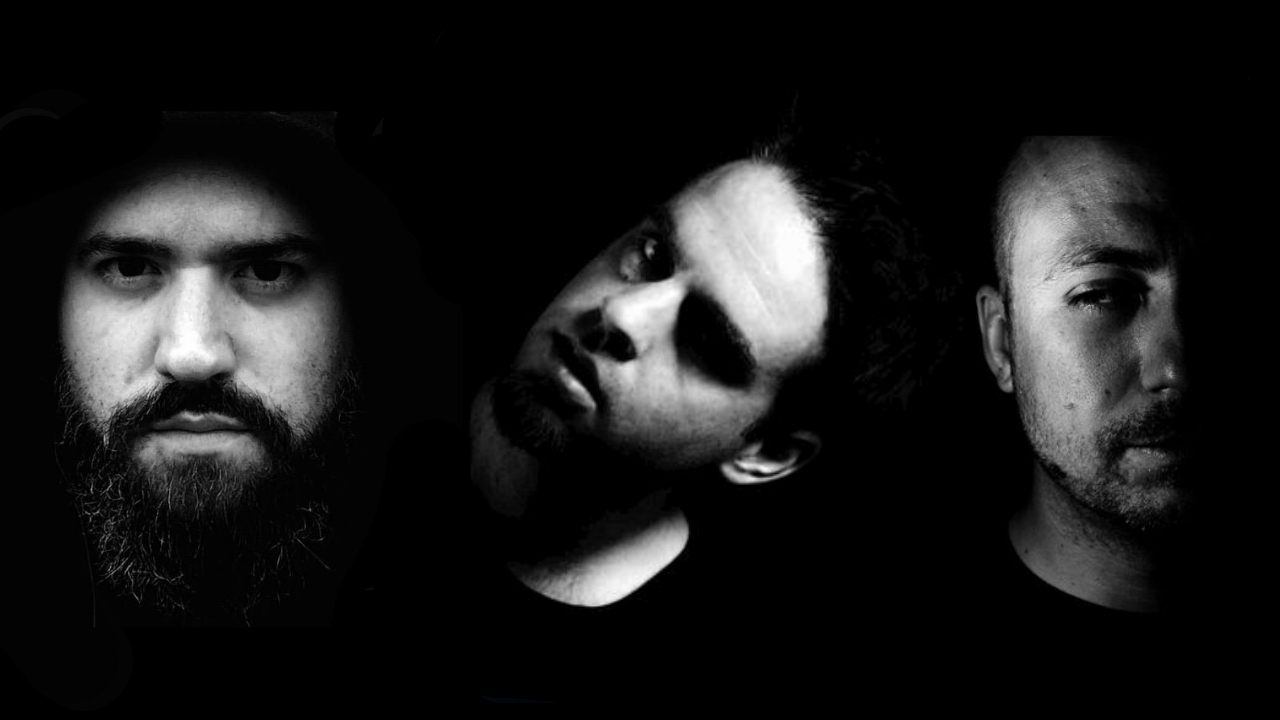
Artist to Watch: Post Death Soundtrack

Founded in 2007, Post Death Soundtrack is a music collective based out of Toronto, Canada. The group consists of Kenneth Buck, Steve Moore and Jon Ireson, and cites influences ranging from Bowie to Skinny Puppy. After the release of its debut album, Music as Weaponry, Post Death Soundtrack went on a brief three-year hiatus in which the group redefined the intention of their music, and ended up with something really cool.
Sounding more like a heavy experimental band from the ‘90s than a modern-age collective, Post Death Soundtrack explores depth and a variety of synthetic textures in their sophomore release, The Unlearning Curve. With swooning choruses and thick electric guitars swirling into a mash of music, The Unlearning Curve introduces a psychedelic, industrial landscape.
The true gems of this release are “You Can’t Go Back” and “Beauty Eyes I Adore,” tracks two and four, respectively. Something about the chanting on “Beauty Eyes” reminds me of Beatles-esque harmonies, and the sudden devolution into arpeggios of electric sound is a clever, robust touch.
Overall, The Unlearning Curve bites, chews and spits out the listener with walls of thick, jagged noise. The lyrics go into ideas of redemption, introspection and self-discovery which pair nicely to the heavy atmosphere of the album itself. My only complaint is the slight repetitiveness of the album, especially with tracks that have two minutes (or more) of the same lyric. That aside, The Unlearning Curve establishes Post Death Soundtrack as a true artist to look out for.
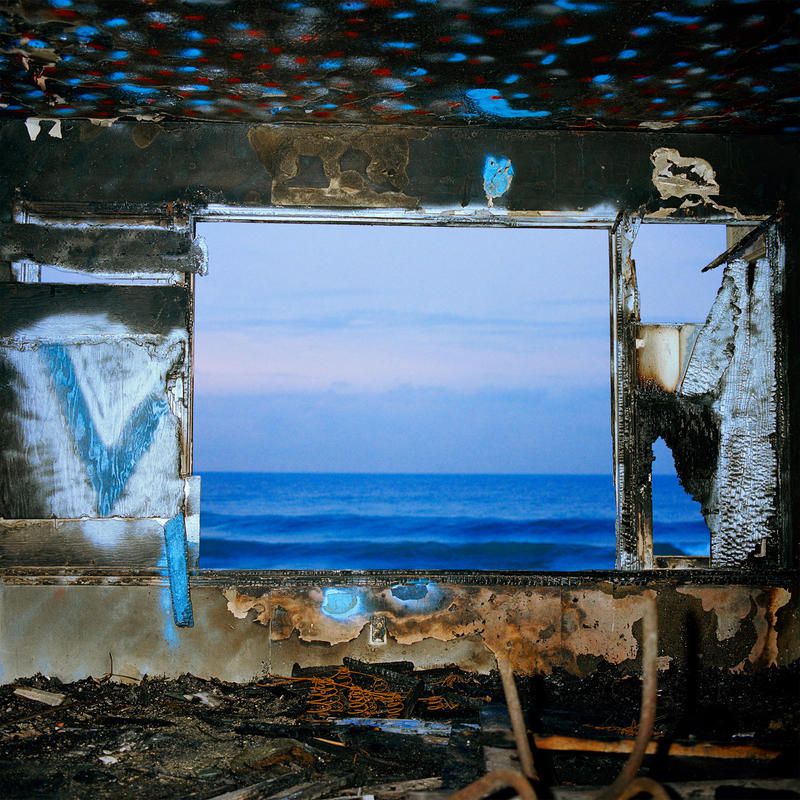
Deerhunter: Fading Frontier
While Deerhunter usually takes an upbeat, noise rock approach in their earlier albums, Fading Frontier exhibits a softer side. Deerhunter stays true to their experimental rock distortions but incorporates a dreamy 80’s synth-laced sound. The indie rock group recently released two singles from Fading Frontier, “Snakeskin” and “Breaker,” two of the more energetic tracks on the album. Check out Vinyl Mag’s review of the music video for “Snakeskin.”
Deerhunter’s previous album, Monomania, relied heavily on raw vocal distortions. While Monomania adhered to Deerhunter’s experimental style, Fading Frontier trails off towards a style of airy dysphoria. While “Snakeskin” initially portrayed a vibrant atmosphere, it is only one of the few upbeat tracks on the album. “Breaker,” another upbeat single, exudes a west coast, surfer vibe. Tracks like “Living my Life” and “Take Care” use a romantic echo effect, overlaid with simple melodies. High-pitched string instruments and twinkling piano sounds create an eerie effect, as heard in “Leather and Wood,” but the album still maintains Deerhunter’s cohesive rock sound.
The album ends with “Ad Astra” and “Carrion,” two tracks that purposely coincide, but why? “Ad Astra” is Latin for “to the stars.” The track ends with a vintage sound clip of a man singing in a Harry McClintlock style, “I wish I were a mole in the ground.” “Carrion” picks up where “Ad Astra” ends as front man Bradford Cox sings in an upbeat tone, “I will become a mole in the ground…It’s much too deep. What’s wrong with me? I can not see.”
In an interview with Stereogum, Cox explains, “There’s no difference in you telling me what you think the song is about and me telling you what I think the song is about, because neither of us are right or wrong.” The album comes together in its unified style. The concept of Fading Frontier coincides with the spacey, dream-like melodies of the album. Perhaps the album isn’t meant to be deeply analyzed but rather listened to as a whole; that is when the true talent of Deerhunter reveals itself.
5/5
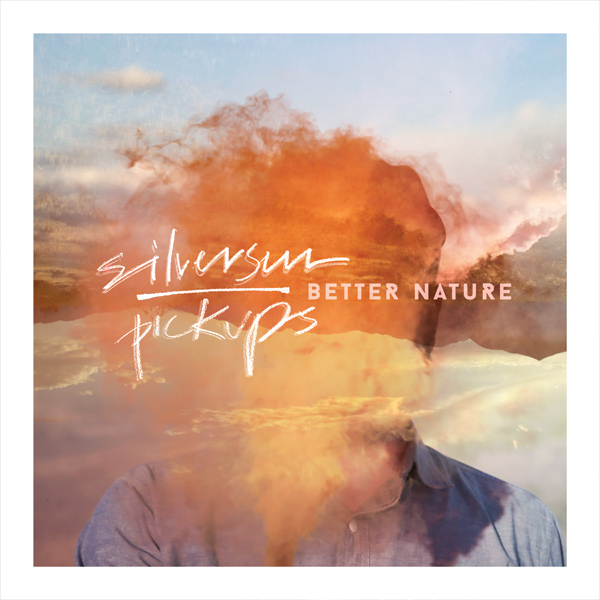
Silversun Pickups: Better Nature
Silversun Pickups stand true to their signature indie rock sound. In their 5th full-length album, Better Nature, synth pop beats and ambient melodies contrast with rock riffs. Front man, Brian Aubert’s, androgynous vocals harmonize with back up vocalist, Nikki Monninger for a lingering, airy effect. The soft vocals alleviate the subtle guitar distortions. Aubert describes the album as “its own quantum universe. It’s kind of unstable.” Since their start in 2005 with Pikul and Carnavas, Silversun Pickups has been one of those hidden gems of a band. It wasn’t until Swoon in 2009 that Silversun Pickups came to define a part of my own personal history. With classical violin melodies and raw rock riffs, the contrast gave the album an eerie, but catchy tone.
Better Nature leans more towards the rock-pop sound but still utilizes the atmospheric sounds prevalent in previous albums. Better Nature opens with “Cradle (Better Nature),” a rhythmic, synth-laced track with repetitive, riot-like lyrics. “Pins and Needles” follows as one of the more popular tracks. With an ambient opening, the track immediately cuts to a sonorous riff. “Nightlight” follows the same format with the transition from a quiet, slow opening to Silversun Pickup’s signature deep rock rhythm. The album really makes use of echoed background shouting which gives it that pop feel but pulls back from being too electronic with the raw guitar melodies. “The Wild Kind” finishes up the album with a synthesizer opening and an upbeat melody.
Perhaps Aubert has a point calling the album its own unstable entity, but the Silversun Pickup succeed in taking their music slightly into a different direction than usual. They straddle the line between indie-rock and synthetic pop without giving either genre too much credit. In that way, the album and the general sound of Silversun Pickup is original in its own way.
3/5
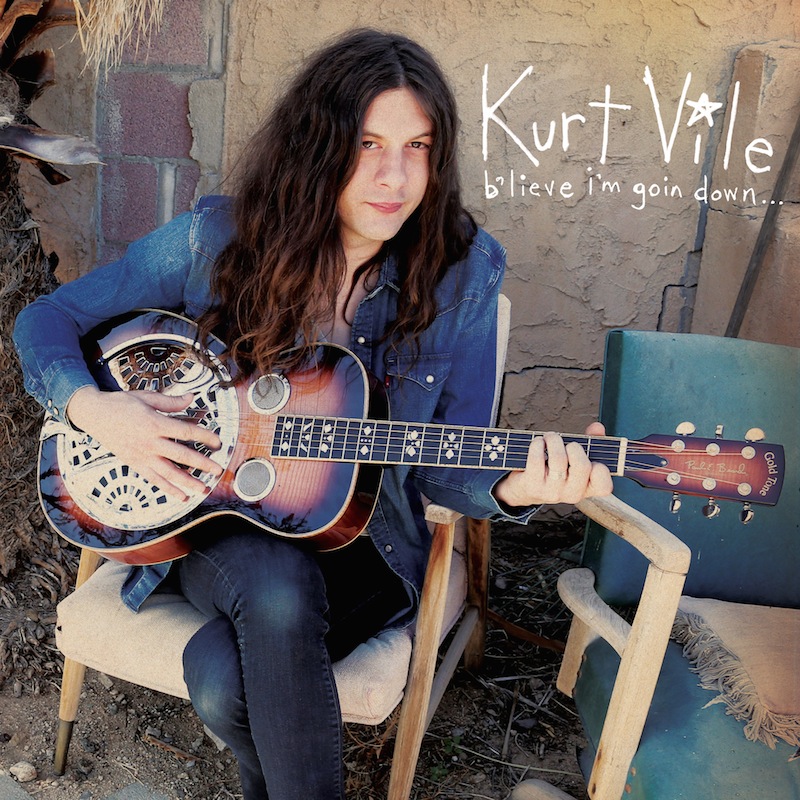
Kurt Vile: b’lieve i’m goin down
Kurt Vile’s new album, b’lieve i’m goin down, opens with “Pretty Pimpin.” The riff immediately implants itself in the listener’s mind and forces him/her to learn the lyrics. Vile, formerly of The War on Drugs, exhibits a lingering twang, ironic considering he hails from Philadelphia. His country-tinged rock combines synth-laced beats to create catchy, western melodies that make any listener feel a little bad. “Pretty Pimpin” is just one of many popular singles from the album. The track begins with a foot stomping melody and transitions into Vile’s raw vocals. With the monotone fluidity of Leonard Cohen and the inflections of Lou Reed, Vile comes through with a stripped down album of genuine lyrics and haunting melodies.
Vile’s bluegrass background reveals itself in “I’m an Outlaw.” A synthetic beat compliments Vile’s banjo fingerpicking to produce a western, country vibe. The fingerpicking continues in “That’s Life, tho (almost hate to say)” with heavy acoustic sounds. The track is softer, and its simplicity allows Vile’s deep vocals and lyrics shine through. Another popular single, “Life Like This” moves away from the southern style to a evocative piano melody.
Vile’s rough-cut style combines his bluegrass background with modern alternative styles. Vile’s smooth but distinct vocals soften stark chord changes. Likewise, Vile is just as capable of producing a slow, sweet track like “All in a Daze Work.” The album really speaks to Vile’s progress since the start of his solo career in 2008 with Constant Hitmaker. Don’t let Vile’s long, tangled mane intimidate you, his songs are lovely and comforting.
5/5