Vinyl Mag
Menu
  • About Us
  • News
  • Reviews
    • Music Reviews
    • Show Reviews
  • Interviews
    • All Interviews
    • Vinyl Video
  • Features
  • Vinyl Recommends
    • Playlists
    • Year-in-review
  • MBUS
Menu

UGA Glee Clubs Embrace Unity With “Vive La Compagnie” Concert

Posted on February 28, 2024February 28, 2024 by Libby Hobbs

The University of Georgia Glee Clubs echoed messages of unity at Hugh Hodgson Concert Hall on Tuesday night for their “Vive La Compagnie” concert, which translates to “Long Live the Company.”

“Singing together is one of the most human things you can do,” said Conductor Sarah Gallo. “We think it’s really special … it’s also just deep in our core.”

Both the men’s and women’s groups performed a variety of pieces. From a Bulgarian folk song to a song sung in Sámi, a language spoken by Indigenous people in the northern Scandinavian region, to a poetic ballad—the repertoire was diverse.

Perhaps the most exciting piece from the Women’s Glee Club program was “Ozdolu idu,” arranged by Philip Koutev and sung in Bulgarian style. Gallo said singing in Bulgarian style required a brighter sound, which was not a typical vocal placement for choral singing.

Not only did “Ozdolu idu” bring joy to the audience, but choir members were smiling and dancing along to it too. Katie Bethbrewer, a sophomore biological sciences major, is in her second semester at the Women’s Glee Club and said this was her favorite piece to perform. According to the program bulletin, this children’s song tells a story about colorful carts “bumping and jumping” down the road.

“The concert was just awesome. I love, love, love Dr. Gallow,” said Bethbrewer. “She always does such an amazing job picking such a wide variety of music. I’m so excited every semester to get to sing all the different kinds of songs.”

Cooper Hardy, a sophomore agricultural communication major, also noticed the variety of pieces and would love to see even more languages in the future. He, however, enjoyed the “quiet and lowkey” performance of Gwyneth Walker’s “Crossing the Bar” by the Women’s Glee Club the most. Alfred Tennyson wrote the poetry, which included lines like:

For tho’ from out our bourne of Time and Place
The flood may bear me far,
I hope to see my Pilot face to face
When I have crost the bar.

However, the namesake of the concert was the Men’s Glee Club “Vive La Compagnie” performance, arranged by Alice Parker and Robert Shaw. This piece matched a jaunty mood and faster pace like the Bulgarian piece. Braden Rymer, a baritone, had a solo.

Words in “Vive la compagnie” translated to “Should time or occasion compel us to part, vive la compagnie! These days shall forever enlighten the heart,” according to the program bulletin.

“I thought the whole idea of music bringing everyone together was a great way to highlight how the music school works,” said Hardy.

Tuesday’s concert was the last opportunity of the semester to see a Glee Clubs-only performance. Because of this, Gallo made an effort to recognize the graduating seniors in the choirs.

The Glee Clubs will combine with the other UGA choirs and UGA Symphony Orchestra to put on the “Dona Nobis Pacem” concert on April 26.

“Dona Nobis Pacem is an incredibly timely and really moving piece that is unfortunately really appropriate for our world today — it’s begging for peace,” said Gallo.

A few days before the concert, two UGA students—one current and one former: Wyatt Banks and Laken Riley, respectively—died on campus. Bethbrewer said many of the songs were about hope, finding a community and finding beauty in the state people find themselves in, which helped bring her peace among the tragedies.

“Getting to hear those words and get to sing those words and preach that to our community at this time is really empowering and helps, I think, bring hope to our campus,” said Bethbrewer.

The Men’s Glee Club ended on a positive note with their performance of the Georgia Medley. This included the tradition of calling the Dawgs and skit-like choreography to engage with the audience.

“It feels like you get to experience something that’s really intimate that these people have put so much time into—I feel like it is our duty to go out there and to show our support,” said Hardy.
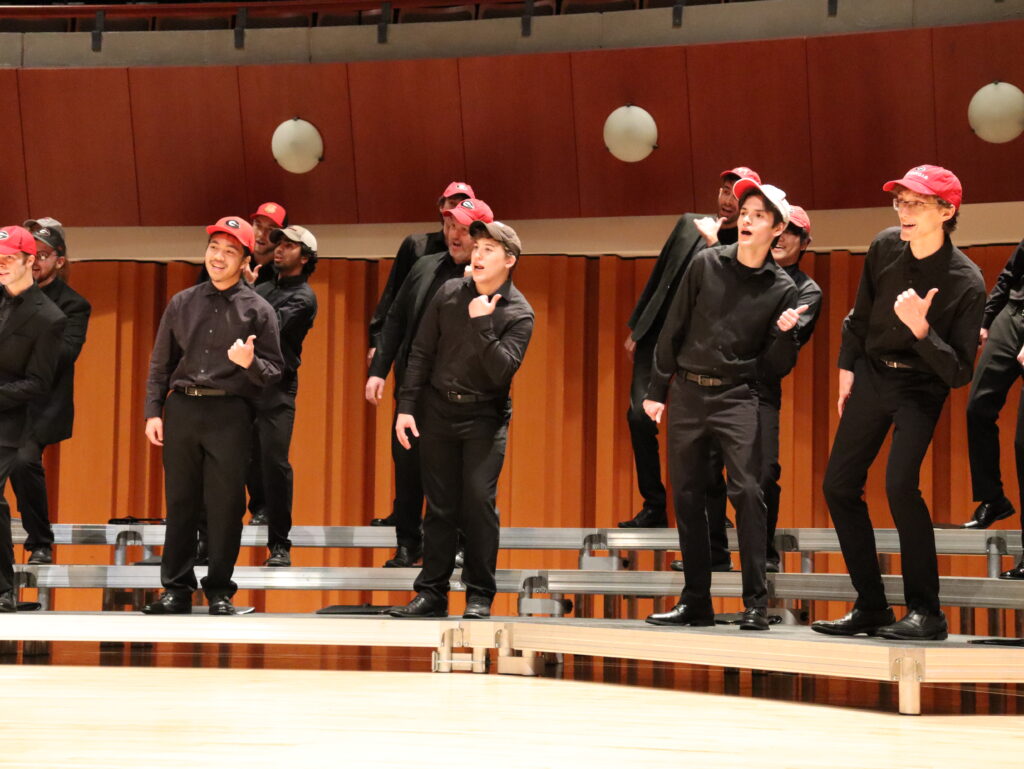

The University of Georgia Glee Clubs performed at Hugh Hodgson Concert Hall on Tuesday, Feb. 27, 2024. (Photo/Libby Hobbs)
Sound mixer control panel

Women Make Strides in Popular Music: Yet, It’s Still Not Enough.

Posted on February 28, 2024June 6, 2024 by Buket Urgen

In the alleged ‘Year of the Girl,’ led largely by women in media, it’s encouraging that women have seen gains in the realm of popular music according to the most recent study published by the University of Southern California’s Annenberg Inclusion Initiative.

But before you pop the champagne, you must know that the all-time high record for female producers on the Billboard 100 chart has reached a whopping 6.5%—yes, that’s right, we’re still in single-digit territory. Meanwhile, female songwriters on the charts reached a new peak at 19.5%.

At the 2024 Grammys, which took place in early February, the main categories were dominated by female artists, with Jon Batiste as the sole male artist nominee in the song, record, and album of the year categories.

Behind the scenes, however, women accounted for just 24% of nominees across all six main categories. No woman was nominated for Producer of the Year for the fourth year in a row; only one woman was nominated for Songwriter of the Year; and of the female-led album and record of the year nominees, men accounted for a majority of songwriters, producers, engineers/mixers, and mastering engineers, which isn’t far off from the reality of the music business.

The resurgence of women in pop music is a poor indicator of how women fare overall. Iconic female artists rely largely on male collaborators. Like Jack Antonoff who is a frequent collaborator of Taylor Swift, Lana Del Rey, Lorde, and Clairo. Or Dan Nigro, a driving force behind Olivia Rodrigo’s talent for nostalgic music. And that’s just in pop music, the genre that female songwriters are most likely to work in.

It’s worth noting that both Antonoff and Nigro got nods in the Producer of the Year category, which glaringly overlooked Catherine Marks, producer for boygenius’s the record, an album that was nominated for and won multiple Grammys this year—maybe one good record wasn’t enough to gain a nomination. But then, what about Dernst “D’Mile” Emile II who, according to the official Recording Academy announcements, was nominated based solely on his work on Victoria Monet’s JAGUAR II?

As per the Annenberg Inclusion Initiative study, if there is an increase in the percentage of female producers on the Billboard charts, then why are they not being recognized? Well, let’s start by putting these numbers in context.

Across nine years, 64 credits were assigned to female producers, with the number dropping to 34 when accounting for individual women across the study. After removing the producers who were also the artists, we’re down to just 8 female producers, which doesn’t even average to one a year. And that’s pretty bleak.

Notably, women of color fare even worse accounting for 19, or 29.7%, of the 64 credits. The ratio of male producers to underrepresented female producers was 100.4 to 1 across the nine-year study.

Although all things considered, the scope of the study feels quite narrow. The study’s author, Dr. Stacy L. Smith, notes that the choice to focus on the Billboard Hot 100 Year-End charts stems from “[the] desire to create career sustainability and generational wealth for historically marginalized communities in music.”

But how do we justify championing artists, songwriters, and producers on the charts without addressing the barriers to entry in the first place?

Things can’t change at the top of the charts until change happens on a smaller scale first. There should be better representation of women, particularly women of color, on the charts, but it is also a very limited view of a rapidly evolving industry.

Increasingly, the definition of “making it” in the music business is no longer what it used to be, leaving many music executives scrambling to make sense of the new landscape.

Since 2020, it’s been widely noted that “breaking” a new artist into superstar territory is getting increasingly more difficult, if not impossible. Though this isn’t necessarily bad news. Artists are still building sustainable careers and loyal fanbases without topping the charts. So, why not adjust our expectations accordingly?

In a 2022 survey conducted by the Recording Academy, the top three barriers to career development were identified as low pay, burnout, and gatekeeping culture. This is the specific gap we must look to fill before we consider anything else. It shouldn’t be expected that equal opportunity and equal treatment will trickle down to smaller artists from the Taylor Swifts and Beyoncés of the world.

Representation at the top is valuable for any upcoming songwriter or producer. And we should continue to advocate for it while we prioritize taking care of the girls who want to write, produce, and engineer albums. Girls and women face challenges just to enter into these career fields, let alone to gain notability.

Music executives who function as gatekeepers, poor work-life balance, and poor pay—among a whole host of other problems—within the industry are large mountains to climb, but it’s where we must start.

Welcome the Sunstones to the Stage

Posted on February 21, 2024February 21, 2024 by Analiese Herrin

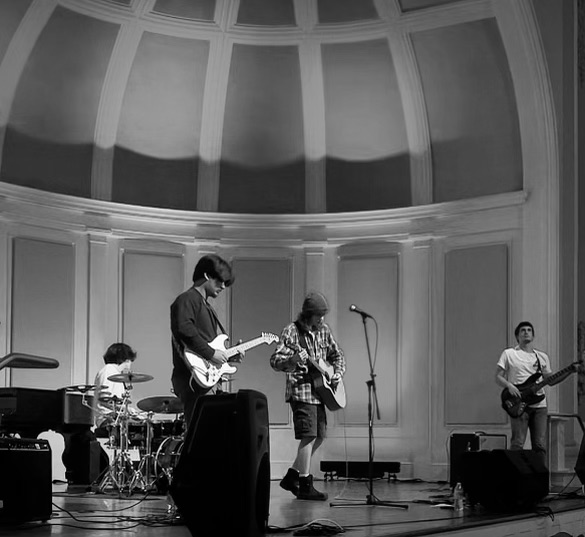
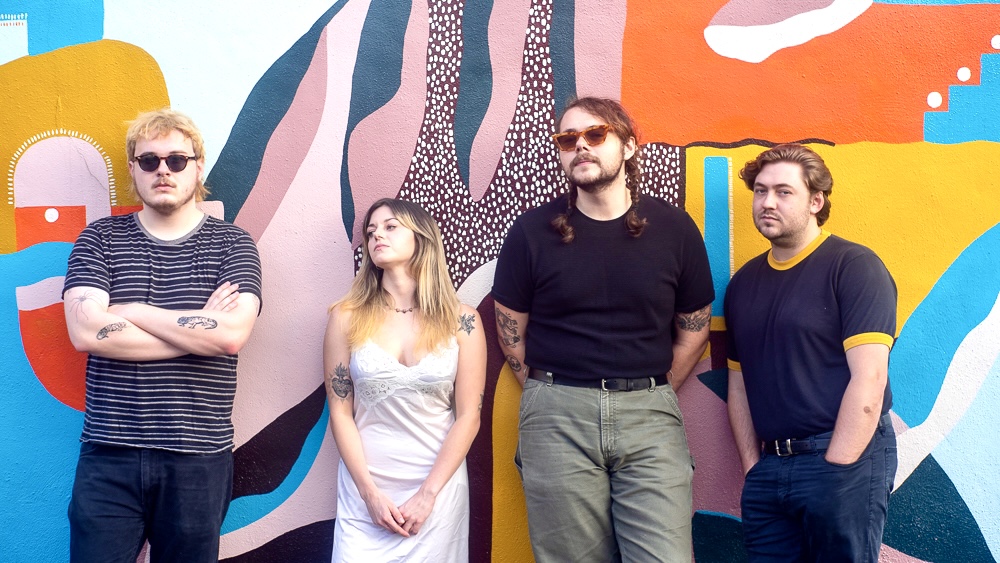
If you have been to any frat party recently, Flicker or even a sorority in Milledgeville, you have probably heard the name Sunstones. This band of four has immersed itself in the competitive music scene of Athens and now, recalls their journey for Vinyl Mag. 

The group met while studying at the University of Georgia. Bassist Jackson Burns first met guitarist Christos Kaloudis at Oglethorpe dining hall three days before classes began their freshman year. 

Their mutual love for jamming paved the way for the two to join forces with vocalists Cole Maston and Jackson Britt. Soon after, the group began practicing. “We all just feel the energy, even when we’re practicing, not just playing for a show,” said Kaloudis. “It’s almost transcendental.” 

Britt found his start as a drummer as early as middle school in Suwanee, Georgia. His mom was his main influence, a 90s musician who found her start on the drumline. Both his parents influenced him towards grunge; however, his personal taste morphed into a mosh-post of hard rock, metal and even a dab of funk. 

Maston, born a Michigan native, got his first Squier Stratocaster guitar in 7th grade and the rest is history. Pulling his influences from the passionate depths of grunge vocalists, Maston emits raw emotion in his vocal performances, a discovery he made during his junior year of high school. 

In seventh grade, Burns was given his first telecaster by his dad. However, he didn’t start playing until he was in eighth grade when he heard ‘Leila’ by Eric Clapton and knew music was what he wanted to pursue. It was when Burns was in the throws of learning Joshua’s Law in 10th grade that he decided to pick up bass.

Kaloudis’ journey began in a Wal-Mart. He saw a $20 acoustic guitar, bought it and began taking lessons straight away. What started as simply playing the Eagles on this acoustic guitar turned into a full-blown, Zeppelin-inspired electric guitar saga that materialized six months after that compulsive Wal-Mart purchase. 

The group debuted in the spring of 2023 at a Sigma Phi party as a cover band melding together their individual influences from The Red Hot Chili Peppers to Pink Floyd to Black Sabbath. 

Improvising is the name of the game for the Sunstones. A slight nod or vicious eye contact leads the members to create a sense of organized chaos as they riff off of each other. 

“We were playing down in Milledgeville and something went wrong,” said Burns. “But the improv that happened was borderline intentional.” 

Since their debut, the Sunstones have played all around and outside of Athens with various bands, finding what playing as a certified Athens local band means to them as a collective. 

“A lot of people are really only in bands for the allure of it,” said Maston. “I can confidently say that for all of us, that’s kind of just an added bonus, you know we really enjoy playing music, we enjoy playing with each other and more importantly the whole process.” 

Though the group is still a cover band, they have been writing originals since the beginning. With over 30 original songs in their arsenal, they have combined their inspirations and unique rock-grunge sound that vibrates the crowd. 

“I think all four of us kind of have our own distinct sound,” said Burns. “When that comes together, sometimes there’s clashing but when we get it right, it sounds really good.”

So what can audiences expect from the Sunstones? 

From a small studio, they will be pulling from their large collection of original songs to record demos with Tweed Recording studios here in Athens to deliver a grunge-rock EP that will shake up the Athens music scene. So, keep your eyes open and your ears ready.

A promotional photo for Succession Season 3.

Nicholas Britell Redeemed Us All at the Roulette Table

Posted on February 16, 2024February 18, 2024 by Damian Thomas

During the production of financial drama The Big Short, Adam McCay made a bewildering discovery. His producers had sent off the movie’s working script to freshly hired composer Nicholas Britell for notes. He didn’t know at the time that Britell had done a stint at Bear Stearns as a currency trader. “Why is the composer giving me notes on my work?” Britell recalls McCay asking in a RogerEbert.com interview about the incident. “Who does this guy think he is?”

The answer, nearly a decade later, is abundantly clear: he’s the Grammy-nominated, Emmy-winning composer of Succession, Star Wars: Andor, Moonlight, and over a dozen other critically acclaimed films and television shows of the last two decades. And though he rarely writes script notes, his work nonetheless embodies, expands, and elevates the shows and films it’s a part of in a way wholly unique in Western prestige media.

Britell’s ability to embody the emotional reality of a given work and distill it into musical form is present throughout his soundtrack for The Big Short. While working on the project, Britell was tasked with trying to use sound to depict the frantic, labyrinthine world of Wall Street, and the very first track he composed for the movie was “Redemption at the Roulette Table.” The track plays at an emotional turning point in the film, where the sheer scale and scope of the coming financial crisis are becoming clear to the main characters. Accordingly, the track feels like a grim portent of the future, driven forward by an anxious ostinato that slowly grows in volume while a frantic piano desperately tries to ignore, downplay, and suppress it. It instantly conjures the feeling of repressed dread and feigned expertise that characterized the doomed foolishness of pre-2008 Wall Street—the very same world that The Big Short centers its story around.

But the ability to embody the feeling of a narrative is one thing—to build upon it is another. It’s in Succession where Britell’s work takes that next step, and it was appropriately the project for which he won his Emmy. It is not an exaggeration to say that a great deal of Succession’s unmatched ability to compel the viewer’s attention, empathy, and horror is owed directly to Britell’s score. Succession, for all the brilliance of its writing and acting, is largely a show about businesspeople in suits talking in various rooms. It could very easily slip into dullness as the viewer’s eyes glaze over while the main characters talk about stock prices, bear hugs, and political maneuvering, but it’s Britell’s score that lends these conversations the Shakespearean grandiosity that the show has become known for. Often, the show will use character leitmotifs and musical stings to provide narrative subtext that would otherwise be impenetrable—and the show uses them just as often to smash the viewer’s heart into pieces.

An example of both cases is on full display in the show’s Season 1 finale. In it, the show’s main character, Kendall Roy, has been implicated in a monstrous crime, and his father fully intends to use said crime to blackmail him into taking his side in a corporate spat. For nearly three whole minutes, the two men play the usual Succession game where both try to get the other to submit, often leaving large pockets of absolute silence between each jab. Finally, realizing the utter hopelessness of his situation, it is Kendall who surrenders—and as soon as he does, a withered, despondent rendition of the show’s main theme plays.

Arrangements of Succession’s main theme often play in the show’s major emotional turning points, but what makes this usage special is what it doesn’t have: namely, the booming 808s and hip-hop drums that are present both in the main theme and in tracks that are meant to represent Kendall and his ascendency. Instead, it is only the wistful, orchestral lament in the main theme’s B section that is represented in this rendition: the section that plays during the part of the intro that contains footage of the Roy family’s childhood upbringing.

In this musical choice, an immeasurable number of things are said without a single word being spoken. In his defeat by his abusive father, Kendall’s self-confident bluster is obliterated, leaving only a desperate little boy and the leitmotifs that represent him behind. Britell’s score quite literally reduces him to a child again, singularly concerned with the approval and affection of his father and uninterested in carving out any space in his life for his own self-actualization. This reduction is echoed by one of the darkest lines in the entire show, uttered by Kendall’s father Logan towards the end of the episode:

“You’re my boy. You’re my number one boy.”

Jeremy Strong’s (Kendall) and Brian Cox’s (Logan) performances are undeniably stellar, but without Britell’s soundtrack, this scene would merely be an isolated great performance by two show-stopping actors. But Britell’s score—with his masterful usage of leitmotifs and his unyielding commitment to arrangement-as-storytelling—elevates this moment to cosmic proportions. With just a few notes, Britell grounds this scene in the larger context of the show’s plot, themes, and character backstories. In ending the season with the very same motif played in the main theme, he depicts a Roy family enslaved to the legacy of their trauma, cyclically repeating the same mistakes, inflicting the same pain, and reopening the same wounds.

Britell may not write script notes in the margins of all the projects he’s a part of, but his immeasurable impact on the works he’s scored more than makes up for it. He’s a testament to what’s possible when scoring is taken seriously as a load-bearing piece of filmmaking—and a testament to what’s possible when musicians unapologetically adopt the role of storyteller.

Score Soundtracks For Your Whimsical Fiction Movie Life

Posted on February 10, 2024February 10, 2024 by Libby Hobbs

We all need a whimsical fictional world to escape to now and then. There’s How to Train Your Dragon to make you feel like you’re soaring, and Tangled to get you up off your feet. UP is a real tear-jerker, but Monsters Inc. is a real toe-tapper—all this to say that score soundtracks are a seamless way to transport us into those fictional worlds we crave.

As I’m reminiscing on my time spent in Copenhagen, Denmark, this past summer, I’ve listened to a lot of fairytale scores. Copenhagen was magical—the weather, the air, the scenery, the almond croissants, the parks, the people—I could go on. I was exploring the city on a bicycle when I stopped to take this quick photo shown above. That moment didn’t feel real.

Then again, nothing about travel feels quite real. As soon as I felt the plane take off, a supernatural buzz consumed me. Even though I’d only flown on a plane once before trekking to Denmark, I still knew I had to have a playlist ready for takeoff. The perfect song for being hurled hundreds of feet into the atmosphere: “Test Drive” from the How to Train Your Dragon score.

Here is a playlist of the best scores to be in your fiction movie moments—times like when I biked around Copenhagen and wondered upon the most perfect scenery.

5 Things You Should Know About the UMG / TikTok Dispute

Posted on February 7, 2024February 7, 2024 by Buket Urgen

On January 31st Universal Music Group’s licensing deal with TikTok expired to the dismay of almost everyone. A day before the expiration, UMG released a statement about the breakdown in contract negotiations, alleging that TikTok tried to “bully” them into a subpar deal. TikTok responded hours later stating “It is sad and disappointing that Universal Music Group has put their own greed above the interests of their artists and songwriters… TikTok has been able to reach ‘artist-first’ agreements with every other label and publisher. Clearly, Universal’s self-serving actions are not in the best interests of artists, songwriters and fans.” Ouch.

Now, TikTok is deleting UMG’s catalog from its databases, and muting videos that feature UMG songs. UMG, the largest label/publisher in the world, houses some of the biggest artists of our time—Taylor Swift, The Weeknd, BTS, Bad Bunny, Ariana Grande, Billie Eilish, and many, many, many more. For TikTok, an app reliant on music at its conception (and perhaps still), it’s unclear how many videos will be affected—millions surely.

The palpable hostility in the company’s respective letters makes it unlikely that any deal will be reached soon. Both companies will face consequences. Almost certainly, one will fare worse than the other. For now though, here are five things you should know about this heated dispute.

1. TikTok pays artists based on the number of videos that use a soundbite, not the number of listens it gets.

This is critical background information.

TikTok, unlike other platforms similar to it, pays royalties per video a song is used in, not per view the videos get. Thus, the popularity of a clip means nothing. Whether a video gets a billion views or one view, rights-holders will earn the same amount regardless. Maybe this made sense before TikTok gained mega-popularity. Now, a company with over a billion annual users (as TikTok boasts in its statement) should be responsible for more no? With this kind of math, the more listens a song gets on TikTok, the less it earns for rights-holders for the value it provides to viewers.

Got all that? Now, let’s move on to the current.

2. UMG wants more protections for users, not just more money.

UMG blames the breakdown in negotiations on TikTok unwillingness to budge on three issues. The first (and the most frequently discussed in media) is sufficient compensation. Not unexpectedly, both companies want as much money as they can get. According to UMG, TikTok’s proposed deal would pay artists and songwriters “at a rate that is a fraction of the rate that similarly situated major social platforms pay” and “worth less than the previous deal, far less than fair market value.”

The second key issue is protections against AI-generated songs. TikTok recently launched a feature that allows users to generate songs from user prompts, even allowing for multiple genre options. TikTok allegedly asks for a contractual right to these songs, thereby diluting the royalty pool for human creators. Streaming royalties typically do not pay a set amount per song, but rather divide a certain percentage of revenue amongst the rights-holders. AI-generated songs, which can be produced at a volume far greater than any artist or songwriter could achieve, could potentially flood the market, overshadowing songs created by real humans.

Finally, the third key issue raised is the online safety of TikTok users, a prevalent problem for most social media platforms. UMG contends that the platform’s handling of copyright infringement, problematic AI-generated content, and harassment and hate speech is a cumbersome and inefficient process. It demands greater measures to address the growing need for moderation of such harmful content for the safety of all users.

TikTok’s curt counter-statement offered zero additional insights to these claims.

3. TikTok’s defense is a familiar refrain in the music business.

What TikTok’s statement did do is attempt to capitalize on decades-old defunct logic. In its letter, TikTok argues that it serves as a “free promotional and discovery” service for artists, and UMG struck back quickly calling the rhetoric “woefully outdated.”

Musicians are frequently asked (and expected) to provide their music for free, whether through performances, physical merch/music, or digital downloads. The benefactors argue that in exchange for these goods and/or services, the artist receives exposure. Music, however, is more than just a cultural touchstone, it is also a source of income and career for many. Artists give up their time and their resources to provide services. If music is what attracts patrons to a venue, then the artist is providing value that should be compensated for.

The same argument applies to TikTok’s platform. Expecting musicians to create their work for no real compensation, particularly when creators drive people to your platform in the first place… seems a bit unfair no? As UMG contends, TikTok’s dependency on music and its inception as a music-centered service originally called Musical.ly rationalizes that TikTok derives immense value from musical creators. No one seems to agree on how much that value is worth just yet.

4. A lot (like really, a lot) of songs are going to disappear from TikTok.

Now that the deal has expired, UMG’s catalog is disappearing from TikTok. UMG is the largest of the big three major labels (followed by Sony and Warner). Its catalog of artists is humungous, consisting of major players and rising stars. However, what’s important to note is that an artist doesn’t have to be signed to a UMG label for their songs to be removed. Any songwriter, signed to UMG’s equally large publishing group, will also see their catalogue disappear. The removal process might take a little bit longer, but its escalating impact will be sorely felt.

5. This will likely expose problems with the “viral hit” approach to breaking new talent.

Now, let’s consider something else: what do the labels have to lose? Although UMG noted in its letter that TikTok royalties account for roughly 1% of UMG’s total revenue, it’s more than likely that TikTok’s impact was being felt in other revenue streams as well, as TikTok inadvertently directed listeners to traditional streaming services.

In recent years, labels have been reckoning with the increased difficulty of converting emerging artists to mainstream fame. TikTok had a somewhat democratizing effect on the music business. Although the almighty algorithmic gods have their own unpredictable whims and require relentless content production from artists, it also gives them a greater opportunity to build momentum without the traditional resources that come with a record deal.

Labels monitor viral trends like hawks to snatch the hottest new thing as soon as possible, banking on recouping investments quickly as the streaming numbers are already there. Then, instead of building on viral moments by investing in traditional marketing and properly developing young artists, labels offload the work onto artists, relying on continuous virality.

Ultimately, something has to give. Social media-discovered artists must learn to build sustainable, organic fan bases. Perhaps, this might be just the thing to shift the music business (again) into a newer direction. Or maybe, UMG and TikTok will bury the hatchet when they recognize the symbiotic nature of their relationship. Meanwhile, emerging artists will continue to hope that they’re not the ones who get screwed over (again) somewhere in the process.

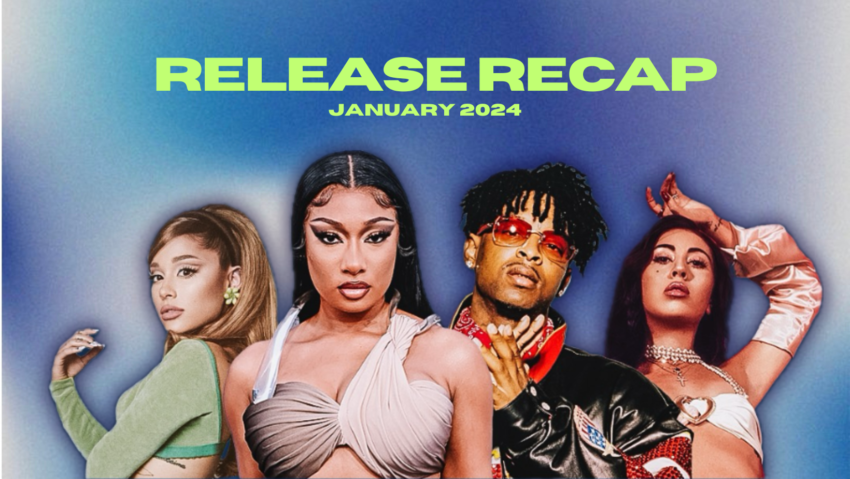
RELEASE RECAP: Best New Music of January 2024

Posted on February 3, 2024February 3, 2024 by Alex Carrillo

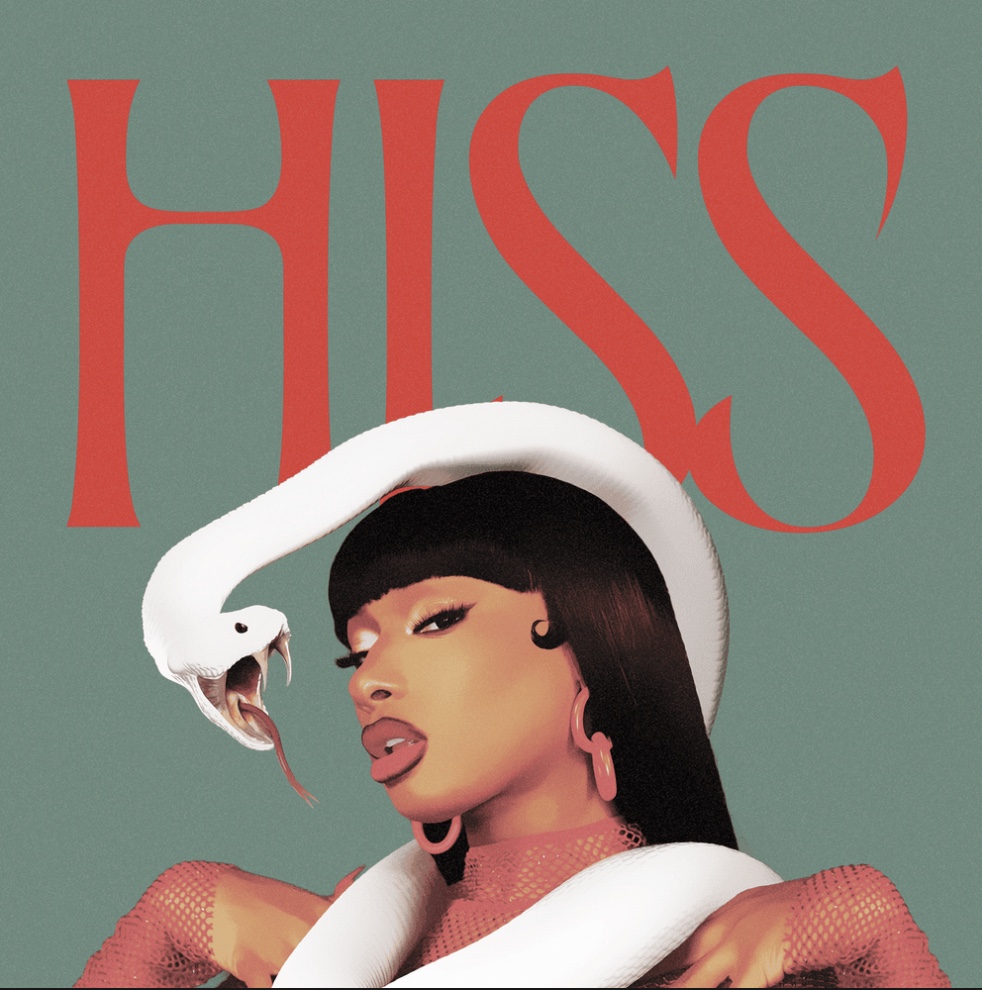
January was an exciting month for new music—from Megan Thee Stallion’s string of disses in her latest track “Hiss” to the controversy surrounding Ariana Grande’s relationship in “Yes, and?”. Vinyl Mag is here to deliver with our staff picks of the top music released each month. For a taste of our favorite singles and albums, tune in for a release recap every month!


Kali Uchis, Orquídeas
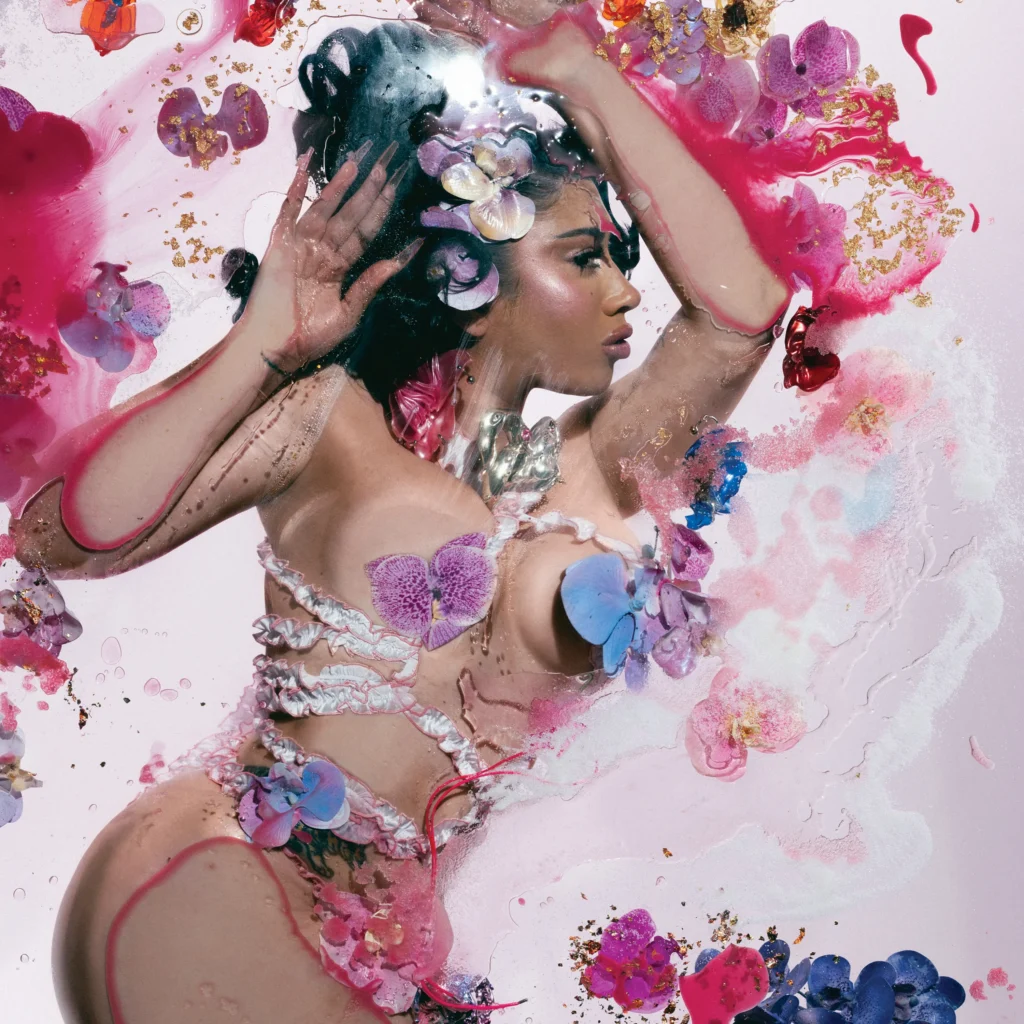
Colombian-American singer and songwriter Kali Uchis released the album Orquídeas, meaning “Orchids” at the start of the month. This is her second Spanish-language album, following 2020’s Sin Miedo. Some notable features on this album are Peso Pluma in “Igual Que Un Ángel”, Rauw Alejandro in “No Hay Ley Parte 2”, and Karol G in “Labios Mordidos.” Uchis also shined a light on many genres in this album, from house to R&B to reggaeton, ultimately making this album extremely versatile.


21 Savage, American Dream
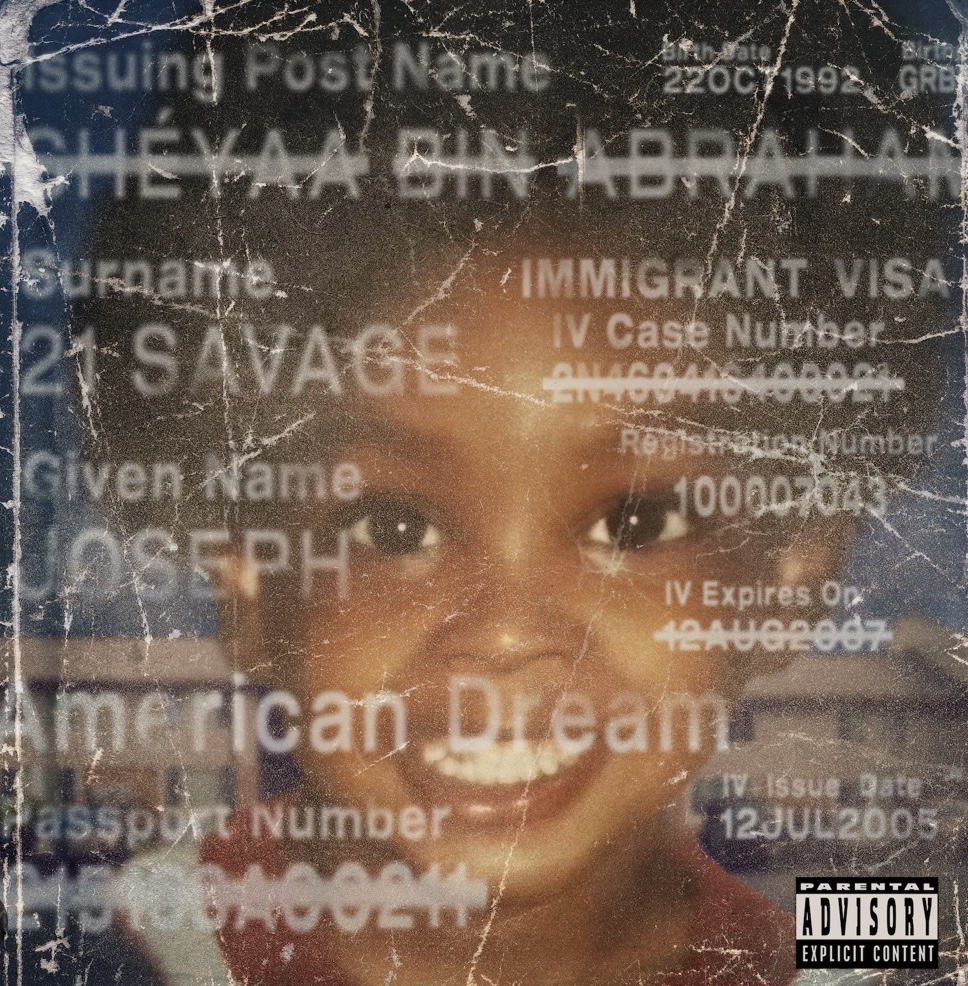
American Dream is 21 Savage’s third studio album release, summarizing the ups and downs of Savage’s life in America. From the artist’s ICE arrest in 2019 to fallen friends and gang relations in Atlanta, he paints his persona neutrally throughout this album. It has notable features with Summer Walker, Brent Faiyaz, Travis Scott, and Metro Boomin. Savage, who had a jam-packed 2023, co-headlining with Drake on the “It’s All a Blur” tour, still plans on being a part of more features and projects as the year progresses.


Ariana Grande, “Yes, And?“
Ariana Grande’s new single “Yes, and?” is an upbeat song experimenting with genres like house and ballroom. Many also noted Grande’s inspiration from Madonna‘s 1990 hit single “Vogue”. “Yes, and?” has topped billboard charts and is still in the top ten at the date of publication. However, Grande is facing a divide among her listeners due to the controversial lyrics, which belittle the backlash surrounding her relationship with Broadway star Ethan Slater.


Megan Thee Stallion, “Hiss“
“Hiss” is spot on for Megan Thee Stallion’s snake theme, following her previous single, “Cobra”. It’s her second song released through her independent label Hot Girl Productions. In “Hiss,” Megan disses numerous celebrities who have previously spoken negatively about her in the past. Some notable callouts include Drake, who dissed Megan in “Circo Loco” from his 2022 album Her Loss, and Tory Lanez, who was on trial for assault after shooting Megan in the foot. Nicki Minaj is gaining notable traction, after assuing that the lines “don’t be mad at Megan / but that they’re mad at Megan’s Law” targeted her husband, a registered sex offender.

EP PREMIERE: A Look At Honeypuppy’s Speculative EP ‘Nymphet’ Track By Track

Posted on January 22, 2024January 29, 2024 by Buket Urgen

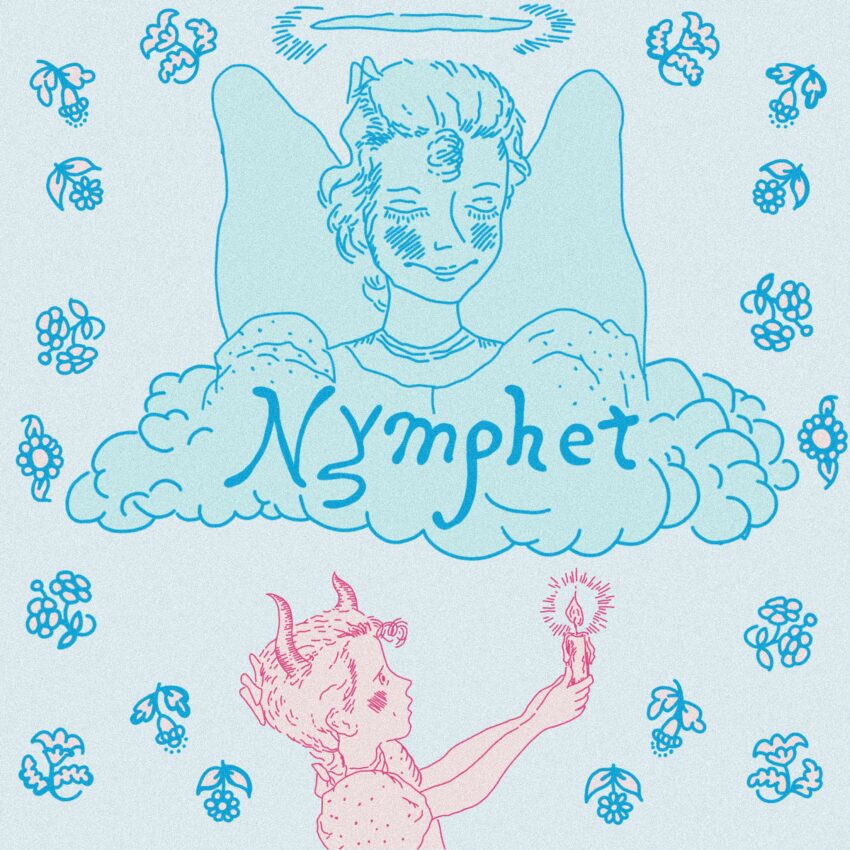
Athens-based Honeypuppy is set to release its EP Nymphet across all streaming services tomorrow, January 24th, 2024. At Vinyl Mag, I had the opportunity to chat with lead vocalist and guitarist Josie Callahan and bassist Adam Wayton for an early listen to their soaring new record to discuss each track.

The title Nymphet, meaning ‘a sexually attractive girl or young woman’, comes from the EP’s pointed musings on girlhood and youth. Callahan observes “It can be very pretty and sweet but also something that could make you go crazy, just being a girl in general. It’s exhausting.” Equally inspired by Callahan’s time as a preschool teacher, she molds her experiences into meditative lyrics over punky, poppy music.

Vinyl Mag readers can get an exclusive early listen to the EP right here at this link. Read below for a track-by-track breakdown of each song.

Penny Press

“Penny Press”, inspired by the Penny Press/Dell puzzles magazine, was the very first song the band recorded together. The inspiration came to Callahan while she worked on a crossword puzzle, weaving in an old nursery rhyme her grandmother used to sing to her when she was young called “There Was A Girl With A Little Curl” that goes ”When she was good she was very very very good / When she was bad she was horrid”.

Included in the EP, is the demo recording of “Penny Press”, originally recorded for a class project in fall of 2020. The demo features a light surf rock tone, with the final recording shifting into an edgier vibe with harsher guitars and more muted vocals.

Suck Up

For “Suck Up”, Callahan came up with the lyrics “pass me the tape and pass me the glue / I’m gonna stick stick stick myself to you” while doing arts and crafts with her students. It chronicles the familiar feeling of having a crush and assuming the worst—that they don’t return your affections. To her the song sounds like when you “want someone to like you back but in a forced way almost”. Wayton remarks that song heavily drew from punk rock influences. And obviously, nothing says teen angst and trepidation better than punk rock.

Thrum A Thread

“Thrum A Thread” draws heavy inspiration and verbiage from Robert Herrick’s 17th-century poem “Upon Some Woman”. The imagery in the song paints the picture of a woman stitched together like a rag doll. Callahan and Wayton reflect on the technical difficulty of recording this song, which required two separate click tracks with the two versions needing to be stitched together in the studio. Towards the end of the song, the pace picks up for a bridge, eventually slowing back down to the original rhythm with a drawl, singing the final line “Would it kill you to be a little bit meaner to me?”

Nymphet

The title track was the first song Callahan wrote for the record, reflecting on “a situation when someone is infatuated by somebody older.” The song’s tone is overall quite creepy. She says of her six-year-old self “I remember having a crush on one of my dad’s band mates,” reflecting on the humor of the situation now. Her favorite line “You’re a tooth and I’m a fairy” draws upon a very literal image of her coming back from ballet in a fairy costume and seeing her dad’s band in practice.

There’s a stark contrast between the demo recording and the final piece. The demo recording featured at the end of the EP is a raw and unfiltered piece. Callahan decided to put it on the EP, admiring the imperfection of the amateur recording with quirks like the kitchen timer used as a metronome.

Kerosene

In “Kerosene”, Callahan once again turns to a dark subject matter but with an inclination towards humor and unserious whimsy. The song came from a riff Wayton originally wrote for Telemarket, another Athens band he also plays with. He decided to give it to Callahan for the record because “it seemed like a cool fit and I knew we were trying to do another high-energy song.” As a true-crime girlie, Callahan had the idea to write a song about the MacDonald triad, an alleged phenomenon that bed-wetting, animal cruelty, and lighting fires in adolescence are indicative of a potential for violent, serial crimes in the future.

Honeypuppy works alongside Indecent Artistry, a recent Athens upstart and boutique label services provider, to release Nymphet alongside a limited edition run of tapes and a brief southeast tour at the end of January. You can catch them here:

1.24.24 – Athens, GA EP release show @ World Famous w/ Sunset Honor Unit, Neat Freak

1.25.24 – Nashville, TN @ Springwater Lounge w/ Zook, Iven, Fresh Air 4

1.26.24 – Knoxville, TN @ Pilot Light w/ Lucy Abernathy, Jorden Albright

1.27.24 – Chattanooga, TN @ JJ’s Bohemia w/ Sun Bleach, Landis Zehrung, Catherine Campbell

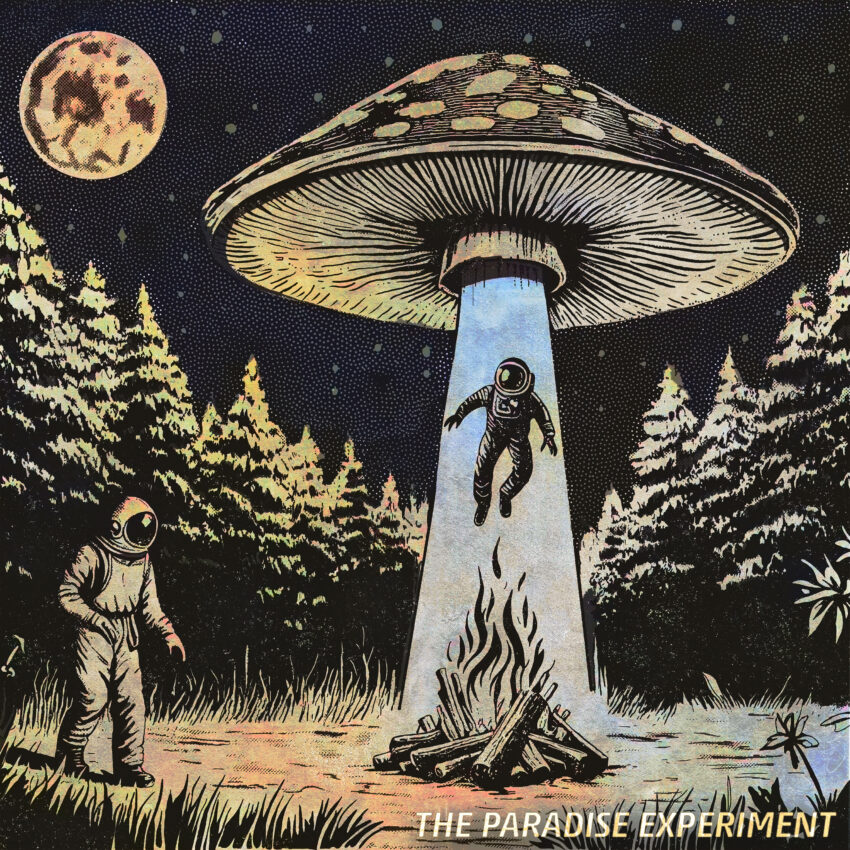
The album’s cover photo featuring two astronauts, one being beamed into a mushroom-shaped UFO above a fire pit, while the other watches on.

Review: Cam and his Dam Jam Band: ‘The Paradise Experiment’

Posted on January 15, 2024January 15, 2024 by Buket Urgen

Athens-based Cam and his Dam Jam Band released their first full-length album, The Paradise Experiment, on January 1st, 2024. On the new record, the group hosts jazzy, groovy coffeehouse tunes that drawl on and on, clocking in at just under 50 minutes with eight songs. The album features the band’s 2023 single “Gypsy Magic Woman”, a psychedelic retro-sounding anthem (with an ill-advised concept), as well as an extended version of “Jet Black Moon”, originally released in 2021.

Cam and his Dam Jam Band make ambient music, not typical for the post-streaming world, but like their name, it calls back to an earlier era of jam bands and music made to be enjoyed live. Exemplified excellently by the opening track “Backpack of Stone”, this gargantuan track is nearly 10 minutes long. Except for two songs, all tracks on the record are beyond the 5-minute marker. The focus of the record is on evoking emotions using melody, tempo, and a fun array of instruments.

The musical elements are infused with sparse lyrics that tend to tell a story with only a few changes in wording. “Rob a Bank”, a western-style song, is an entertaining take on the outcast character on the run from the law. Parleying between “don’t rob a bank” and “let’s rob a bank”, the track leans on American mythology, familiar to almost everyone. The track ends in a call-and-response fashion, with lead singer Cameron Norton sounding conflicted as a chorus of voices try to dissuade him.

The diversity in the band’s repertoire is apparent, particularly in the second half. “My Potion / Three Hours Later” featuring two songs in one wrestles with these subtleties. The song begins with a rather romantic sound, which feels almost yearning. As we fade into “Three Hours Later”, the mood shifts into a more melancholy tune, with a bass that underlines the comparative emptiness of the track. “Jet Black Moon” drives further into the melancholia with an increased moodiness and lyrics alluding to isolation and loneliness, singing “ain’t nobody there to hear me now”.

The record wraps, appropriately, like a live show. “Carry Her Away” takes place on stage, a moment where Cam looks out into the audience and pines for a lady he spots, ultimately unable to get to her. He sings “Now I’m searching but she’s on the run / I was hoping that she would stay”. “Afterparty”, the shortest track by a large margin at one minute and 21 seconds, has all the oomph and joy of a celebratory post-show after-party.

Unfortunately, the familiar story of the gypsy invoked in “Gypsy Magic Woman” does leave an unsavory taste. The term “gypsy” comes from the mistaken belief that the Romani, also known as the Roma, originated from Egypt. It’s been characterized by decades of cultural references from Esmerelda in The Hunchback of Notre Dame to songs by Shakira, Fleetwood Mac, and Lady Gaga. Often it refers to a provocative woman, a wanderer, a wielder of dark magic, or a cunning thief, sometimes a mix. The history of the Roma is fraught with decades of persecution across Europe and beyond, spanning genocide during World War II to forced sterilizations into this century. The term gypsy is an extension of that persecution and is seen by most as a racial slur. Thus, it’s unfavorable and objectionable for Cam and his Dam Jam Band to lean into the gypsy stereotype with a song and visuals to back it up. Though, without a doubt, a reflection of the lack of knowledge on the subject in the US.

In The Paradise Experiment, Cam and his Dam Jam Band harken us back to when music at will was indispensable to most, with the live local band being a staple in everyone’s soundtrack, giving us the ambient music we would feel so plain without. Skipping over the poorly titled “Gypsy Magic Woman”, you’ll find an otherwise impressive selection of music to groove and jive to. If the point was to create an advertisement to go and see the dam jam band live already, well then I’d say it worked.

Review: Olivia Dean: ‘Messy’

Posted on December 16, 2023December 16, 2023 by Buket Urgen

London-based Olivia Dean, 24, released her debut album Messy (EMI Records) in late June. As featured on my Staff Picks list, Messy is a collection of delicate and soft reflections on young adulthood that I was immediately drawn to. Oscillating between unbridled love and joy and melancholy reflections on life, Dean showcases a vulnerable ethos, making the record an ideal companion for musing on one’s own life and inner world.

Recorded over two weeks in her hometown, Dean led the album with her heart, not her mind. Leaning into her own creativity, Dean’s first priority was pleasing herself by making a record that she loved. Her relaxed attitude shines through with music that simply is, rather than pretending to be something it’s not. Messy boasts simple melodic patterns, tight and straight-to-the-point narratives against a backdrop of whimsy keys, jazzy brass ensembles, smooth rhythms, and even a steel pan. Dean’s musical landscape is reminiscent of the United Kingdom’s previously most iconic neo-soul export, Amy Winehouse. In “Dive”, a vibrant portrayal of recklessly falling in love, one finds traces of Winehouse’s “Valerie” and “You Know I’m No Good”.

Messy’s strongest point is Dean’s instinct for self-reflection. In “Ladies Room”, she meditates on a boy who holds her back and how to let that go, via an ode to the unifying experience of drunken exchanges with strangers in the women’s restroom of a bar. On “The Hardest Part”, an earlier single, she ruminates on growing out of a teenage romance. She’s both vulnerable and self-assured, presenting an antidote for the post-break-up blues in song.

On the album’s title track, Dean relinquishes herself from the urge to present as put-together, singing ‘It goes, you can let it / It’s okay to regret it / I’m on your side’. Singing along feels like therapy through repetitive affirmations. In the penultimate, “Everybody’s Crazy”, Dean observes the universality of anxiety and insecurity. As with earlier tracks, simplicity allows her meaning room to breathe.

Dean dedicates the album’s final track, “Carmen”, to her grandma, who immigrated to the UK from Grenada as a part of the Windrush generation. She honors the quintessential immigrant story: the courageous young immigrant, against all odds, starting anew in a foreign land for future generations of one’s kin. Her gratitude for this unrequitable debt is evident when she sings “You transplanted a family tree / And a part of it grew into me”.

The album chronicles the beginning of a new relationship in “Danger”, a standout single with a groovy rhythm. It encapsulates the anxiety of entering a new relationship, which can be particularly daunting after a recent heartbreak. It’s a reflection of Dean’s happy-go-lucky attitude and persistent optimism, which is the common thread in the entire album. Even her sad songs feel hopeful about the future and relish in her evident confidence. It’s not easy to write a record with depth but it’s even harder to make it expectant and reassuring despite being, well, messy. It feels easy to give in to our personal problems amidst the daunting pressures of today’s stressors and troubles with blunt gloominess, but Dean shines by doing the opposite. This is a happy record, deviating from what we’ve been accustomed to in the current pop landscape—simply put, it’s a breath of fresh air.

  • Previous
  • 1
  • 2
  • 3
  • 4
  • 5
  • …
  • 156
  • Next

The Latest

  • COACHELLA RECAP: the comeback of Coachella?
    by Alex Carrillo
  • UGA MBUS Student Ritika Sharma Forges Her Own Pathway
    by Libby Hobbs
  • Staff Picks to Satisfy Your Inner Choir and Band Nerd
    by Libby Hobbs
  • Staff Picks for Your Perfect Granola Playlist
    by Libby Hobbs
  • ‘It’s Only Life After All’: The Legacy of the Queer Folk Women Duo, Indigo Girls
    by Buket Urgen
  • Contact
  • Work With Us
© 2026 Vinyl Mag | Powered by Minimalist Blog WordPress Theme