
Category: Reviews

Deerhoof: ‘La Isla Bonita’
After various albums and singles, Deerhoof drops their newest album, La Isla Bonita, tomorrow, November 11th. The Spanish title – translated to “the beautiful island” – does in fact emulate the energy of an island, complete with parties and quiet nights at the bonfire. The album is an experimental compilation of tracks that are beachy and bubbly as well as slow and soothing.
Appropriately, “Paradise Girls” opens the album with techno, upbeat lyrics to set a dance party atmosphere. A quick, electric beat combined with a distorted pop guitar brings an eccentricity and alternative vibe to the album. Immediately, Deerhoof recedes with “Mirror Monster,” which embodies the ambient mood and relaxation that comes with island time. Echo effects on the guitar and airy vocals give the track and ethereal mood. Interestingly, the track takes on a different sound three quarters of the way through with a simple, somewhat ominous guitar, but then quickly returns to its original ambient style.
The eccentric sounds return with “Doom,” a track with beachy guitar riffs and lyrics representing the east coast, west coast, and everything in between. La Isla Bonita takes a turn towards punk with disconnected guitars in “Last Fad,” but keeps it soft and feminine with airy lyrics. Again, the uncommon combinations and shifts of sounds is what make this album so unique.
“Last Fad” may not have many layers – rather, it has various phases. The soft lyrics move from distinct punk guitars to quick riffs, to simple beats, to synthesizers and finally back to the soft lyrics that glue the track together.
“Tiny Bubbles” follows with a fittingly “bubbly” sound and flowing guitar loops, as well as the signature ethereal vocals to generate the relaxing aspect of the album. Deerhoof keeps their listeners awake with “Exit Only,” which features a more prominent punk style with rock guitar sounds and rebel calls.
In my experience, I’ve come across many instrumental tracks in contemporary music, sometimes as an intermission or just randomly. “God 2” appears close to the end of the album. As a great appreciator of classical music, I love to see how artists preserve and modernize the genre. “God 2” brings a fun, surfer vibe to the classical form and continues the albums techno sound.
From “God 2,” the album starts to simmer down and come to an end with “Black Pitch” and “Oh Bummer.” “Oh Bummer” opens with ambient, male vocals, different from the rest of the album, which is prominently feminine. The track also seems to stray from the past techno beats with mostly raw guitar sounds that range from deep, western riffs and high pitched strums.
Like the ocean tides, La Isla Bonita is ever changing and refreshing, constantly going from high to low, rough to calm. Deerhoof keeps listeners engaged and surprised with each track, compiled into one unique and eccentric album.
Be sure to check out Deerhoof‘s La Isla Bonita tomorrow. You won’t regret it.
3/5

Wieuca: ‘Wieuca’ EP
Following last year’s release of There Is No Balance, Wieuca is back at the end of 2014 with a new self-titled EP. They abandoned some of the country vibe that was found on the debut album, trading in the pedal steel for heavier fuzz and snarling feedback. The result of this brings out a certain space-like listening experience that transported me from my couch into a psychedelia-tinged trance for the EP’s 21-minute duration.
“Morning Light” starts the album off with a solid basis, providing a killer groove that made me think of the Alabama Shakes in the verse and REM in the chorus. Not bad things, not at all. The song transitions into the second track, “Geisler,” with ease. This is something that the band does nicely all throughout the album. “Geisler” and “Mind Control” are both huge musical soundscapes, using atmospheric guitar tones and copious amounts of sweet distortion to create multiple layers within each song. “Planet” has a nice slow build that moves from a guitar and vocal driven melody to a sharp and heavy breakdown to finish out the song. “Shining Black” brings a fitting close to the album, soaring high with echo driven guitar solos. Wieuca does a great job controlling the flow of this last song, dropping into slow guitar driven lines and slowly building back to absolute sonic chaos.
Wieuca’s second offering is an excellent example of a band that is doing things right. The EP sounds well polished and shows that the boys of Wieuca are starting to hit their stride. This EP does a great job of showcasing some of the musical evolution that the band has become known for. It showcases elements from their live performances, something that comes from just simply playing in front of people. As the band continues to grow, so does their music. Though in the same vein as the first album, Wieuca shows maturity and growth. These really are some excellent tunes.
Jesse Gimbel: ‘Decathect’
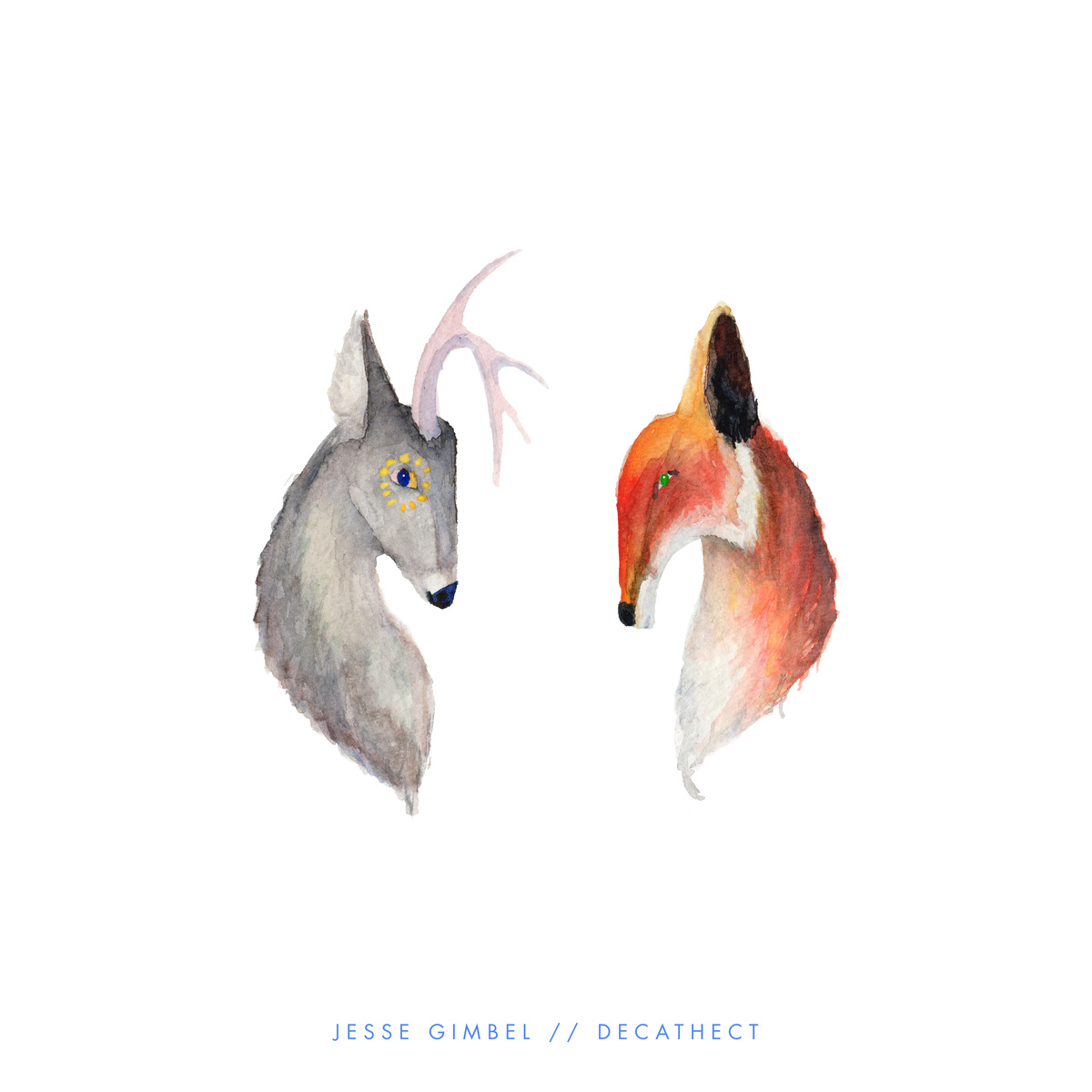
Producer and engineer Jesse Gimbel recently released his solo album, Decathect, with Wissahickon Records, and by solo I do mean this is literally a one-man band. Gimbel plays guitar and drums, and even records, produces, and shoots some of his own stuff. After researching further, I found various covers by Gimbel. In his “Wrecking Ball” video, Gimbel gives insight into his curious process, using various tools and instruments to create his own rendition.
Decathect opens with “Intro,” an instrumental piece that is the intro to the soft and emotional songs to come. “Move or Move On” picks up the pace and really taps into Gimbel’s signature rock style with strong drums coming in at 1:04. There is no lack of angst and underlying heartbreak here. “Stir Crazy” and “Decathect” keep up the passion while transitioning into “To Another,” which shows a softer side with a harmonizing chant, “When has a heart steered wrong,” followed by a 15-second pause to strengthen the emotion of the piece.
“Don’t Get Comfortable” is Gimbel’s first single to be released, accompanied with a rather abstract music video. It opens with a sleeping brunette in a bright apartment, which contrasts to scenes of her walking through the woods on a dark morning looking rather dapper for an early hike. The video seems to be from Gimbel’s – or her admirer’s – point of view. The abstract aspect comes with the multiple white dots that grow in random places, as if spotlighting certain locations within the video. My first thought was that they resembled the white markers found in the woods to keep track of where you’ve been when hiking, and the video refers to such markers.
The album closes with “Outtro.” As an English major, I love a good play on words. “Outtro” isn’t instrumental like its opposite, “Intro,” rather it ends the album on a hopeful and complete note. Although the album can get slow and maybe a little sad at times, Gimbel lays his heart out, and that takes serious confidence. The album is honest and whole, and we certainly appreciate that.
The Flaming Lips: ‘With A Little Help From My Fwends’
When first hearing about The Flaming Lips releasing a Sgt. Pepper’s Lonely Hearts Club Band cover album, two emotions came over me: excitement and terror.
Not many would dare to dabble in the untouchable work of The Beatles, much less make an entire cover album; but if anyone were bold enough to try, it would be The Flaming Lips. After seeing the incredible live version of “Lucy in The Sky With Diamonds” at Bonnaroo, expectations were high.
With A Little Help From My Fwends features the same 13-track listing as its predecessor, down to the exact same order of songs. The album incorporates a modern, psychedelic revamp with the help of some of The Lips’ “fwends”, including My Morning Jacket, Dr. Dog, Phantogram, and Miley Cyrus.
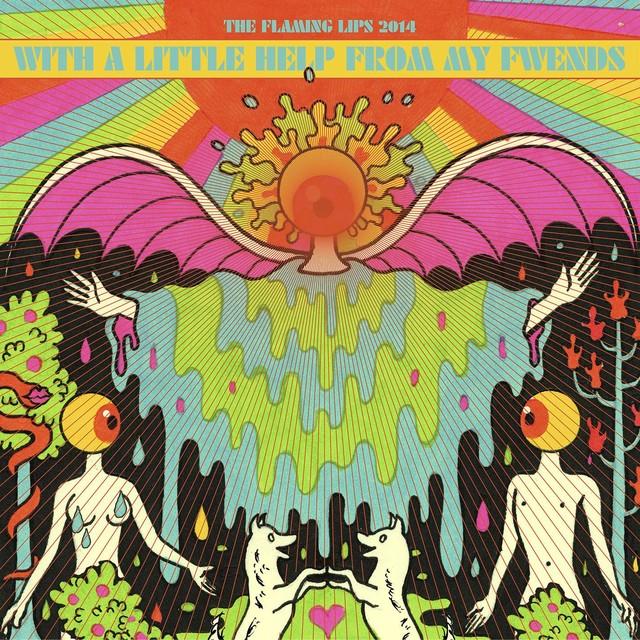
The Flaming Lips take their psychedelic rock edge to the next level with this one, which you can expect to be just as trippy as its cover art.
With A Little Help From My Fwends begins with a ghostly take on “Sgt. Pepper’s Lonely Hearts Club Band,” featuring a pandemonium of uneven sounds that almost deafen the ear. However, at the chorus, a shining beam of light appears, and The Lips’ shift back to the classic melodic anthem.
The track continues to jump back and forth between the two variations, and it becomes apparent that this is the strategy for the entire album. If you aren’t tripping on psychedelic drugs, this album is sure to trick you in to thinking that you are.
Modern beats, overdubs, and weird distortions a plenty; the chaos and strangeness ultimately take away from the beautifully orchestrated masterpieces of Lennon and McCartney. The more popular hits seem to take the hardest falls. “Sgt. Pepper’s Lonely Hearts Club Band”, “With a Little Help From My Friends,” and “Being For The Benefit of Mr. Kite!” are sure to turn your trip sour.
However, the album isn’t full of complete duds and is saved by the melodic voices of certain artists. Shockingly, Miley falls into that category.
Appearing on both “Lucy In The Sky With Diamonds” and “A Day in The Life,” Cyrus’ calm, subtle voice highlights the lyrical beauty of the songs.
Other album climaxes include “Getting Better” with Dr. Dog, Chuck Inglish, and Morgan Delt, a peaceful, upbeat medley with a range of voice types. Phantogram’s eerie touch adds a unique spin to “She’s Leaving Home”.
While the concept of With A Little Help From My Fwends featuring a range of successful artists is right on point, the album itself falls short. Even though it has the Flaming Lips feel, the purpose of this album is lost and never to be found by the listener.
The acidic distortions bleed through what many consider to be one of the greatest albums of all time. With A Little Help From My Fwends layers The Beatles’ classic hits with grandiose sound effects that ultimately make it a failed, unoriginal attempt, instead of the tasteful and reminiscent reinvention many were hoping for.
Thankfully, The Flaming Lips might be able to use their exaggeratedly trippy covers as amazing live material, but I won’t be riding around to this with the windows down any time soon.
Taylor Swift: ‘1989’
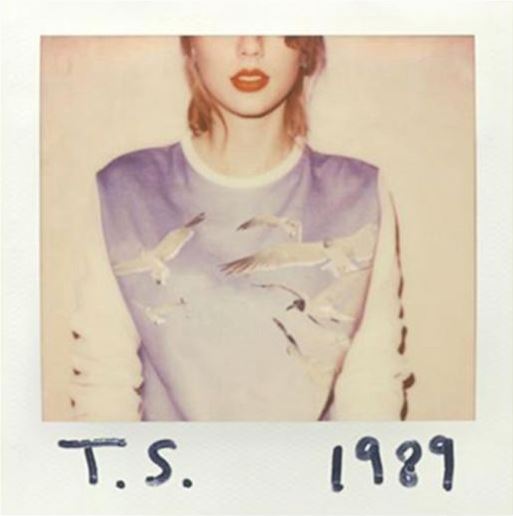
With the pull of her Spotify catalog, an enticing sweepstakes, and the projected first platinum album of 2014, it’s no surprise that Taylor Swift’s new record, 1989, has been the center of Internet controversy for weeks.
As it is Swift’s fifth studio album and first “fully pop” record, fans are more pumped than ever to see what the singer-songwriter has created. The album was made with the help of 12 producers, including Swift herself, and has greatly surpassed its predicted sales of 750K copies (600K were sold on the first day alone).
The album, which includes hit singles like “Shake It Off”, “Out of The Woods,” and “Welcome to New York”, emulates a mature, pop queen version of Swift that hasn’t been directly seen on her previous albums.
While 1989 is Swift’s first self-proclaimed “pure pop” venture, it’s obvious that this album is the final stage of her metamorphosis away from country, into the genre in which her voice truly belongs.
The album includes a standard 13-tracks, while the deluxe edition contains three additional tracks and three voice memos explaining Swift’s songwriting techniques.
The genre is a perfect fit for Swift’s voice, but it seems as though her songwriting abilities have taken the back burner in exchange for her pop sensibilities. Even though each song has an apparent 80’s pop theme pulled from influences such as Madonna and Annie Lennox, the wording seems to fall somewhere between catchy and force-fed repetitiveness, as heard in “Bad Blood” and “Out Of The Woods.”
However, Swift captivates her fans purely through her matured vocals. This album makes one thing very apparent: Taylor Swift is a talented and powerful young woman.
Something else that is clear from 1989? Swift clearly knows how to rule a market, arguably better than any other artist has done in a long time.
Swift establishes herself as a person and as a voice with this LP, with the help of producers Jack Antonoff of Fun., Imogen Heap, and significant others.
The highlights of the album are well-defined, including first hit single, “Shake It Off,” “All You Had To Do Was Stay,” and the typical T-Swift ex-boyfriend ballad, “Style” (reportedly written about ex-boyfriend Harry Styles).
However, one part missing from the new release for long-time Swift fans may be her softer, previously acoustic heartbreak anthems. While “Clean” and “This Love” might be slow, “Wildest Dreams” is the only relatable song of the album that resembles Swift’s pop-country footsteps.
After the first 16 songs, the rawest part of the album is revealed: the voice memos. Although deluxe versions are typically only buys for die-hard fans, the last three tracks perfectly close what Swift considers the album she’s “most proud of” and are a must-hear for a multitude of fans.
The voice memos, which are titled after tracks “I Know Places,” “I Wish You Would,” and “Blank Space,” give meaningful insight into Swift as an artist and songwriter. Swift explains the various ways she writes and how the melodies and production come together. In addition to getting personal tips from the superstar, this is a chance for the fans to hear Swift’s unaltered voice in the initial stages of a song.
Overall, Swift’s shift in genre has resulted in one of the most hyped albums in recent memory. Based on record sales alone, this may be her greatest album and career move yet. Regardless of the lyrical superficiality, 1989 is an upbeat album that is definitely worth a listen – and there’s a good chance you’ll find yourself singing along.

Gruff Rhys: ‘American Interior’
It’s been three years since Gruff Rhys’ Hotel Shampoo, and he’s been busy. His newest album, American Interior, is more than just an album; it is a multimodal story. The album is accompanied by a book, a documentary film, and an app. The premise behind all of this is quite interesting and goes way back. Essentially, Rhys’ album tells the story of his distant relative, John Evans. Evans left Wales in the 1700’s to discover “a mythical tribe of Welsh speaking First Nation Americans” Rhys traced Evans’ steps to make his own discoveries about his relative’s involvement with American history and his final resting place. As for the mythical tribe, I guess we’ll just have to watch the documentary. Rhys’ multimodal project is a narrative for Evans’ adventures, and Rhys includes an artistic manifestation of Evans in his own performances.
Appropriately, Rhys’ album, American Interior, captures that bizarre history and adventurous story of Evans’ life. The album opens with “American Exterior,” a short intro with a robotic rhythm that seamlessly transitions into “American Interior.” In a sense, the exterior becomes interior as Rhys’ pulls us into his story. We can see Rhys’ combination of spacey and indie rock in his music video for “American Interior.” Throughout the video, Rhys sports a large fox hat and travels through a black and white landscape with his sidekick, Evans, in his artistic form looking rather serious. Pops of color give the video a psychedelic style.
Quickly following “American Interior” with energy is “100 Unread Messages,” which describes Evans’ arrival to America and traces his journey from Philadelphia to the western frontier in search for the lost tribe. The track has a classic country guitar style that embodies the adventure behind Rhys’ art. The style reoccurs in tracks like “Year of the Dog.” Other tracks give a road trip feel and adopt an 80’s pop-rock sound, such as “The Last Conquistador,” opening with a Napoleon Dynamite rhythm. “Lost Tribes” follows with the same style.
Shortly after, Rhys incorporates classical elements into the album with a piano and violins in “Liberty (Is Where We’ll Be)” and “lolo.” “Allweddallau Allwedol” keeps up the energy with lyrics that sound like a tribal language, of course adding to the lost tribe theme. Rhys speeds up and slows down, within tracks and throughout the album in general. Like his journey, there are breaks, lulls, and times of progress. The album ends with “Tiger’s Tale,” which comes back to the classic country style that reminds us of a road trip. The instrumental track is slower than the rest of the album’s high energy, but completes the album on a hopeful and successful note, as if to say Rhys’ distant relative did not fail at his search, but rather opened a door for creativity and stories.
Anyone who’s traced back their family line knows it’s a very personal experience, and you usually find out the most unlikely things about your long lost relatives and maybe uncover some secrets (or don’t). Rhys’ project is a collage and a tribute to Evans and what he stands for, adventure and risks.
5/5

Maddie & Tae: ‘Maddie & Tae’ EP
After the success of their criticism-filled single “Girl in a Country Song” calling out perpetrators of “bro-country,” brand new duo Maddie & Tae released their much-anticipated self-titled debut EP today.
While their first single hasn’t achieved the No. 1 status yet (although it deserves to), it landed among the top ten on the U.S. Country charts. Many young artists fall victim to the trends of country radio in order to propel them to success. The duo defied the trends and went so far as to call out offenders of them. “Girl in a Country Song” is still the only single released from the duo since July, but that’s about to change with the release of their four-song EP.
The first song is their current single, which draws attention to the not-so-discreet role of women in modern country songs. The lyrics are some of the most biting in country music, especially because they contain references to popular songs by Blake Shelton, Florida Georgia Line, and Jason Aldean. The duo sings “We used to get a little respect/Now we’re lucky if we even get/To climb up in your truck, keep our mouths shut, and ride along/And be the girl in a country song.” Female listeners, regardless of genre preference, can no doubt identify with the lyrics. With an eye-opening music video, it’s no surprise how successful the duo’s first song has become.
The next song stays true to the duo’s unique style with “Sierra,” a song about the pitfalls of being a shallow girl, which shows the potential to be their next single. The lyrics show off how incredibly fierce the duo can be without uttering a single swear word. They dance around the thought of using them with “Life ain’t all tiaras/You’re gonna find out that karma’s a…” and “Big pain in the…as far as I can tell/Yours is adding up fat.” It’s clear one of the qualities that sets these girls apart is their relentless truth throughout every line.
The EP takes a turn with the next song “Fly,” meant to be the inspirational aspect of the album. The slower song provides the opportunity to show off their already impressive vocals. While it may seem like a stereotypical moment of inspiration essential to most every album, a closer listen to the lyrics proves otherwise. Rather than only highlighting the positive aspects, the song analyzes both good and bad, providing a pleasant balance of motivation without being overly sappy or cheesy. The EP concludes with “Your Side of Town,” which offers a return to the spunk that kicked off the album.
Maddie & Tae show an incredible amount of potential to thrive in country music. Their debut EP is filled with their unique style that incorporates traditional country roots with lyrics that pack an intense punch. This duo is just what country music needs to set many of the superstars straight and redefine the genre. Maddie & Tae have only recently graduated high school, but their music is some of the most mature we’ve seen this year. The duo’s music shows strong ties to superstars like the Dixie Chicks, and they’re still a household name today.
4/5
Black Light White Light: ‘Gold Into Dreams’
Three years after their debut in 2011 with Infrared Daylight, Black Light White Light release Gold Into Dreams, a continuation of their vintage, psychedelic rock style. The Danish trio consists of singer/guitarist, Martin Ejlersten and brothers, Adam and Tobias Winberg. Think Jet but more intimidating, and much more badass.
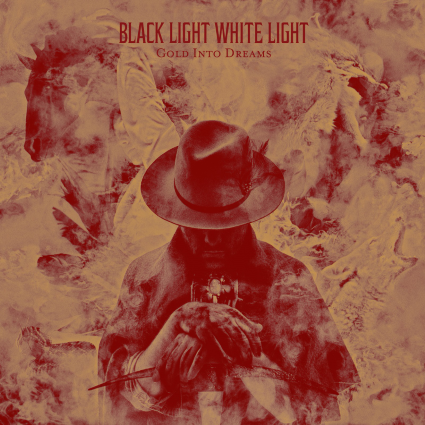
With Ejlersten’s rough and raw vocals, along with the band’s echo effects and layers, Gold Into Dreams oozes sensuality and high energy. In addition to the album’s digital release, Black Light White Light has also produced a “Gold Digger” fuzz guitar pedal with USB socket and cable to download the album…figure that one out. The pedal seems to embody BLWL’s style perfectly: simple gold on red with a 70’s design and typography. On top of that, Grammy-nominated producer Chis “Frenchie” Smith (Meat Puppets) largely contributed to Gold Into Dream’s production. How much cooler can you get?
The album opens with “High Like A Hurricane,” debuting BLWL’s signature style with ethereal vocals and a subtle western guitar style that becomes more prevalent in “Sex And Fury.” To match the vibrancy of “High Like A Hurricane,” the music video exemplifies Gold Into Dream’s artistic nature. Black and white imagery of the band layered with transparent images give the video that hallucinogenic effect that comes with their psychedelic style. Light and dark imagery contrast, appropriately, and reflections and collages give the video an art deco style.
“Gold Into Dreams” follows with a soft, dreamy sound. Delicate guitar picking creates a relaxing folk style. “And The Devil” also stays on the slow side but incorporates the sitar, which echoes The Beatles’ “Across the Universe” and “Within You Without You.” BLWL gives it their own stamp with background violins and unique vocals.
“Aim A Little High” takes the album back to the 90’s with a hazy rock effect that gives the album its vintage vibe. The track has an upbeat, optimistic sound that continues into “Revolutionary Sound Squad.” The western guitar style mentioned in “High Like A Hurricane” ends the album in “Fade Out,” which combines with their Beatles-inspired sound.
Although Gold Into Dreams is considered part of the rock genre, BLWL does a good job of keeping a balance between loud and relaxing, which I think is the point of the psychedelic genre – finding a middle ground, creating feng shui, etc. Ejlersten’s light vocals and the band’s unity do just that.
Gold Into Dreams is a conglomeration of eras and instruments and, ultimately, shows BLWL’s growth from 2011. This combination of sounds comes together perfectly to create one sound specific to BLWL’s artistic style.
3/5
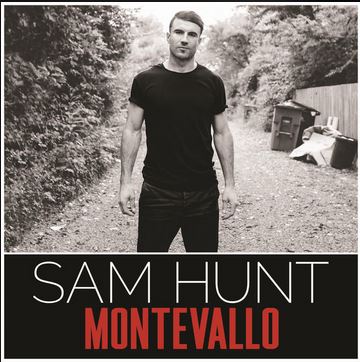
Sam Hunt: ‘Montevallo’
Sam Hunt released his debut studio album Montevallo Oct. 27 after his four-song EP sold 20,000 copies just three months prior.
Born in Cedartown, Georgia, Hunt achieved much of his early success in athletics, going on to fill the role of quarterback for the University of Alabama at Birmingham. Instead of accepting an offer from the Kansas City Chiefs, he opted for the road perpetually travelled to Nashville. A publishing deal proved successful, as he wrote multiple singles for country superstars Kenny Chesney, Billy Currington, and Keith Urban. Following in the footsteps of many rap and hip-hop artists, he released a free mixtape in 2013. After signing a deal with MCA Nashville, he released a four-song EP, which sold 8,000 copies in the first week. With the first single off his album already certified gold, Montevallo shows potential to follow in the same direction.
Despite growing up in the south, Hunt lacks the traditional country style, setting him apart from the usual top country artists. Without the ever-present hat and boots, he’s nearly unrecognizable within the genre. His voice is without the usual twang and sounds more like a rock or pop act.
During a recent interview with Rolling Stone, he was questioned about how he fits into the country genre.
The first song on Montevallo solidifies Hunt’s style. Rather than show off his vocals immediately, “Take Your Time” begins with him speaking quickly over the music, but not quite rapping. This style filters throughout many songs on the album. The speaking segues into singing when the chorus hits. It’s different without branching too far from traditional country concepts.
Next follows the artist’s biggest hit to date, “Leave the Night On,” a catchy song that has favored well among the country charts. He brings new meaning to the term with the next song, “House Party.” The assumption would be to groan and complain about how he’s just another artist singing about alcohol, but the song is about two people just having a good time at home, apparent through the lyrics “You ain’t gotta leave the house to have a good time/I’ma bring the good time home to you/We’ll have a house party, we don’t need nobody.”
Following is a return to the style that kicked off the album with “Break Up in a Small Town,” one of the most notable songs. While not all country fans will like the style of the song, it’s clear Hunt knows what he’s doing when it comes to the storytelling element. The only song that incorporates some country stereotypes is “Raised on It,” but it still sets itself apart.
Sam Hunt is not your traditional “country” star. He doesn’t look the part or write every song about beer and trucks. His songwriting is intricate and gives phrases a new meaning. His play on words is impressive and definitely causes him to stand out among other country artists. Montevallo may not please everyone in the country genre, but it should based on the storytelling Hunt works so hard to incorporate into every song. This album contains the perfect mix of emotions, balancing serious songs with catchy ones.
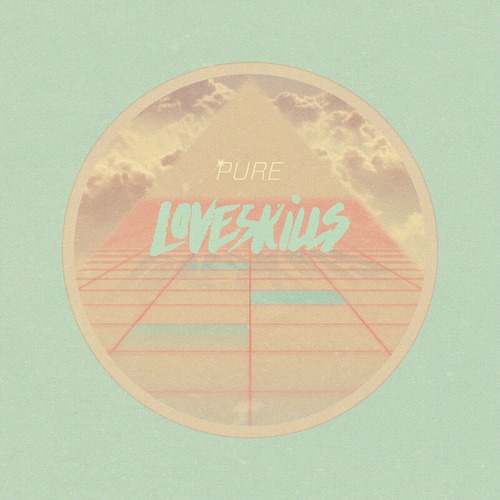
Lovekills: ‘Pure’ EP
Loveskills (aka Richard Spitzer) is a Brooklyn-based producer of enticing sounds and eclectic electronica that pulls from the various influences of R&B, pop, hip-hop, trap, and electro-soul subgenres. With these, he fashions beats that amaze and astound, rearranging them into moving contraptions powered by copious amounts of the cool and crisp elements of EDM in liquid form. At least, that was my first impression.
His debut EP, Multiplicity, premiered last year with No Shame Records; now, we have the privilege of bringing you a review of the latest fruits of his labor. Loveskills’ Pure EP dropped today, courtesy again of No Shame Records.
The Pure EP brings to light some of the more ethereal components of electronica in its song selection, all of which move at a comfortable BPM pace (a rarity these days, if my anecdotal experience is any indication). The first track is a fantastic crossover cover of Smashing Pumpkins’ “Luna,” and is pretty much sure to draw you in if you like the idea of classic things coming in new flavors. Give it a listen if you haven’t yet, and fear not—the five tracks that follow it are just as certain to please.
“White Diamonds” feels like peering into a super cool, beguiling sort of refracted truth laced with LED lights and a backbeat; the R&B/hip hop influences shine through here, with Loveskills’ featured artist spouting a lyrical flow that is both smooth and, if my ears and understanding of metaphor do not deceive me, a touch risqué. The song “Pure Crystal” actually features a spot of guitar, which I can say loosely expands Loveskills’ genre surfing into the outskirts of funk territory. Pulsing rhythms and a solid house effect pervade through the duration of both tracks, and were it not for the ever-positively-oriented side of the music spectrum Pure roots itself in, I might submit that it, along with evocatively monochrome (emphasis on the chrome part) songs like “Chanel,” could be distant cousins of DYE’s “Fantasy.”
Within Pure can also be found a bit of nostalgia. The scratch work in “Fine Lines” combined with a beat that consistently rounds itself out like a blast of arctic air provides for just the right mix of modern and futuristic OST characteristics to send me straight back to my Jet Set Radio days. To top that, I actually scrambled during the first few seconds of “Point Of View” to recheck the title; I didn’t recall seeing a Cruxshadows remix on the song list (someone out there knows what I am talking about), but the hope was a bit of a stretch in retrospect.
This EP felt like it came charging way out of left field—like it turned its back on the foreboding obelisk of turntable-ism and just booked it until it found the promised land of crystalline whimsy that, lo and behold, gets realized when a talented producer deigns to compose music on a piano before caressing a synthesizer. I say this free of conceit: Pure comes across as both refreshing and unexpected, not at all unlike getting caught in a five-minute rainstorm on the most blindingly sunlit day you can imagine.
4/5