Nikki grew up in an imitation German town in Georgia by the name of Helen. It wasn’t until middle school that she started to get interested in the arts: painting, music, and writing. She wrote in her diary, sketched in art class and listened to regretful music. By high school, her tastes became a little more refined. She found Fiona Apple, Lou Reed and Giant Drag, and they remain her favorites in college. She was accepted to the University of Georgia in 2012 and is currently majoring in English. Upon moving to Athens from a town with more trees than people, Nikki was a bit overwhelmed. However, there is certainly no lack of inspiration in Athens, and she appreciates its love for the arts and its service as a platform.
After their recent release of Hades Land, Chattanooga-based Robert McCurry and Caleb Dills have debuted their newest music video for “Wings 4 Two.” With an 80’s pop sound and deep vocals from McCurry, the video implicates a “home video” style. French subtitles guide the video as McCurry and Dills play in front of a sparse audience. The glowing light and stark contrast gives the video a David Lynchian feel. Among the audience is a mutated man, like something out of Eraserhead. The man follows Dills home, who eventually emerges from the nightmarish scene only to exhibit more disorientation.
The video coincides with Superbody’s heavy sound. With sonorous guitar rhythms combined with Dill’s dreamy synthesizer effects and McCurry’s baritone vocals, the video embodies the ethereal style of the track. The video is directed by the boys of Superbody and Christopher Artell.
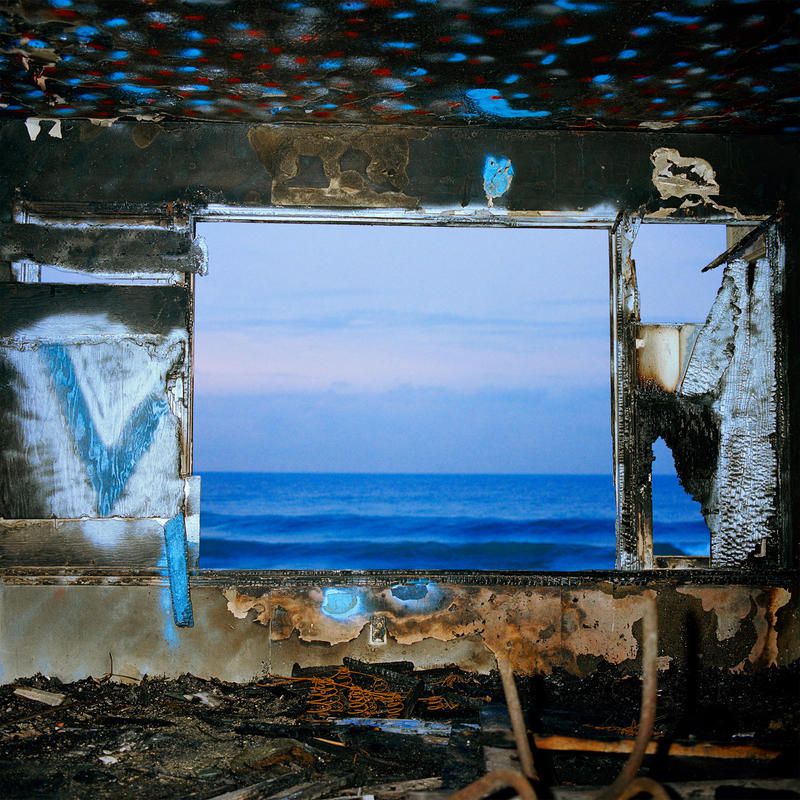
While Deerhunter usually takes an upbeat, noise rock approach in their earlier albums, Fading Frontier exhibits a softer side. Deerhunter stays true to their experimental rock distortions but incorporates a dreamy 80’s synth-laced sound. The indie rock group recently released two singles from Fading Frontier, “Snakeskin” and “Breaker,” two of the more energetic tracks on the album. Check out Vinyl Mag’s review of the music video for “Snakeskin.”
Deerhunter’s previous album, Monomania, relied heavily on raw vocal distortions. While Monomania adhered to Deerhunter’s experimental style, Fading Frontier trails off towards a style of airy dysphoria. While “Snakeskin” initially portrayed a vibrant atmosphere, it is only one of the few upbeat tracks on the album. “Breaker,” another upbeat single, exudes a west coast, surfer vibe. Tracks like “Living my Life” and “Take Care” use a romantic echo effect, overlaid with simple melodies. High-pitched string instruments and twinkling piano sounds create an eerie effect, as heard in “Leather and Wood,” but the album still maintains Deerhunter’s cohesive rock sound.
The album ends with “Ad Astra” and “Carrion,” two tracks that purposely coincide, but why? “Ad Astra” is Latin for “to the stars.” The track ends with a vintage sound clip of a man singing in a Harry McClintlock style, “I wish I were a mole in the ground.” “Carrion” picks up where “Ad Astra” ends as front man Bradford Cox sings in an upbeat tone, “I will become a mole in the ground…It’s much too deep. What’s wrong with me? I can not see.”
In an interview with Stereogum, Cox explains, “There’s no difference in you telling me what you think the song is about and me telling you what I think the song is about, because neither of us are right or wrong.” The album comes together in its unified style. The concept of Fading Frontier coincides with the spacey, dream-like melodies of the album. Perhaps the album isn’t meant to be deeply analyzed but rather listened to as a whole; that is when the true talent of Deerhunter reveals itself.
After many gray days brought to us by hurricane Joaquin, the clouds have parted, and the sun has smiled upon Athens, Georgia. Ironically, the only clear day Athens experienced this past week was the day Father John Misty came to town, and when he left he took our hearts and the sunshine. Alas, it is back, and Vinyl Mag has curated a playlist to lift your spirits and your bum. Listen to the playlist and go outside! Or do both at the same time! Here are all of our favorites from past and present, from The Beach Boys to Wavves, organized in (somewhat) chronological order. Enjoy!
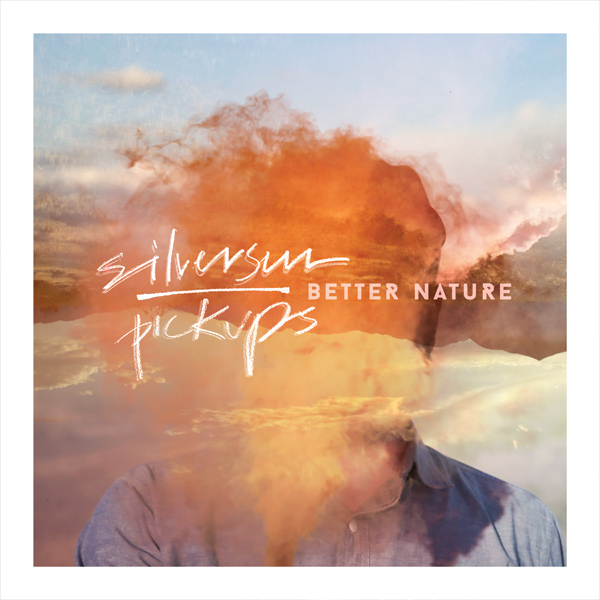
Silversun Pickups stand true to their signature indie rock sound. In their 5th full-length album, Better Nature, synth pop beats and ambient melodies contrast with rock riffs. Front man, Brian Aubert’s, androgynous vocals harmonize with back up vocalist, Nikki Monninger for a lingering, airy effect. The soft vocals alleviate the subtle guitar distortions. Aubert describes the album as “its own quantum universe. It’s kind of unstable.” Since their start in 2005 with Pikul and Carnavas, Silversun Pickups has been one of those hidden gems of a band. It wasn’t until Swoon in 2009 that Silversun Pickups came to define a part of my own personal history. With classical violin melodies and raw rock riffs, the contrast gave the album an eerie, but catchy tone.
Better Nature leans more towards the rock-pop sound but still utilizes the atmospheric sounds prevalent in previous albums. Better Nature opens with “Cradle (Better Nature),” a rhythmic, synth-laced track with repetitive, riot-like lyrics. “Pins and Needles” follows as one of the more popular tracks. With an ambient opening, the track immediately cuts to a sonorous riff. “Nightlight” follows the same format with the transition from a quiet, slow opening to Silversun Pickup’s signature deep rock rhythm. The album really makes use of echoed background shouting which gives it that pop feel but pulls back from being too electronic with the raw guitar melodies. “The Wild Kind” finishes up the album with a synthesizer opening and an upbeat melody.
Perhaps Aubert has a point calling the album its own unstable entity, but the Silversun Pickup succeed in taking their music slightly into a different direction than usual. They straddle the line between indie-rock and synthetic pop without giving either genre too much credit. In that way, the album and the general sound of Silversun Pickup is original in its own way.
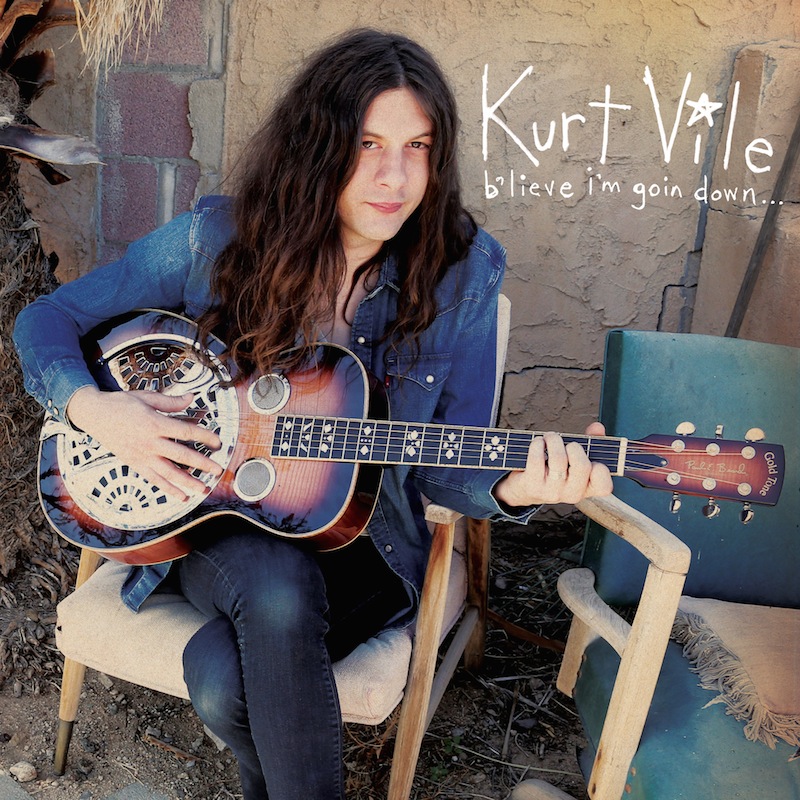
Kurt Vile’s new album, b’lieve i’m goin down, opens with “Pretty Pimpin.” The riff immediately implants itself in the listener’s mind and forces him/her to learn the lyrics. Vile, formerly of The War on Drugs, exhibits a lingering twang, ironic considering he hails from Philadelphia. His country-tinged rock combines synth-laced beats to create catchy, western melodies that make any listener feel a little bad. “Pretty Pimpin” is just one of many popular singles from the album. The track begins with a foot stomping melody and transitions into Vile’s raw vocals. With the monotone fluidity of Leonard Cohen and the inflections of Lou Reed, Vile comes through with a stripped down album of genuine lyrics and haunting melodies.
Vile’s bluegrass background reveals itself in “I’m an Outlaw.” A synthetic beat compliments Vile’s banjo fingerpicking to produce a western, country vibe. The fingerpicking continues in “That’s Life, tho (almost hate to say)” with heavy acoustic sounds. The track is softer, and its simplicity allows Vile’s deep vocals and lyrics shine through. Another popular single, “Life Like This” moves away from the southern style to a evocative piano melody.
Vile’s rough-cut style combines his bluegrass background with modern alternative styles. Vile’s smooth but distinct vocals soften stark chord changes. Likewise, Vile is just as capable of producing a slow, sweet track like “All in a Daze Work.” The album really speaks to Vile’s progress since the start of his solo career in 2008 with Constant Hitmaker. Don’t let Vile’s long, tangled mane intimidate you, his songs are lovely and comforting.
Superbody was born in the mountains of Chattanooga, Tennessee, the brainchild of Robert McCurry and Caleb Dills. The duo has only just begun; after 5 months, the band has produced their first full length album, Hades Land.
Vocalist, McCurry, brings the deep, pop vocals of the 80’s, while Dills softens the sonorous voice with dreamy indie sounds. The album opens with “Call Me That.” McCurry’s baritone voice flows over a harmonizing layer of twinkling melodies. The video was directed by Athens’ own, Vann Johnson. The video really embodies the band’s ethereal persona, as McCurry wakes up in a world of surrealism, surrounded by montages of plastic toy animals and magazine clippings. McCurry walks through this world with a feminine poise, which lightens the low tone of his voice and adds a bit of humor to the colorful dream.
“Hands Up” employs a more industrial, noise style with a haunting melody, but the chorus comes through with airy “ooh’s” and an uplifting riff. “Wings 4 Two” follows with sweeter sounds and lyrics. This track definitely exhibits an 80’s pop sound, with samples from a female voice, “I don’t really care where we go, baby. It could be Paris, London or Little Rock for all I care…” The synth utilization is similar to that of Desire and Chromatics. Superbody exhibits the same ambiance, but continues to include a subtle and deep, indie sound that makes it all their own.
“5678” takes on a more upbeat sound with a funky riff and more synthesizer beats. Finally, “Fools Gold” completes the debut album with a rough, rock sound combined with a dreamy synthesizer melody.
Superbody has been born, and they’re definitely a band that we’re definitely interested in watching grow. It’s rare that a band comes along and creates something new. No doubt Superbody will continue to change their sound as they evolve, but we hope they remain constant in their originality and creativity. Imagine their live shows! Check them out at the Flicker Theater on October 7th and/or the 40 Watt on November 6th.
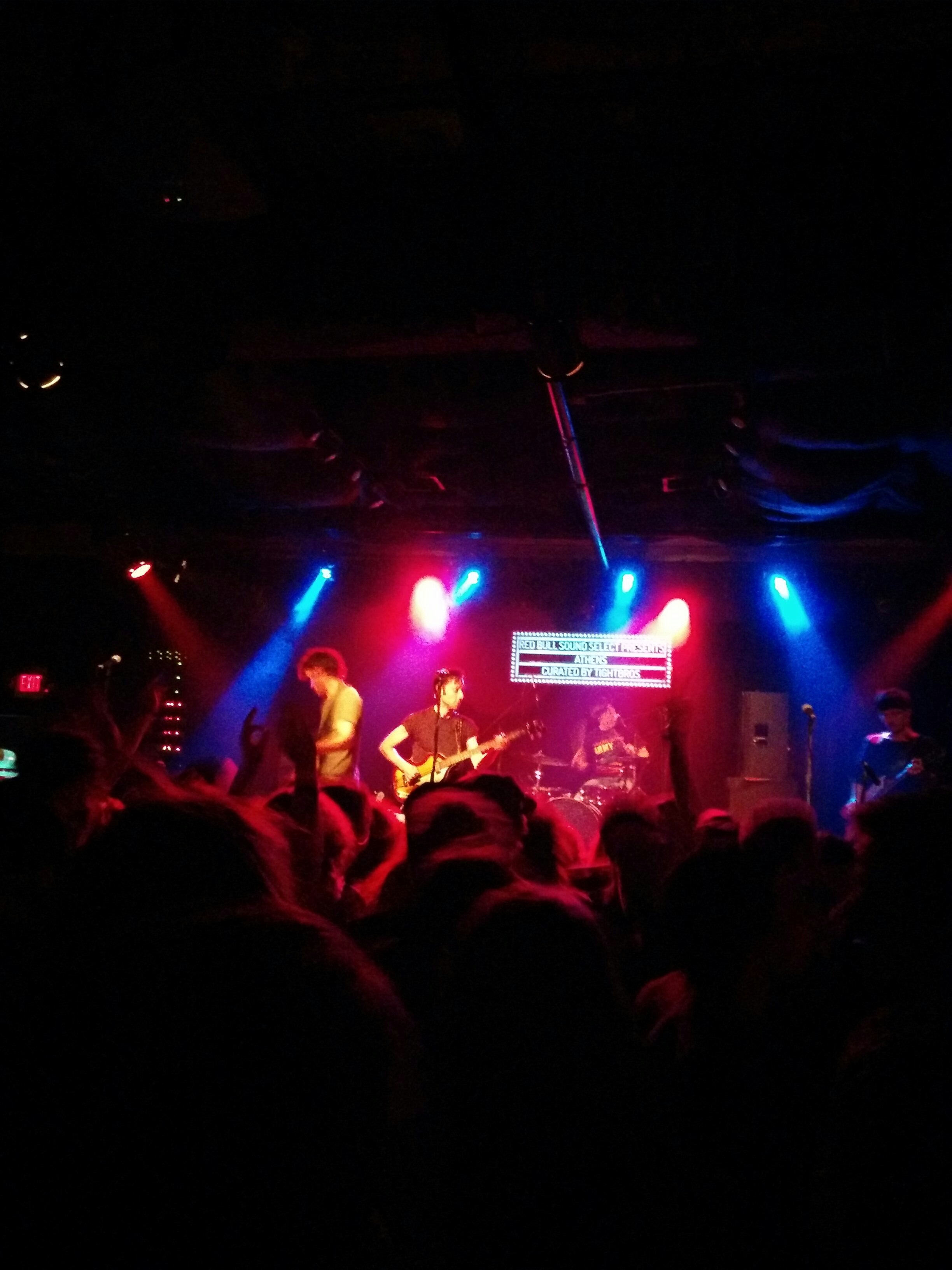
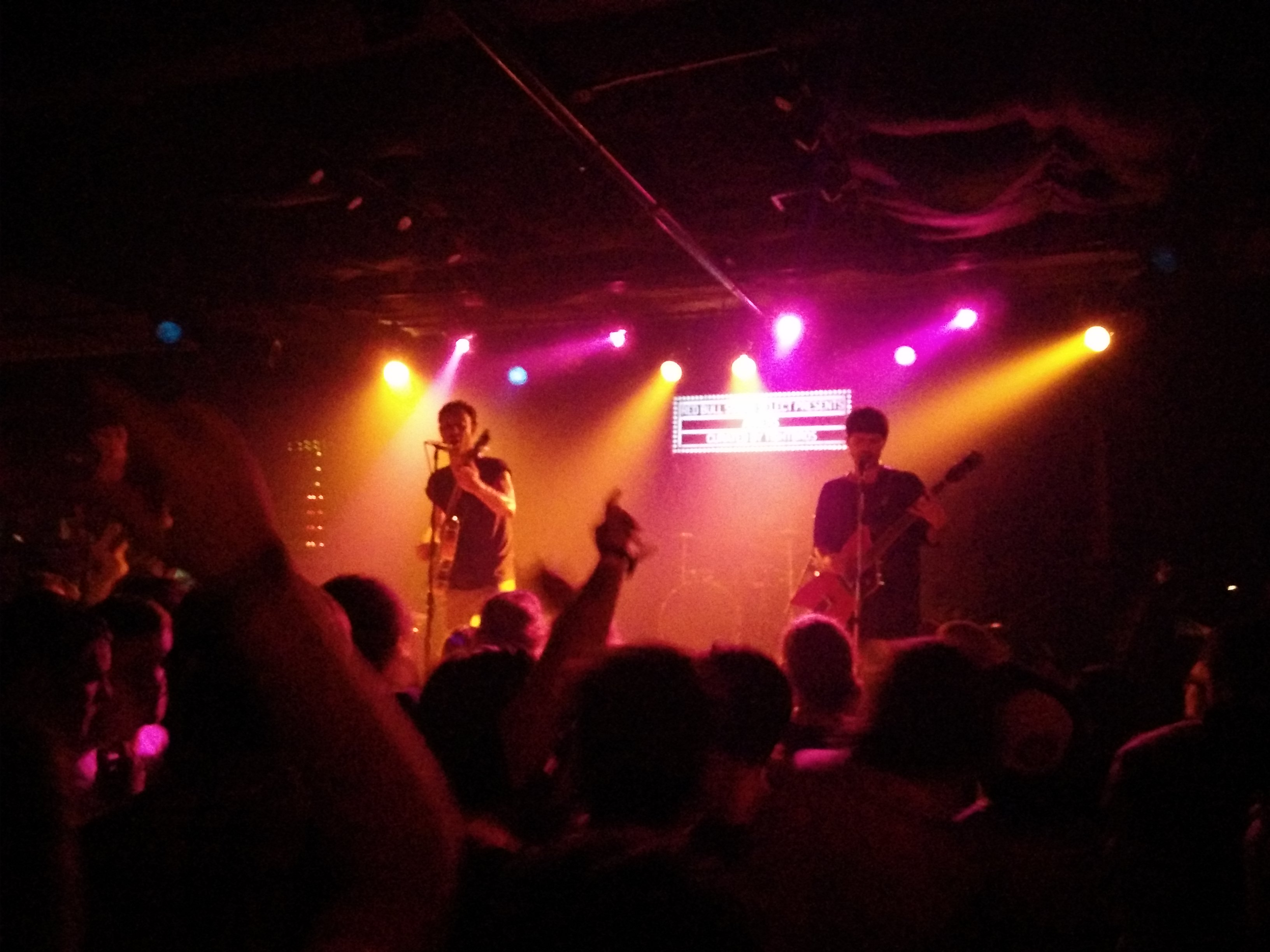
The line to the 40 Watt curved down Pulaski Street as people waited for the doors to open. Those who RSVP’d ahead of time were sent to a Red Bull Sound Select representative and given free chocolate chips cookies and foam black lips. Once inside, Muuy Biien performed an enthusiastic show and set the hardcore, punk mood for the rest of the night. Front man, Josh Evans brought the energy and the fun with his animated dance moves. After Muuy Biien, people migrated to the bar or outside for a cigarette. Even the boys of Muuy Biien made their way to ground level as fellow Black Lips fans. We weren’t outside for more than 30 minutes before my friend points out Black Lips’ singer, Cole, and the band’s female saxophonist walking by. It was an occurrence that seemed so surreal at the time, to be that close to performers dressed in their punk garb and makeup. Shaky Knees was a completely different experience; fans leaned over metal gates and bodyguards in order to reach for the Black Lips. The 40 Watt is much more intimate, eliminating the barrier between the audience and the performers. It’s not uncommon to see band members mingling among the audience with a PBR in hand or partaking in the chaos that is the mosh pit.
Finally, the seemingly misplaced 50’s standby music abruptly transitions to the rough and raw guitar sounds of Black Lips. Opening with “Family Tree,” the band wastes no time in amping up the energy. Cole gracefully trust falls onto a tightly packed group of audience members, and is just as gracefully placed back on stage. I vigorously nodded my head and bounced in the back of the crowd. The band recently included a female saxophonist that brings a new layer to the band’s sound. Although she is only present for a few songs, her power gives the songs new life. Its no secret that punk-rock shows can be overwhelming; one doesn’t come to a punk-rock show to sit in the back and not get pushed around. I think the genre is successful in generating an energetic crowd; as long as the performers are screaming into the mic and jumping around on stage, the audience is bound to follow. The genre gets back what it puts in. Have you ever been to a rock concert and not been able to dance? It’s hard. I think the same concept goes for any genre, but the punk-rock genre is all about creating chaos and instilling a rebellious mindset in its listeners.
It wasn’t long before I saw my girlfriend crowd surfing a few bodies in front of me. She was so close to the stage that I think Cole looked her square in the face. A few girls gabbed back in forth in front of me, a few even checking updates from Instagram as the band played “Boys in the Woods.” I couldn’t go to a Black Lips show at the 40 Watt and remain in the safe section. People started to filter out of the crowd, making their way to the calmness of the bar. The aggressive moshing and flying toilet paper rolls were too much to handle, but I grabbed my friend by the hand and pushed our way closer, eventually reuniting with my crowd surfing friend. I knew the concert was coming to an end, and I also knew I would regret it if I didn’t enter the ominous mosh pit. I asked my crowd surfing friend to come with me, which she agreed to without hesitation. As we pushed our way into the pit, the temperature immediately climbed 10 degrees and the humidity was enough to stifle my breath. Once in the center of the pit, my legs and arms became pinned to my body. It took all the power I had to pull an arm up for defense. I finally got my head up enough to see Jared’s sweaty, red face and the veins popping out of his neck as he belted out “Bad Kids.” In a blur, I see a guy jumping off the stage, and it’s my job to catch him. Immediately the impact takes my friend and I to the floor. I was surprised to feel people reaching for me, helping me up. It wasn’t long before the weight of so many bodies took its toll, and just as I felt a crushing sensation in my chest and a tingling in my face, I moshed my way out of the pit.
Just as Black Lips ended, the crowd chanted for an encore, and the band willingly obliged. I discovered I’m not much of a mosher, but I was proud of myself for taking a chance. Their recorded songs definitely have a cleaner quality, but there’s something about the rawness of a blood-curdling scream and the feedback of a guitar that gets to the heart of the audience member, physically. If you’re heart isn’t racing at a Black Lips concert, you’re either in the bathroom or passed out.
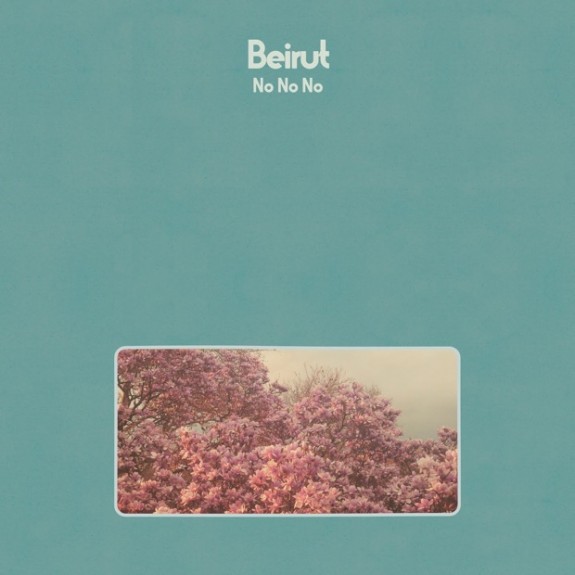
Beirut began their journey in 2006 with Gulag Orkestar. Influenced by front man, Zach Condon’s, visit to Europe, the first album combines Balkan folk and Gypsy music, which continues throughout their most recent albums. Since then, Beirut has evolved into a folk pop sound, but still incorporates the common European instruments and melodies using brass and string instruments such as trumpets and violins. Their newest album, No No No, gives the classic sound a modern twist by utilizing pop synthetic sounds and upbeat piano melodies. No No No introduces a focus on the folk pop sound that seems less prevalent in previous albums. Multiple instruments and the contrast of Condon’s deep, smooth vocals with sharp synthetic sounds give the tracks a layered and complex sound.
“Gibraltar” opens with a tribal beat and transitions to an upbeat piano sound that becomes prevalent in multiple tracks and gives the album that folk-pop sound. The piano, prevalent in multiple tracks, exudes a vintage, 70’s pop sound that listener will find comforting and catchy. “August Holland” also exhibits the same style with a rhythmic piano melody. “No No No” follows with Beirut’s signature electronic sound, overlaid with fluid vocals that soften the synthetic sound. “At Once” transitions to a somber mood with blooming trumpets. “As Needed” follows suit and acts as an intermission for the energetic album with a soft, instrumental melody. The track successfully combines subtle haunting melodies with the softness of a lullaby. Finally, “So Allowed” completes the album with Beirut’s familiar sound and Condon’s deep, lofty vocals.
Perhaps this album is an indicator of Beirut’s evolution in a musical world where one listeners can be attracted to vastly different genres. No No No debuts Beirut’s ability to keep with their old, familiar sound, while pushing the limitations of multiple genres in order to appeal to more listeners as well as keep up with their loyal listeners’ continuously changing tastes.
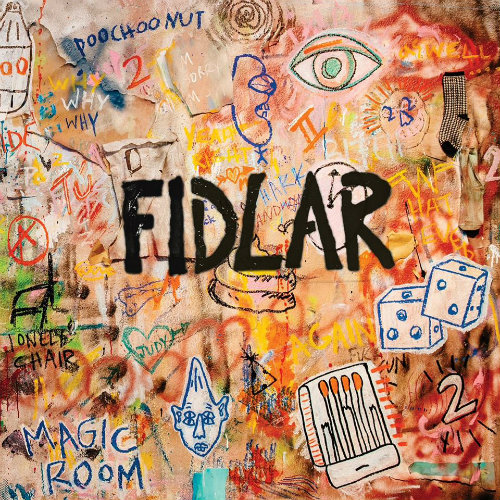
FIDLAR is known for their edgy sound and high-energy performances. It was unfortunate that they played at the same time The Black Lips performed at Shaky Knees this summer. Both bands have very similar sounds, and it was hard for my friend and I to choose between the two. However, Vinyl Mag had previously interviewed The Black Lips at SXSW in 2014, and I wanted to see what their performance was really like. I think the heat was too heavy for anyone to do any proper moshing; nevertheless, The Black Lips came through with their typical punk sound. I imagine FIDLAR would’ve played out similarly. In fact, their video for “West Coast,” from their most recent album, Too, shows some behind the scenes footage of the band, complete with bathroom tattoos, kicks to the face and partial nudity.
In 2013, FIDLAR released their debut, self-titled album with Mom & Pop. The band members have history with the punk scene; members, Elvis and Greg Kuehn’s father was a guitarist for the punk band T. S. O. L. FIDLAR released their newest album, Too, this month. Edgy vocals and raw lyrics give the album that signature punk sound. However, this album seems to experiment with genres like indie and garage rock, instead of the inherent screaming commonly associated with the punk genre. The album opens with “40oz On Repeat,” in which there is a stark verse change from FIDLAR’s typical sound to a simple, softer melody. The video gives the melody context. Elvis dresses up as multiple pop icons to parody musicians’ tendency to express their seemingly trivial problems. Elvis is quite the actor and his performance (especially his rendition of Britney Spears) is hilarious. The video appears homemade, as does “Leave Me Alone,” in which an entire roll of toilet paper is used to display the song’s lyrics.
The punk genre is one that has evolved since its genesis, constantly incorporating similar genres such as classic rock and metal. What remains constant is the genre’s effect on its audience members. The band and their audiences are tight-knit groups. It is not uncommon for punk bands to play in small venues without a stage or for band members to get involved in the mosh pit along with their fans. The genre is highly sensational. Just as Father John Misty can drive us to tears, punk bands like FIDLAR and The Black Lips can drive us to anarchy, yet audience members still leave the venue as friends and wake up in the morning laughing at the night’s escapades.
Seven months after Panda Bear’s latest album, Panda Bear Meets the Grim Reaper, Noah Lennox, former member of Animal Collective, has released his EP for “Crosswords.” Grim Reaper takes on the standard electronic-pop style constant through all of Panda Bear’s albums, but with an eerie twist. Lennox combines the style with a combination of distorted sounds. “Mr. Noah” opens with an unsettling clip of what sounds like whining dogs. However, Crossover EP takes a more upbeat approach.
“Crosswords” opens the EP, a familiar track from Grim Reaper, with extracts of the 90’s electronic genre. The echo riff in the background sounds similar to the style of Savage Garden. “No Mans Land” follows with a cosmic theme and metallic beats. Panda Bear is mainly composed of heavy synth sounds, but Lennox softens the sharp sound with his fluid vocals. “Jabberwocky,” although relatively upbeat like the rest of the EP, reflects the haunting melodies found in Grim Reaper. “Cosplay” ends the five-track EP with a sound similar to the Beach Boys’ Pet Sounds, with simple and repetitive lyrics, an ode to the greener things in life. “Marijuana makes my day.”